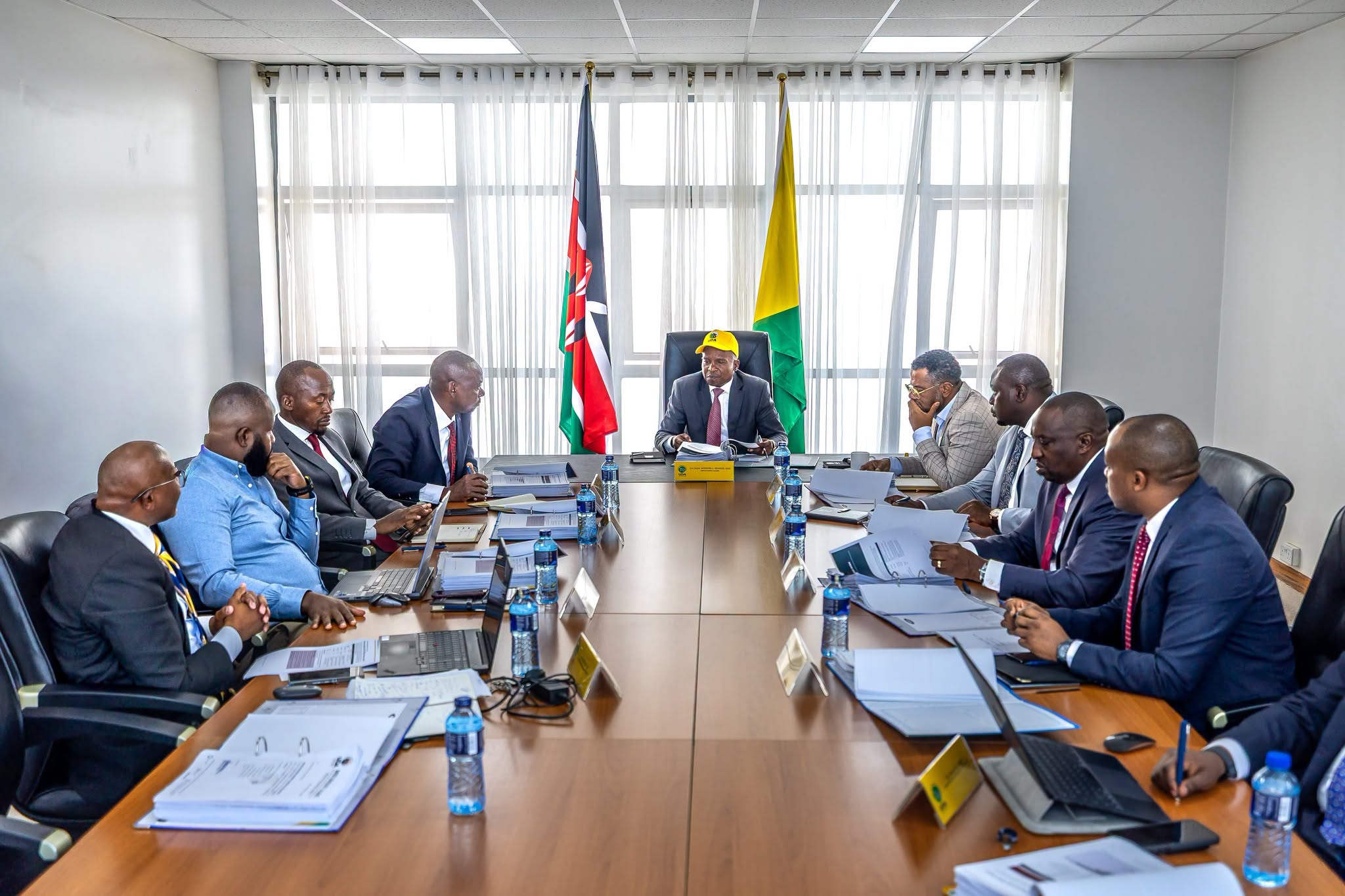
Kindiki chairs UDA steering committee meeting to review 2027 election preparations
Deputy President Kithure Kindiki has chaired a meeting of the United Democratic Alliance (UDA) National Steering Committee at Hustler Plaza in Nairobi to assess the party's preparedness for the 2027 General Election. The Thursday, November 26, 2026, meeting focused on strengthening party structures, organising upcoming nominations, increasing UDA's visibility across the country and recruiting new members. The discussions form part of the party's efforts to enhance grassroots mobilisation, improve internal coordination and consolidate its presence ahead of the next electoral contest. Attention is also expected to remain on how the party manages its primaries and engages aspirants and members to ensure effective participation in the electoral process.
Deputy President Kithure Kindiki has chaired a meeting of the United Democratic Alliance (UDA) National Steering Committee at Hustler Plaza in Nairobi, bringing together senior party officials to review preparations ahead of the 2027 General Election. The meeting, held on Thursday, November 26, 2026, focused on strengthening the party's organisational structures, improving its visibility across the country, planning for upcoming party primaries and expanding membership.
The meeting forms part of UDA's ongoing efforts to position itself ahead of the next electoral cycle, with the party seeking to strengthen its presence at both national and grassroots levels. As political activities gradually intensify, political parties are expected to review their internal structures, assess their preparedness and establish strategies that will guide their participation in the 2027 General Election.
Kindiki's leadership of the meeting highlights his role in the party's national leadership and coordination activities. The National Steering Committee provides a platform for senior party officials to discuss organisational matters, review progress and consider measures aimed at improving the party's operations. Through such engagements, the party seeks to ensure that its leadership and grassroots structures work towards shared objectives as preparations for the next election continue.
One of the major issues discussed during the meeting was the organisation of party primaries. Political nominations remain an important part of the electoral process because they determine the candidates who will represent political parties in different elective positions. UDA's preparations for its primaries are therefore expected to involve planning, coordination and the establishment of procedures that will guide the selection of candidates.
Party primaries often attract considerable attention because they provide an opportunity for members to participate in choosing individuals who will carry the party's flag during the General Election. Their management can also influence party unity, especially in areas where several aspirants compete for the same position. Clear nomination procedures and effective communication are therefore important in ensuring that members understand the process and that disputes are handled through established party mechanisms.
For UDA, preparing early for the nomination exercise could help the party organise its activities and provide aspirants with a clearer understanding of the expected procedures. It also gives the party an opportunity to review its internal structures and identify areas that may require additional coordination before the electoral period becomes more intense.
Another key priority discussed was increasing the party's visibility across the country. Political visibility is important for parties seeking to maintain engagement with their supporters and attract new members. It involves maintaining active grassroots structures, organising public engagements and ensuring that party activities are communicated to communities in different regions.
UDA's focus on visibility reflects the importance of maintaining a consistent presence beyond major political events and national leadership engagements. Local party officials, elected representatives and grassroots organisers often play a significant role in connecting national leadership with communities. Their activities can help communicate party policies, explain its political agenda and provide feedback on issues affecting residents.
Strengthening grassroots structures may also help the party improve coordination between its national leadership and local branches. Political parties depend on organised networks to communicate with supporters, mobilise members and coordinate activities during election campaigns. By reviewing its organisational arrangements, UDA is seeking to strengthen the structures that support its operations across different parts of the country.
Membership recruitment was also among the issues considered during the National Steering Committee meeting. Expanding membership is an important objective for political parties because it increases their reach and provides a wider base of participation in party activities. New members can strengthen local branches, contribute to discussions on party policies and participate in internal decision-making processes.
For UDA, attracting additional members ahead of the 2027 General Election could form part of a wider strategy to consolidate its political presence. Membership recruitment requires continuous engagement with citizens, clear communication of party objectives and opportunities for interested individuals to participate in party activities.
The recruitment process may also involve strengthening communication channels and making party structures more accessible to people interested in joining. Political parties that maintain active engagement with their members can create stronger connections between national leadership and local supporters. Such engagement is important not only during election campaigns but also throughout the period between elections.
The focus on party primaries, visibility and membership recruitment demonstrates the importance UDA is placing on internal organisation as the country approaches another electoral contest. While national political campaigns often attract attention, the performance of political parties also depends on their ability to establish effective structures, coordinate their members and maintain communication at the grassroots level.
Preparations for the 2027 General Election are expected to involve several stages, including candidate selection, coalition discussions, policy development and voter engagement. Political parties must also ensure that their internal operations comply with the relevant laws and regulations governing political organisations and electoral activities.
The nomination process will be particularly important because it will determine the individuals seeking elective positions under the party's banner. Candidates selected through party primaries will be expected to present themselves to voters and communicate their plans for addressing issues affecting their respective constituencies and counties. The credibility of the process will therefore remain an important consideration for both party members and aspirants.
Party unity is another issue that could shape UDA's preparations. Competition for nomination certificates can sometimes lead to disagreements among aspirants and their supporters. Political parties are therefore expected to establish clear mechanisms for addressing disputes and maintaining cooperation among members. Effective coordination before and after nominations can help reduce internal divisions and strengthen the party's ability to participate in the General Election.
The National Steering Committee meeting also reflects the broader political importance of party organisation in Kenya. As the 2027 elections approach, political formations are expected to intensify their activities as they seek to attract supporters, strengthen alliances and establish their positions on national issues. The ability of parties to organise themselves effectively will remain an important part of their electoral preparations.
UDA's efforts to increase visibility and recruit new members also come at a time when political parties are seeking to maintain public engagement beyond election periods. Citizens increasingly expect political organisations to communicate their programmes and address issues affecting communities. Consistent grassroots engagement can provide an opportunity for party leaders to understand public concerns and communicate their proposed solutions.
The meeting chaired by Kindiki at Hustler Plaza provided an opportunity for senior party officials to assess these priorities and consider the steps required to strengthen the organisation ahead of the next General Election. The discussions centred on ensuring that the party's structures remain active, its nomination preparations are organised and its membership continues to expand.
As preparations progress, attention will likely remain on how UDA implements the priorities discussed during the meeting. The party's ability to coordinate its grassroots networks, manage internal nominations and maintain member participation will be important in determining how effectively it approaches the 2027 electoral process.
For now, the National Steering Committee's deliberations signal continued efforts by UDA to strengthen its internal organisation ahead of the next General Election. With party primaries, increased visibility and membership recruitment identified as key priorities, the party is focusing on building the structures and coordination needed for the electoral period.

You Might Also Like
-
A Nakuru court has found two Kenya Wildlife Service (KWS) officers guilty of abducting fisherman Brian Odhiambo, who went missing on January 18, 2025, near Lake Nakuru National Park. The ruling marks a significant development in a case that has raised concerns about the conduct of security officers,
-
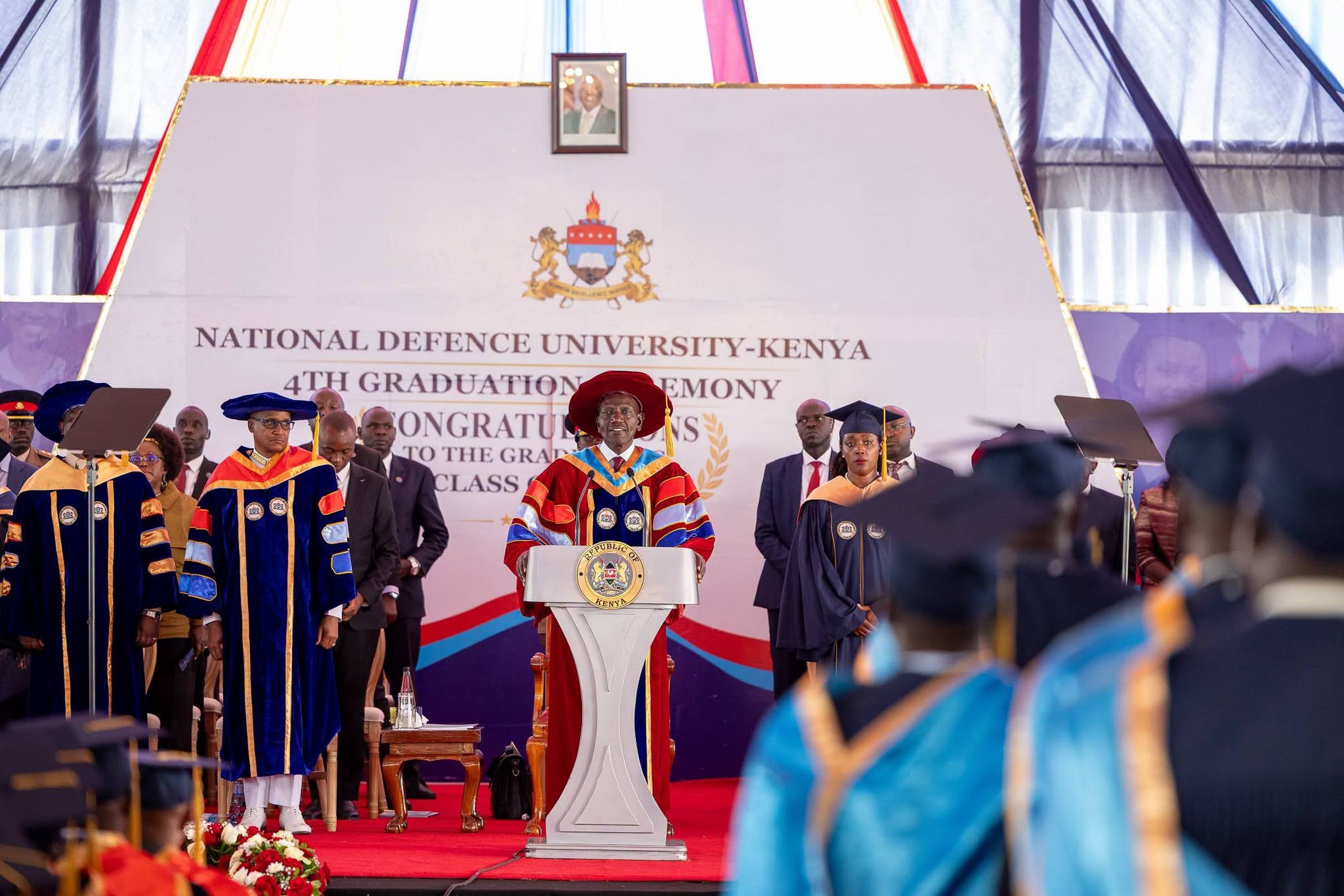
President William Ruto has called for regular reviews of academic programmes offered by universities in Kenya to ensure they remain relevant, effective and responsive to the country's changing needs. Speaking during the National Defence University-Kenya graduation ceremony in Lanet, Nakuru County, t
-
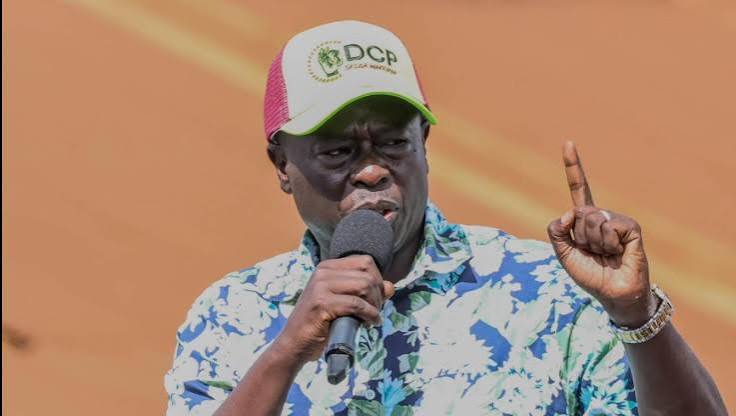
Democracy for the Citizens Party (DCP) Leader Rigathi Gachagua has warned IEBC Chairperson Erastus Ethekon against presiding over an election marred by irregularities, insisting that Kenyans are determined to have a transparent, free and fair 2027 General Election. Gachagua maintained that there wou
-
President William Ruto on Thursday, November 26, 2026, presided over the fourth graduation ceremony at the National Defence University-Kenya in Lanet, Nakuru County, where he announced major initiatives aimed at strengthening national security, research and higher education. The President committed
-
The National Transport and Safety Authority (NTSA) has announced plans to suspend approximately 300,000 driving licences within seven days over unpaid traffic fines, giving affected motorists a limited period to clear their outstanding penalties and avoid losing their driving privileges. The planned
-
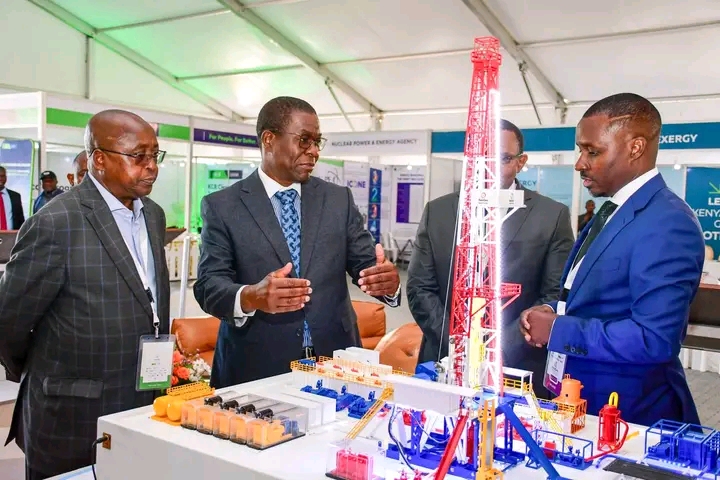
Energy and Petroleum Cabinet Secretary Opiyo Wandayi's appearance at the KenGen Sustainable Energy Conference in Olkaria on November 26, 2026, has highlighted the government's ambition to expand Kenya's energy industry. His announcement that KenGen could participate in oil drilling in the South Loki