



Kindiki Issues Fresh Warning as Government Orders New Inspection of Alcohol Plants Across Kenya
Deputy President Kithure Kindiki's announcement in Kiambu on October 2, 2026, signals a renewed phase in the government's campaign against illicit and harmful alcoholic drinks. The fresh inspections will target alcohol manufacturing premises to determine whether they comply with health, safety, quality and other regulatory requirements. The government has indicated that manufacturers found producing harmful products could face closure, while enforcement efforts will also extend to distributors, transporters and sellers. The inspection programme is being accompanied by proposals to strengthen alcohol regulation, increase enforcement resources and expand rehabilitation services for people affected by alcohol and drug addiction. For Kiambu and other counties facing concerns over illicit alcohol, the coming inspections are expected to provide authorities with an updated picture of compliance and identify facilities that may require further regulatory or enforcement action.
Deputy President Kithure Kindiki has announced a fresh inspection of alcohol manufacturing plants as the government steps up its campaign against illicit, counterfeit and potentially harmful alcoholic drinks. Speaking on Friday, October 2, 2026, in Limuru, Kiambu County, Kindiki warned manufacturers and traders who produce or distribute harmful alcoholic products that the government would take firm action against them.
Kindiki's announcement comes only days after he directed security, regulatory and enforcement agencies to re-inspect alcohol manufacturing premises across the country. The exercise is intended to establish whether manufacturers that are currently operating continue to meet the required health, safety and quality standards. The directive is part of a wider government effort to address the production and distribution of illicit alcohol and protect consumers from products that may pose serious health risks.
Kindiki's warning to alcohol manufacturers
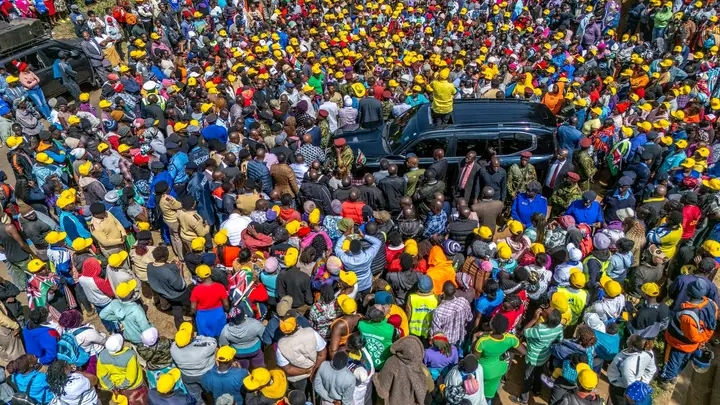
Speaking during an event in Limuru where he flagged off milk coolers for dairy cooperatives, Kindiki delivered a strong warning to people involved in the manufacture and sale of harmful alcoholic drinks.
He said the government would inspect alcohol manufacturing premises to establish whether they comply with the required quality and public health standards before their products are allowed into the market. He also warned individuals who manufacture alcoholic drinks outside the law, including those suspected of mixing chemicals into drinks intended for human consumption.
Kindiki said the government would not allow people to put the lives of Kenyans at risk by selling dangerous products under the name of alcohol. He further warned that authorities would pursue those involved in the production, transportation and sale of harmful alcoholic beverages.
The Deputy President's remarks are significant because the new inspection exercise is expected to go beyond ordinary retail outlets and focus on the source of alcoholic products. The government wants to establish whether manufacturing facilities are operating legally and whether the products coming out of those facilities meet the standards required by regulators.
Fresh inspection to cover manufacturers
The fresh inspection directive was initially issued on September 29 after Kindiki held a high-level meeting with Interior Cabinet Secretary Kipchumba Murkomen, Inspector General of Police Douglas Kanja and heads of regulatory and enforcement agencies.
The meeting reviewed measures already taken against illicit alcohol and considered additional steps to strengthen enforcement. Kindiki directed relevant agencies to re-inspect alcohol manufacturers and determine their current level of compliance with applicable standards and regulations.
This means that manufacturers that may previously have obtained licences or passed earlier inspections will also face scrutiny under the new exercise. The Star reported that Kindiki had said even licensed manufacturers would be vetted afresh to determine whether their products continue to satisfy health and quality requirements.
The inspections are therefore expected to examine more than licensing documents. Authorities are seeking to establish whether manufacturers are following the conditions attached to their operations and whether the alcoholic drinks they produce are safe for consumers.
Government targeting harmful alcohol
The renewed crackdown comes amid concerns about illicit and counterfeit alcohol in different parts of Kenya. Government agencies have increasingly focused on products suspected of containing harmful substances, as well as unlicensed manufacturing facilities and distribution networks.
Kindiki has linked the campaign to the protection of public health, particularly among young people. He has argued that the country cannot afford to have a generation affected by alcohol and drug abuse.
The government is also targeting the wider supply chain. According to reports on the Deputy President's September directive, authorities intend to deal with manufacturers, distributors, transporters and retailers involved in the movement of harmful alcoholic products.
This approach means that enforcement is not expected to stop at bars and shops where consumers purchase alcohol. Investigators are also expected to trace products back to the facilities where they are manufactured and the networks responsible for distributing them.
Kiambu receives renewed attention
Kiambu has become one of the counties where the government has intensified efforts against illicit alcohol. Authorities have recently carried out operations targeting suspected illegal alcoholic drinks and unlicensed establishments.
The fresh inspection announcement by Kindiki therefore places renewed attention on manufacturers operating within Kiambu and other parts of the country.
During his Limuru visit, Kindiki said the government was responding to concerns raised by residents and elders over the effects of harmful alcohol. He said the government would not allow businesses to put people's lives at risk through the production and sale of poisonous or unsafe drinks.
His remarks also come against the background of concerns about alcohol-related deaths and health problems reported in parts of the Mount Kenya region. Kindiki said the government had a responsibility to prevent further loss of life associated with dangerous alcoholic products.
Previous alcohol inspections
The latest exercise follows earlier government efforts to vet alcohol manufacturers.
According to The Star, Kenya conducted a major vetting exercise in March 2024 after licences, permits and authorisations for second-generation alcohol manufacturers and distillers were suspended. The exercise examined issues including security, safety, health, labour and environmental compliance.
The previous exercise initially involved 29 active manufacturers and distillers. The report said only two were found fully compliant at the initial stage, while a subsequent re-vetting process allowed additional manufacturers to resume operations. By July 2024, 15 manufacturers had reportedly been permitted to operate following the processes. �
The new inspections are intended to establish the current situation rather than simply relying on previous approvals. This is important because compliance can change over time, and regulators want to establish whether manufacturers are still meeting the conditions under which they were allowed to operate.
Stronger coordination between government agencies
The crackdown involves several government agencies rather than a single institution. The Interior Ministry and security agencies are expected to work together with regulatory bodies responsible for standards, taxation, counterfeit products and alcohol control.
Kindiki's September meeting brought together senior officials from the Interior Ministry, the National Police Service and regulatory and enforcement agencies. The government says intelligence-led operations have already helped disrupt illegal manufacturing establishments and supply networks.
The administration has also indicated that additional resources and equipment will be provided to enforcement agencies to strengthen their ability to identify and shut down illegal operations.
Rehabilitation also part of the government's response
The government's strategy is not limited to arrests and inspections. Kindiki has also announced plans to expand rehabilitation services for people affected by alcohol and drug addiction.
The government has proposed establishing at least one public rehabilitation centre in every county within the next year through cooperation between the national and county governments. The estimated cost reported for each facility is about KSh60 million. �
Kindiki has also directed Interior CS Kipchumba Murkomen to convene a forum with the relevant Council of Governors committee to discuss alcohol licensing, regulation and consumption, as well as the framework for rehabilitation centres.
A Special Intergovernmental Budget and Economic Council meeting is also planned to discuss the economic and social consequences of alcohol and drug abuse.
What the fresh inspections could mean
The inspections could result in different outcomes for alcohol manufacturers depending on what regulators find.
Manufacturers that meet the required health, safety and quality standards are expected to continue operating, while those found to be violating regulations could face enforcement action. Kindiki has specifically warned that businesses producing harmful alcoholic drinks could be shut down.
The exercise could also provide authorities with updated information about the alcohol manufacturing sector, including which facilities are operating legally, whether manufacturers are complying with licence conditions and whether products entering the market meet required standards.
For consumers, the government says the main objective is to prevent unsafe products from reaching the market.
Kindiki's broader message in Kiambu
Although the alcohol crackdown was one of the major issues raised by Kindiki, his visit to Kiambu also focused heavily on agriculture and development.
He flagged off nine milk coolers for dairy cooperative societies in the county. The equipment is intended to reduce milk spoilage and help farmers preserve more of their produce before it reaches processors and markets.
Kindiki also spoke about development projects in Kiambu and the wider region, including roads and other infrastructure. The Star reported that he said he would continue visiting different parts of Kiambu to launch and oversee government projects.
However, his warning on alcohol was particularly notable because it comes as the government attempts to intensify enforcement against illicit brews nationally.

You Might Also Like
-
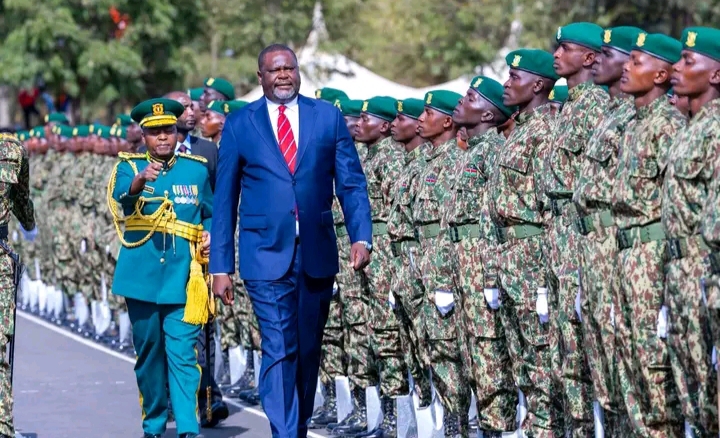
Public Service Cabinet Secretary Geoffrey Ruku represented President William Ruto at the NYS passing-out parade at the Paramilitary Academy in Gilgil on October 2, 2026, where 15,363 recruits from the 01/2026 cohort graduated after six months of intensive training. The class included 11,527 men, 3,8
-
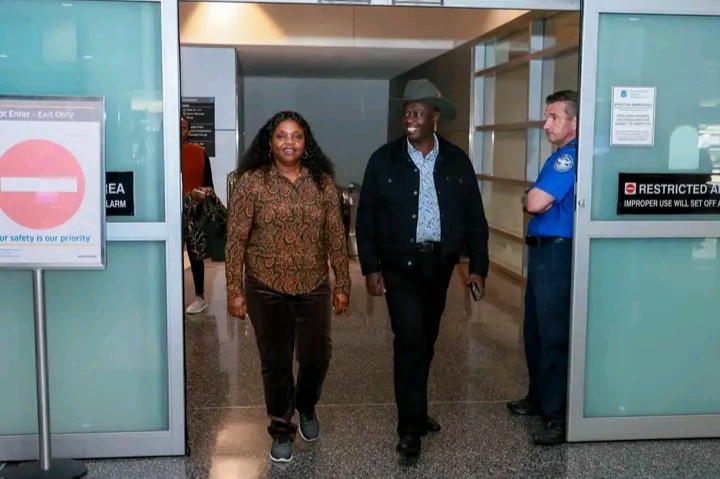
Rigathi Gachagua has arrived in Boston, Massachusetts, as he enters the final phase of his extensive United States tour, where he is engaging Kenyans in the diaspora on matters of national development, investment, leadership and Kenya’s political future. Accompanied by his wife, Pastor Dorcas Riga
-
Kenya has begun preparations to host the 2029 World Athletics Championships, with World Athletics official Pierce O’Callaghan inspecting Kasarani, Nyayo and Ulinzi Sports Complex to guide infrastructure upgrades ahead of the global event.
-
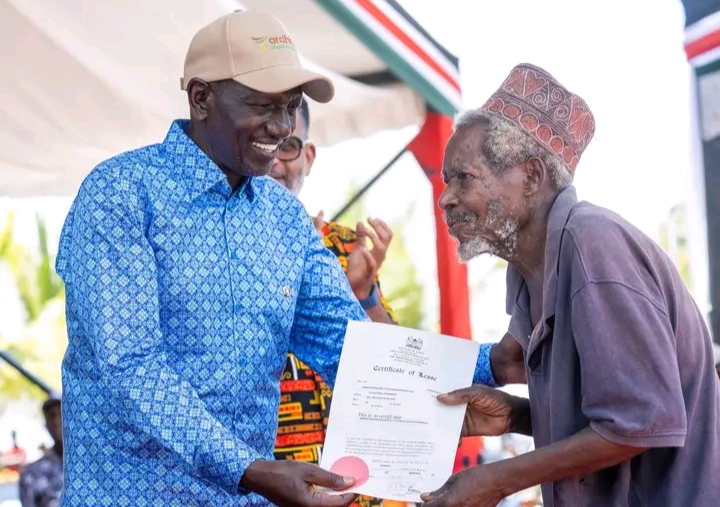
President William Ruto on October 2, 2026, presided over the issuance of about 5,000 title deeds to residents of Mombasa County at the Mama Ngina Drive Grounds, as part of a wider government programme aimed at resolving longstanding land ownership and squatter problems at the Coast. The Mombasa issu
-
Nairobi Governor Johnson Sakaja has given contractors 14 days to complete flood-control projects, as the county steps up efforts to improve drainage and tackle flooding across the city.
-
Counter-protests erupted outside Standard Group headquarters after pro-government supporters demonstrated over the media house’s coverage of President Ruto’s administration, drawing a response from human rights activists.