



Kindiki Lands in Lamu as Kenya Readies for Historic Dangote Oil Refinery Groundbreaking
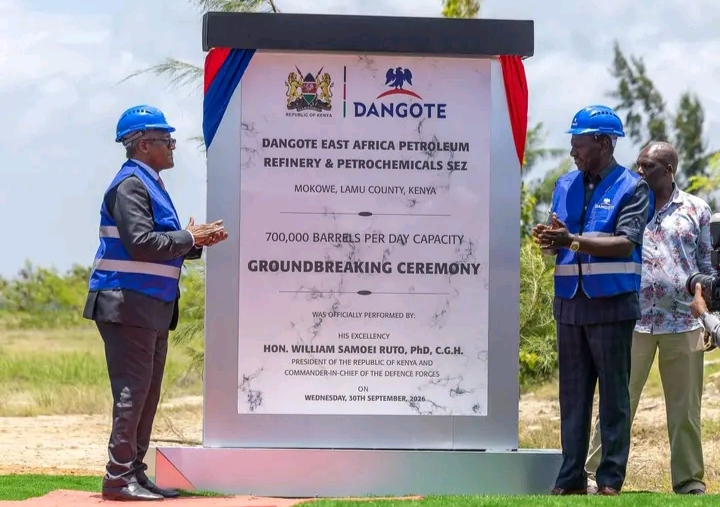
Deputy President Kithure Kindiki has arrived in Lamu ahead of the groundbreaking ceremony for the proposed Dangote East Africa Oil Refinery, a multibillion-dollar project expected to transform Kenya’s energy and industrial sector. Kindiki’s arrival at Manda Airport comes as preparations intensify for the ceremony, which President William Ruto is expected to preside over. Heavy construction machinery has already arrived at Lamu Port, adding to expectations surrounding the project. The proposed refinery is expected to have a processing capacity of about 700,000 barrels of crude oil per day and could create employment opportunities while supporting petroleum supply, logistics, manufacturing and trade across Kenya and the wider East African region.
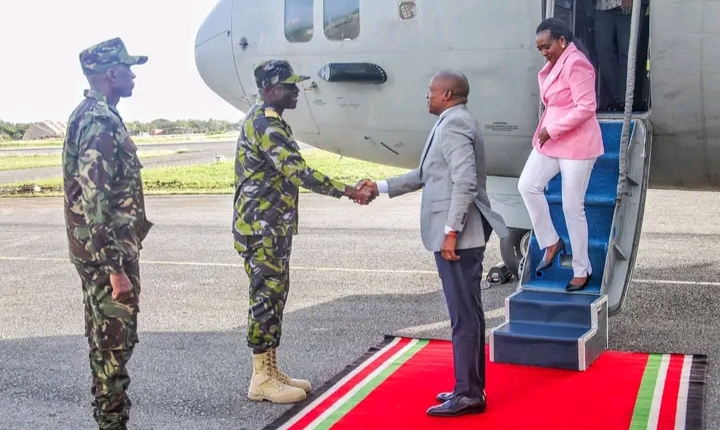
Deputy President Kithure Kindiki has arrived in Lamu ahead of the highly anticipated groundbreaking ceremony for the proposed Dangote East Africa Oil Refinery, with President William Ruto expected to lead the event on Wednesday, September 30, 2026. Kindiki travelled from Nairobi to Manda Airport in Lamu County as final preparations continued for a project that the government says could significantly reshape Kenya’s energy, industrial and economic landscape.
Kindiki’s arrival comes at a time when Lamu has been transformed into the centre of national attention, with senior government officials, investors, business leaders, regional representatives and other invited guests expected to attend the groundbreaking ceremony. The Deputy President has been closely involved in preparations for the event, including meetings on protocol, security and logistics.
Kindiki heads to Lamu
Kindiki departed Nairobi early Wednesday morning and travelled to Manda Airport, where preparations were already underway for the major ceremony. According to reports, his trip was specifically linked to the planned groundbreaking of the East Africa Refinery. President Ruto is expected to lead the official groundbreaking later in the day.
His arrival demonstrates the importance the national government has attached to the project and the ceremony. Kindiki had earlier chaired final preparations for the event, saying the government was working to ensure that protocol, security and logistics were ready for the expected high-level gathering.
The event is expected to bring together prominent Kenyan leaders, representatives from the private sector and invited heads of state and government. Local communities and leaders from Lamu and the wider Coast region are also expected to follow the proceedings closely.
A major project for Lamu
The proposed refinery is being developed as a major energy and petrochemical project in Lamu. Current reports put the estimated investment at between $15 billion and $17 billion, equivalent to roughly Sh2 trillion or more, depending on the valuation being used. The planned facility is expected to have a crude-processing capacity of approximately 700,000 barrels per day.
If completed at the planned capacity, the refinery would become one of the largest petroleum-processing facilities in Africa and would be significantly larger than many existing refineries on the continent.
The project is planned for the Lamu Special Economic Zone and is expected to take advantage of the county's deep-water port and its strategic position along the LAPSSET corridor. Engineers India Limited has already secured a contract valued at more than $450 million to provide project management and engineering, procurement and construction management services for the proposed refinery.
Heavy machinery already arrives in Lamu
The arrival of Kindiki comes just days after a major shipment of construction machinery reached Lamu Port.
Approximately 2,930 metric tonnes of heavy construction machinery and materials arrived at the Port of Lamu aboard the vessel MV Da Yang. The arrival on September 26 was described as an important milestone ahead of the groundbreaking ceremony.
The equipment provides a physical indication that preparations for the project are moving beyond announcements and into mobilisation activities.
The Kenya Ports Authority received the vessel at Lamu, with its managing director, Captain William Ruto, presenting the ship's master with a certificate and commemorative plaque marking the vessel's first call at the port.
The movement of heavy equipment through Lamu Port also highlights the strategic role that the port could play if the refinery and related industrial projects proceed as planned.
Kindiki's expectations for the refinery
Kindiki has previously linked the refinery to employment, industrialisation and Kenya's energy security.
During preparations for the groundbreaking, the Deputy President said the project could help reduce pressure on Kenya's foreign-exchange reserves by reducing the country's dependence on imported petroleum products. He also said the project could create employment opportunities, with government estimates pointing to tens of thousands of jobs associated with the development.
For Lamu residents, the anticipated benefits extend beyond direct employment at the refinery. The project could generate demand for accommodation, transport, construction services, food supplies, security, logistics and other businesses.
The wider Coast region could also benefit if the refinery stimulates additional investment around Lamu Port and the LAPSSET corridor.
Lamu's emerging role as an energy hub
The refinery is being presented by the government and project promoters as part of a wider ambition to turn Lamu into a regional energy and industrial centre.
Lamu already hosts the country's deep-water port, which is a central component of the LAPSSET corridor. A large refinery located close to the port could create opportunities for importing crude oil and other industrial inputs while exporting refined petroleum products to markets in Kenya and neighbouring countries.
The project is therefore not only about producing fuel. It is also connected to the government's broader plans for industrial development, logistics and regional trade.
Deputy President Kindiki previously described the refinery as a project that could position Kenya and East Africa as a petrochemical industrial hub and a competitive energy logistics centre.
Regional significance
The proposed refinery is expected to have implications beyond Kenya's borders.
East African countries rely heavily on imported petroleum products, making fuel supply, transportation costs and foreign exchange important economic issues across the region. A large refinery in Lamu could potentially supply refined petroleum products to Kenya and other regional markets.
Reports indicate that the project is expected to serve a wider East African market, while discussions surrounding the investment have involved regional and international stakeholders.
The planned capacity of 700,000 barrels per day would give the facility a substantial role in the regional petroleum market if the project is eventually completed at the proposed scale.
Challenges surrounding the project
Despite the excitement surrounding the groundbreaking, the refinery project also faces challenges.
One major issue involves land rights and local concerns. A Kenyan court recently issued an order concerning construction activities on portions of land involved in a dispute. Dangote has nevertheless maintained that the groundbreaking ceremony would proceed, although the legal situation could affect activities at the project site.
The presence of local communities and landowners in discussions around the project remains important because the refinery is expected to occupy a large development area.
There are also broader questions concerning project financing, crude-oil supply, infrastructure and the long-term development of supporting facilities. These issues will be important as the project moves from groundbreaking to actual construction.
President Ruto expected to lead ceremony
President William Ruto is expected to preside over the groundbreaking ceremony after travelling to Lamu for the major event.
His government has repeatedly presented the refinery as an important component of Kenya's industrialisation and energy-security agenda. Ruto recently visited the existing Dangote refinery in Lagos, Nigeria, where he toured the facility ahead of the planned Lamu groundbreaking.
The Lagos visit provided the Kenyan president with an opportunity to observe the operations of Dangote's existing refinery, which has a reported capacity of about 650,000 barrels per day.
The planned Lamu refinery is projected to have an even larger capacity.
What Kindiki's arrival means
Kindiki's arrival in Lamu marks another important stage in preparations for the groundbreaking. His presence also reflects the government's effort to coordinate the event at the highest level.
With heavy machinery already at Lamu Port and senior government officials arriving, attention is now focused on the groundbreaking ceremony and the next stage of the project.
For Lamu residents, the event carries expectations of jobs, investment and infrastructure development. For the national government, it represents an opportunity to expand Kenya's industrial base and strengthen the country's position in the regional energy market.
For Dangote Group, the project represents a major expansion of its petroleum and petrochemical business beyond Nigeria.
The September 30 ceremony will therefore be closely watched both in Kenya and across Africa. While a groundbreaking does not by itself mean the entire refinery has been completed or that all project challenges have been resolved, it represents a significant formal milestone in the development process.
As Kindiki settles in Lamu ahead of the ceremony, the county is preparing to host one of the most closely watched industrial events in Kenya this year. The arrival of government leaders, investors and other stakeholders, combined with the movement of heavy machinery through Lamu Port, has given the project a strong physical presence on the ground.
The focus will now shift from the ceremony to the actual construction, financing, infrastructure, land issues and eventual operation of the proposed refinery. If the project proceeds according to its plans, Lamu could become an important petroleum-processing and logistics centre for Kenya and the wider East African region.

You Might Also Like
-
President William Ruto says Kenya will take a stake in the proposed Dangote East Africa Refinery and contribute its assets to the project, stressing that the country will invest and not expect anything for free.
-
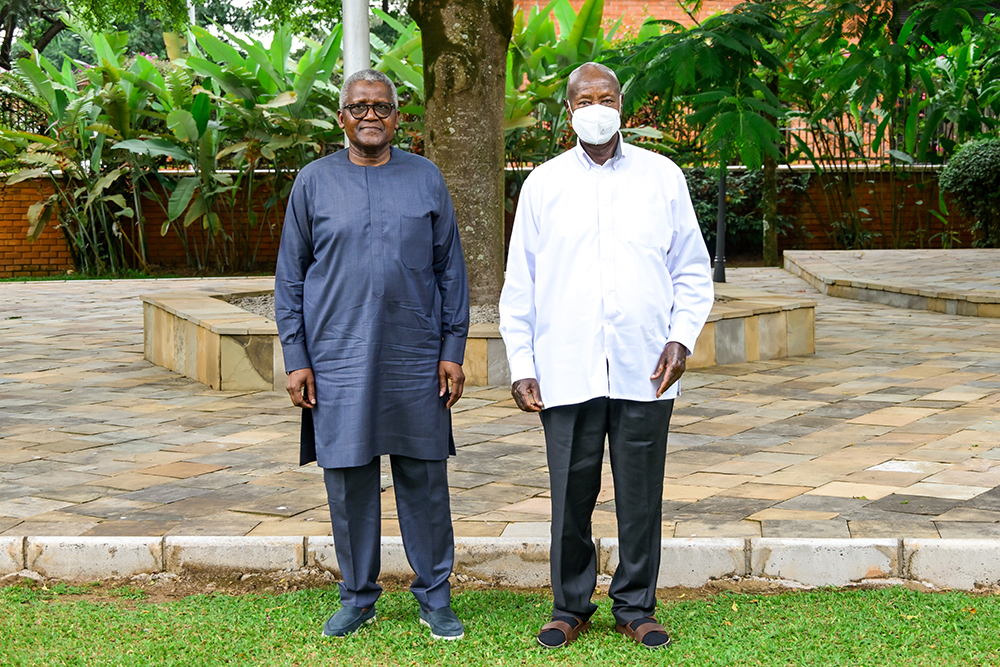
Ugandan President Yoweri Museveni has praised Aliko Dangote as an African investor committed to developing the continent, while criticising leaders he says prioritise foreign interests over African development.
-
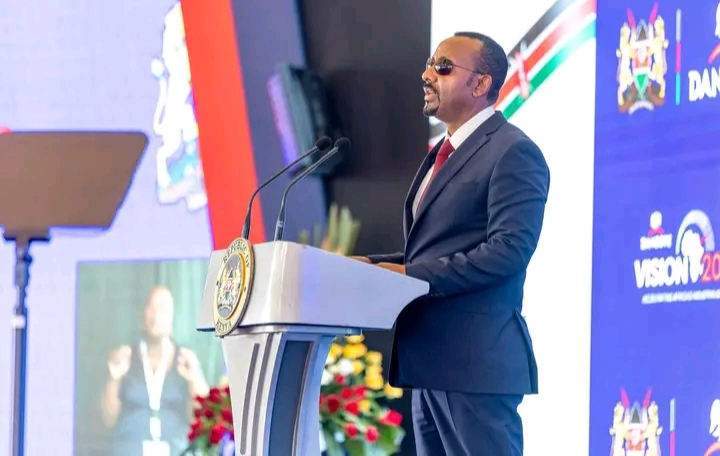
Prime Minister Abiy Ahmed's message during the Dangote East Africa Petroleum Refinery groundbreaking was centred on energy security, Ethiopia's access to additional fuel supplies, regional trade, industrialisation, investment and opportunities for young Africans. He described the Lamu refinery as a
-
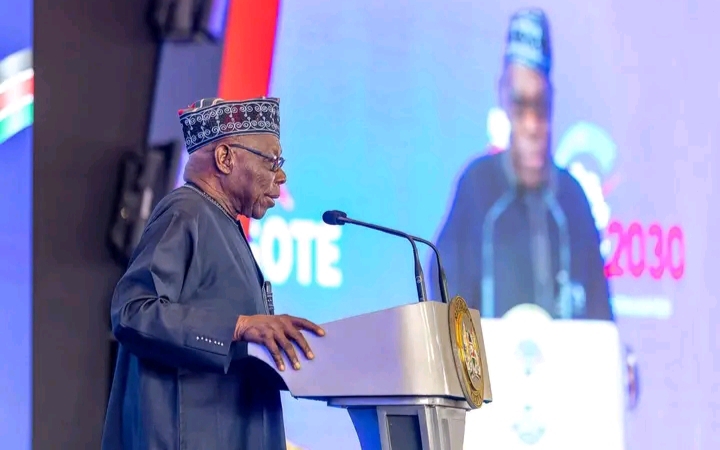
Former Nigerian President Olusegun Obasanjo's attendance at the September 30, 2026 groundbreaking of the Dangote East Africa Petroleum Refinery in Lamu added historical and continental significance to the ceremony. His presence alongside President William Ruto, Aliko Dangote and other African leader
-
President William Ruto's September 30, 2026 groundbreaking ceremony with Aliko Dangote marks a major new chapter in Kenya's energy and industrial development. The proposed Sh2.2 trillion, 700,000-barrel-per-day Dangote East Africa Petroleum Refinery is expected to supply petroleum products to Kenya
-
The EPRA report released on September 29 provides a broad assessment of Kenya's energy and petroleum sectors for the year ended June 30, 2026. Its findings show record electricity demand, increased generation, continued dominance of renewable energy, rising household electricity consumption, higher