



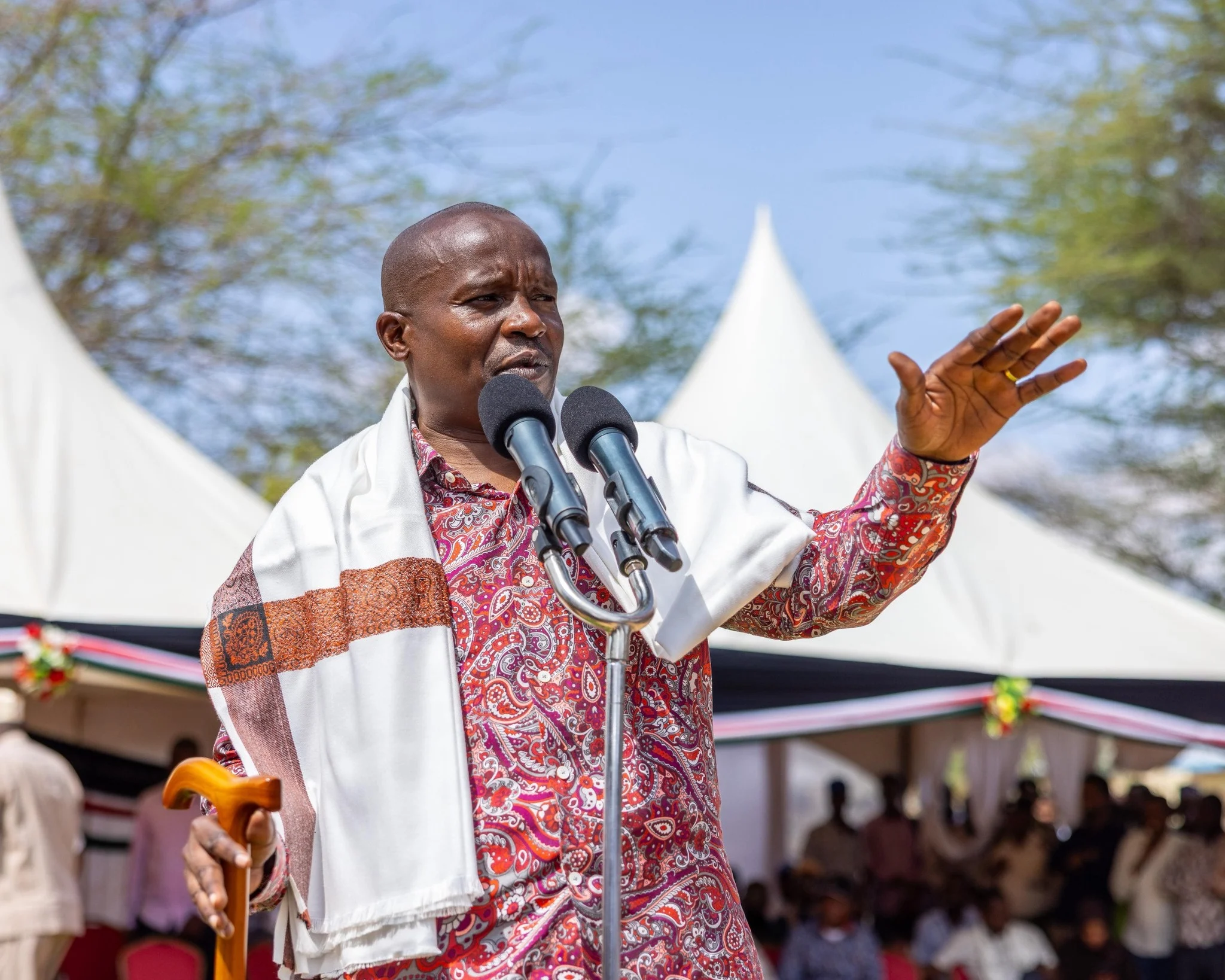
Kindiki Says He Will Focus on Government Mission and Ignore Critics
DP Kithure Kindiki says he will ignore his critics and remain focused on his responsibilities, urging attention to the Government’s mission and service delivery.
NAIROBI: Deputy President Kithure Kindiki has said he will no longer be drawn into responding to his critics, maintaining that his attention remains firmly focused on the responsibilities entrusted to him and the Government's wider agenda.
Kindiki said he had chosen to concentrate on what he described as the mission ahead rather than spend time engaging in political exchanges or responding to individuals who criticise his leadership and activities.
The Deputy President said his focus would remain on delivering his responsibilities and working with the Government to advance its programmes across the country.
His remarks come amid increased political debate surrounding the Government, its leadership and the direction of politics ahead of the 2027 General Election.
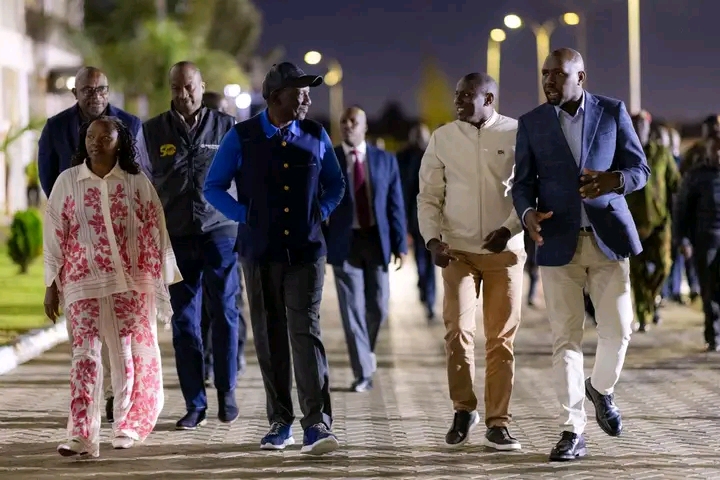
Kindiki has increasingly featured in political discussions, particularly following his recent engagements with leaders and elders from the Mount Kenya region. His position as Deputy President has also placed him at the centre of conversations about regional leadership, national politics and the Government's development agenda.
However, in his latest remarks, Kindiki indicated that he would not allow criticism to distract him from his responsibilities.
He said he would keep his "eyes on the ball" and his "hands on deck," signalling his intention to remain focused on the work ahead.
The statement suggests a deliberate shift away from political exchanges and toward the implementation of Government programmes.
Kindiki has previously emphasised the importance of unity, peaceful coexistence and development, particularly in his engagements with community leaders and elders.
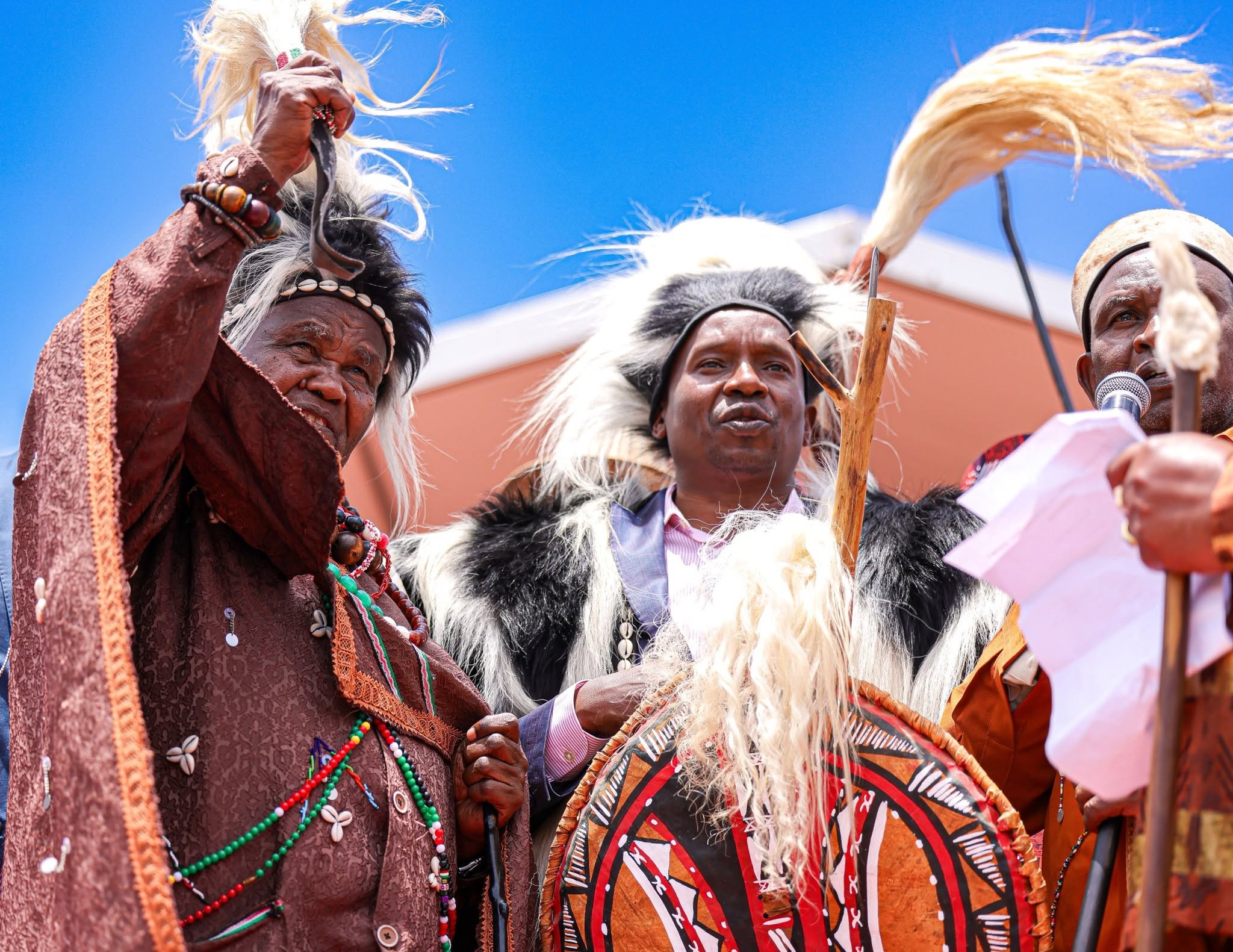
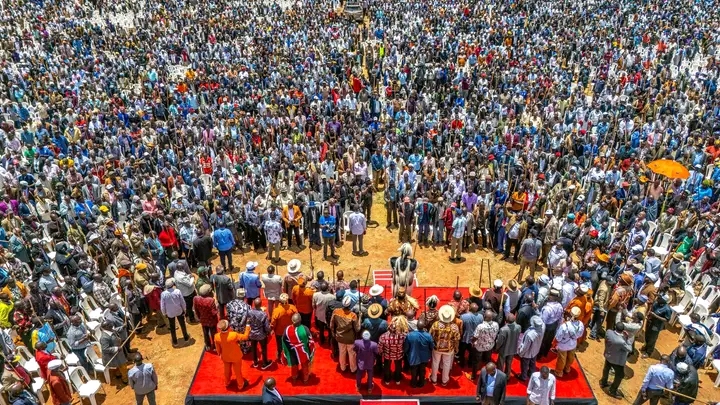
His latest comments come shortly after a major gathering in Kirigiti, Kiambu County, where thousands of elders from the Gikuyu, Embu, Mbeere and Ameru communities met to discuss issues affecting their communities and the country.
During the gathering, elders called for peace, reconciliation, patriotism and national unity. They also discussed the role of traditional leadership in guiding communities and promoting positive cultural values.
Kindiki has been involved in such engagements as the Government continues to seek closer interaction with communities and local leadership across the country.
The Deputy President has maintained that national unity is important for Kenya's development and has repeatedly called on leaders to avoid divisions that could affect the country's social and economic progress.
His decision to avoid responding to critics comes at a time when political exchanges between leaders have become increasingly prominent.
Different political figures have continued to express contrasting views on the Government's performance, leadership and policies. These debates have also extended to the question of regional representation and the role of various leaders in shaping Kenya's political future.
Kindiki, however, appears to be signalling that he intends to keep his attention on Government business rather than engage in every political dispute.
By saying that he will no longer answer his critics, the Deputy President is positioning his public message around work, responsibility and delivery.
His "eyes on the ball" expression points to a desire to maintain attention on specific objectives rather than become distracted by political commentary.
The phrase "hands on deck" similarly conveys an emphasis on active participation and commitment to the tasks at hand.
For the Government, the coming period is expected to remain focused on implementing various development programmes and addressing issues affecting ordinary Kenyans.
These include infrastructure development, healthcare, education, housing, agriculture, youth empowerment and economic opportunities.
Kindiki has often used his public engagements to communicate Government programmes and encourage citizens to support initiatives intended to improve livelihoods.
The Deputy President has also been involved in meetings with community leaders, religious leaders, professionals and other stakeholders as part of efforts to maintain dialogue between the Government and different sections of society.
His latest statement therefore comes against a broader political environment in which leaders are increasingly positioning themselves ahead of the next General Election.
While political competition is expected to intensify, Kindiki's remarks indicate that he intends to prioritise his current constitutional responsibilities.
The Deputy President is constitutionally mandated to assist the President in the execution of the functions of the President and to perform other duties assigned by the President.
His role places him at the centre of Government operations and gives him responsibility to represent the administration in various national and regional engagements.
Kindiki has previously said that leaders should concentrate on serving Kenyans rather than engaging in unnecessary political confrontations.
The latest remarks reinforce that message, with the Deputy President indicating that he will not spend his time answering every criticism directed at him.
Instead, he says he will concentrate on the broader mission and continue working.
Political analysts and observers have continued to watch Kindiki's public engagements closely because of his position in the national leadership and his growing visibility in regional and national political affairs.
His recent meetings with elders have particularly attracted attention, with different political actors offering varying interpretations of the significance of those engagements.
Kindiki has, however, continued to emphasise unity and development.
At the Kirigiti gathering, elders from the Gikuyu, Embu, Mbeere and Ameru communities pledged to promote peace, reconciliation, patriotism and positive cultural values.
The meeting also highlighted the traditional role of elders in guiding communities, resolving disputes and encouraging peaceful coexistence.
Kindiki told the elders that political differences should not be allowed to destroy relationships within communities.
He has also encouraged leaders to focus on issues affecting ordinary citizens instead of allowing political disagreements to dominate public discussions.
His latest decision not to respond to critics can therefore be viewed within that broader message of concentrating on service and responsibility.
The Deputy President's remarks also come at a time when political leaders are increasingly using public rallies, community meetings and social media to communicate their positions.
Such platforms have created a highly active political environment in which leaders frequently respond to criticism from opponents and commentators.
Kindiki's statement indicates that he does not intend to participate in every such exchange.
Instead, he says he will remain focused on the work of Government.
For his supporters, the message may be interpreted as a call for greater concentration on development and service delivery. For his critics, the statement may invite further debate about the issues surrounding his leadership and political approach.
However, Kindiki's own stated position is that his priority is the mission and the responsibilities attached to his office.
The Deputy President's message also places emphasis on discipline and consistency.
By refusing to engage in every political argument, he says he can dedicate more attention to the tasks that require his involvement.
Government officials frequently face criticism over policy decisions, development projects and political positions. Responding to every criticism can consume considerable public attention, while ignoring criticism can also generate questions about accountability.
Kindiki's latest position is that he will remain focused on his responsibilities despite the criticism directed at him.
The Deputy President's "eyes on the ball" message is therefore likely to remain a key theme in his public engagements as political activity increases.
He has indicated that his priority is to continue working, supporting the Government's agenda and fulfilling the responsibilities assigned to him.
As Kenya moves closer to the 2027 General Election, political debate is expected to become more intense, with leaders across the political divide seeking to communicate their positions and mobilise supporters.
Kindiki's decision to concentrate on Government duties rather than respond to his critics marks his stated approach to navigating that environment.
The Deputy President says his focus will remain on the mission, with his attention directed toward the work ahead and his responsibilities to the country.
For now, Kindiki's message is straightforward: rather than engage in every political exchange, he intends to keep his "eyes on the ball" and his "hands on deck."
He says the priority is to continue working, remain committed to his responsibilities and focus on the Government's agenda.
As political conversations continue to dominate the national scene, the Deputy President's approach will place greater emphasis on his record of activities, Government programmes and his public engagements rather than his responses to individual critics.
The coming months will provide a broader picture of how this approach shapes his public communication and political engagements as Kenya continues its journey toward the 2027 General Election.

You Might Also Like
-
TRAGEDY IN BOMET: A first-year Bomet University student has tragically drowned at Mashinani Dam while reportedly fetching water. Her body was later retrieved as authorities investigate the incident.
-
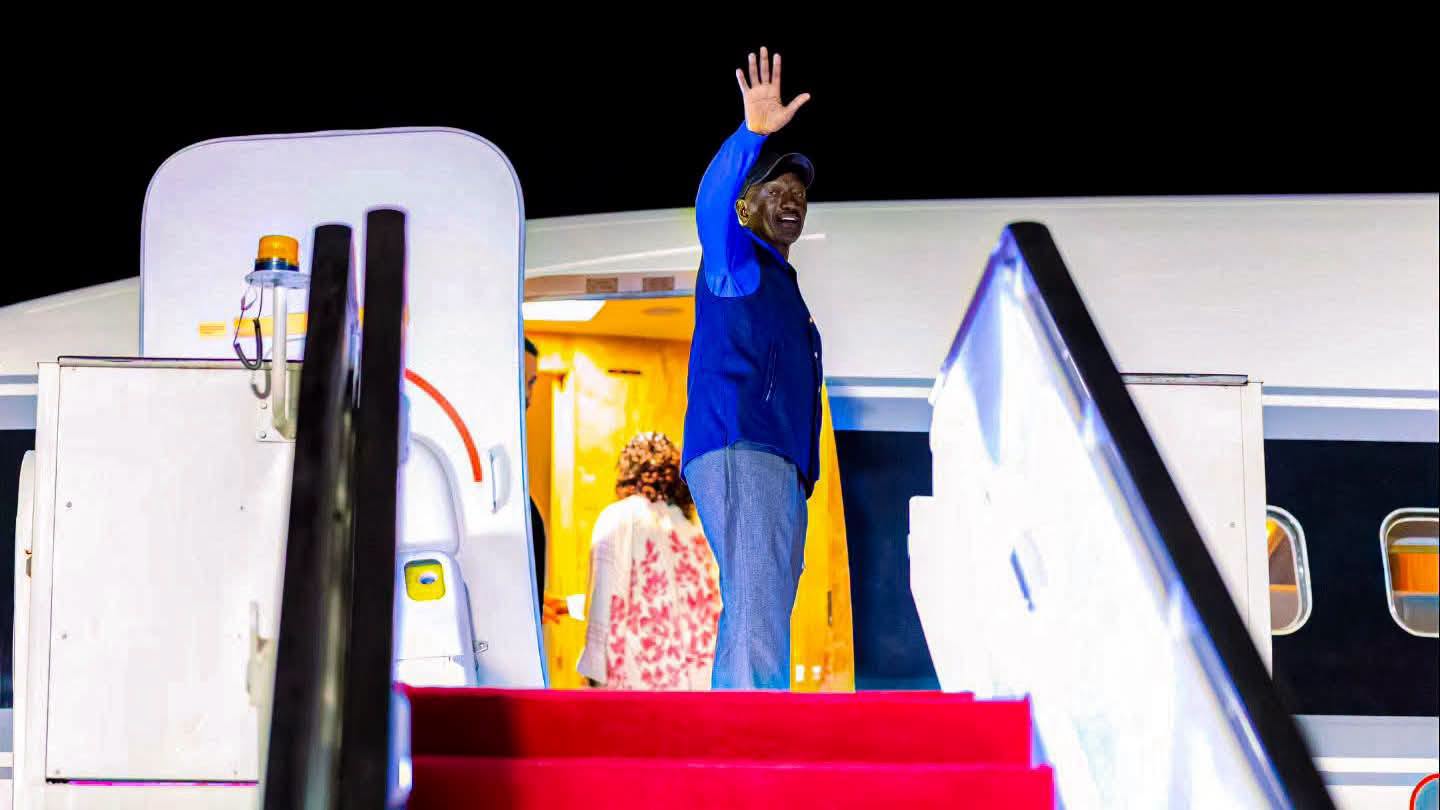
President William Ruto has departed for New York to attend the 81st UN General Assembly, where he is expected to engage world leaders and advance Kenya’s diplomatic, economic and development interests.
-
President William Ruto's departure for New York is centered on Kenya's participation in the 81st United Nations General Assembly and a wider programme of diplomatic and economic engagements. His agenda includes attracting investment, promoting an Africa-financing-Africa approach, advancing artificia
-
KIRIGITI, KIAMBU: More than 30,000 Gikuyu, Embu, Mbeere and Ameru elders gathered at Kirigiti Stadium, calling for unity, peace, reconciliation and patriotism while pledging to support national development.
-
The UDA grassroots meeting in Sosiot, Belgut Constituency, Kericho County, on September 19, 2026, ended prematurely after a disagreement between sections of party delegates and officials. The immediate issues reported included demands for sitting and travelling allowances, concerns over the distribu
-
The September 19, 2026 Kirigiti gathering marked a notable development in Mount Kenya's political landscape, with representatives of several regional elders' organisations formally endorsing Deputy President Kithure Kindiki as their spokesperson and representative. The elders presented the decision