




Kindiki Sounds El Niño Alert: Kenyans Told to Prepare Early as Heavy Rains Loom
Deputy President Kithure Kindiki's latest El Niño preparedness message centres on early action and protection of lives. He has urged Kenyans to remain calm but take weather warnings seriously, particularly in areas exposed to floods, landslides and mudslides. The government says it is coordinating national and county governments, security agencies, humanitarian organisations and development partners to strengthen preparedness. Residents in high-risk areas are being asked to obey evacuation orders, while authorities are mapping vulnerable locations and identifying safer areas. Nairobi and other urban centres are receiving special attention because heavy rainfall can quickly cause flash floods. At the same time, farmers are being encouraged to use the expected rains productively while taking precautions against flooding, crop losses and livestock diseases. As Kenya moves towards the October–December rainfall period, the effectiveness of these preparations will depend not only on government measures but also on how quickly communities respond to official warnings. The latest message from Kindiki is therefore clear: early preparation, cooperation with authorities and respect for safety instructions are central to reducing the impact of the anticipated heavy rains
Deputy President Kithure Kindiki has continued to lead the government’s preparations for the anticipated El Niño rains, with his latest messages focusing on early action, public safety, evacuation procedures and coordination between national and county governments. The government expects the October–December 2026 rainfall season to bring above-normal rainfall in many parts of Kenya, increasing the risks of flooding, landslides, mudslides, damage to roads and bridges, disruption of transport, and displacement of households.
Kindiki urges Kenyans not to panic
Kindiki has urged Kenyans to remain calm but take the weather warnings seriously. His position is that the forecast should be treated as a reason to prepare early rather than wait until disasters occur.
Speaking after consultations with senior government officials and agencies involved in disaster management, Kindiki said the government had activated measures intended to minimise loss of life and destruction of property. He also stressed that preparedness requires cooperation between government institutions, counties, development partners, humanitarian organisations and communities.
The Deputy President has particularly emphasised the importance of following official instructions. This includes respecting restrictions on movement in flooded areas, avoiding rivers and other dangerous locations during heavy rainfall, and complying with evacuation orders where authorities determine that residents are at risk.
Kindiki described the issue as one requiring national attention and said security agencies and administrators, including village elders, had been directed to help enforce safety instructions issued by disaster-management and security authorities.
Evacuation of people in high-risk areas
One of the major issues raised by Kindiki is the protection of people living in areas vulnerable to floods, landslides and mudslides.
During his visit to Murang’a on September 23, 2026, Kindiki called on residents living in high-risk areas to heed climate advisories and move to safer locations where necessary. He assured affected residents that the government would provide temporary shelter to people who need to leave dangerous areas while the rains continue.
This message is particularly important for communities living on steep slopes, near rivers, in low-lying areas and in locations that have previously experienced landslides or flash floods.
The government's approach is aimed at preventing people from remaining in dangerous locations simply because they fear losing their homes or land. Kindiki has assured residents that temporary evacuation is intended as a safety measure and that people should cooperate with authorities when evacuation becomes necessary.
Government mapping disaster-prone areas
Another important part of the preparedness strategy is identifying areas that could be affected before serious rainfall begins.
Kindiki has said that vulnerable locations have been mapped, including areas exposed to landslides and mudslides. Authorities are also paying particular attention to urban areas where heavy rainfall can quickly overwhelm drainage systems.
The mapping exercise is important because disaster response teams need to know in advance where they may be required to evacuate residents, deliver emergency supplies, rescue people or restore essential services.
All 47 counties have also been directed to map flood-prone areas, identify safer evacuation grounds and put measures in place to protect people, livelihoods and critical infrastructure.
Nairobi receives special attention
Kindiki has identified Nairobi as one of the areas requiring special attention because of its urban environment.
Heavy rainfall in Nairobi can result in rapid flooding because of the large amount of paved and built-up land, blocked drainage systems, development in vulnerable areas and the concentration of people and vehicles.
Kindiki said the government had taken note of Nairobi's unique circumstances and the need for additional measures to reduce the effects of flooding. Mombasa and Busia were also identified among counties requiring significant attention, while arid and semi-arid areas are also being considered in the preparedness plans.
The situation in Nairobi has attracted particular attention following serious flooding experienced earlier in 2026. A recent report noted that the Nairobi County Government has been implementing a KSh2.4 billion flood-mitigation programme involving drainage works, river desilting, clearance of waterways and emergency-response preparations.
Cooperation between national and county governments
Kindiki's preparedness message has also highlighted the importance of cooperation between different levels of government.
The Deputy President has said the national administration is working with county governments, development partners and humanitarian organisations to strengthen disaster response in vulnerable locations. The objective is to ensure that assistance can be delivered quickly if floods, landslides or other weather-related emergencies occur.
This coordination is significant because many disasters occur at the local level. County governments are responsible for many services that become essential during emergencies, including local roads, health facilities, drainage and community-level response.
The national government, meanwhile, can provide additional security, logistics, resources and coordination when a disaster exceeds county capacity.
Early action instead of waiting for disasters
Kindiki has repeatedly promoted an early-action approach.
On September 16, he called on development partners to consider redirecting existing humanitarian, resilience and social-protection resources towards preparations for the anticipated rains. He argued that early intervention could save lives and reduce the eventual cost of responding to disasters.
This approach means that authorities do not necessarily have to wait for floods to occur before taking action.
For example, drainage channels can be cleared before heavy rainfall, vulnerable families can be identified before evacuation becomes urgent, emergency supplies can be positioned in strategic locations, and rescue teams can be placed on standby.
Kenya News Agency reported earlier this month that the government had required counties to identify flood-prone areas, safer evacuation locations and measures for protecting critical infrastructure.
Weather forecasts and public information
Weather information is another major component of the preparedness programme.
The Kenya Meteorological Department has forecast wetter-than-normal conditions during the October–December period in many parts of Kenya. Recent government messaging has emphasised that weather forecasts should trigger early action rather than panic.
The government is also working to ensure that weather information reaches communities through different communication channels.
Earlier preparations included plans to use mainstream and vernacular radio stations, digital platforms and national government administration structures to communicate warnings at grassroots level.
This is important because not every Kenyan receives information through television or social media. Local radio, chiefs, village elders and other community structures can play an important role in communicating warnings to residents.
Protection of roads, bridges and other infrastructure
El Niño-related heavy rainfall can affect critical infrastructure.
Floodwaters can damage roads, destroy bridges, interfere with transportation and cut off communities. Landslides can also block roads and damage infrastructure in mountainous areas.
The government has therefore placed infrastructure protection among its preparedness priorities. Earlier government preparations included measures involving ministries, agencies and counties to clear drainage systems, reinforce vulnerable roads and bridges and position emergency supplies before the rains intensify.
Such measures are intended to ensure that communities remain accessible and that emergency teams can reach affected people.
Farmers are also being encouraged to prepare
Kindiki has linked the anticipated rains not only to disaster risks but also to agricultural opportunities.
During his Murang'a address on September 23, he encouraged farmers to use the expected rains to increase food production. He said the government was working to make certified seeds and farm inputs more affordable.
However, farmers also need to prepare for the possible negative effects of excessive rainfall. These include flooding of farms, soil erosion, crop diseases, livestock diseases, destruction of stored produce and difficulties transporting agricultural products.
Government agricultural officials have similarly advised farmers to prepare their land, diversify crops and use quality, climate-resilient planting materials.
Protecting livestock
The preparedness programme also has implications for livestock farmers.
Heavy rainfall can improve pasture and water availability, but excessive rainfall can create other challenges. According to government officials quoted in recent preparedness discussions, heavy rains may disrupt transport and increase the risk of livestock diseases.
Farmers therefore need to prepare shelters, protect animals from extreme weather, maintain access to veterinary services and monitor livestock health.
Emergency response and humanitarian assistance
Kindiki has also emphasised the role of humanitarian organisations and development partners.
The government is seeking a coordinated response involving national agencies, counties, humanitarian organisations and development partners. The aim is to prevent gaps where different organisations respond separately without sufficient coordination.
This is particularly important if several counties experience emergencies simultaneously.
Emergency response may involve evacuation, temporary shelter, food assistance, medical services, water and sanitation support, rescue operations and restoration of essential infrastructure.
The message to Kenyans
Kindiki's central message is that Kenyans should neither ignore the warnings nor panic because of them.
Residents are being encouraged to monitor official weather information, listen to local authorities and take precautions where they live. People living near rivers, in flood-prone settlements and in areas vulnerable to landslides need to be especially alert.
Where authorities issue evacuation orders, Kindiki has said residents should comply. He has also urged people not to attempt to cross flooded roads or rivers simply because they want to continue with normal activities.
What happens as the rains approach?
The coming weeks will be important for determining how effectively the announced preparations translate into action.
Government officials have already begun coordinating disaster-response activities, while counties are expected to continue identifying vulnerable locations and preparing evacuation arrangements. The Kenya Meteorological Department and other agencies will also continue providing updated forecasts as the rainfall season develops.
The latest government messaging therefore places emphasis on preparedness, early warning, evacuation, coordination and public compliance.
For Kindiki, the objective is to ensure that Kenya does not wait for flooding or landslides to happen before responding. Instead, government agencies and communities are being encouraged to act ahead of the most dangerous weather conditions.

You Might Also Like
-
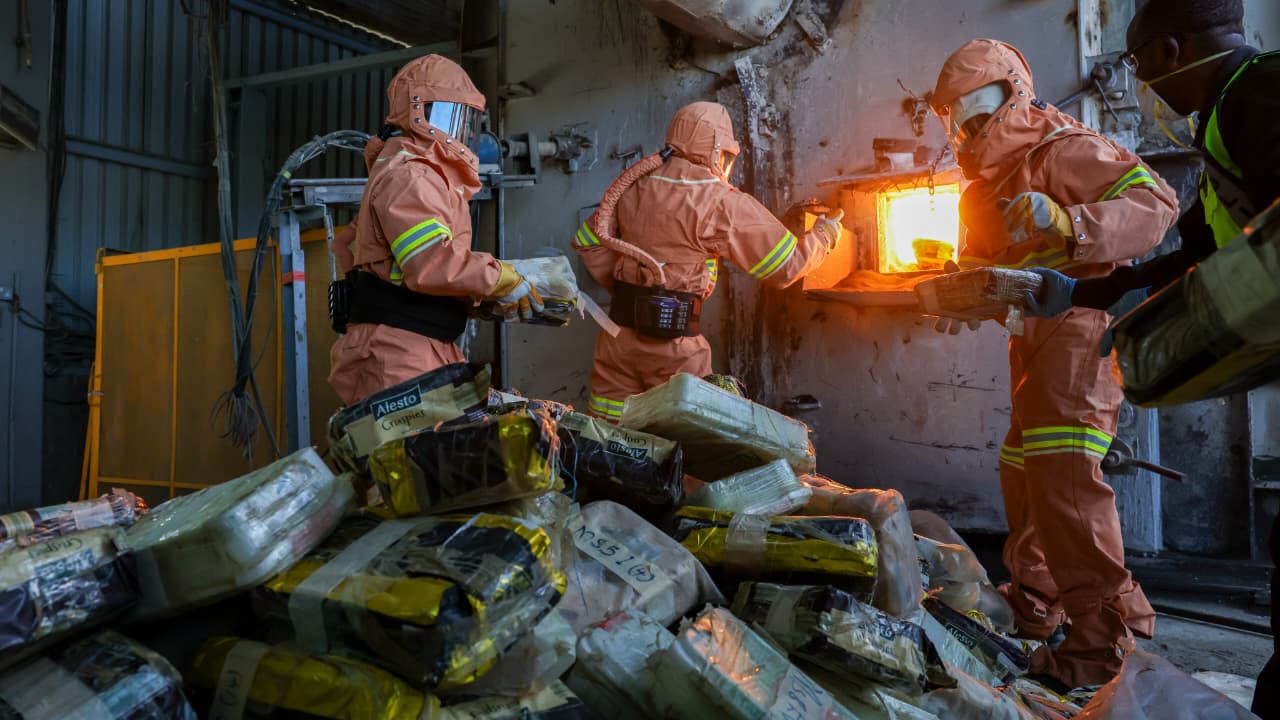
Interior CS Kipchumba Murkomen has overseen the destruction of narcotics worth Sh8.2 billion at Bamburi Cement Factory in Mombasa, including more than 1,000kg of methamphetamine seized in the Indian Ocean last October.
-
Bomet Green Stadium hosted activities marking International Week of Deaf People, bringing together members of the Deaf community, families, advocates and other stakeholders to raise awareness about the rights, dignity, language and inclusion of Deaf people. The event highlighted the importance of Ke
-
Kipchoge Keino Stadium in Eldoret is undergoing a major transformation as the government accelerates preparations ahead of the 2026 Mashujaa Day celebrations scheduled for October 20. Defence Principal Secretary Patrick Mariru has toured the facility to assess progress and monitor the ongoing works,
-
Interior CS Kipchumba Murkomen is overseeing the destruction of methamphetamine worth Sh8.2 billion at Bamburi Cement Factory in Mombasa. The more than one-tonne narcotics consignment was seized by a multi-agency security team in the Indian Ocean last year.
-
UASU's announcement today marks a significant escalation in the ongoing dispute over lecturers' employment terms and the financing of public universities. The union has issued a seven-day strike notice and says lecturers could down their tools on October 2, 2026, unless the 2025–2029 CBA and relat
-
IEBC Commissioner Dr. Ann Nderitu has emphasized the importance of ensuring that Deaf Kenyans can participate fully and equally in the country’s electoral process as preparations for the 2027 General Election continue. The focus includes accessible voter education, Kenyan Sign Language interpretat