



Kindiki Sounds Warning to Contractors as He Launches Development Projects Worth Billions in Murang’a County
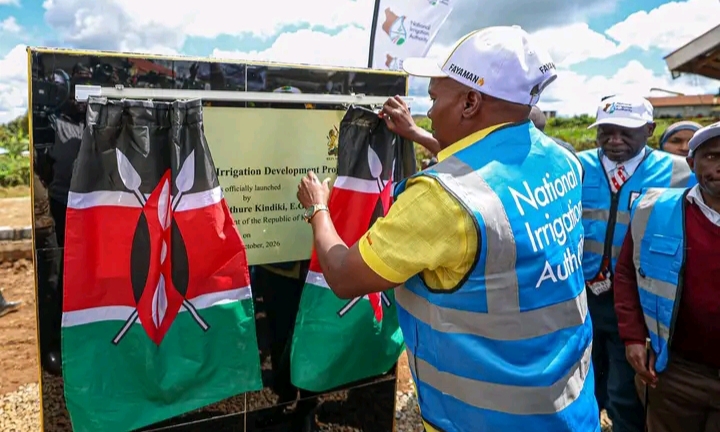
Deputy President Kithure Kindiki's October 8, 2026, development tour of Gatanga in Murang’a County placed emphasis on road construction, market development, affordable housing, student accommodation, electricity connectivity and the fight against illicit alcohol. Among the main projects highlighted were the KSh861 million Kirwara–Kigio–Jogoo Kimakia/Blue Post Road, the planned tarmacking of the Gatura–Ngere–Karangi Road and the delayed KSh114 million Kaguku Market project. Kindiki also emphasised that contractors must deliver projects within agreed timelines and that the government would take legal action where necessary. His message to residents combined a promise to pursue development with a call for stronger accountability and cooperation among leaders. Whether the visit ultimately delivers lasting change will depend on the timely completion of projects, responsible use of public funds and the extent to which local communities benefit from the investments.
Deputy President Kithure Kindiki’s visit to Murang’a County on October 8, 2026, focused on government development activities, infrastructure improvement and efforts to bring public services closer to residents. His visit came amid the government’s broader agenda of expanding access to essential services, improving roads, strengthening agricultural production and supporting economic opportunities at the grassroots level.
Murang’a County, located in the central region of Kenya, is an important agricultural area known for tea, coffee, dairy farming, horticulture and other economic activities. Government projects in the county are therefore closely linked to farmers’ livelihoods, transport infrastructure, access to markets, education and healthcare.One of the major activities during Deputy President Kithure Kindiki’s development tour was the inspection of the ongoing construction of the Kirwara–Kigio–Jogoo Kimakia/Blue Post Road in Gatanga Constituency.
According to a report published by The Star on October 8, 2026, the road project has been allocated approximately KSh861 million and covers about 26 kilometres. The project is intended to improve transport within Gatanga and strengthen connectivity between local communities and surrounding trading centres.
Road construction is an important development priority in Murang’a because many residents depend on farming and small businesses for their livelihoods. Farmers need reliable transport to move tea, coffee, vegetables, fruits and dairy products from production areas to markets and processing facilities.Poor road conditions can increase transport expenses, delay the delivery of perishable produce and make it difficult for residents to access schools, hospitals and government offices. Improved roads can help reduce these challenges while creating opportunities for businesses to expand.
During the inspection, Kindiki emphasised the government's commitment to implementing development projects and expanding public services. He also said that the government was ready to work with leaders across the region to promote residents' welfare. The inspection was an opportunity to assess progress and remind those responsible for implementation that public infrastructure projects must deliver tangible benefits to the people.Kindiki also announced that the tarmacking of the Gatura–Ngere–Karangi Road in Gatanga was expected to begin shortly.
The approximately 12-kilometre road is among the infrastructure projects intended to improve transport and connectivity in the constituency. Its upgrading is expected to make movement easier for residents, traders, farmers and other road users.
For communities that depend on agriculture, all-weather roads are particularly important during rainy seasons, when unpaved routes may become difficult to use.
The project also reflects a wider government plan to upgrade approximately 1,285 kilometres of roads across Murang’a County to bitumen standards, under a programme estimated at KSh56 billion.The scale of the programme indicates that road infrastructure is one of the central components of the government's development agenda in the county.
Residents will, however, judge the programme by whether construction proceeds according to schedule, whether the roads meet required standards and whether the completed routes improve everyday transport.The Deputy President expressed concern over the project's slow progress and warned that the government would take action against the contractor responsible for the work.
According to the Kenya News Agency, the market project is valued at approximately KSh114 million. Kindiki said the government would follow the required legal and procurement procedures to terminate the contract and appoint another contractor to complete the project.
The delay has affected traders who were expecting a modern market where they could sell their products in a more suitable environment.Kindiki also highlighted the wider government programme to improve market infrastructure across Murang’a County.
According to the Kenya News Agency, the government has 27 market projects under its programme in the county, with most reported to be completed or at advanced stages of construction.
Other projects mentioned during the development tour included:
Ndunyu Chege Market: A market project valued at approximately KSh152 million.
Gatunyu Market: A market project allocated approximately KSh109 million.
Kaguku Market: A KSh114 million project whose implementation has faced delays.
The government’s market programme is designed to provide better trading spaces for small businesses and improve conditions for traders selling fresh produce and other goods.Affordable housing was another significant component of the government's development agenda in Murang’a.
A report by The Star on October 8, 2026, put the value of the state's affordable housing programme in the county at approximately KSh27 billion. The programme includes housing developments, markets and student accommodation projects.
One of the major developments identified was the construction of approximately 1,910 affordable housing units at Kakuzi Mitumbiri, valued at about KSh5.4 billion.
The programme also includes the Makenji housing project, reported to be nearing completion, with approximately 220 housing units and a cost of KSh490 million. The government has also prioritised student accommodation at technical and vocational training institutions. Eight hostel projects were reported to be planned or under implementation across Murang’a County.
At Gatanga Technical and Vocational Training College, a hostel project comprising 340 rooms was advertised again for a contractor at an estimated cost of KSh145 million after the initial contractor was disqualified.
Student hostels can help learners access accommodation closer to their institutions, potentially reducing commuting difficulties and some of the costs associated with attending college.Electricity connectivity was another development area highlighted during the visit.
The government's programme in Murang’a includes an estimated KSh1 billion allocation to connect approximately 13,000 households to electricity. Gatanga is among the areas targeted under the initiative.
Expanding electricity access can improve living conditions and support economic activity in rural communities.
For households, reliable electricity can improve lighting, enable the use of electrical appliances and support children's study routines. For small businesses, it can help reduce dependence on costly alternative energy sources and make it possible to operate equipment that requires power.Beyond infrastructure, Kindiki used his development tour to address the problem of illicit and harmful alcoholic drinks.
The Deputy President promised a stronger government campaign against individuals involved in manufacturing, distributing and selling prohibited alcoholic products.
Speaking during the Gatanga visit, he said the government would involve security agencies, the Kenya Revenue Authority, the Kenya Bureau of Standards, national government administration officers and members of the public in the campaign. Illicit alcoholic products can pose serious health risks, while substance abuse can contribute to family difficulties, reduced productivity and financial hardship.
The Deputy President's position was that enforcement efforts should be coordinated across relevant government agencies rather than left to individual departments working independently.
He also called for action against public officials who might accept bribes to protect illegal alcohol businesses.
The success of the campaign will depend on sustained enforcement, lawful investigations, public cooperation and action against both the people selling prohibited products and anyone facilitating their operations.During the Murang’a development tour, Kindiki was accompanied by several local and national leaders, including Lands Cabinet Secretary Alice Wahome, nominated Member of Parliament Sabina Chege, Maragua MP Mary Waithaua and Gatanga-area leaders, among others.
The leaders supported the government's development agenda and highlighted the importance of implementing projects that directly benefit residents. The projects and programmes highlighted during Kindiki's visit touch on several areas of daily life.
Road improvements could make it easier for farmers to transport produce and for residents to reach schools, healthcare facilities and markets. Market construction could give traders better places to conduct business. Housing and student accommodation projects could expand access to suitable living spaces, while electricity connections could support homes and small enterprises.

You Might Also Like
-
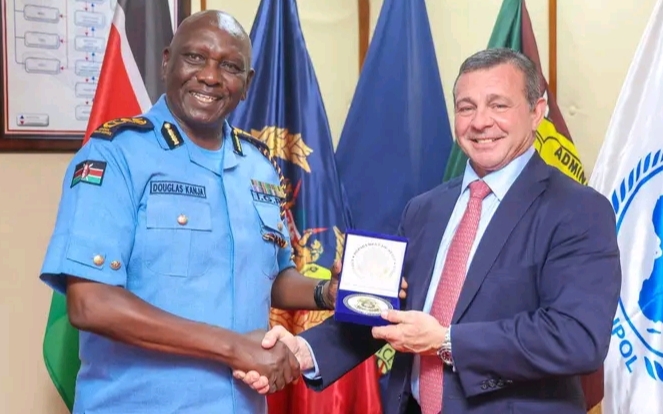
The United States Embassy delegation's courtesy call on Inspector-General Douglas Kanja on October 9, 2026, highlighted the continuing security partnership between Kenya and the United States. Led by Assistant Secretary of State for Diplomatic Security Todd Wilcox, the delegation discussed police tr
-
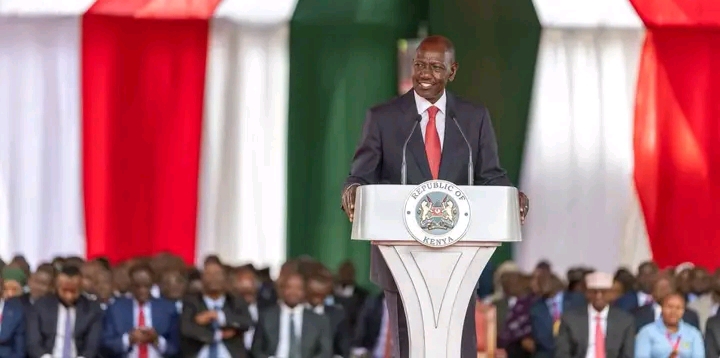
President William Ruto's remarks at the Agriculture and Food Security Transformation Summit at Jamhuri Park in Nairobi focused on making Kenyan agriculture more productive, commercially sustainable and less dependent on imported food. He highlighted the growth of milk, maize, cotton and rice produc
-
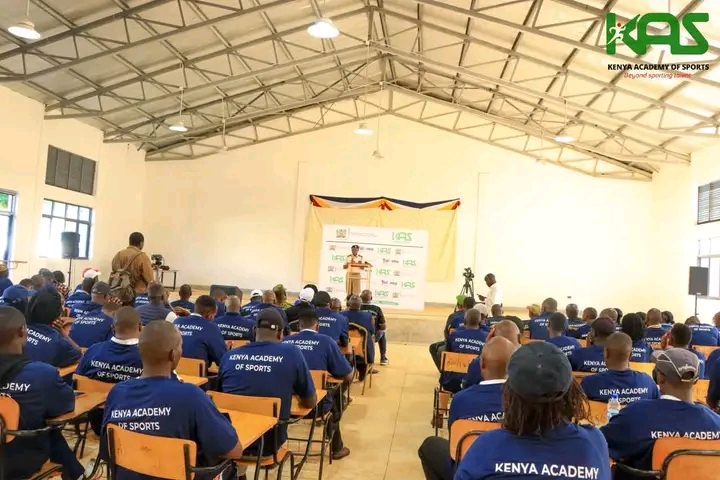
The Kenya Academy of Sports' launch of a five-day coaching programme in Nandi County represents an important effort to strengthen grassroots sports development as Kenya prepares for the 2026 Mashujaa Day celebrations.With 150 coaches participating in introductory courses covering football, volleybal
-
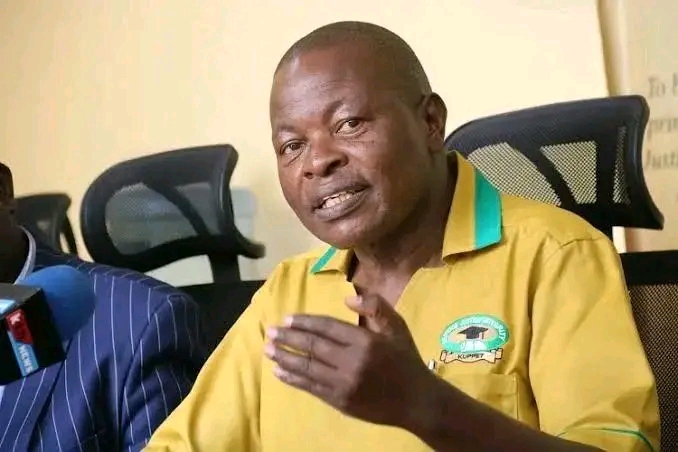
KUPPET's warning against participation in national examination duties until clear guidelines on terms and conditions are issued has brought teachers' remuneration back into the national education debate. Secretary-General Akello Misori has criticised the allowances paid during examination marking an
-
Uganda has ordered an immediate crackdown on alleged unlawful political and electoral activities involving its citizens crossing into Kenya ahead of the 2027 General Election. First Deputy Prime Minister Rebecca Alitwala Kadaga instructed security agencies and local leaders in eight border districts
-
Kenya has taken a major step towards improving transport and boosting economic growth following the commencement of construction of the Naivasha–Kisumu–Malaba Standard Gauge Railway (SGR) extension, with initial construction activities beginning in Narok County in July 2026. The railway project,