Kindiki Unveils KSh2 Billion Road Development Drive in Gichugu as KSh42 Billion Kirinyaga Infrastructure Plan Takes Shape
Deputy President Kithure Kindiki's visit to Gichugu Constituency in Kirinyaga County on Friday, October 16, 2026, focused on development, rural infrastructure and political tolerance. The main project highlighted in the day's reporting was the 53-kilometre Piai–Mbiri–Ngiriambu–Kiamutugu–Muchagara–Karumandi–Thumaita–Kamugunda–Kamweti–Kavote–Kimunye road, estimated to cost KSh2 billion. The road is expected to improve transport links, facilitate the movement of agricultural produce and improve access to essential services. The wider county programme reportedly covers 571 kilometres of roads at an estimated cost of KSh42 billion. Other significant projects associated with Gichugu include the Mukarara Fresh Produce Market, the Kiaumbui electricity connectivity initiative and the Riakithiga–Ngung’u–Kiang’ombe road.
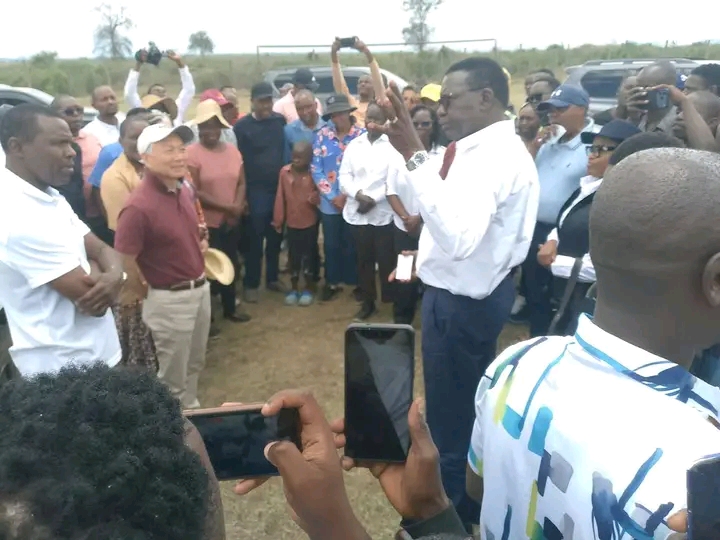
Deputy President Kithure Kindiki visited Gichugu Constituency in Kirinyaga County on Friday, October 16, 2026, as part of his ongoing engagement with residents of the Mount Kenya region. During his visit to Thumaita, Kindiki called on leaders to exercise political tolerance, respect one another and prioritise development projects that address the needs of ordinary Kenyans.
The visit comes at a time when infrastructure, electricity connectivity, agricultural markets and employment opportunities remain important concerns for residents of Kirinyaga. Gichugu is home to farming communities that depend on tea, coffee, dairy farming and other agricultural activities for their livelihoods.One of the major development projects highlighted during Kindiki's visit on October 16 was the ongoing construction of the 53-kilometre Piai–Mbiri–Ngiriambu–Kiamutugu–Muchagara–Karumandi–Thumaita–Kamugunda–Kamweti–Kavote–Kimunye road.
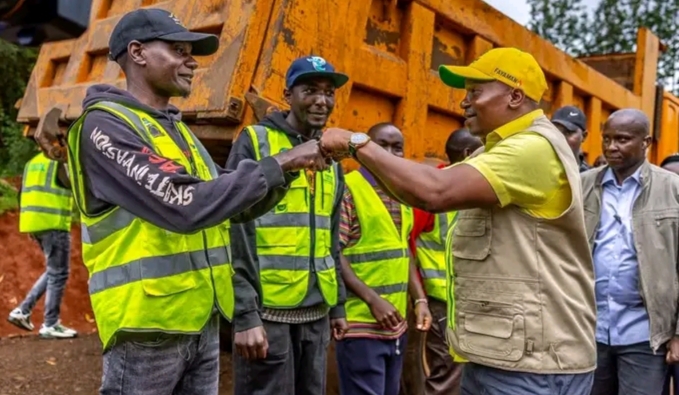
According to reporting published on the day of the visit, the road is being constructed at an estimated cost of KSh2 billion. Kindiki inspected the ongoing works as the government continued its efforts to improve rural transport infrastructure.
The project is expected to improve connections between communities within Gichugu and surrounding areas. It is also intended to make it easier for residents to reach schools, healthcare facilities, trading centres and other essential services.During the October 16 visit, Kindiki highlighted a programme involving approximately 571 kilometres of roads prioritised for tarmacking, with an estimated cost of KSh42 billion, according to The Star's reporting.
The programme is intended to improve connectivity across different parts of the county, rather than concentrating development in one constituency.
For residents, better roads can reduce travel time and improve access to markets, schools, hospitals and government offices. They can also encourage businesses to operate in areas where transport has previously been difficult.For agricultural producers, roads connecting rural settlements with processing facilities and market centres are particularly important. Tea and coffee farmers need dependable transport links, while dairy farmers depend on timely collection and delivery arrangements.
The development programme also raises questions that residents and taxpayers can reasonably follow: how much funding has been released, which sections have been completed, what remains under construction and when the roads will be ready for public use.
The KSh42 billion figure refers to the broader reported programme and should not be interpreted as the amount spent on the Gichugu road alone.Another major project associated with the Deputy President's development activities in Gichugu is the Mukarara Fresh Produce Market.
Kindiki inspected this facility during an earlier visit to the constituency on April 2, 2026. At that time, the market was reported to be approximately 90 per cent complete, with an estimated project cost of KSh55 million. It is important to distinguish this earlier inspection from a new market launch on October 16.
The market is designed to provide traders with a more organised and hygienic place to sell agricultural produce. Its planned facilities include cold storage, an ICT hub, a social hall and a room for mothers who need to breastfeed while working.Cold storage could help reduce post-harvest losses, especially for perishable commodities. Better market facilities may also improve the environment for traders and consumers while creating opportunities for businesses involved in transport, packaging and distribution.
The ICT hub is intended to provide young people with access to digital opportunities, including e-commerce. This could help traders learn how to market products online and connect with customers beyond their immediate communities.
Nevertheless, the market's actual impact will depend on its operational status, management, access to electricity and water, maintenance and the number of traders who use it.Beyond infrastructure, Kindiki used his October 16 engagement in Thumaita to appeal for political tolerance and respect among leaders.
Gichugu is the home constituency of opposition leader Martha Karua, who has declared her intention to contest the presidency in the 2027 General Election.
Kindiki urged residents to prioritise development and assess leaders according to their records and commitments to the public. He also called for cooperation across political affiliations.
The Deputy President said he intended to return to the area with President William Ruto in the future as the administration continues to seek public support for its agenda.Leaders accompanying the Deputy President
According to the report on the October 16 visit, Kindiki was accompanied by Gichugu Member of Parliament Gichimu Githinji, Principal Secretary for Public Health Mary Muthoni, Principal Secretary for Energy Alex Wachira, members of the County Assembly, professionals and grassroots leaders.
The presence of officials responsible for public health and energy was relevant to the government's broader development priorities, including electricity access and public services.The Deputy President said he intended to return to the area with President William Ruto in the future as the administration continues to seek public support for its agenda.
His remarks placed the development programme within the wider political debate ahead of the next general election.
For residents, the important consideration is whether political competition leads to greater accountability and more attention to local priorities. Roads, electricity, markets, education and healthcare remain practical issues that can be assessed through budgets, completion reports and the experiences of local communities.
Coordination between national government departments, elected representatives and local communities is important when implementing projects. It can help identify obstacles, communicate project timelines and clarify which agencies are responsible for construction, funding and maintenance.

You Might Also Like
-
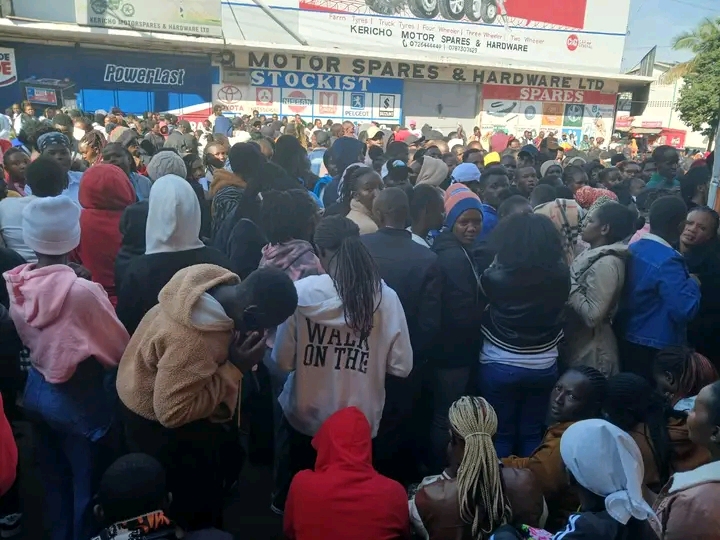
The reported turnout of thousands of job seekers at Wajose Smart Wears in Kericho has highlighted the urgency of addressing unemployment and the intense competition for available opportunities. While the precise details of the recruitment exercise remain independently unverified, the wider employmen
-
The National Transport and Safety Authority (NTSA) has urged motorists whose Smart Driving Licences are ready for collection to pick them up from their designated centres. The authority has also warned Kenyans against dealing with brokers and unauthorised intermediaries who claim to offer assistance
-
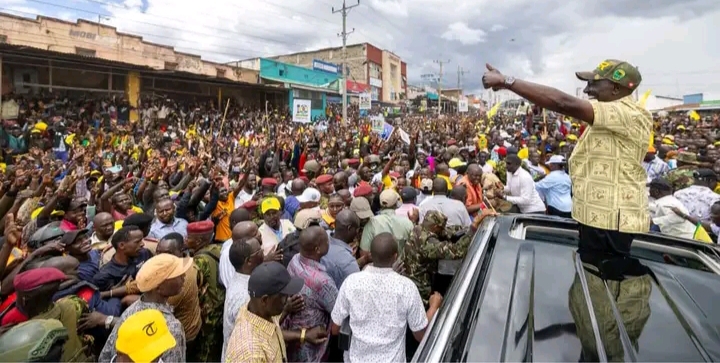
President William Ruto's October 16, 2026, engagements in West Pokot and Trans Nzoia form part of his wider North Rift development tour ahead of Mashujaa Day celebrations on October 20. The published programme includes the issuance of 11,493 title deeds in West Pokot, commissioning the Kapenguriaâ€
-
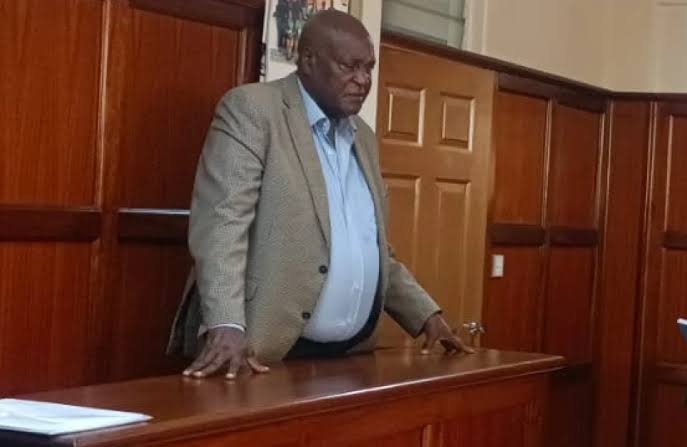
Former Nairobi Provincial Commissioner Davis Nathan Chelogoi has been convicted in a KSh 1.35 billion land fraud case involving a 7.39-hectare parcel in Lower Kabete, Nairobi. The court found him guilty on five counts, including conspiracy to defraud, forcible detainer and forgery, following a trial
-
The participation of Dr Belio Kipsang in the Mashujaa Day thematic week panel discussion at Eldoret National Polytechnic highlights the importance of connecting national celebrations with practical issues affecting citizens. His contribution focused on border security, citizenship documentation, co
-
The reported site visit involving Roads and Transport Cabinet Secretary Davis Chirchir, Chepalungu MP Victor Koech and World Bank officials highlights the importance of rural road connectivity in Bomet County and the wider South Rift region. The proposed Chebole–Siongiroi–Labotiet–Gorgor impr