




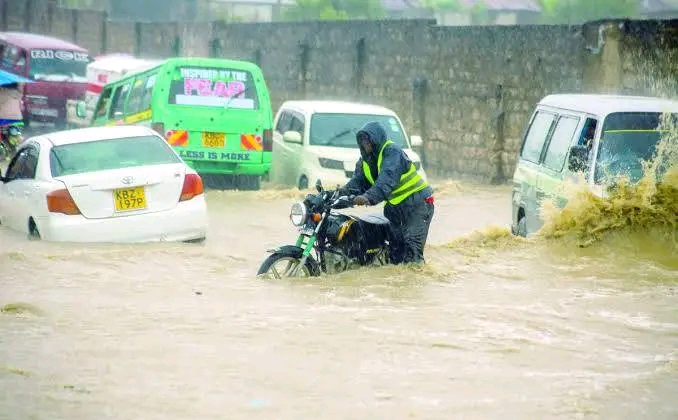
Kisumu Battered by Fierce Winds and Heavy Rains as Buildings, Vehicles and Trees Suffer Destruction
The heavy rains and harsh winds that struck Kisumu on Thursday, October 8, 2026, caused damage to buildings, vehicles, billboards and trees, exposing the risks associated with sudden storms. The destruction, which occurred during a downpour lasting approximately 20 minutes, prompted renewed concerns about the safety of older buildings, roadside structures and urban drainage systems. County authorities have indicated that inspections and drainage improvements are needed as the rainy season continues. Residents have also been urged to avoid dangerous structures, stay away from flooded roads and follow official weather advisories. As Kisumu prepares for further rainfall, the priority must be to strengthen infrastructure, maintain drainage systems and ensure that residents know how to respond when severe weather develops. The latest storm serves as a reminder that even a brief period of heavy rain and strong winds can cause significant disruption, making preparedness and public safety essential.
The storm that swept through Kisumu on Thursday afternoon, October 8, caused damage to buildings, vehicles, billboards and trees. According to reports by local media, the downpour lasted approximately 20 minutes, but the strong winds were powerful enough to damage several structures in different parts of the city. [1]
One of the most notable incidents occurred along Jomo Kenyatta Highway, where strong winds brought down a billboard onto vehicles that had been parked nearby. The incident highlighted the danger posed by large advertising structures during storms, particularly when strong winds place pressure on their supporting frames.
Vehicles were among the properties affected, while falling trees and branches created additional safety concerns. The destruction disrupted normal activities and left residents and business operators assessing the damage after the storm passed.
Along Obote Road, a hardware business identified as Jumbo Steel Mills Hardware suffered damage to its roof and part of its wall. Workers inside the premises were reportedly frightened as the storm intensified and parts of the structure were damaged. The incident demonstrated how quickly severe weather can put workers and customers at risk, even when rainfall lasts for a relatively short period. [2]
Kisumu County Commissioner Ramadhan Mwabudzo said at least four structures had been affected, raising concerns about the condition of buildings and other installations within the city.
Residents Caught Off Guard by Powerful Winds
The sudden nature of the storm caught many residents by surprise. People who had been carrying out their daily activities were forced to seek shelter as the rain and winds intensified.
Traders operating in the city were among those affected. Some people who sought shelter along building corridors had to move to safer places as trees, billboards and other objects came crashing down.
Residents described the winds as unusually strong, with the intensity of the storm creating fear among those who witnessed the destruction.
The experience also highlighted the vulnerability of people working outdoors, including street vendors, transport operators, construction workers and pedestrians. Such groups may have limited time to find safe shelter when a storm develops suddenly.
The damage to buildings and vehicles also raises questions about how prepared businesses and property owners are for severe weather. Although storms cannot always be prevented, regular inspections, secure roofing materials and properly maintained structures can reduce the likelihood of damage.
County Authorities Raise Concerns Over Old Buildings
The destruction has renewed concerns about the safety of older buildings in Kisumu, especially those located along busy streets and commercial areas.
County Commissioner Ramadhan Mwabudzo said the incident had prompted authorities to reconsider the structural safety of buildings and billboards. He indicated that the county administration, working with the city planning department, would inspect structures to determine whether they could withstand severe weather.
Older buildings may have weakened roofing materials, deteriorating walls or other structural problems that make them more vulnerable to strong winds and heavy rainfall. When such weaknesses are combined with poor maintenance, the risk of damage can increase.
Property owners and landlords have therefore been urged to examine their buildings before the rainy season intensifies. Tenants and business operators should also report visible cracks, loose roofing sheets, leaking roofs and other signs of structural weakness.
The proposed inspections are important because buildings in commercial areas often accommodate large numbers of workers and customers. A collapsing wall or falling roof can cause serious injuries, destroy goods and interrupt business operations.
Authorities also need to examine roadside billboards, signposts and other installations that could fall onto vehicles or pedestrians during storms.
Drainage Systems Face Renewed Scrutiny
Heavy rainfall can quickly overwhelm drainage systems, particularly in urban areas where water has limited space to flow away.
Residents in Kisumu expressed concern about drainage channels that were filling with water during the storm. When drainage systems become blocked by rubbish, soil or other materials, rainwater can accumulate on roads and in low-lying areas.
Poor drainage can contribute to flooding, damage buildings and businesses, disrupt transport and increase the risk of water entering residential properties.
Kisumu City Manager Fred Mariwa said authorities were moving to address drainage challenges, including plans to unclog drainage systems and install additional drainage infrastructure. The reported measures are intended to improve the movement of stormwater and reduce the effects of heavy rainfall.
The county government has also indicated that additional drainage systems are planned for the city, while the Ministry of East African Community Affairs is advancing plans for more dykes in flood-prone areas. [1]
These interventions could help communities facing repeated flooding, but their effectiveness will depend on proper planning, maintenance and timely implementation.
Residents also have a role to play by avoiding the dumping of plastic waste and other rubbish into drainage channels. Keeping water pathways clear can help prevent blockages when heavy rain falls.
Government Warns Residents in Flood-Prone Areas
Following the destruction, authorities urged residents living in low-lying and flood-prone areas to remain alert and take precautionary measures.
Fred Mariwa advised people in vulnerable areas to move to higher ground when necessary. Residents living in buildings that appear weak or are at risk of collapsing were also urged to evacuate rather than remain inside dangerous structures.
These warnings are particularly important during periods of heavy rainfall, when flooding can develop rapidly and roads may become difficult to navigate.
People should avoid crossing flooded roads, streams and waterways on foot or in vehicles. Even water that appears shallow can conceal open drains, damaged road surfaces or strong currents.
Residents should also avoid standing beneath trees during thunderstorms because branches can break or entire trees can fall when the ground becomes saturated and winds strengthen.
During severe storms, the safest option is to remain inside a sturdy building, away from windows and doors exposed to strong winds. People should not attempt to retrieve belongings from dangerous structures while the storm is still active.
The Kenya Meteorological Service Authority issued an advisory after heavy storms were experienced in Kisumu East on the afternoon of October 8.
The authority urged members of the public to remain vigilant throughout the October-to-December rainfall season and to follow official weather forecasts and warnings.
The advisory also cautioned residents against seeking shelter under trees during thunderstorms, undertaking outdoor activities during severe storms, or attempting to cross flooded roads and waterways. [3]
Weather forecasts are an important tool for helping communities prepare for dangerous conditions. Residents can use official updates to plan journeys, secure property and avoid unnecessary exposure to severe weather.
However, the Kisumu incident demonstrates that short-lived storms can still cause considerable destruction. People should therefore remain alert even when the rain is not expected to last long.
Economic Effects on Traders and Property Owners
The storm is also likely to have economic consequences for affected businesses and property owners. Damaged roofs and walls can require expensive repairs, while vehicles struck by falling billboards or trees may need substantial restoration.
For traders, damage to business premises can result in temporary closure, loss of customers and disruption to daily income. Businesses that depend on uninterrupted operations may also experience delays while damaged structures are repaired and safety checks are completed.
Small businesses can be particularly vulnerable because they may not have sufficient savings or insurance to cover unexpected repair costs.
The destruction also highlights the importance of property insurance, preventive maintenance and emergency planning. Business owners should assess potential risks and ensure that loose outdoor materials, signs and other equipment are properly secured before severe weather occurs.
County authorities can support economic resilience by ensuring that drainage systems are maintained, dangerous structures are identified and emergency response arrangements are in place.
Environmental and Public Safety Concerns
Strong winds and heavy rainfall can also affect the environment by uprooting trees, breaking branches, washing soil into drainage channels and carrying rubbish into waterways.
Fallen trees may block roads, while broken branches and damaged electrical infrastructure can create hazards for pedestrians and motorists. Where power lines have been affected, residents should keep their distance and report the danger to the relevant electricity provider or emergency authorities.
Wet roads can also increase the risk of traffic accidents because vehicles require more distance to stop and drivers may have reduced visibility.
Motorists should reduce their speed, increase following distances and avoid driving through flooded sections of roads. Pedestrians should remain cautious around damaged walls, unstable billboards and areas where electrical cables may have fallen.
Cleaning up after a storm should only begin when the area has been declared safe. Residents should not attempt to move heavy debris or repair unstable roofs without appropriate assistance.
Call for Better Disaster Preparedness
The destruction in Kisumu has reinforced the need for stronger disaster preparedness at household, business and county levels.
Authorities should prioritise inspections of old buildings, billboards and other structures that could pose a threat during heavy rainfall and strong winds. They should also strengthen drainage maintenance, improve public communication and ensure that emergency teams can respond quickly when dangerous weather occurs.
Property owners should repair damaged roofs, reinforce weak walls and ensure that drainage around buildings remains clear. Businesses should identify safe places where workers and customers can take shelter during sudden storms.
Residents should also pay attention to official weather alerts and avoid taking unnecessary risks during severe conditions.
Preparedness requires cooperation between government agencies, property owners, businesses and the public. While not every incident can be prevented, timely action can reduce property losses and protect lives.

You Might Also Like
-
The United States Embassy delegation's courtesy call on Inspector-General Douglas Kanja on October 9, 2026, highlighted the continuing security partnership between Kenya and the United States. Led by Assistant Secretary of State for Diplomatic Security Todd Wilcox, the delegation discussed police tr
-
Deputy President Kithure Kindiki's October 8, 2026, development tour of Gatanga in Murang’a County placed emphasis on road construction, market development, affordable housing, student accommodation, electricity connectivity and the fight against illicit alcohol. Among the main projects highlight
-
President William Ruto's remarks at the Agriculture and Food Security Transformation Summit at Jamhuri Park in Nairobi focused on making Kenyan agriculture more productive, commercially sustainable and less dependent on imported food. He highlighted the growth of milk, maize, cotton and rice produc
-
The Kenya Academy of Sports' launch of a five-day coaching programme in Nandi County represents an important effort to strengthen grassroots sports development as Kenya prepares for the 2026 Mashujaa Day celebrations.With 150 coaches participating in introductory courses covering football, volleybal
-
KUPPET's warning against participation in national examination duties until clear guidelines on terms and conditions are issued has brought teachers' remuneration back into the national education debate. Secretary-General Akello Misori has criticised the allowances paid during examination marking an
-
Uganda has ordered an immediate crackdown on alleged unlawful political and electoral activities involving its citizens crossing into Kenya ahead of the 2027 General Election. First Deputy Prime Minister Rebecca Alitwala Kadaga instructed security agencies and local leaders in eight border districts