



KUPPET Sounds Alarm Over ‘Slavery Wages,’ Orders Teachers to Boycott National Exams Until Fair Pay Guidelines Are Issued
KUPPET's warning against participation in national examination duties until clear guidelines on terms and conditions are issued has brought teachers' remuneration back into the national education debate. Secretary-General Akello Misori has criticised the allowances paid during examination marking and administration, describing them as “slavery wages” and calling for a review that recognises the responsibilities undertaken by teachers. The union has sought the involvement of the Salaries and Remuneration Commission, arguing that examination officials deserve clearer and more reasonable payment arrangements. Its position has created concern about the availability of teachers needed for the 2026 national examinations, although the warning does not itself mean the examinations have been cancelled or postponed.
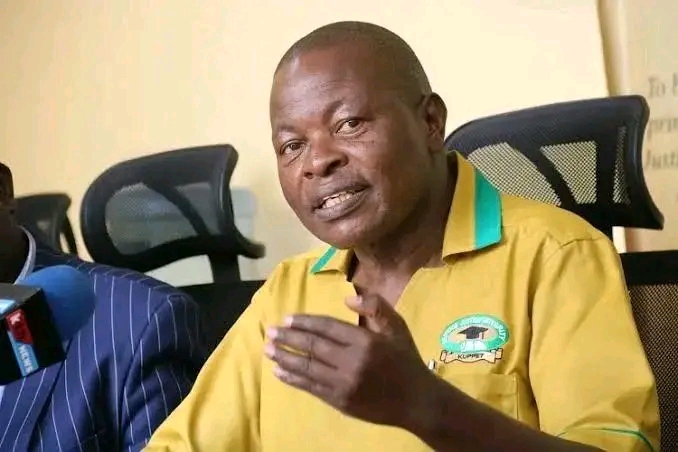
The Kenya Union of Post-Primary Education Teachers (KUPPET) has issued a directive urging its members not to participate in the national examination exercise until clear guidelines on the terms and conditions governing their involvement are provided. The union’s Secretary-General, Akello Misori, says teachers have been subjected to what he describes as “slavery wages” during examination marking, raising concerns about compensation, working conditions and the treatment of teachers entrusted with administering and marking national examinations.
The dispute places renewed attention on the welfare of teachers who play a central role in Kenya’s national examination process. The union’s position highlights the need for clarity on remuneration, payment arrangements, working hours and other conditions affecting teachers involved in examination-related duties. However, the extent to which the directive will affect the examination exercise depends on the response from the relevant education authorities and whether an agreement can be reached before the affected duties begin.
The Kenya Union of Post-Primary Education Teachers (KUPPET) has intensified its push for better remuneration for teachers involved in administering and marking national examinations, warning that its members should not take up examination duties until clear guidelines on their terms and conditions are issued. Secretary-General Akello Misori has criticised the payments made to teachers, describing their remuneration as “slavery wages” and arguing that the allowances do not adequately reflect the responsibilities placed on education professionals. The union has called for the review of examination payments and engagement with the Salaries and Remuneration Commission (SRC) to address the concerns.KUPPET's position comes as Kenya prepares for its 2026 national examination and assessment season, which requires thousands of teachers to undertake duties ranging from invigilation and supervision to examination-centre management and marking.
The union argues that teachers should not be expected to take on these additional responsibilities without clear and reasonable compensation arrangements. According to reports published in September 2026, Misori warned that KUPPET could ask teachers to decline examination assignments if the authorities fail to review the rates paid for the work.KUPPET wants these responsibilities to be matched by transparent terms of engagement and payment arrangements that teachers can understand before accepting examination assignments.
The directive also places pressure on the relevant authorities to engage teachers' representatives early enough to avoid disagreements during a period when schools, candidates and parents are preparing for important national assessments.Misori has been outspoken about the allowances paid to teachers who work during national examinations. He has questioned why qualified education professionals undertaking examination duties should receive payments that the union considers too low compared with the demands of their work.
In remarks reported by Kenyan media in September, Misori challenged the remuneration of examination-centre organisers, arguing that professionals responsible for managing examination centres could receive less than workers in other occupations.The issue is particularly important because examination assignments require teachers to take on responsibilities beyond their ordinary classroom duties. Depending on their assignments, teachers may be required to report to designated centres, attend briefings, supervise candidates, manage examination materials or work for extended periods during marking.
KUPPET maintains that these responsibilities deserve a review of the allowances paid to those involved.
The union's argument is that the education sector should recognise examination work as a professional responsibility that requires adequate preparation, concentration, accuracy and accountability.Such guidelines are important because teachers need to know the nature of their assignments, the applicable rates, the duration of their engagement and the arrangements for receiving their payments.
Where examination assignments involve travel, accommodation or extended working hours, teachers also need clarity on the applicable arrangements before accepting their responsibilities.
KUPPET's position is that examination personnel should not be left uncertain about what they will earn or when they will be paid after completing their assignments.
The union wants the relevant authorities to engage teachers' representatives and establish arrangements that address the concerns before the examination exercise proceeds further.
A clear agreement could also help reduce disagreements between teachers and examination administrators by establishing expectations for both sides.KUPPET's September warning referred to examination duties ranging from the Kenya Primary School Education Assessment (KPSEA) to the Kenya Certificate of Secondary Education (KCSE), with the Kenya Junior School Education Assessment (KJSEA) also part of the wider examination cycle.
Each category has a different role, and the amount of work involved varies according to the assignment.
Invigilators must remain attentive throughout examination sessions, while centre managers coordinate the activities required to keep examination centres operating properly. Examiners, meanwhile, must evaluate candidates' work carefully and consistently.
KUPPET argues that the remuneration structure should take these responsibilities into account rather than treating examination duties as minor additions to teachers' normal work.KUPPET has sought the intervention of the Salaries and Remuneration Commission, asking it to review and renegotiate the remuneration arrangements for teachers engaged in examination-related work.
According to reports on the dispute, the union has written to the commission seeking a review of the applicable rates.
The SRC has a constitutional role in advising the national and county governments on the remuneration and benefits of public officers. KUPPET's appeal is therefore intended to bring the issue before an institution with a mandate relating to public-sector remuneration.
The union wants the commission and other relevant authorities to consider whether current payments adequately recognise the work undertaken by examination officials.
The next steps would require engagement among the relevant institutions to establish which rates apply, how any revisions could be implemented and what resources would be required.National examinations are important milestones for learners because their results can influence progression to further education, training opportunities and future academic decisions.
Any uncertainty over the availability of examination personnel can therefore cause anxiety among candidates and their families.
Parents may worry about whether examinations will take place as scheduled, while learners may find it difficult to concentrate if public debate centres on a possible boycott.The timing of the disagreement has attracted attention because national examinations are a major undertaking involving candidates, schools, teachers and education authorities across the country.
The 2026 examination calendar includes the KPSEA assessment in late October, while KCSE oral and practical examinations are scheduled to begin in October ahead of the main written examinations in November.The examination-pay dispute forms part of the wider discussion about teachers' working conditions and professional welfare.
KUPPET describes itself as a trade union representing post-primary teachers and trainers, with responsibilities that include advocating for fair remuneration, improved working conditions and members' professional interests.

You Might Also Like
-
The United States Embassy delegation's courtesy call on Inspector-General Douglas Kanja on October 9, 2026, highlighted the continuing security partnership between Kenya and the United States. Led by Assistant Secretary of State for Diplomatic Security Todd Wilcox, the delegation discussed police tr
-
Deputy President Kithure Kindiki's October 8, 2026, development tour of Gatanga in Murang’a County placed emphasis on road construction, market development, affordable housing, student accommodation, electricity connectivity and the fight against illicit alcohol. Among the main projects highlight
-
President William Ruto's remarks at the Agriculture and Food Security Transformation Summit at Jamhuri Park in Nairobi focused on making Kenyan agriculture more productive, commercially sustainable and less dependent on imported food. He highlighted the growth of milk, maize, cotton and rice produc
-
The Kenya Academy of Sports' launch of a five-day coaching programme in Nandi County represents an important effort to strengthen grassroots sports development as Kenya prepares for the 2026 Mashujaa Day celebrations.With 150 coaches participating in introductory courses covering football, volleybal
-
Uganda has ordered an immediate crackdown on alleged unlawful political and electoral activities involving its citizens crossing into Kenya ahead of the 2027 General Election. First Deputy Prime Minister Rebecca Alitwala Kadaga instructed security agencies and local leaders in eight border districts
-
Kenya has taken a major step towards improving transport and boosting economic growth following the commencement of construction of the Naivasha–Kisumu–Malaba Standard Gauge Railway (SGR) extension, with initial construction activities beginning in Narok County in July 2026. The railway project,