



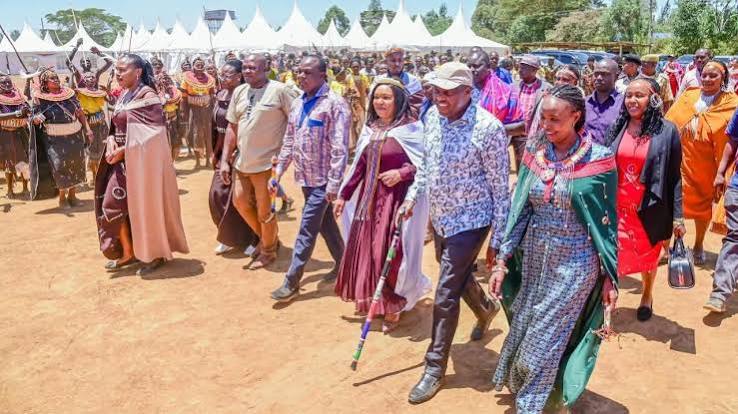
laikipia cultural festival seeks to promote heritage, tourism and peaceful coexistence
Laikipia county has brought together diverse communities through a cultural tourism festival aimed at celebrating heritage, promoting peaceful coexistence and boosting tourism. the event showcased traditional music, dance, food, clothing and indigenous knowledge while highlighting opportunities for local businesses, cultural practitioners and young people to benefit from tourism and preserve their traditions for future generations
laikipia county is placing cultural heritage at the centre of its development agenda through a major cultural tourism festival aimed at bringing together different communities, preserving traditional practices and creating economic opportunities for residents.
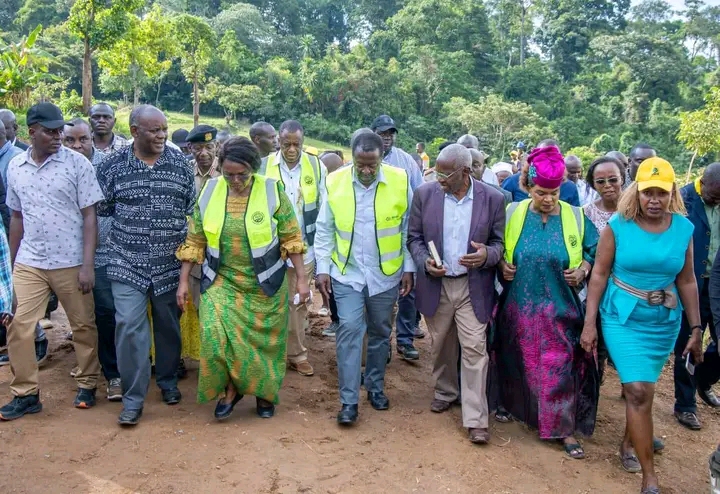
the festival, held at rumuruti stadium in august 2026, brought together representatives of various communities, government officials, cultural practitioners and tourism stakeholders to celebrate the county's rich cultural diversity.
the event provided a platform for communities to showcase their traditions through music, dance, traditional foods, clothing, arts and crafts, as well as other cultural practices passed down through generations.
the celebration also sought to encourage peaceful coexistence by giving residents from different backgrounds an opportunity to interact, share experiences and appreciate one another's cultural identities.
laikipia is home to communities with distinct histories, languages, customs and traditions. bringing these communities together through a shared celebration provides an opportunity to strengthen social relationships while highlighting the importance of cultural diversity in building an inclusive society.
beyond entertainment, the festival placed emphasis on the potential of cultural heritage to contribute to tourism development, employment creation and the growth of local businesses.
the initiative reflects growing recognition that cultural tourism can complement traditional tourism attractions by giving visitors an opportunity to experience the lifestyles, knowledge and heritage of the communities living in the region.
through such events, laikipia aims to demonstrate that culture is not only an important part of community identity but can also become a valuable resource for economic development when protected and managed responsibly.
government urges communities to turn culture into economic opportunities
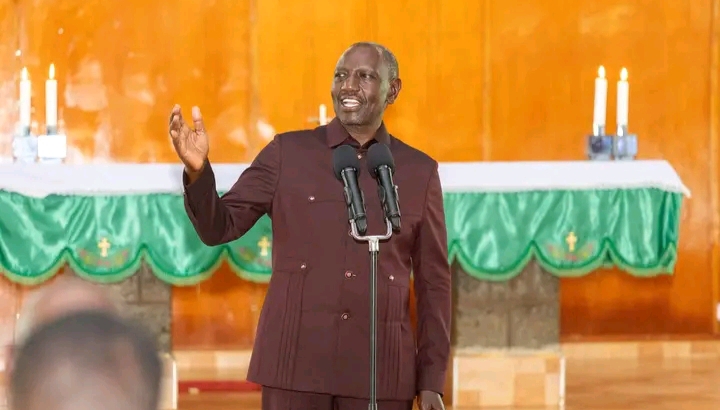
head of public service felix koskei, who attended the festival, challenged communities to explore ways of turning their cultural heritage and indigenous knowledge into economic opportunities that can improve livelihoods.
his message focused on the need to move beyond displaying cultural traditions during occasional celebrations and instead develop sustainable activities that generate income throughout the year.
traditional craftsmanship, beadwork, clothing, cultural performances, indigenous knowledge and locally produced goods can provide opportunities for communities to establish businesses and access wider markets.
such enterprises can also create opportunities for young people who may be interested in pursuing careers in the creative arts, fashion, tourism, hospitality and cultural entertainment.
tourism and wildlife cabinet secretary rebecca miano also attended the event, which highlighted the connection between cultural preservation, tourism promotion and community empowerment.
the participation of government representatives underscored the importance of recognising cultural heritage as a resource that can support local development while strengthening the identity of different communities.
for many cultural practitioners, the challenge is to find ways of preserving traditional knowledge while adapting products and services to meet changing market demands.
artisans, for example, can develop new designs inspired by traditional patterns while maintaining the cultural significance of their work. performers can expand their audiences through cultural events, tourism programmes and organised entertainment activities.
however, these opportunities require appropriate support, including access to markets, business training, financing and platforms where local talent can be showcased.
communities also need to participate in decisions about how their cultural practices are presented and commercialised to ensure that the benefits are shared fairly and traditions are respected.
diverse communities showcase their cultural identity
one of the main objectives of the festival was to give different communities an opportunity to celebrate their identities and share their traditions with a wider audience.
communities represented included the kikuyu, meru, turkana, yaaku, maasai, samburu, endorois, tugen, pokot, nandi, kipsigis and keiyo.
each community carries its own history, language, cultural practices and traditional knowledge, contributing to the diversity that defines laikipia.
through traditional dances, songs, clothing, storytelling and food exhibitions, participants were able to demonstrate aspects of their heritage while introducing visitors to the customs that have shaped their communities over generations.
these activities also created an opportunity for younger participants to learn directly from elders and cultural practitioners who continue to preserve traditional knowledge.
cultural festivals can help communities document and pass on their histories at a time when modern lifestyles, urbanisation and changing social patterns are influencing how younger generations engage with their heritage.
by creating spaces for cultural exchange, such celebrations can encourage young people to take pride in their backgrounds while appreciating the traditions of others.
the event also highlighted the importance of recognising that cultural diversity does not prevent communities from sharing common aspirations, including peace, development, education and improved living standards.
festival promotes peaceful coexistence and unity
peaceful coexistence was another key theme of the cultural celebration, with the festival providing an opportunity for residents from different backgrounds to interact and strengthen relationships.
laikipia's cultural diversity makes dialogue and mutual understanding important elements of community development.
cultural events can help reduce misunderstandings by allowing people to learn about traditions and lifestyles that may differ from their own. through shared performances, conversations and social activities, participants can identify common values and develop greater respect for one another.
such interaction is particularly important for younger generations, who can benefit from opportunities to build friendships and partnerships across community lines.
peaceful coexistence also supports economic development by creating an environment in which residents can conduct business, pursue education and participate in community initiatives with greater confidence.
although cultural festivals alone cannot resolve every challenge affecting communities, they can provide a starting point for continued dialogue and cooperation.
lasting peace also depends on inclusive development, fair access to opportunities, effective conflict resolution and the willingness of community leaders to address concerns through peaceful engagement.
the festival therefore offered an opportunity to celebrate cultural differences while reinforcing the importance of unity and shared responsibility for the county's future.
cultural tourism expected to benefit local businesses
the promotion of tourism remains an important aspect of the festival, as cultural experiences can complement laikipia's natural attractions and encourage more visitors to explore the county.
laikipia is associated with wildlife conservation, scenic landscapes and nature-based tourism. incorporating cultural activities into these experiences could give visitors additional reasons to spend time in the region.
visitors may be interested in traditional crafts, local cuisine, community histories, indigenous knowledge and cultural performances. these experiences can provide a deeper understanding of the people who live in the county and their relationship with the surrounding environment.
increased tourism activity can create opportunities for hotels, restaurants, transport operators, tour guides, artisans and traders selling locally produced goods.
small businesses may also benefit from festivals by gaining access to new customers and establishing connections with organisations involved in tourism and hospitality.
women's groups, youth enterprises and community cooperatives could use such platforms to showcase their products, promote their services and explore partnerships that support long-term growth.
for these benefits to be sustainable, however, tourism development must involve local communities and respect their cultural values.
communities should have a meaningful role in deciding how their heritage is presented to visitors, while cultural practitioners should receive fair recognition for their contributions.
investment in infrastructure, marketing, skills development and visitor services would also help turn cultural tourism into a more reliable source of income.
preserving indigenous knowledge for future generations
the festival also highlighted the importance of protecting indigenous knowledge and traditional practices that have been passed down through generations.
languages, oral histories, songs, ceremonies, craftsmanship and traditional food preparation are important parts of community identity. they also contain knowledge about history, social relationships and the environment.
elders play an important role in preserving this heritage by sharing their experiences and teaching younger generations about their communities' customs and values.
cultural celebrations provide an opportunity to bring these generations together and encourage young people to participate in activities that keep traditions alive.
schools, cultural organisations and community groups can strengthen these efforts by documenting oral histories, promoting indigenous languages and organising educational activities centred on local heritage.
preservation does not necessarily mean resisting change. communities can adapt their traditions to contemporary life while retaining the elements they consider essential to their identity.
the challenge is to ensure that modernisation does not lead to the disappearance of valuable knowledge that may be difficult to recover once it is lost.
creating opportunities for young people
young people could play a central role in expanding cultural tourism and preserving laikipia's heritage.
the creative economy offers opportunities in photography, filmmaking, music, fashion, event management, digital marketing and cultural storytelling.
young entrepreneurs can use digital platforms to promote traditional crafts, advertise cultural experiences and introduce wider audiences to the county's heritage.
cultural festivals can also help emerging performers and artists gain visibility, develop professional connections and learn from established practitioners.
with appropriate training and business support, these activities could provide additional income opportunities while encouraging young people to take an active role in community development.
involving young people in planning and organising cultural events would also help ensure that future festivals reflect the interests and creativity of new generations.
a platform for inclusive development
the laikipia cultural tourism festival demonstrates how cultural celebrations can contribute to social unity, heritage preservation and economic empowerment.
by bringing together different communities, the event provided a platform for cultural exchange while highlighting the importance of protecting traditions and creating opportunities for local enterprises.
the festival also reinforced the potential of cultural tourism to complement wildlife and nature-based attractions, giving visitors more reasons to explore laikipia and interact with its communities.
the long-term success of the initiative will depend on turning the excitement of the festival into sustained action. continued support for local businesses, cultural practitioners, young people and community-led tourism could help ensure that the benefits extend beyond the event itself.
ultimately, celebrating heritage is not only about preserving the past. it is also about creating a future in which communities can protect their identities, strengthen peaceful coexistence and use their cultural resources to support inclusive economic development across laikipia county.

You Might Also Like
-
kenya’s amos kipruto has won the 2026 chicago marathon in a personal best time of 2:01:09, securing a major international title after finishing third in 2024 and second in 2025. his victory further cements kenya’s reputation as a global powerhouse in long-distance running.
-
Musalia Mudavadi's engagements in Vihiga County have highlighted the government's stated commitment to education, agriculture, infrastructure, land ownership and community development. His latest activity on October 10, 2026, was the groundbreaking ceremony for a Sh9 million dormitory at Kaimosi Com
-
President William Ruto’s attendance at St Mark’s Catholic Church in Matunda, Likuyani, on Sunday, October 11, 2026, combined a personal message of gratitude with political remarks and development announcements. His recollection of meeting his wife’s family in Likuyani offered a personal conne
-
A 35-year-old woman and her 15-year-old daughter are fighting for their lives at kerugoya referral hospital following a hippopotamus attack in kiumbu village, mwea, kirinyaga county. the incident raises fresh concerns over human-wildlife conflict and the safety of communities living near wildlife ha
-
Busia governor paul otuoma has praised president william ruto and ugandan president yoweri museveni for their efforts to improve road infrastructure along the kenya-uganda border. he says better roads will strengthen cross-border trade, ease the movement of people and goods, reduce transport challen
-
The ministry of health has urged kenyans to wear protective gear, including gloves, masks and gumboots, when assisting suspected ebola patients. the public has also been advised to avoid direct contact with potentially infectious body fluids and call the toll-free number 719 for guidance or to repor