Mama Rachel Ruto to Hand Over Homes to Chesongoch Landslide Victims in Elgeyo-Marakwet
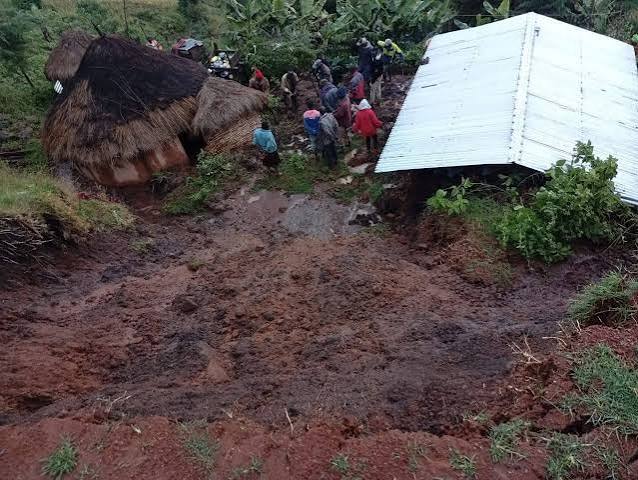
First Lady Mama Rachel Ruto is expected to hand over newly constructed homes to families affected by the 2025 Chesongoch landslide in Chesongoch, Marakwet East, Elgeyo-Marakwet County.The initiative aims to support families whose lives were disrupted by the devastating landslide by providing them with safer and more stable housing. The handover marks an important step towards helping affected households rebuild their lives, restore their daily routines and move towards a more secure future.The event also highlights the importance of disaster recovery, community support and access to safe shelter for families affected by natural disasters. Beyond housing, continued attention to essential services, livelihoods and disaster preparedness remains crucial in helping vulnerable communities recover.
First Lady Mama Rachel Ruto is expected to hand over newly constructed homes to families affected by the 2025 Chesongoch landslide in Chesongoch, Marakwet East, Elgeyo-Marakwet County, in an initiative aimed at supporting households whose lives were disrupted by the disaster.
The handover ceremony, scheduled for Wednesday, is expected to mark an important step in efforts to help affected families rebuild their lives after losing their homes and facing uncertainty in the aftermath of the landslide. Interior Cabinet Secretary Kipchumba Murkomen, who previously served as the senator for Elgeyo-Marakwet County, is expected to accompany the First Lady during the event.
The initiative highlights the importance of providing safe shelter to families affected by natural disasters and helping communities recover after emergencies. For households displaced by the Chesongoch landslide, the handover of homes is expected to provide an opportunity to begin rebuilding their lives in a more stable environment.
Natural disasters can have devastating consequences for communities, particularly when homes are destroyed and families are forced to leave familiar surroundings. Beyond the immediate loss of property, affected households may face challenges accessing essential services, maintaining their livelihoods and ensuring that children continue with their education.
The planned handover therefore places attention on the recovery needs of families affected by the Chesongoch disaster and the broader responsibility of supporting communities facing the consequences of landslides and other emergencies.
Supporting Families Affected by the Chesongoch Landslide
The 2025 Chesongoch landslide left affected families facing the difficult task of recovering from a disaster that disrupted their homes and everyday lives. For those who lost their houses, finding safe and reliable accommodation became an important priority as they sought to rebuild their lives.
The destruction caused by landslides can extend far beyond damaged buildings. Families may lose household belongings, food supplies and other essential possessions, leaving them with the burden of starting over under difficult circumstances.
Children may also experience disruptions to their education, while parents and guardians face the challenge of meeting household expenses without the stability of their previous living arrangements. These difficulties can continue long after the immediate emergency has passed.
Providing permanent housing is therefore an important part of disaster recovery. A secure home offers families a place to live, protect their belongings and begin restoring normal routines.
The expected handover in Chesongoch is significant because it focuses on one of the most basic needs of families affected by the landslide: shelter. The homes are intended to support the affected households as they move towards rebuilding their lives following the disaster.
While the construction and handover of houses represent important steps, long-term recovery may also require continued support in areas such as access to water, sanitation, healthcare, education and livelihood opportunities.
Mama Rachel Ruto’s Expected Visit
The First Lady’s expected presence at the handover ceremony brings national attention to the experiences of families affected by the Chesongoch landslide.
The event is expected to provide an opportunity to engage with the affected community and highlight the importance of helping households recover after losing their homes. Such occasions can also draw attention to the challenges faced by people living in areas exposed to natural hazards.
For the families receiving homes, the ceremony represents an important milestone in their recovery journey. Moving into secure accommodation can help reduce the uncertainty associated with displacement and provide a foundation for rebuilding household stability.
The handover also places the needs of affected communities within the wider discussion about disaster preparedness and the responsibility of public institutions to respond when emergencies occur.
Disaster recovery often requires cooperation among national government agencies, county administrations, humanitarian organisations and local communities. Each has a role to play in identifying needs, coordinating assistance and ensuring that support reaches those who require it.
The expected event in Chesongoch is an opportunity to renew attention to these responsibilities while recognising the difficulties experienced by households affected by the landslide.
The Importance of Safe Housing After Disasters
Housing is one of the most important elements of recovery after a natural disaster. When families lose their homes, they may have to depend on relatives, temporary shelters or other arrangements while waiting for more permanent solutions.
Such circumstances can place additional pressure on households that may already be dealing with financial difficulties and emotional distress.
A permanent home offers more than protection from the weather. It provides privacy, security and a stable environment in which families can make plans for the future.
For children, a stable living arrangement can support their return to regular routines, including attending school and participating in community activities. Parents may also find it easier to focus on rebuilding their livelihoods when their families have dependable accommodation.
However, housing recovery must take account of the risks that contributed to the original disaster. In areas vulnerable to landslides, selecting safe locations and following appropriate construction standards are important considerations.
Rebuilding should not simply replace destroyed structures without considering the dangers that may affect the same communities again. Risk assessments, appropriate land-use planning and public awareness can help reduce exposure to future disasters.
The Chesongoch home handover therefore provides an opportunity to highlight both the immediate importance of shelter and the need for longer-term planning to protect vulnerable households.
Understanding the Risks of Landslides
Landslides occur when soil, rocks and other material move down a slope under the influence of gravity. They can happen suddenly, sometimes following heavy rainfall that saturates the ground and weakens the stability of slopes.
The effects can be severe, particularly where homes, roads and other infrastructure are located in vulnerable areas. A major landslide can destroy buildings, block transport routes, damage water systems and leave residents cut off from essential services.
The risks are influenced by several factors, including the steepness of the terrain, soil conditions, drainage, vegetation cover and patterns of rainfall. Human activities such as inappropriate construction or changes in land use can also contribute to slope instability in certain circumstances.
Communities living in areas susceptible to landslides need access to reliable information about potential hazards and the measures they can take to reduce their exposure.
Early warning systems, community education and clear evacuation arrangements can help residents respond when dangerous conditions develop. Local authorities and relevant agencies also have an important role in monitoring risks and communicating warnings.
For households that have already experienced a landslide, recovery efforts should include attention to the safety of the locations where they will live in the future.
These measures are particularly important because replacing damaged homes is only one part of protecting communities from similar disasters.

You Might Also Like
-
The National Assembly has passed the Sexual Offences (Amendment) Bill No. 78 of 2023, aimed at promoting public awareness, protecting victims’ right to education and aligning existing laws with the Constitution of Kenya. The proposed amendments highlight the importance of safeguarding victims’ r
-
The Kenya Meteorological Department's forecast for October 20–26, 2026, indicates that rainfall is expected in parts of 45 counties across western Kenya, the Rift Valley, Central Kenya, the Coast, the eastern region and the north-eastern counties. Afternoon thunderstorms are particularly relevant
-
Felix Koskei's participation in the Global Trust Summit 2026 placed Kenya's public service leadership within a major conversation about the relationship between institutions and the people they serve. The summit's first day focused on rebuilding trust from the frontline, examining democracy, publi
-
The October 21 protest by public health officers in Nairobi has brought renewed attention to the connection between workers' welfare, adequate staffing and Kenya's preparedness for infectious disease outbreaks. As their nationwide strike entered its 92nd day, the officers demanded the signing of a
-
Governor Patrick Ole Ntutu's reported peace message during the Mashujaa Day celebrations at Esoit Naibor Primary School highlights the importance of unity, security and cooperation in Trans Mara South. The gathering came amid concerns about inter-clan disputes and the need to prevent ethnic incitem
-
Deputy President Kithure Kindiki's development agenda in Gatundu North highlights two important areas: modern market infrastructure and improved road connectivity. Kanyoni Market represents the importance of supporting small-scale traders and farmers, while the inspection of the Thika–Magumu Mau M