



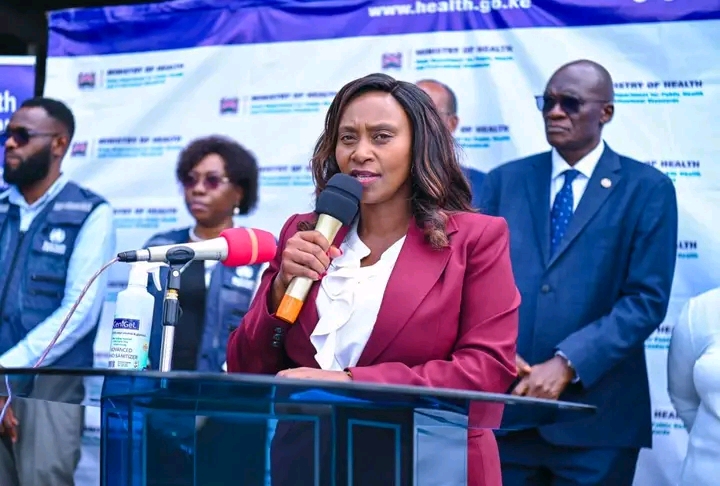
Mary Muthoni: Government Partners with Health Experts to Boost Kenya’s Ebola Preparedness as Outbreak Fears Grow
Principal Secretary for Public Health and Professional Standards Mary Muthoni has highlighted the importance of cooperation between the Kenyan government, healthcare providers, international organisations and development partners in strengthening preparedness and response against Ebola Virus Disease. The efforts focus on improving disease surveillance, laboratory testing, healthcare worker training, isolation facilities, contact tracing and public awareness to help detect and manage suspected infections quickly. Following the confirmation of an imported Ebola case in October 2026, the Ministry of Health has intensified surveillance and contact-tracing measures to minimise the risk of further transmission. The government’s collaboration with health partners is expected to strengthen emergency response capacity, protect frontline healthcare workers and ensure that Kenyans receive accurate information on prevention and safety measures.
Ps Mary Muthoni’s role in Kenya’s Ebola preparedness efforts highlights the importance of cooperation in protecting public health. Through collaboration with private healthcare providers, development partners, laboratories, county governments and emergency response teams, the Ministry of Health is working to strengthen disease surveillance, improve medical preparedness and support faster responses to potential infections.
The confirmed imported Ebola case in October 2026 has made these efforts even more urgent. Contact tracing, appropriate isolation, reliable laboratory testing and clear public communication remain essential to limiting the risk of further transmission.
The government’s challenge is to sustain these measures, address remaining gaps and ensure that all stakeholders understand their responsibilities. Continued cooperation and public vigilance will be important in protecting healthcare workers, safeguarding communities and strengthening Kenya’s ability to respond to Ebola and other emerging infectious diseases.
Despite the measures introduced, maintaining preparedness requires sustained investment. Health authorities must ensure that protective equipment, laboratory supplies, trained personnel and isolation facilities remain available when needed.
Emergency preparedness also requires reliable funding, strong coordination between national and county governments, and effective communication between public and private health institutions.
Border surveillance presents another challenge because of the movement of people and goods across Kenya’s extensive land borders. Screening must be supported by trained personnel, adequate facilities and mechanisms for referring people who may require further assessment.
Furthermore, misinformation can complicate the response by discouraging people from seeking medical attention or cooperating with public health officers.
These challenges reinforce the importance of cooperation between the government, health partners, healthcare providers and communities.
The government has encouraged Kenyans to observe good hygiene, avoid direct contact with the blood and other bodily fluids of suspected or confirmed patients, and seek medical attention when they experience concerning symptoms, particularly after possible exposure.
Public communication should explain the disease clearly without creating unnecessary panic. People should rely on official Ministry of Health updates and recognised public health agencies rather than unverified social media messages.
Community leaders, healthcare providers and local organisations can help share accurate information in accessible languages and address concerns about isolation, testing and contact tracing.
Trust is an important part of disease control. When people understand why public health measures are necessary, they are more likely to cooperate with health professionals and report possible exposure promptly.
According to the Ministry of Health, Mary Muthoni has emphasised the need for coordinated action between the government and stakeholders to strengthen Kenya’s readiness to prevent, detect and respond to Ebola Virus Disease (EVD).
The development underlines why preparedness and cooperation with health partners remain essential. When a suspected or confirmed infection is identified, authorities must establish the patient’s movements, identify people who may have been exposed and ensure that appropriate monitoring and medical procedures are followed.
Contact tracing also requires effective communication between healthcare providers, public health officers and affected individuals. People identified as contacts need clear instructions and access to appropriate support so that public health measures can be implemented safely.
The government has maintained that the confirmed imported case does not, by itself, mean Kenya is experiencing widespread community transmission. Nevertheless, the incident demonstrates the importance of maintaining readiness even before an outbreak develops.
Emergency preparedness also requires reliable funding, strong coordination between national and county governments, and effective communication between public and private health institutions.
Border surveillance presents another challenge because of the movement of people and goods across Kenya’s extensive land borders. Screening must be supported by trained personnel, adequate facilities and mechanisms for referring people who may require further assessment.
Furthermore, misinformation can complicate the response by discouraging people from seeking medical attention or cooperating with public health officers.
These challenges reinforce the importance of cooperation between the government, health partners, healthcare providers and communities.
These partnerships can contribute technical advice, disease surveillance expertise, training, laboratory support and emergency coordination.
International cooperation is especially relevant when a disease outbreak affects multiple countries. Health authorities need to exchange accurate information, coordinate cross-border surveillance and respond to risks linked to travel and population movement.
However, effective cooperation also requires clear responsibilities and transparent communication. Government agencies and partners must coordinate their activities to avoid duplication, identify urgent gaps and ensure that available resources reach areas where they are most needed.
The confirmed imported case has further highlighted the need for continued cooperation between Kenya and its regional and international partners.
The government has encouraged Kenyans to observe good hygiene, avoid direct contact with the blood and other bodily fluids of suspected or confirmed patients, and seek medical attention when they experience concerning symptoms, particularly after possible exposure.
Public communication should explain the disease clearly without creating unnecessary panic. People should rely on official Ministry of Health updates and recognised public health agencies rather than unverified social media messages.
Community leaders, healthcare providers and local organisations can help share accurate information in accessible languages and address concerns about isolation, testing and contact tracing.
Trust is an important part of disease control. When people understand why public health measures are necessary, they are more likely to cooperate with health professionals and report possible exposure promptly.

You Might Also Like
-
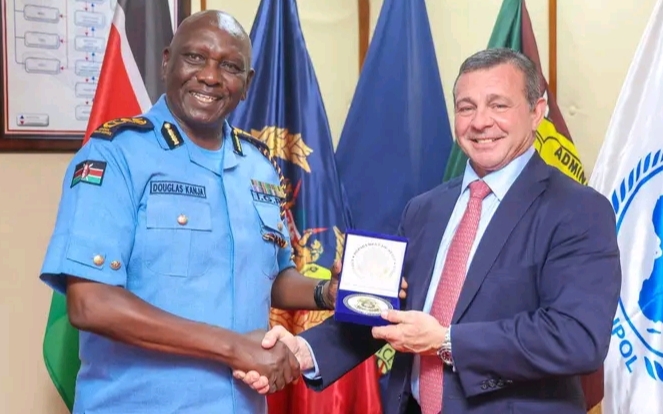
The United States Embassy delegation's courtesy call on Inspector-General Douglas Kanja on October 9, 2026, highlighted the continuing security partnership between Kenya and the United States. Led by Assistant Secretary of State for Diplomatic Security Todd Wilcox, the delegation discussed police tr
-
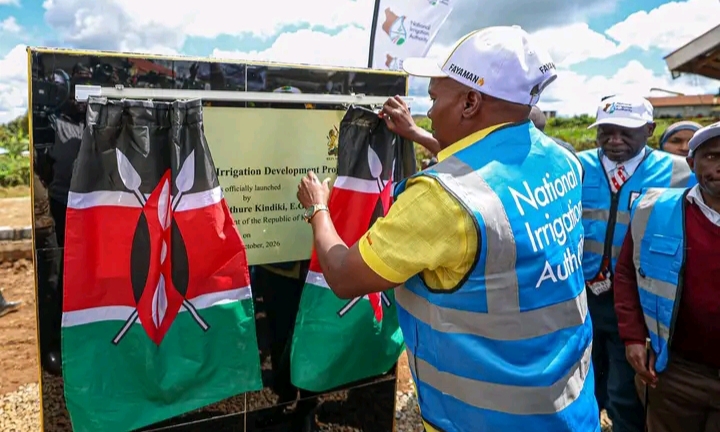
Deputy President Kithure Kindiki's October 8, 2026, development tour of Gatanga in Murang’a County placed emphasis on road construction, market development, affordable housing, student accommodation, electricity connectivity and the fight against illicit alcohol. Among the main projects highlight
-
President William Ruto's remarks at the Agriculture and Food Security Transformation Summit at Jamhuri Park in Nairobi focused on making Kenyan agriculture more productive, commercially sustainable and less dependent on imported food. He highlighted the growth of milk, maize, cotton and rice produc
-
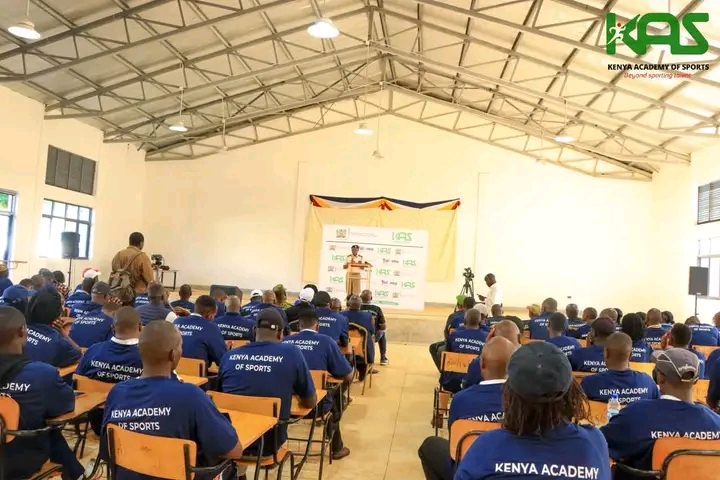
The Kenya Academy of Sports' launch of a five-day coaching programme in Nandi County represents an important effort to strengthen grassroots sports development as Kenya prepares for the 2026 Mashujaa Day celebrations.With 150 coaches participating in introductory courses covering football, volleybal
-
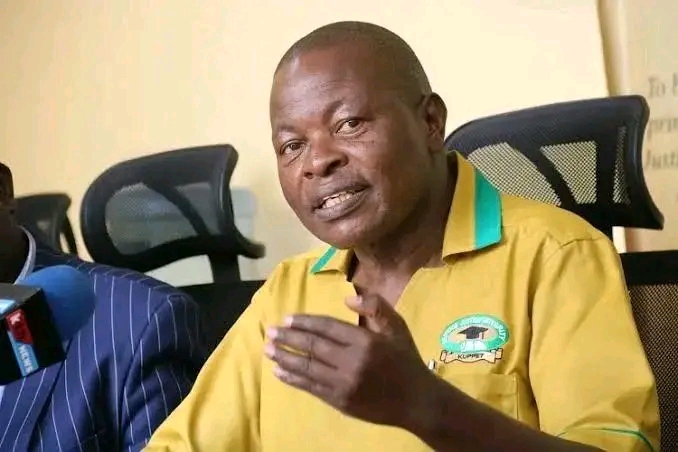
KUPPET's warning against participation in national examination duties until clear guidelines on terms and conditions are issued has brought teachers' remuneration back into the national education debate. Secretary-General Akello Misori has criticised the allowances paid during examination marking an
-
Uganda has ordered an immediate crackdown on alleged unlawful political and electoral activities involving its citizens crossing into Kenya ahead of the 2027 General Election. First Deputy Prime Minister Rebecca Alitwala Kadaga instructed security agencies and local leaders in eight border districts