



Masengeli Calls for Shared Responsibility in Securing Peaceful Elections
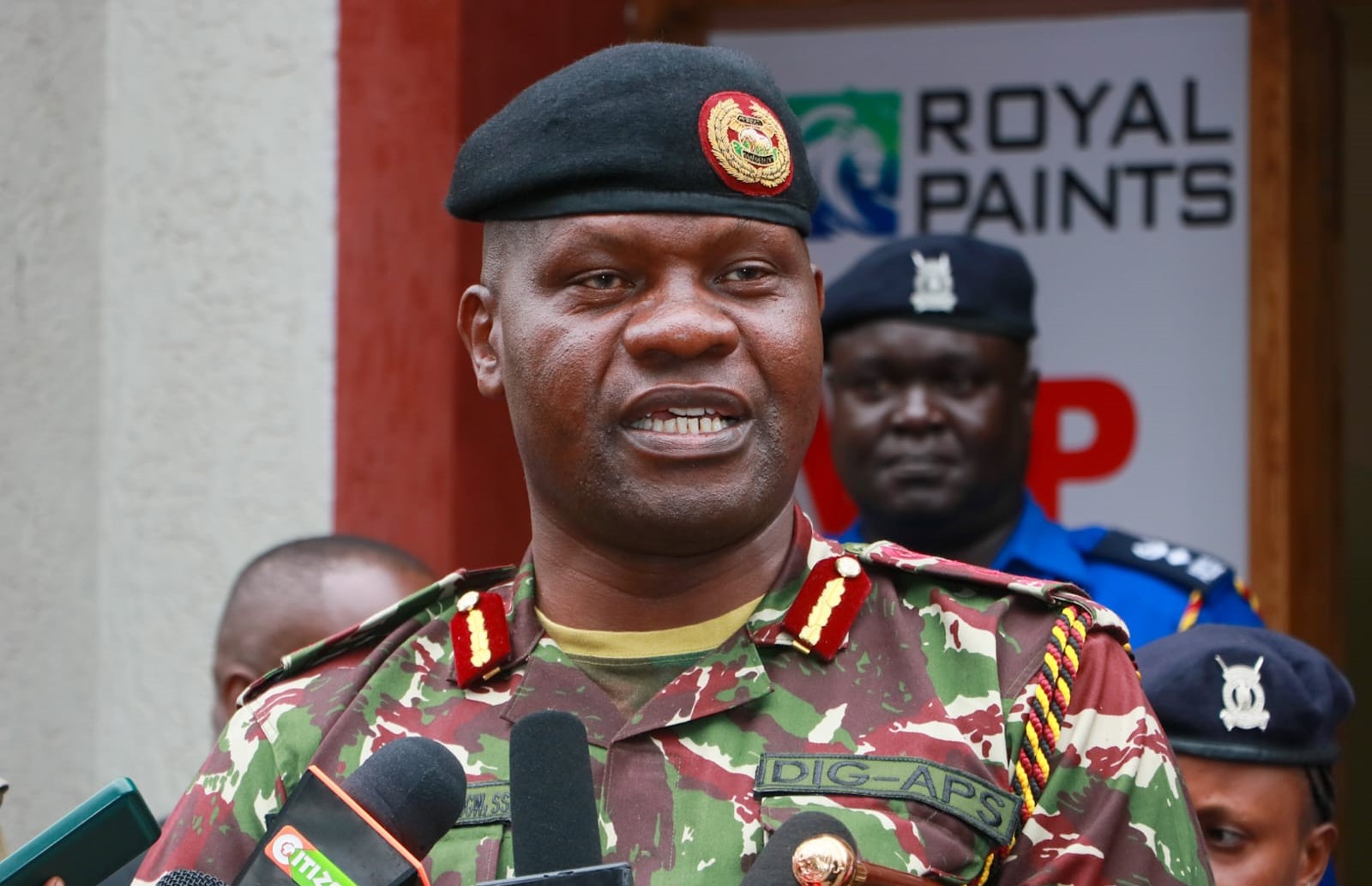
Deputy Inspector General of Police Gilbert Masengeli urges Kenyans to work with security agencies, share information responsibly and help safeguard peaceful elections.
Deputy Inspector General of Police Gilbert Masengeli has called on Kenyans to take an active role in promoting peace and security, stressing that the responsibility of ensuring a peaceful election cannot be left to security agencies alone.
Speaking during the Amani Conference, Masengeli emphasized that citizens have an important role to play in creating a safe and peaceful environment before, during and after elections. He noted that security agencies can only do so much, and that cooperation between law enforcement officers and members of the public remains critical in preventing violence and maintaining stability.
According to Masengeli, peaceful elections require a collective effort involving security agencies, political leaders, communities, the media and ordinary citizens. He urged Kenyans to understand that security is not simply a government responsibility but a shared obligation that requires everyone to play their part.
One of the key areas he highlighted was the need for citizens to be responsible in the way they consume and share information. With social media platforms playing an increasingly important role in political communication, misleading information, rumours and unverified claims can spread rapidly and potentially create tension within communities.
Masengeli urged citizens to exercise caution before forwarding or publishing information, particularly during politically sensitive periods. He stressed the importance of verifying information before sharing it and avoiding messages that could provoke fear, hatred or conflict.
The Deputy Inspector General noted that citizens who encounter suspicious activities or information that could threaten security should work with the relevant authorities and report such matters through appropriate channels. Such cooperation, he said, can help security agencies respond to emerging threats before they escalate.
He also emphasized the importance of building trust between security agencies and the communities they serve. Effective security, he said, depends not only on the presence of police officers but also on cooperation from the public.
Communities have a unique understanding of the issues affecting their respective areas and can therefore play a significant role in identifying potential threats and helping authorities prevent incidents of violence. Masengeli encouraged citizens to maintain open communication with security actors and to avoid taking the law into their own hands.
The call comes at a time when preparations for future elections and political activities continue to generate public debate across the country. Elections are often accompanied by intense political competition, large public gatherings and heightened emotions, making peace and responsible civic participation particularly important.
Masengeli's message also placed emphasis on individual responsibility. He encouraged Kenyans to consider the consequences of their actions, particularly when engaging in political discussions online and offline. He noted that seemingly harmless information can sometimes contribute to tension when it is deliberately misleading, taken out of context or used to incite members of the public.
Political leaders, according to the broader message of the conference, also have an important role in maintaining peace. Leaders command significant influence over their supporters and can either contribute to calm and peaceful political engagement or fuel divisions.
Masengeli called for cooperation among all stakeholders to ensure that political differences do not turn into conflict. He underscored the need for citizens to respect one another despite differences in political opinions and affiliations.
The Amani Conference provides a platform for discussions on peace, security and the role of different stakeholders in strengthening Kenya's democratic processes. The participation of security officials, civic actors and other stakeholders is intended to encourage dialogue and develop approaches that can help prevent election-related violence.
For security agencies, preparations for elections involve much more than deploying officers to polling stations and public areas. They also require engagement with communities, assessment of potential security risks and collaboration with other institutions.
However, Masengeli's remarks highlighted that these efforts can only be effective when they receive support from the public. Citizens who cooperate with security agencies can help create an environment where potential threats are identified early and addressed before they become serious.
The issue of information management is particularly significant in the modern political environment. Social media has made it possible for information to reach thousands or even millions of people within minutes. While this has strengthened communication and public participation, it has also created opportunities for misinformation and disinformation to spread quickly.
Kenyans are therefore being encouraged to become more discerning consumers of information. Before sharing a claim, citizens should consider its source, verify whether it is accurate and avoid content designed to provoke anger or hostility.
Masengeli's call ultimately places the success of peaceful elections on a partnership between the public and security agencies. Police officers have a responsibility to protect citizens and maintain law and order, while citizens have a responsibility to obey the law, provide useful information and promote peaceful coexistence.
The Deputy Inspector General's remarks also serve as a reminder that peace should not only be pursued during election periods. Building peaceful communities requires continuous engagement, dialogue and respect for different opinions.
As Kenya prepares for future political activities, the message from the Amani Conference is clear: maintaining peace is a responsibility shared by everyone. Security agencies must remain prepared to protect the public, while citizens must also contribute by cooperating with authorities, rejecting violence and exercising caution when consuming and sharing information.
Masengeli's emphasis on shared responsibility highlights the importance of collective action in protecting Kenya's democratic space. A peaceful election ultimately depends not only on the work of security agencies but also on the choices made by millions of Kenyans.
By working together, respecting differences and handling information responsibly, citizens and security agencies can help create an environment where elections are conducted peacefully and where every Kenyan can participate without fear or intimidation.

You Might Also Like
-
EPRA has retained fuel prices for the September–October cycle, with petrol at KSh214.03, diesel at KSh217.86, and kerosene at KSh191.38 per litre.
-
Musalia Mudavadi's speech in Kapsengere, Nandi County, on September 13, 2026, was primarily about the 2027 General Election and President William Ruto's expected re-election campaign. Mudavadi firmly rejected suggestions that Ruto would need to rig the election or use electoral shortcuts. He urged p
-
President William Ruto's second day in Kisumu has been marked by a combination of major infrastructure launches, development announcements and strong political speeches. The biggest project commissioned today is the Sh8.4 billion Lake Victoria Water and Sanitation Project, which is expected to impr
-
Rural Electrification and Renewable Energy Corporation (REREC) is targeting the connection of more than 50,000 households in Bomet and Kericho counties to electricity before Christmas, as part of the government’s wider push to expand electricity access in rural Kenya. The initiative is expected to
-
The Public Health Principal Secretary's warning highlights the growing importance of preparing Kenya's health system before the anticipated El Niño rains intensify. Mary Muthoni has called for stronger disease surveillance, safe water, improved sanitation, adequate medicine stocks and greater prepa
-
The arrest of two suspects marks the latest development in the investigation into the Nembure chaos in Embu County, where a UDA meeting attended by Deputy President Kithure Kindiki was violently disrupted on September 12, 2026. The incident resulted in one confirmed death, several injuries and six