



Mazingira Day 2026: Government Urges Kenyans to Plant Trees as Kenya Targets 15 Billion Trees by 2032
National Mazingira Day 2026 is an important opportunity for Kenya to strengthen public participation in environmental conservation. The State Department for Forestry and other government agencies are urging citizens to plant trees, protect existing forests, restore degraded landscapes and take greater responsibility for their surroundings. With a target of 17.24 million trees during Mazingira Week and a broader ambition of growing 15 billion trees by 2032, the government is seeking to mobilise communities and institutions behind a shared environmental goal. The success of the campaign, however, will depend not only on the number of seedlings planted on October 10 but also on whether they survive, grow and contribute to healthier ecosystems.
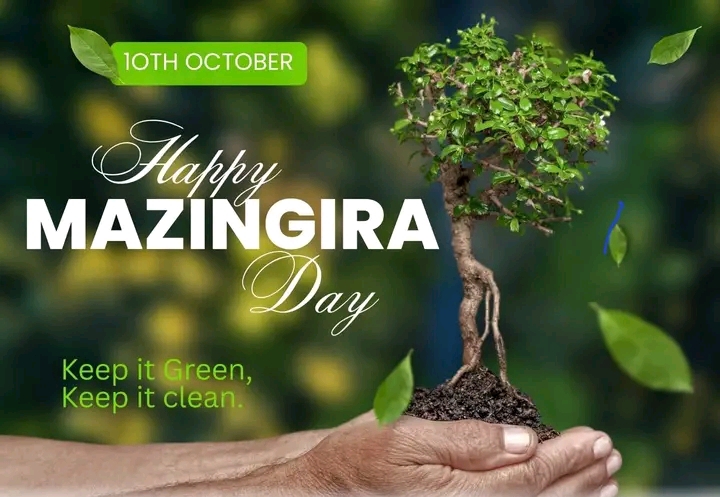
The State Department for Forestry and other government agencies have called on Kenyans to participate in tree-planting activities and environmental conservation initiatives as the country marks National Mazingira Day on Saturday, October 10, 2026.The national celebration is intended to mobilise citizens, public institutions, schools, community organisations and private-sector partners to take practical action to protect the environment. This year's theme is “Our Environment, Our Responsibility: Collective Action for Tree Growing and Environmental Stewardship.”
The government is targeting the planting of 17.24 million trees during Mazingira Week, which runs from October 5 to October 10. The initiative supports Kenya's broader ambition of growing 15 billion trees by 2032 as part of efforts to restore degraded landscapes, expand tree cover and strengthen the country's response to climate change.
Government officials have emphasised that Mazingira Day should not be treated as a one-day ceremony. Instead, Kenyans are being encouraged to make tree growing, proper waste management, water conservation and environmental protection part of their everyday lives.The State Department for Forestry, working alongside the Ministry of Environment, Climate Change and Forestry and the Kenya Forest Service (KFS), is encouraging citizens to take responsibility for the environment by planting trees in suitable locations and ensuring that the seedlings survive.
The call recognises the important role that trees play in protecting the country's natural resources. Trees absorb carbon dioxide, provide habitats for wildlife, reduce soil erosion, improve local environmental conditions and help protect water catchment areas.
According to the Kenya Forest Service, Cabinet Secretary for Environment, Climate Change and Forestry Dr Deborah Barasa has urged Kenyans to support the national tree-growing campaign and use the JazaMiti application to record and monitor their planting activities.Trans Nzoia County is hosting the national Mazingira Day celebrations, with tree-growing activities planned at designated sites and participation expected from government agencies, local communities and conservation groups.
According to the State Department for Forestry, the main activities include a national tree-growing ceremony beginning at Konoin Primary School in Shikendu before proceeding to Kenya Seed Company's Elgon Downs Farm in Endebess. The celebrations are designed to demonstrate how coordinated action can contribute to environmental restoration. One of the major objectives of this year's Mazingira Day is to advance the government's commitment to growing 15 billion trees by 2032.
The programme is intended to increase tree cover, restore degraded ecosystems and strengthen the country's capacity to cope with climate change. The government has reported that approximately 2.2 billion trees had been planted by the time of the preparations announced ahead of the 2026 celebrations.
Achieving the 15-billion-tree target requires more than organising occasional planting events. It demands sustained investment in tree nurseries, access to quality seedlings, public participation and long-term maintenance.Achieving the 15-billion-tree target requires more than organising occasional planting events. It demands sustained investment in tree nurseries, access to quality seedlings, public participation and long-term maintenance.
The government is therefore encouraging different institutions to contribute according to their responsibilities and capacities. Schools can establish tree-growing programmes, farmers can integrate suitable trees into their agricultural activities, and communities can participate in restoring public and degraded land.
Government agencies also have specific targets under the Mazingira Week programme. The Kenya Prisons Service plans to plant one million trees across 68 correctional facilities, while the National Youth Service has a target of 1.5 million trees. The wider campaign also involves educational institutions, village elders, community forest associations and other public bodies. Tree planting is an important environmental intervention because trees support the natural systems on which communities depend.
First, trees help protect water catchment areas. Forests and other vegetated landscapes support the movement and retention of water through the environment. Protecting vegetation around rivers, springs and other sensitive areas can contribute to healthier watersheds.
Second, trees help control soil erosion. Their roots hold soil together, while leaves and ground vegetation can reduce the impact of heavy rainfall on exposed land. This is particularly important for farmers whose livelihoods depend on productive soils.
Third, trees absorb carbon dioxide as they grow, making tree growing one part of a wider strategy for addressing climate change. Healthy forests and restored landscapes can also provide habitats for birds, insects and other wildlife.A major concern in national tree-planting campaigns is whether the seedlings planted during public events will survive long enough to deliver meaningful benefits.
To address this challenge, the government has announced plans to count, geo-tag and certify trees planted during Mazingira Week. It also plans to conduct survival checks after 90 days and monitor tree-growing commitments quarterly.
Geo-tagging involves recording the geographical location of a planting activity. This can help authorities identify where trees have been planted and follow up on their condition.
The monitoring approach is intended to improve accountability by shifting attention from the number of seedlings planted to the number that remain alive and growing.Kenyans participating in Mazingira Day are therefore encouraged to take responsibility for their seedlings after the celebrations. They should water them when necessary, protect them from grazing animals, control competing weeds and replace dead seedlings where appropriate.
The choice of species is also important. Trees should be suitable for local rainfall patterns, soil conditions and the purpose of the planting site. Indigenous species can be particularly valuable for restoring natural ecosystems, while fruit trees may offer additional nutritional and economic benefits in suitable locations.
Communities should also avoid planting trees in inappropriate places, including locations where they could interfere with infrastructure or damage sensitive habitats. Guidance from forestry officers and other environmental experts can help participants make suitable choices.Schools are important partners in the Mazingira Day campaign because they provide an opportunity to introduce environmental responsibility to younger generations.
Through tree-growing activities, learners can gain practical knowledge about plant growth, soil conservation, biodiversity and climate change. They can also learn that protecting the environment requires consistent action rather than occasional participation in public events.
Schools can establish tree nurseries, assign learners responsibility for caring for seedlings and include environmental conservation in school activities. Where appropriate, fruit trees can contribute to nutrition and provide shade while helping learners understand the relationship between nature and livelihoods.Although tree growing is central to this year's celebrations, the government is also emphasising the need to keep homes, schools, towns and public spaces clean.
Environmental conservation includes responsible waste disposal, recycling, protection of rivers and wetlands, restoration of degraded land and safeguarding existing forests.
During Mazingira Week, nationwide clean-up activities have been organised to encourage citizens to take greater responsibility for their surroundings. The government has also highlighted initiatives such as Eco-Sort Takataka ni Mali, which promotes the value of waste sorting and recovery. Proper waste management can reduce pollution, prevent waste from blocking drainage systems and help protect rivers and other water resources. Communities can support these efforts by separating recyclable materials, avoiding indiscriminate dumping and participating in organised clean-up exercises.
Protecting existing forests is equally important. While planting new trees contributes to restoration, preventing the destruction of mature trees and natural habitats protects environmental benefits that may take many years to replace.
Mazingira Day therefore offers an opportunity for Kenyans to reconsider everyday practices that contribute to environmental damage and adopt more sustainable alternativesAlthough tree growing is central to this year's celebrations, the government is also emphasising the need to keep homes, schools, towns and public spaces clean.
Environmental conservation includes responsible waste disposal, recycling, protection of rivers and wetlands, restoration of degraded land and safeguarding existing forests.
During Mazingira Week, nationwide clean-up activities have been organised to encourage citizens to take greater responsibility for their surroundings. The government has also highlighted initiatives such as Eco-Sort Takataka ni Mali, which promotes the value of waste sorting and recovery. Proper waste management can reduce pollution, prevent waste from blocking drainage systems and help protect rivers and other water resources. Communities can support these efforts by separating recyclable materials, avoiding indiscriminate dumping and participating in organised clean-up exercises.
Protecting existing forests is equally important. While planting new trees contributes to restoration, preventing the destruction of mature trees and natural habitats protects environmental benefits that may take many years to replace.
Mazingira Day therefore offers an opportunity for Kenyans to reconsider everyday practices that contribute to environmental damage and adopt more sustainable alternatives

You Might Also Like
-
President William Ruto's visit to Endebess in Trans Nzoia County on October 10, 2026, placed environmental conservation at the centre of this year's national Mazingira Day celebrations. His call for Kenyans to sustain tree planting supports the government's ambition to grow 15 billion trees by 2032
-
Tabitha Karanja's decision to leave UDA for DCP marks a significant development in Nakuru County politics ahead of the 2027 General Election. After winning her Senate seat under UDA in 2022, she has announced that she will seek the governorship on a DCP ticket, citing consultations with residents an
-
President William Ruto's scheduled October 10–20 North Rift development tour is expected to cover six counties and a broad range of public infrastructure projects. From roads in Trans Nzoia and West Pokot to markets in Nandi and Uasin Gishu, healthcare facilities in Elgeyo Marakwet and Baringo, st
-
The project, which began in 2017, experienced serious setbacks before construction resumed under a new contractor. By September 2026, the stadium had reportedly reached 58 per cent completion as the government intensified preparations for the October 20 Mashujaa Day celebrations. Principal Secretar
-
The United States Embassy delegation's courtesy call on Inspector-General Douglas Kanja on October 9, 2026, highlighted the continuing security partnership between Kenya and the United States. Led by Assistant Secretary of State for Diplomatic Security Todd Wilcox, the delegation discussed police tr
-
Deputy President Kithure Kindiki's October 8, 2026, development tour of Gatanga in Murang’a County placed emphasis on road construction, market development, affordable housing, student accommodation, electricity connectivity and the fight against illicit alcohol. Among the main projects highlight