



Mount Kenya Elders Call for Unity and National Cohesion at Kirigiti
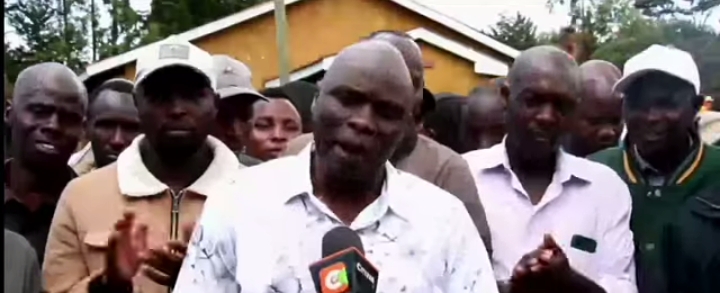
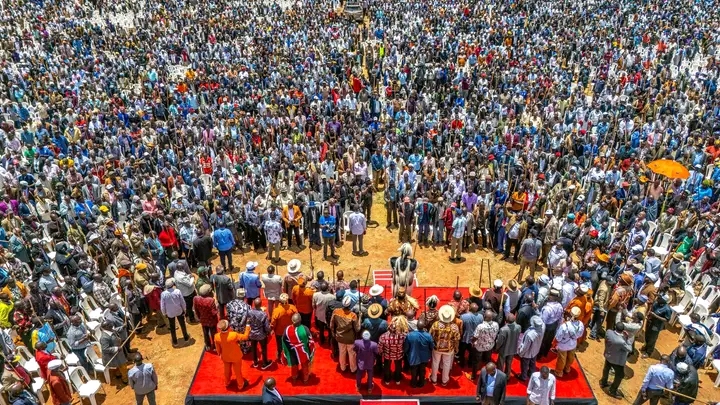
KIRIGITI, KIAMBU: More than 30,000 Gikuyu, Embu, Mbeere and Ameru elders gathered at Kirigiti Stadium, calling for unity, peace, reconciliation and patriotism while pledging to support national development.
KIRIGITI, KIAMBU COUNTY: More than 30,000 elders from the Gikuyu, Embu, Mbeere and Ameru communities gathered at the historic Kirigiti Stadium in Kiambu County, where they called for greater unity, peace, reconciliation and national cohesion.
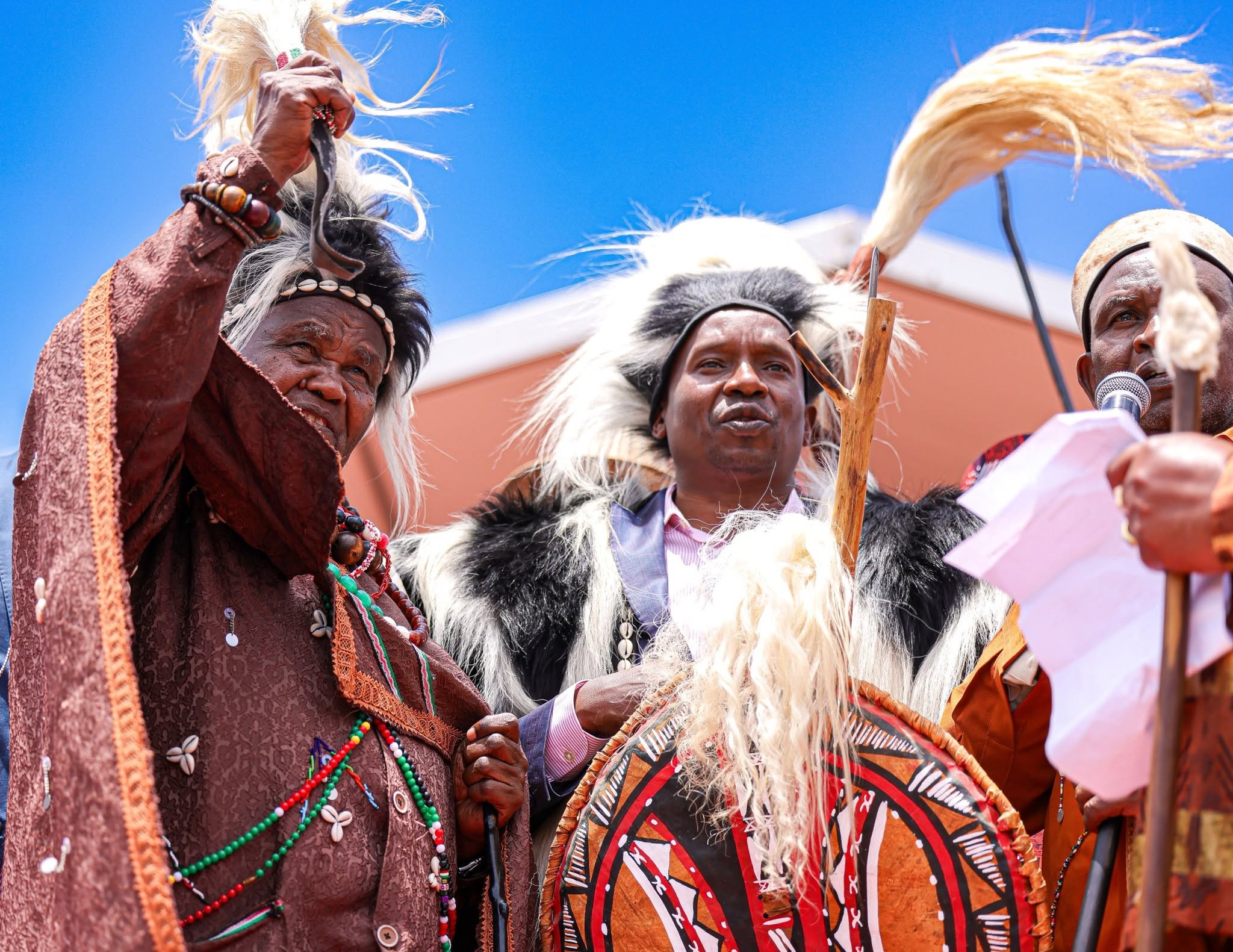
The gathering brought together representatives of several councils of elders, including Kiama Kia Ma, the Kikuyu Council of Elders, Kiama Kia Muembu, Nyangi Ndiriri and the Njuri Ncheke Supreme Council of Ameru Elders. The elders used the occasion to deliberate on issues affecting their communities and the wider country.
The elders resolved to support the Government and pledged to use their influence within society to promote peaceful coexistence, reconciliation, patriotism and positive cultural values.
The meeting at Kirigiti comes at a time when political discussions around the Mount Kenya region have intensified, with different leaders and community groups presenting varying views on regional leadership, unity and political representation ahead of the 2027 General Election.
The elders, however, placed emphasis on the need to maintain unity among the communities of the region and avoid political differences becoming a source of division.
In their declaration, the elders reaffirmed the historical, social, economic and cultural ties connecting the Gikuyu, Embu, Mbeere and Ameru communities. They said those ties should be protected and strengthened for the benefit of both the current and future generations.
The elders also highlighted their traditional role as custodians of community wisdom and values. They said they have a responsibility to guide younger generations, mediate disputes, promote reconciliation and encourage communities to pursue peaceful ways of resolving differences.
They further called for political activities to be conducted peacefully, saying disagreements over political leadership should not undermine relationships between communities or create unnecessary tensions.
The gathering also focused on the role of cultural institutions in promoting national unity. The elders said positive cultural values can help strengthen relationships within communities while also contributing to cohesion across Kenya.
Their resolutions included a commitment to promote peace and reconciliation and to encourage patriotism among members of their communities.
The elders said their influence should be used constructively, particularly in guiding young people and encouraging them to reject violence, hatred and divisions based on political differences.
The meeting also saw Deputy President Kithure Kindiki receive an endorsement from a section of the elders to serve as the region's spokesperson and representative in advancing its interests and aspirations.
The declaration was signed by representatives of various councils of elders. The elders said their decision was informed by Kindiki's position as Deputy President and his role in representing the region within the national Government.
According to reports from the gathering, the elders said Kindiki would be expected to advance the interests and aspirations of the Mount Kenya region while continuing to participate in national leadership.
The elders also expressed appreciation for what they described as development efforts by President William Ruto and Deputy President Kindiki in the region. They pointed to areas such as infrastructure and agriculture, including the coffee, dairy and tea sectors.
They urged residents to participate in peaceful political activities and maintain an environment that allows communities to pursue their economic and social interests.
The elders' message was also framed around the importance of avoiding political and ethnic divisions. They warned that divisions could undermine social cohesion and affect the region's economic wellbeing and future development.
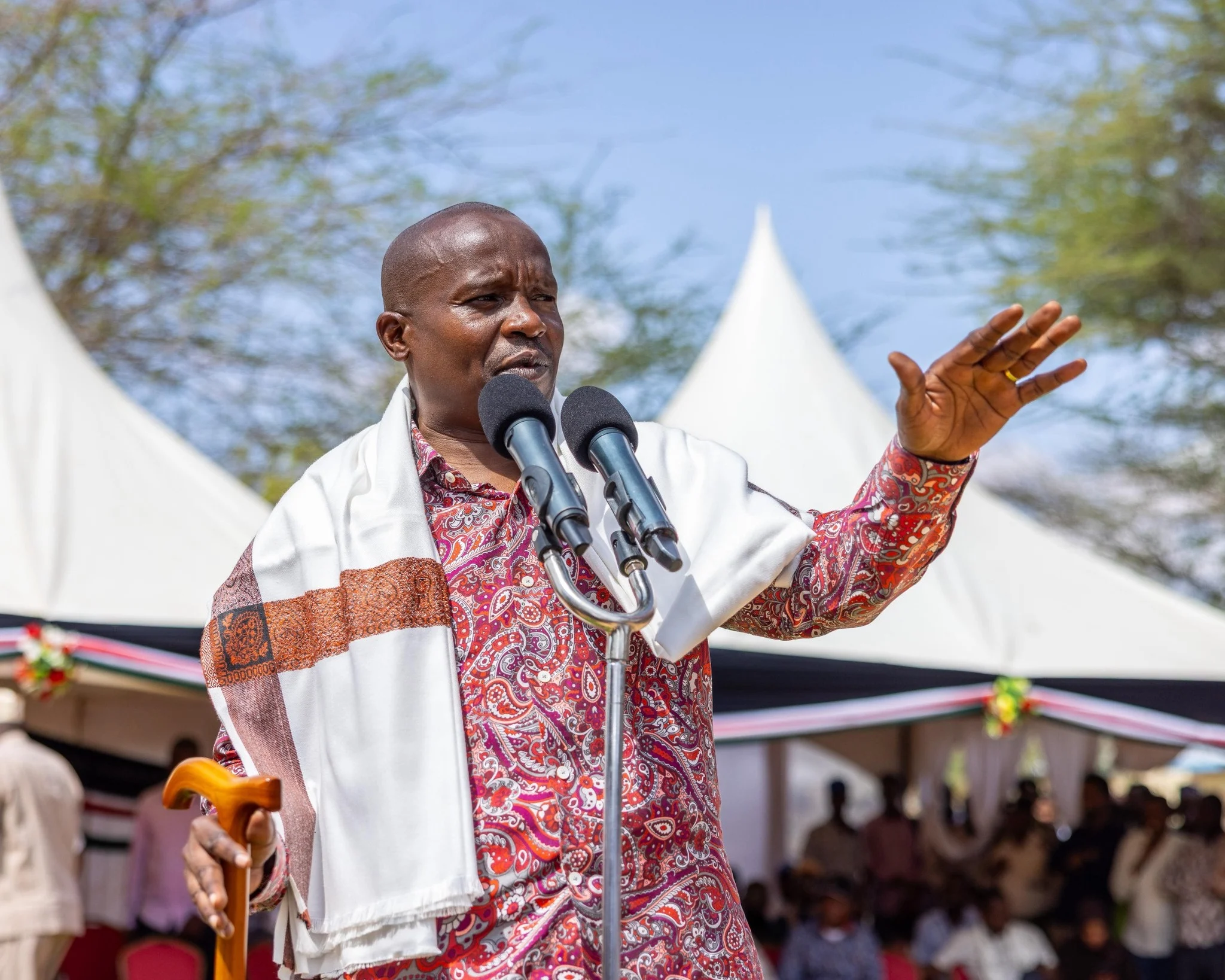
Deputy President Kindiki, who addressed the gathering, similarly called for unity among the communities associated with the Mount Kenya region.
Kindiki said political differences should not be allowed to tear apart communities that have historically worked together. He urged elders to continue engaging with young people and to play a greater role in promoting peace and cohesion.
He also emphasised the importance of elders in guiding younger generations and preventing political disagreements from escalating into divisions within communities.
Kindiki said the Government would support initiatives aimed at empowering elders to engage young people and address social challenges affecting communities, including alcohol and drug abuse.
The Deputy President also called for sustained engagement with elders across the wider Mount Kenya region, saying their experience and traditional leadership roles could contribute to peace and stability.
The meeting featured several symbolic cultural activities associated with reconciliation and unity. One of the notable moments involved the handling of a symbolic axe, which had featured prominently in recent political discussions concerning divisions within the Mount Kenya region.
According to reports from the gathering, the axe was returned to the elders in a symbolic gesture that was presented as part of efforts to promote reconciliation and unity.
The gathering at Kirigiti also carried historical significance. Kirigiti Stadium is associated with Kenya's political and independence history, and its selection as the venue gave the event additional historical and cultural symbolism.
The elders' assembly comes amid competing political messages from leaders within and outside the region. While some leaders have welcomed calls for unity, others have questioned the political meaning and intentions surrounding the gathering.
Former Cabinet Secretary Moses Kuria, for example, criticised the choice of Kirigiti Stadium as the venue, arguing that the site carries important historical significance. His comments reflect the differing political interpretations surrounding the elders' meeting.
Meanwhile, the elders maintained that their focus was on unity, peace, reconciliation and the preservation of cultural values.
Their resolutions extend beyond regional politics, touching on issues of national cohesion and peaceful coexistence. By calling on elders to use their influence to promote patriotism and reconciliation, the gathering sought to position traditional leadership as an important component in Kenya's social and political life.
The elders also emphasised the importance of preserving cultural values while encouraging communities to participate peacefully in national affairs.
As Kenya approaches the 2027 General Election, political mobilisation and community engagement are expected to remain prominent issues across the country. The Kirigiti gathering therefore provides another platform through which community leaders and elders are seeking to influence conversations around unity, leadership and development.
The elders said the region's communities should remain united despite political differences and should continue working together on issues affecting their social and economic wellbeing.
They also called for peaceful political participation and greater dialogue among communities and leaders.
The gathering ended with a broader message that community unity, peace and reconciliation should remain central to the region's future.
For the elders, their role goes beyond cultural ceremonies. They view themselves as custodians of traditions, advisers to leadership, mediators in disputes and guides for younger generations.
Their call at Kirigiti was therefore for communities to protect their shared heritage while embracing peaceful political engagement and national patriotism.
The elders' resolutions now place greater emphasis on their responsibility to promote peace, reconciliation and unity within their communities and across Kenya.
The Kirigiti meeting thus becomes part of the wider national conversation on how communities can preserve their cultural identity while contributing to a peaceful and united Kenya.

You Might Also Like
-
TRAGEDY IN BOMET: A first-year Bomet University student has tragically drowned at Mashinani Dam while reportedly fetching water. Her body was later retrieved as authorities investigate the incident.
-
President William Ruto has departed for New York to attend the 81st UN General Assembly, where he is expected to engage world leaders and advance Kenya’s diplomatic, economic and development interests.
-
DP Kithure Kindiki says he will ignore his critics and remain focused on his responsibilities, urging attention to the Government’s mission and service delivery.
-
President William Ruto's departure for New York is centered on Kenya's participation in the 81st United Nations General Assembly and a wider programme of diplomatic and economic engagements. His agenda includes attracting investment, promoting an Africa-financing-Africa approach, advancing artificia
-
The UDA grassroots meeting in Sosiot, Belgut Constituency, Kericho County, on September 19, 2026, ended prematurely after a disagreement between sections of party delegates and officials. The immediate issues reported included demands for sitting and travelling allowances, concerns over the distribu
-
The September 19, 2026 Kirigiti gathering marked a notable development in Mount Kenya's political landscape, with representatives of several regional elders' organisations formally endorsing Deputy President Kithure Kindiki as their spokesperson and representative. The elders presented the decision