



Murkomen Defends Kenya’s 2029 World Athletics Championships Bid Amid Doping Concerns
CS Kipchumba Murkomen has defended Kenya’s bid to host the 2029 World Athletics Championships, saying the country is transparent about doping cases and remains committed to fighting the vice
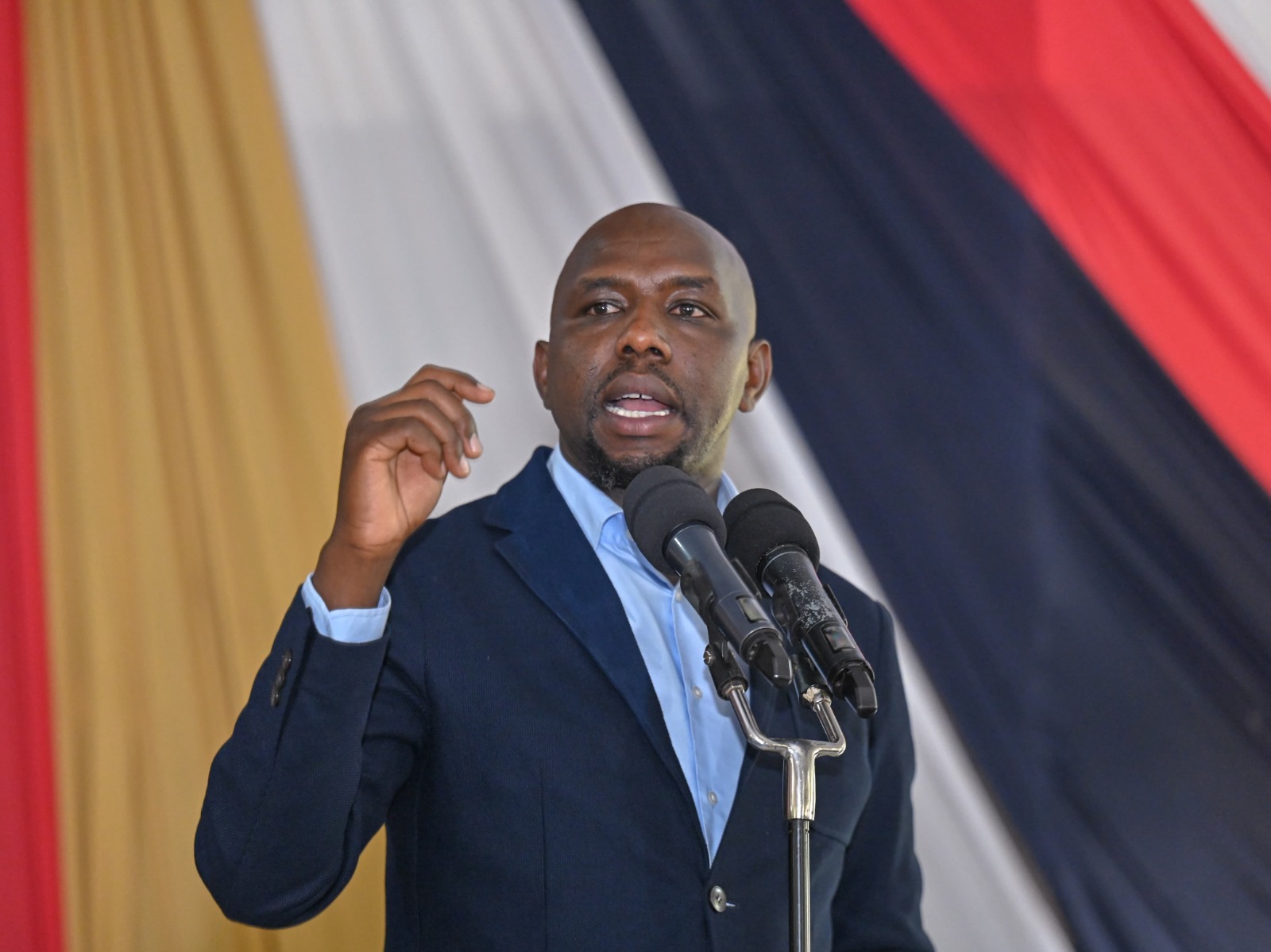
Interior and National Administration Cabinet Secretary Kipchumba Murkomen has defended Kenya’s successful bid to host the 2029 World Athletics Championships, maintaining that the country is transparent in handling doping cases involving its athletes.
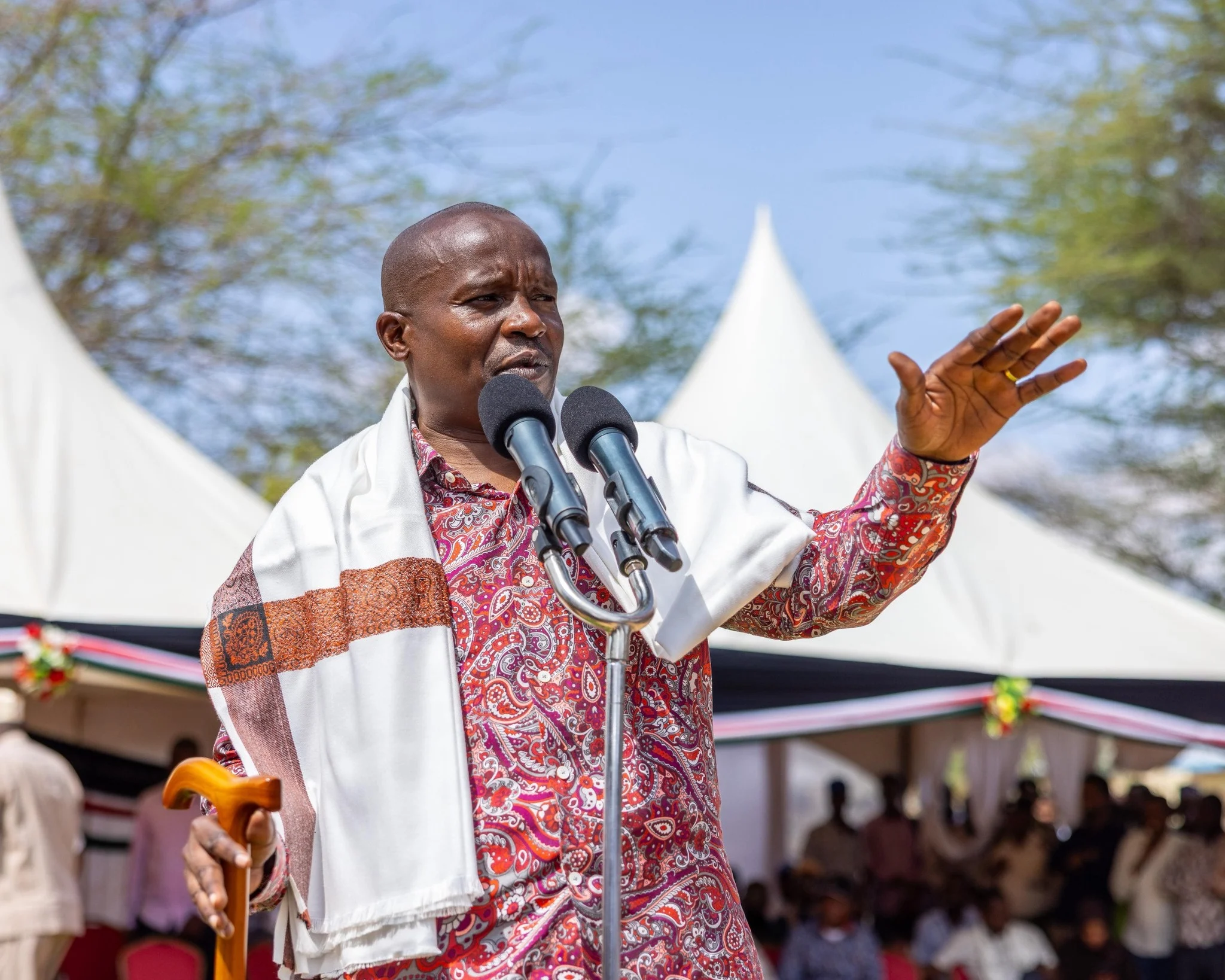
Murkomen spoke in Eldoret during the breakfast launch of the 2026 Mashujaa Day Sporting Tournament, where he addressed concerns raised over Kenya’s doping record following Nairobi’s selection to host the global athletics event.
His remarks came days after World Athletics selected Nairobi to host the 2029 championships, making it the first African city to stage the senior World Athletics Championships. The decision was announced following a World Athletics Council meeting in Budapest on September 15, 2026.
Murkomen rejected suggestions that Kenya conceals doping cases, arguing that the country has been open about violations involving its athletes and has continued to work with relevant institutions to address the problem.
The CS said the existence of doping cases should not, on its own, be interpreted as evidence that Kenya is unwilling to fight the vice. Instead, he pointed to the country's anti-doping structures and enforcement mechanisms as evidence of efforts to protect the integrity of athletics.
Kenya has faced international scrutiny over doping involving some of its athletes. The Athletics Integrity Unit continues to handle anti-doping cases within athletics, while Kenya's anti-doping authorities maintain systems for testing, investigations and sanctions.
The debate has gained renewed attention following Nairobi's successful bid to host the 2029 championships. Critics have raised questions about whether Kenya's history of doping violations should have an impact on its suitability to host the sport's biggest global event.
World Athletics, however, selected Nairobi after evaluating the bids submitted by prospective hosts. The organisation said Nairobi presented a strong proposal combining operational planning, financial guarantees, infrastructure and a vision for staging the championships in Africa for the first time.
The decision represents a significant milestone for Kenyan and African athletics. Nairobi will become the first African city to host the senior World Athletics Championships, giving the continent an opportunity to stage the sport's flagship global competition.
Kenya already has considerable experience in hosting international athletics competitions. Nairobi staged the World Under-18 Championships in 2017 and the World Under-20 Championships in 2021. The city has also hosted the Kip Keino Classic, which has become an important event on the World Athletics calendar.
According to World Athletics, that experience helped strengthen Nairobi's case during the bidding process. The organisation also highlighted the renovation of Kasarani Stadium, which is being upgraded ahead of the 2027 Africa Cup of Nations, as part of the infrastructure supporting the 2029 bid.
Murkomen has welcomed the decision as recognition of Kenya's long-standing contribution to athletics. He has also credited President William Ruto, sports officials and Athletics Kenya for their role in securing the hosting rights.
The CS has previously served as Sports Cabinet Secretary, giving him experience in matters relating to athletics, sporting infrastructure and international sporting events.
Speaking in Eldoret, Murkomen also reflected on the journey towards securing the 2029 championships, highlighting the role played by various stakeholders in developing Kenya's bid.
His defence comes as preparations begin for what will be one of the biggest sporting events ever hosted on the continent.
The championships are expected to bring together thousands of athletes, coaches, officials, journalists and spectators from around the world. The event will also place Kenya's sporting facilities, organisation and anti-doping systems under increased international attention.
The doping issue is therefore likely to remain an important part of preparations for the championships.
Kenya has had athletes sanctioned for anti-doping violations, and international athletics authorities continue to monitor compliance with anti-doping rules. The existence of these cases is documented, but Murkomen's argument is that cases being detected and acted upon demonstrate that violations are not simply being ignored.
World Athletics has also pointed to Kenya's continuing anti-doping efforts while defending the decision to award Nairobi the championships. Reports surrounding the bidding process noted that concerns over doping were part of the broader discussion, but the final decision took into account several factors beyond the issue.
The hosting rights consequently come with an added responsibility for Kenya to maintain strong anti-doping standards.
Sports authorities will be expected to ensure that athletes participating in the 2029 championships compete under internationally recognised rules and that testing and enforcement mechanisms remain effective.
For Kenyan athletes, hosting the championships on home soil will provide an opportunity to compete before a local audience at the highest level of international athletics.
Kenya has established itself as one of the world's most prominent athletics nations, particularly in middle- and long-distance running. Generations of Kenyan athletes have won major international titles and helped establish the country's reputation in global athletics.
The 2029 championships will provide a platform to showcase that tradition while also giving Kenya an opportunity to demonstrate its ability to host a major international sporting event.
Infrastructure development will form another important part of the preparations.
Kasarani Stadium is undergoing major renovation, with the facility expected to play a central role in the 2029 championships. The upgrades are part of wider preparations for major sporting events, including the 2027 Africa Cup of Nations.
Beyond Kasarani, the hosting of the championships is expected to generate attention around other sporting facilities, transport systems, accommodation and services required to support a major international competition.
The economic impact of the event is also likely to be part of the government's preparations. International athletes and visitors are expected to spend time in Kenya, potentially creating opportunities for tourism, hospitality, transport and other businesses.
Eldoret, which hosted Murkomen during the Mashujaa Day Sporting Tournament launch, also remains an important centre of Kenyan athletics. The city has produced numerous elite athletes and is widely associated with Kenya's distance-running culture.
The Mashujaa Day Sporting Tournament itself is being organised across Uasin Gishu, Elgeyo Marakwet and Nandi counties. The tournament is expected to provide opportunities for young people to participate in sport while promoting interaction among communities in the region.
Murkomen's remarks on doping therefore came within a wider discussion about sports development, youth participation and Kenya's growing role in international sporting events.
The successful 2029 bid has also placed greater attention on the country's ability to balance sporting success with the responsibility of maintaining integrity.
For the government and sports authorities, the challenge will be to ensure that preparations remain on schedule while strengthening measures designed to prevent doping and protect clean athletes.
World Athletics President Sebastian Coe said the organisation received several strong bids before Nairobi and Munich were selected to host the 2029 and 2031 championships respectively. The decision was based on the overall proposals presented by the candidate cities.
Nairobi's selection means the championships will come to Africa for the first time, following the 2027 edition in Beijing and preceding the 2031 championships in Munich. Both the 2029 and 2031 editions are scheduled for September.
The milestone is expected to raise the profile of athletics across the continent and could encourage more African countries to seek opportunities to host major international sporting events.
For Kenya, however, the hosting responsibility will extend beyond putting on successful competitions.
The country will also be expected to demonstrate strong governance, effective anti-doping enforcement and adherence to international athletics standards.
Murkomen's position is that Kenya should not be defined solely by doping violations involving individual athletes. He maintains that the country is confronting the problem through testing, investigations and sanctions, while remaining open about cases that arise.
As preparations for 2029 begin, the issue will continue to attract attention from athletes, sports officials and international observers.
The focus will now shift towards delivering the necessary infrastructure, strengthening organisational structures and ensuring that the championships meet the standards expected by World Athletics.
The event will offer Kenya an opportunity to showcase its athletics heritage and host the world's leading athletes on African soil.
At the same time, the country's anti-doping efforts will remain under scrutiny as authorities work to demonstrate that the fight against doping is an ongoing priority.
With Nairobi already confirmed as the 2029 host city, Kenya now faces the task of turning the successful bid into a well-organised championship while addressing the concerns that accompanied the selection.
Murkomen's message is that Kenya is ready for that responsibility and that the country has nothing to hide when it comes to confronting doping in athletics.
The 2029 World Athletics Championships will therefore be both a major sporting occasion and an important test of Kenya's ability to combine its athletics tradition with strong standards of integrity, transparency and fair competition.

You Might Also Like
-
Kipchumba Murkomen's visit to Nyeri on September 19, 2026, was marked by a strong security message ahead of the 2027 General Election. He warned politicians against using young people to cause violence and assured Kenyans that security agencies would work to ensure peaceful elections. He also put dr
-
TRAGEDY IN BOMET: A first-year Bomet University student has tragically drowned at Mashinani Dam while reportedly fetching water. Her body was later retrieved as authorities investigate the incident.
-
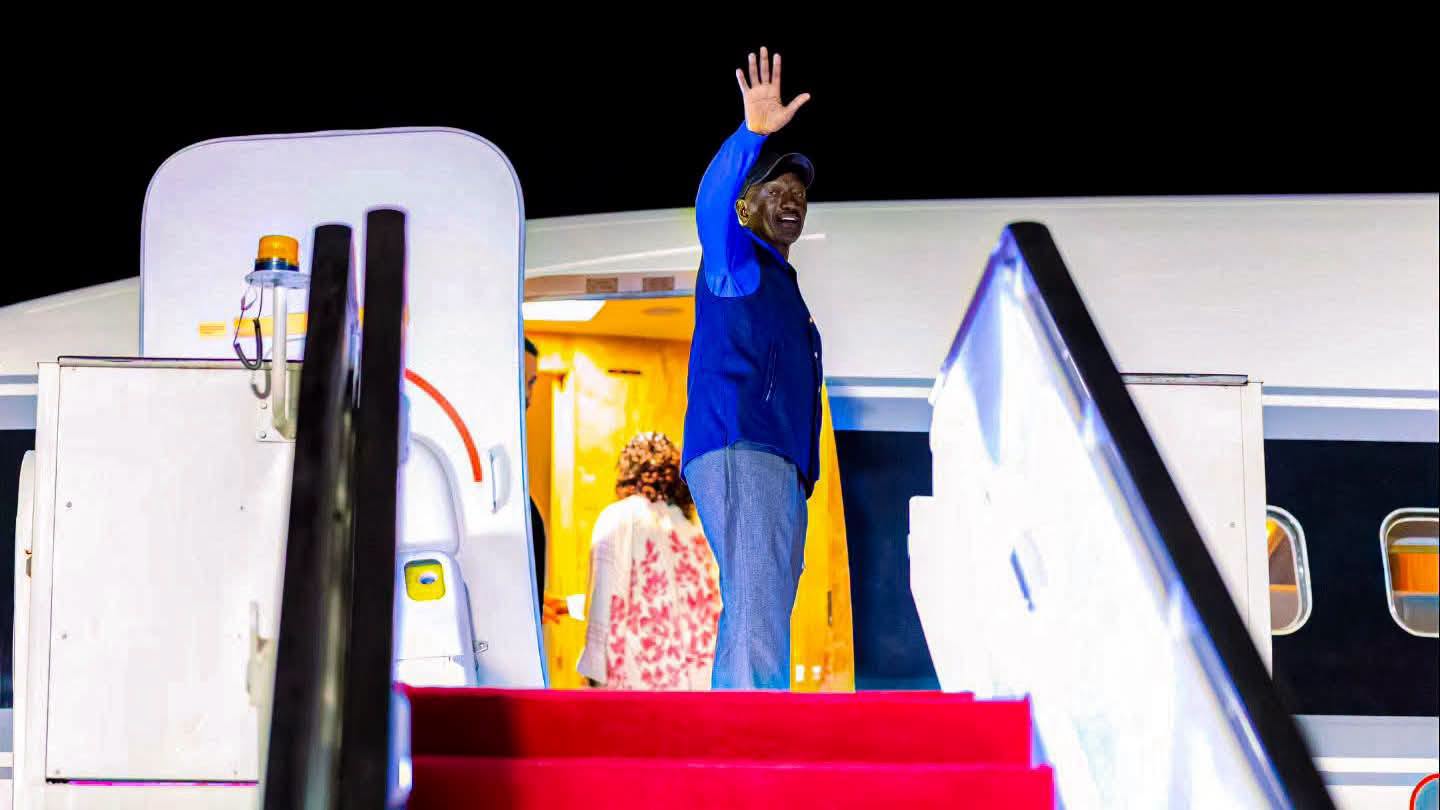
President William Ruto has departed for New York to attend the 81st UN General Assembly, where he is expected to engage world leaders and advance Kenya’s diplomatic, economic and development interests.
-
DP Kithure Kindiki says he will ignore his critics and remain focused on his responsibilities, urging attention to the Government’s mission and service delivery.
-
President William Ruto's departure for New York is centered on Kenya's participation in the 81st United Nations General Assembly and a wider programme of diplomatic and economic engagements. His agenda includes attracting investment, promoting an Africa-financing-Africa approach, advancing artificia
-
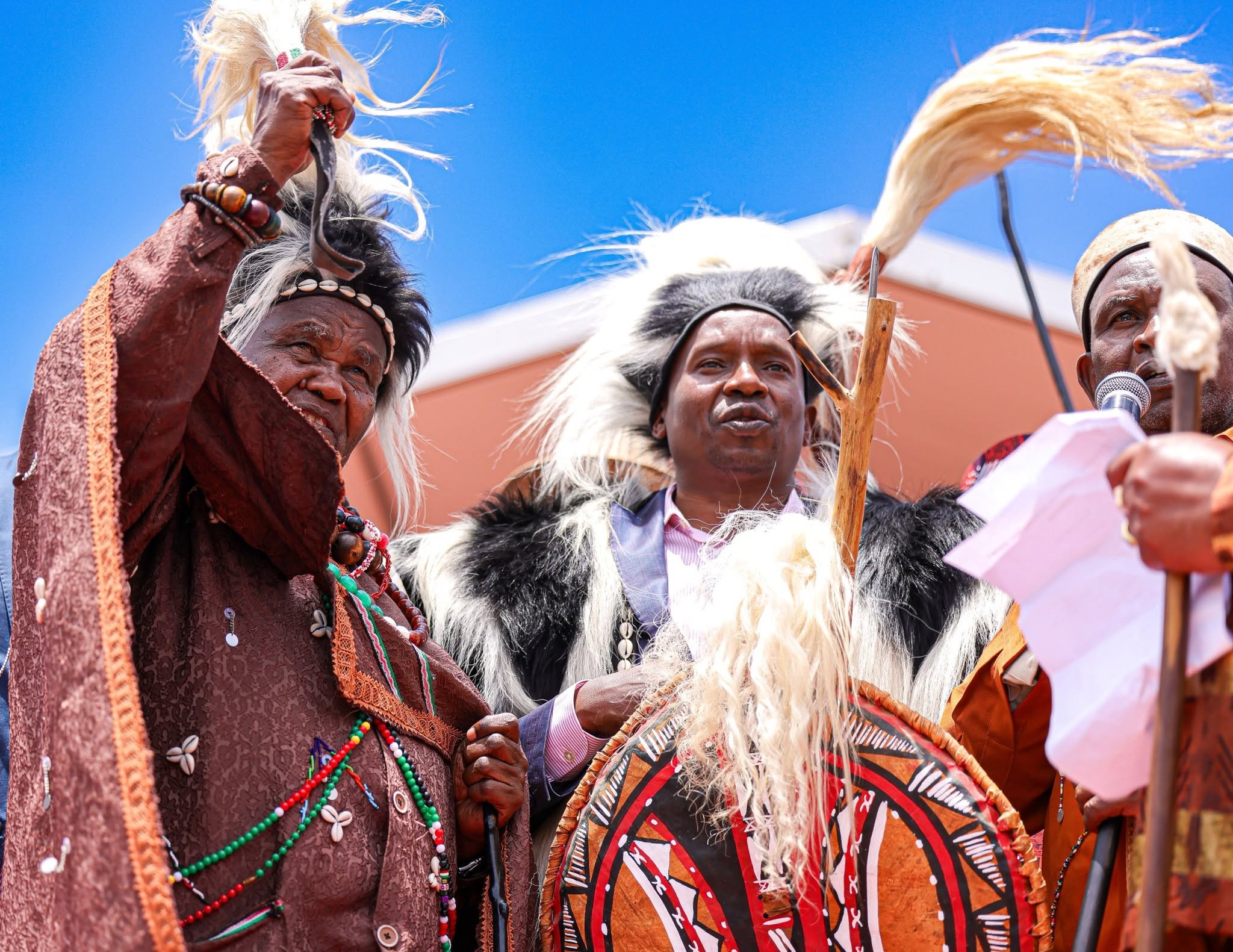
KIRIGITI, KIAMBU: More than 30,000 Gikuyu, Embu, Mbeere and Ameru elders gathered at Kirigiti Stadium, calling for unity, peace, reconciliation and patriotism while pledging to support national development.