Murkomen Unveils Major Nationwide Security Measures, Details 2027 Election Preparedness and Improved Service Delivery Before Parliament
Kipchumba Murkomen's appearance before the National Assembly on November 4, 2026, brought attention to the government's wider security and service delivery agenda. Among the measures he highlighted were the 16-month security roadmap ahead of the 2027 General Election, efforts to dismantle criminal gangs, intensified operations against illicit alcohol and drug abuse, the establishment of a dedicated Anti-Abduction Investigations Unit and the facilitation of Village Administrative Elders. He also emphasised the importance of preventing electoral violence, strengthening intelligence-led policing, promoting national cohesion and improving security coordination. As Kenya approaches the 2027 General Election, the implementation of these measures will be important in determining how effectively security agencies protect citizens and maintain public order.
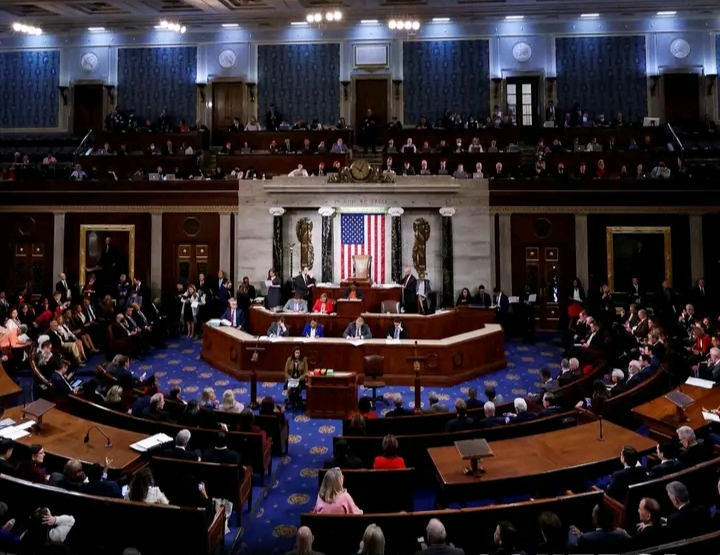
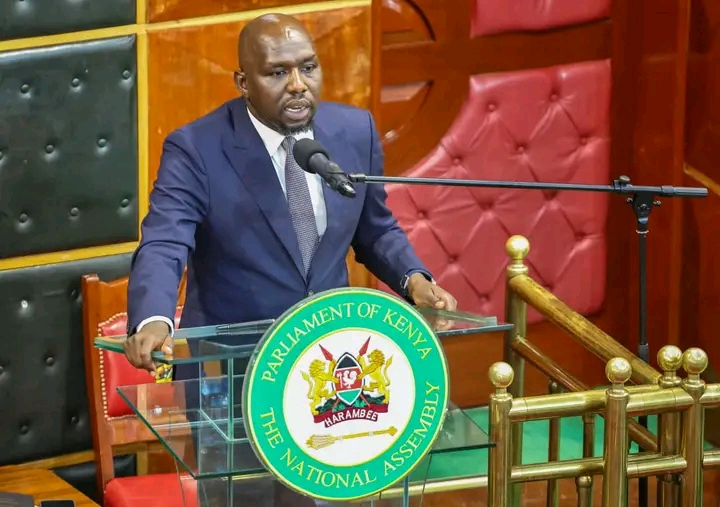
Interior and National Administration Cabinet Secretary Kipchumba Murkomen appeared before the National Assembly on Wednesday, November 4, 2026, to address questions concerning the measures the government has put in place to strengthen national security and improve service delivery across the country.
The appearance provided an opportunity for lawmakers to seek clarification on the government's security strategies, the management of national administration, the fight against crime and the steps being taken to ensure that government services reach citizens effectively.
Security remains a major national priority, particularly as the country continues to address challenges involving criminal activities, insecurity in some regions, cross-border threats, terrorism, banditry and public safety. Murkomen's engagement with Parliament was therefore significant in examining the government's approach to protecting citizens and strengthening institutions responsible for maintaining law and order.One of the major issues addressed during the parliamentary appearance was the country's preparedness for the 2027 General Election. With the next general election approaching, the government says it is putting measures in place to prevent violence, protect voters and ensure that the electoral process takes place in a secure environment.
Murkomen revealed that the National Police Service had developed a 16-month election security roadmap covering September 2026 to December 2027. The plan contains 28 activities divided into six phases, beginning with stakeholder engagement and preparations before progressing to operational planning, officer training, election operations and a post-election review.
The roadmap is intended to ensure that security agencies are adequately prepared to respond to possible threats before, during and after the elections.According to the Cabinet Secretary, police officers will strengthen intelligence-led and preventive policing while identifying areas considered vulnerable to electoral insecurity. This approach is intended to help security agencies identify potential threats early and take appropriate action before they develop into serious security incidents.
The government also plans to strengthen coordination among different security agencies to ensure that information is shared effectively and that officers respond promptly to emerging security challenges.
Murkomen explained that officers would be prepared to protect voters, political candidates, election officials and electoral infrastructure. This includes ensuring that Kenyans can attend political gatherings, participate in campaigns and exercise their democratic rights without intimidation.
He emphasised that security operations must be guided by political neutrality, professionalism, accountability and respect for human rights. These principles are important in ensuring that law enforcement agencies carry out their responsibilities without discrimination or political favouritism.Criminal gangs remain a security concern because of their involvement in activities such as robbery, intimidation, extortion and other offences that threaten the safety of ordinary citizens.
The Interior Ministry says it is strengthening security operations to identify and disrupt criminal networks while ensuring that individuals suspected of committing offences are investigated and taken through the legal process.
The government's strategy involves intelligence gathering, coordinated police operations and cooperation between national administration officers and other security agencies.Murkomen indicated that creating a safe environment for Kenyans requires sustained efforts to deal with criminal activities rather than waiting until insecurity escalates.
He also linked the crackdown on criminal gangs to preparations for the 2027 elections, noting that the government wants to prevent criminal elements from disrupting political activities or intimidating citizens.
The government is seeking to ensure that security agencies remain alert and capable of responding to threats in both urban and rural communities.Murkomen described illicit alcohol and drug abuse as serious threats to public health, community safety and the future of young people.
The government has been intensifying operations targeting the manufacture, distribution and sale of illegal alcoholic products. The operations involve County Commissioners, County Security and Intelligence Committees and other multi-agency security teams.
Authorities have been conducting inspections, confiscating illegal products, arresting suspects and closing businesses found operating contrary to the law.
Murkomen also warned that alcohol manufacturing factories found operating outside legal requirements risk closure and withdrawal of their licences.Murkomen also highlighted the establishment of a dedicated Anti-Abduction Investigations Unit to handle cases involving abductions and kidnappings.
The issue of missing persons and alleged abductions has attracted considerable public attention in Kenya, with families and human rights organisations calling for investigations and accountability whenever such incidents are reported.
The establishment of a specialised unit is intended to strengthen the investigation of these cases by providing a dedicated structure for handling reports, gathering evidence and pursuing those suspected of involvement.
Murkomen said the government had put the unit in place as part of its efforts to address abductions and kidnappings.Beyond security, Murkomen discussed measures aimed at improving government service delivery, particularly at the grassroots level.
One of the initiatives highlighted was the facilitation of Village Administrative Elders, who are expected to help strengthen administration and communication between the government and local communities.
Village-level administration is important because citizens often require government assistance and information on matters affecting their daily lives.
By strengthening structures at the grassroots, the government aims to improve the flow of information, identify challenges affecting communities and make it easier for residents to access relevant administrative services.
Village Administrative Elders can also support the communication of government programmes and help connect local communities with the wider national administration structure.Effective grassroots administration can also contribute to early identification of security concerns, peaceful resolution of local disputes and improved cooperation between communities and security agencies.
The government's broader objective is to ensure that service delivery does not remain concentrated in major towns and urban centres but reaches citizens in villages and remote areas.
For this approach to achieve its intended objectives, the roles of village administrative structures must be clearly defined, adequately supported and implemented in accordance with the law.The commission is expected to support public education, monitor hate speech and address ethnic incitement, particularly as political activities increase ahead of the 2027 General Election.
He cited initiatives such as Uchaguzi Bila Noma, which are aimed at encouraging peaceful political participation and discouraging divisive political mobilisation.
The Cabinet Secretary also called on the Independent Electoral and Boundaries Commission (IEBC) to enforce the Electoral Code of Conduct firmly and without favour.
He said candidates involved in violence and intimidation, including incidents carried out through their agents or supporters, should face the consequences provided by law.The Cabinet Secretary also addressed security concerns along the Kenya-Ethiopia border, particularly in the Moyale area, where tensions and conflict across the border have raised concerns about possible spillover effects.
He said the government was pursuing diplomatic engagement with Ethiopia while strengthening border security to protect Kenyan territory and communities living in the border region.
The approach involves cooperation between the two governments to prevent cross-border tensions from affecting residents on the Kenyan side.
Security along the border is important because communities living in these areas depend on peaceful relations for trade, movement, education and other economic activities.
Murkomen's remarks highlighted the importance of combining diplomatic engagement with appropriate security measures to protect national interests and maintain stability. His appearance before the National Assembly also demonstrated the role of Parliament in examining the work of government ministries and seeking explanations from Cabinet Secretaries on issues affecting citizens.
The National Assembly provides a platform where elected representatives can raise concerns about security, public administration and the implementation of government policies.
Security is a particularly important responsibility because it affects nearly every aspect of national development. Businesses require safe operating environments, schools need protection, investors depend on stability and citizens must be able to move freely without fear.
The discussions therefore placed attention on the need for security agencies to remain accountable while ensuring that their operations respect constitutional rights.
The government will also be expected to demonstrate how the proposed interventions are being implemented, whether adequate resources are available and whether the measures are producing meaningful improvements in communities.

You Might Also Like
-
The Government of Kenya has launched the NYOTA Access to Government Procurement Opportunities (AGPO) digital training programme targeting at least 600,000 entrepreneurs across the country, in a major initiative aimed at empowering young people, women and persons with disabilities to access governmen
-
Residents of Manyatta B in Kisumu County have been left shocked following the discovery of the body of an unidentified man dumped inside a damaged septic tank near Yellow Bridge on November 3, 2026. The discovery was reportedly made by a local resident, Willy Otiende, who was searching for his missi
-
Democrats have taken control of both the United States House of Representatives and the Senate following the November 3, 2026 midterm elections, marking a major political setback for President Donald Trump and the Republican Party. The Democratic victories across several states have shifted the bala
-
The Seventh Principal Secretaries’ Forum of 2026 in Malindi, Kilifi County, was an important government coordination meeting focused on national development, accountability and improved service delivery. Chaired by Chief of Staff and Head of Public Service Felix Koskei, the forum addressed critic
-
University lecturers have threatened to resume strike action if the government fails to address concerns over funding and unpaid bills. The warning comes days after they ended a month-long strike and returned to classrooms following a KSh20 billion agreement with the government. The deal covers the
-
Transport Cabinet Secretary Davis Chirchir's warning to motorists at Kimende on Wednesday, November 4, 2026, highlights the importance of road safety as construction continues along the Rironi–Mau Summit Highway. While the government is working to expand the highway and improve transportation, mot