Musalia Mudavadi Woos Global Investors at Equity Bank’s 2026 Trade and Investment Roadshow as Kenya Unveils Ambitious KSh5 Trillion Infrastructure Plan
Musalia Mudavadi's address at the Equity Group Kenya Trade and Investment Roadshow 2026 has placed international investment, manufacturing, infrastructure development and economic diplomacy at the centre of Kenya's development agenda. By calling on international investors to partner with Kenyan businesses, he has emphasised the need for investments that deliver technology, expertise, employment and access to global markets. The ambitious KSh5 trillion infrastructure financing plan further demonstrates the government's intention to mobilise private capital to support major development projects. With more than 650 delegates from over 53 countries attending the roadshow, Kenya has an important opportunity to showcase its economic potential and strengthen its international business relationships.
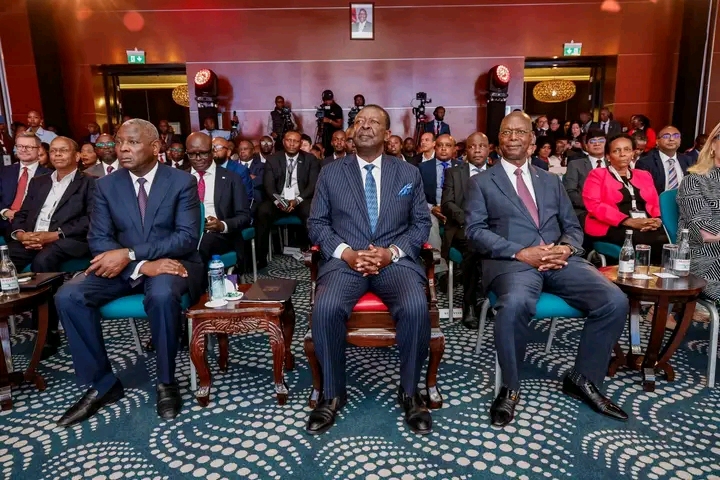
Prime Cabinet Secretary and Cabinet Secretary for Foreign and Diaspora Affairs, Dr Musalia Mudavadi, has called on international investors to take advantage of Kenya's growing economic opportunities and establish meaningful partnerships with local businesses. Speaking on Thursday, November 26, 2026, during the opening of the Equity Group Kenya Trade and Investment Roadshow 2026 in Nairobi, Mudavadi outlined the government's commitment to transforming Kenya into a production-driven economy through manufacturing, infrastructure development, innovation, technology and increased exports.His address came at a significant moment when Kenya is intensifying efforts to attract foreign direct investment, expand its manufacturing sector and strengthen its position as a leading commercial and financial hub in Africa. He highlighted the importance of partnerships between the government, private sector, international financial institutions and local entrepreneurs in accelerating economic development.
The roadshow, organised by Equity Group Holdings, has brought together more than 650 delegates from over 53 countries, including investors, business executives, manufacturers, exporters, policymakers and development partners. Its main objective is to connect international capital with investment opportunities in Kenya and the wider African region.
The event is taking place from November 25 to November 29, 2026, with activities including business forums, exhibitions, business-to-business meetings, government engagements and visits to production facilities.He explained that the government wants to move away from an economy that primarily depends on exporting raw materials towards one that produces finished and semi-finished goods.
This approach is expected to increase the value of Kenyan exports, strengthen local industries and create employment opportunities for young people.
Mudavadi emphasised that international partnerships should produce benefits for both foreign investors and Kenyan businesses. Local companies should be able to access modern production methods, better financing, international distribution networks and specialised expertise.The infrastructure fund is intended to attract financing from private investors, pension funds, institutional investors, development finance institutions and other strategic partners.
The government wants to use the fund to finance commercially viable infrastructure projects without relying entirely on public borrowing and government revenue.
Mudavadi explained that infrastructure development is essential to creating an environment where businesses can operate efficiently and investors can confidently establish long-term investments.
He highlighted several major infrastructure priorities.
Road infrastructure: Mudavadi disclosed that approximately 7,000 kilometres of roads were under construction, with additional projects expected to be implemented through government financing and public-private partnerships.
Improved road networks are expected to make it easier for farmers, manufacturers and traders to transport their products to markets. Better roads will also improve connections between production centres, industrial areas, ports and neighbouring countries.Electricity generation: The government is targeting an additional 10,000 megawatts of electricity generation capacity, alongside expanded transmission infrastructure.
Reliable and affordable electricity is particularly important for manufacturing companies, processing industries and other businesses that depend on consistent power supplies.
Digital infrastructure: Mudavadi also highlighted the digital superhighway programme, which targets 100,000 kilometres of fibre-optic connectivity and public Wi-Fi hotspots across the country.
The expansion of digital infrastructure is expected to support technology companies, online businesses, digital financial services and government service delivery.Kenya's membership in the East African Community (EAC), the Common Market for Eastern and Southern Africa (COMESA) and the African Continental Free Trade Area (AfCFTA) also provides businesses with opportunities to reach a wider consumer market.
Mudavadi argued that investors establishing production facilities in Kenya should look beyond the country's domestic market and consider the opportunities available across Africa.
This is particularly important for international manufacturers seeking locations where they can establish production facilities and distribute goods to several countries.
The government wants Kenya to benefit from its geographical position by attracting companies that can manufacture locally, employ Kenyan workers and export products to international destinations.Export Processing Zones offer qualifying businesses various incentives, including tax relief and exemptions from certain duties.
Special Economic Zones also provide incentives intended to attract manufacturers and other investors.
The Nairobi International Financial Centre is another initiative aimed at attracting international financial institutions, investment managers and global businesses.
The government hopes that these initiatives will make Kenya a more attractive destination for investors seeking stable regulatory arrangements and opportunities to operate across the African continent.
However, attracting investors will also require consistent implementation of policies, transparency and predictable business regulations.The roadshow is designed to demonstrate how African financial institutions can support economic transformation by bringing together investors, manufacturers, exporters and buyers.
During the event, Equity Group also announced two important partnerships.
The first involves Japan's MUFG Bank, through an agreement to establish a Japan and East Asia trade desk within Equity Group. This is expected to help businesses in East and Central Africa access opportunities in Japan and other Asian markets.
The second involves Equity Group Foundation, Equity Bank Kenya and international logistics company DHL through the GoTrade programme. The partnership aims to strengthen the export readiness of Kenyan small and medium-sized enterprises through training, financing advice and logistics expertise.The event provides an opportunity for international investors to interact directly with Kenyan business leaders and government representatives.
On November 26, the programme featured a major business forum, exhibitions and business-to-business matchmaking sessions.
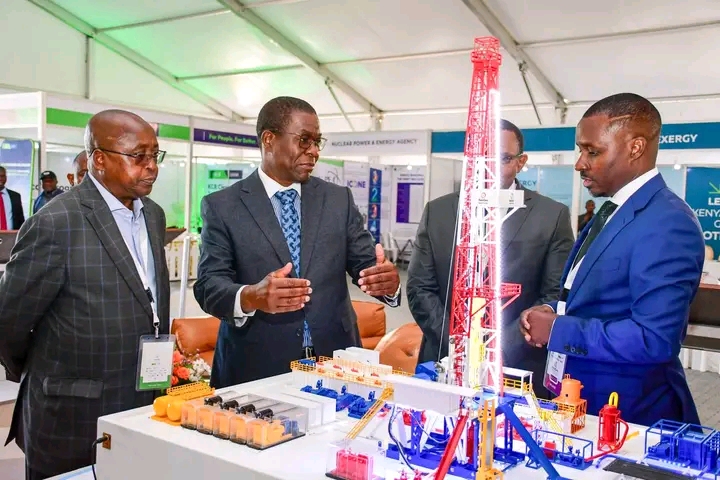
The exhibition provides Kenyan manufacturers, processors, exporters and service providers with an opportunity to showcase their products, production capacity and certifications.
The business-to-business meetings are particularly important because they allow companies to discuss potential commercial partnerships, financing arrangements, distribution agreements and supply contracts.
The programme also includes government-to-business engagements, allowing investors to interact with relevant government agencies and regulators.Another expected benefit is the expansion of local businesses. Partnerships with international companies can provide Kenyan entrepreneurs with access to financing, modern equipment, international buyers and better production techniques.
The initiative could also increase Kenya's foreign exchange earnings through expanded exports.
When Kenyan businesses produce and export more finished products, the country can strengthen its position in international trade and reduce excessive dependence on imported manufactured goods.
Infrastructure investment could further improve the business environment by reducing transportation costs, improving electricity supply and expanding internet connectivity.
The government also hopes that increased private sector participation will reduce pressure on public resources when financing major development projects.Challenges Kenya must address to attract more investors
Although Mudavadi presented an ambitious vision for Kenya's economic transformation, the country must address several challenges to achieve its investment objectives.
The cost of doing business remains an important consideration for manufacturers and entrepreneurs.
High production costs, electricity expenses, taxation and transportation challenges can affect the competitiveness of locally manufactured goods.
Kenya must also maintain a predictable business environment where investors understand the rules governing their investments.
Public debt and pressure on government finances are additional considerations when implementing large infrastructure projects.
What Mudavadi's participation means for Kenya's economic future
Mudavadi's participation in the Equity Bank Kenya Trade and Investment Roadshow 2026 reflects the government's growing emphasis on economic diplomacy as a tool for national development.
His message was that Kenya must position itself as a country that produces, manufactures, innovates and exports rather than relying primarily on its reputation as a regional commercial centre.The proposed KSh5 trillion infrastructure fund, the expansion of electricity generation, the digital superhighway and the development of road networks are all part of the broader ambition to improve Kenya's investment environment.
His call for Kenyan diplomats to become economic partners also demonstrates the importance of linking foreign relations with the country's commercial interests.
For local entrepreneurs, the roadshow provides an opportunity to meet international investors, explore financing opportunities and establish partnerships that could help their businesses grow beyond Kenya.
For foreign investors, it provides an opportunity to understand the country's priority industries, identify potential partners and explore opportunities in East Africa.
Ultimately, the success of the initiative will be measured by the investments secured, businesses established, jobs created, exports expanded and improvements made to the country's productive capacity.

You Might Also Like
-
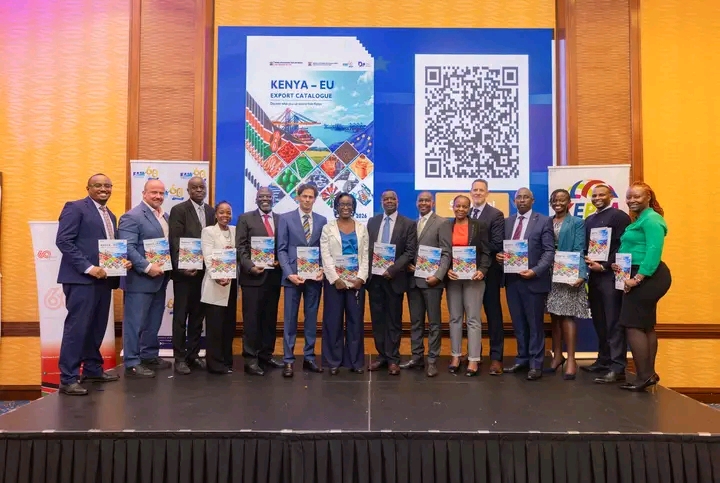
The unveiling of the Kenya-EU EPA Export Catalogue 2026 by the Kenya Association of Manufacturers and its partners marks an important step in Kenya's efforts to increase exports, strengthen local manufacturing and expand its presence in international markets. The initiative seeks to address informa