NACADA CEO PRAISES JUDICIARY OVER KSH50 MILLION FINE, 20-YEAR JAIL TERM IN DRUG TRAFFICKING CASE
NACADA Chief Executive Officer Anthony Omerikwa has commended the Judiciary for its role in strengthening Kenya's fight against drug abuse and trafficking, praising the tough penalties imposed on individuals found guilty of drug-related offences. Omerikwa says the KSh50 million fine or 20-year prison sentence handed down in a drug trafficking case sends a strong warning to those involved in the illegal trade. He has emphasised the importance of strict enforcement of the law and cooperation among government institutions in dismantling drug trafficking networks. The remarks come amid continued efforts to protect communities, particularly young people, from the harmful effects of drugs and substance abuse. NACADA maintains that effective law enforcement, public awareness, prevention programmes and rehabilitation are all essential in addressing the growing challenge and safeguarding the country's future.
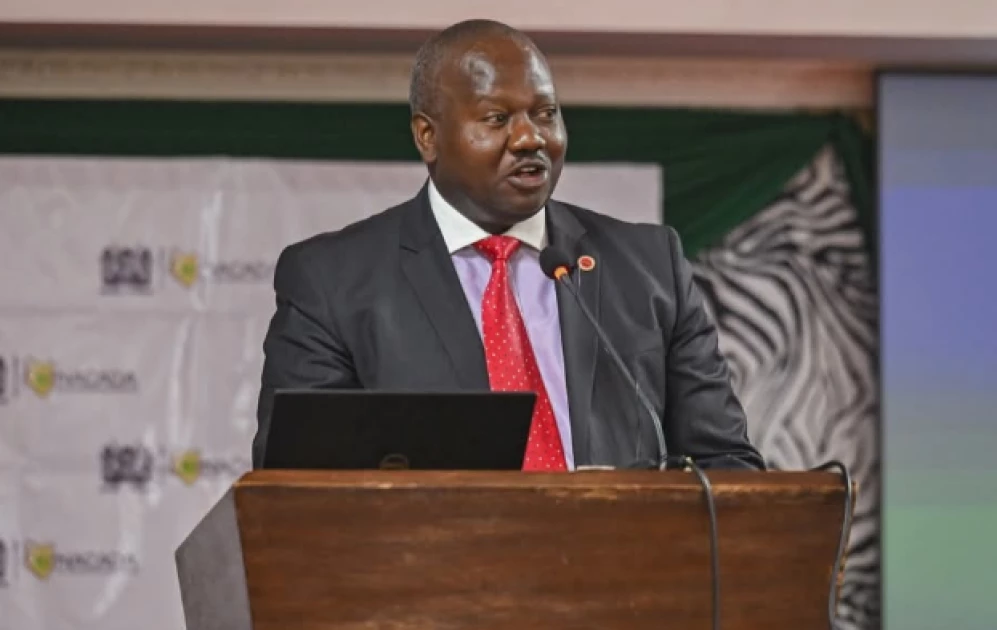
The National Authority for the Campaign Against Alcohol and Drug Abuse (NACADA) Chief Executive Officer, Anthony Omerikwa, has commended the Judiciary for its continued support in the fight against drug abuse and trafficking, describing tough penalties imposed on drug-related offenders as an important step towards protecting communities and discouraging illegal activities.
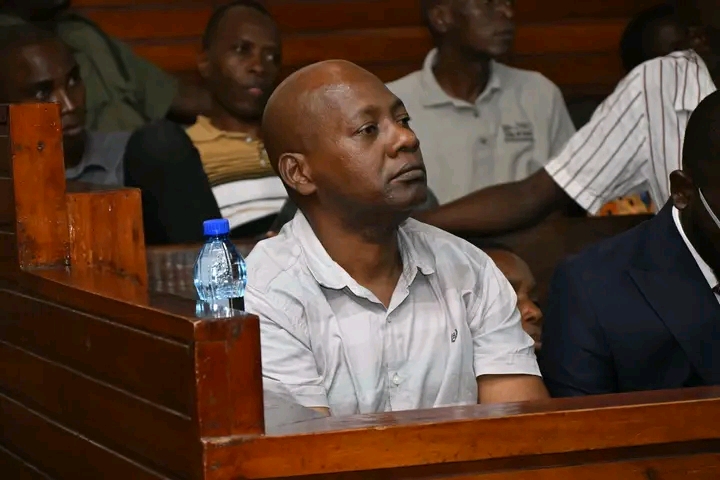
Omerikwa praised the Judiciary following a ruling in a drug trafficking case in which the court imposed a fine of KSh50 million or a 20-year prison sentence. He said the punishment sends a strong warning to individuals involved in the illegal drug trade and demonstrates the seriousness with which the country is expected to handle offences that threaten public health and security.
According to Omerikwa, the enforcement of strict penalties is necessary to discourage drug trafficking and prevent criminal networks from expanding their operations. He noted that individuals who engage in the illegal supply and distribution of drugs must understand that their actions carry serious legal consequences.
The NACADA chief executive's remarks highlight the importance of cooperation between institutions responsible for enforcing the law and those mandated to address alcohol and drug abuse. While law enforcement agencies play a key role in identifying and arresting suspects, the Judiciary is responsible for determining cases based on evidence presented before the courts and imposing appropriate penalties where guilt is established.
Drug trafficking remains a major concern because of its impact on individuals, families and communities. The illegal trade exposes people, particularly young people, to substances that can affect their physical health, mental wellbeing, education and ability to participate productively in society.
The trade also creates wider security challenges by supporting criminal networks and encouraging other unlawful activities. Money generated through drug trafficking can strengthen organised criminal groups, making it more difficult for authorities to disrupt their operations. This has made the fight against the illegal drug business an important priority for government agencies and other stakeholders.
Omerikwa's appreciation of the Judiciary reflects NACADA's position that the fight against alcohol and drug abuse requires more than public awareness campaigns. It also demands effective investigations, prosecution of offenders, enforcement of existing laws and consistent application of penalties against individuals found guilty of drug-related crimes.
The KSh50 million fine or 20-year prison term cited by Omerikwa is particularly significant because of the deterrent message it is intended to communicate. Heavy penalties can discourage individuals who may be considering entering the illegal drug business by demonstrating that trafficking carries substantial financial and legal risks.
However, the success of the fight against drug trafficking also depends on the ability of relevant agencies to identify the individuals and networks responsible for the trade. Authorities must continue strengthening intelligence gathering, surveillance, investigations and cooperation across different levels of law enforcement to prevent illegal substances from reaching communities.
The enforcement of the law must also be accompanied by efforts to address the demand for drugs. While arresting traffickers and disrupting supply networks is essential, reducing the number of people using harmful substances remains equally important. This requires sustained public education, early intervention, rehabilitation programmes and support for individuals struggling with substance use disorders.
NACADA has a central role in coordinating national efforts aimed at preventing and reducing alcohol and drug abuse. Its responsibilities include creating public awareness, supporting prevention programmes, promoting research and working with institutions involved in addressing substance-related challenges.
Through public education, the authority seeks to inform Kenyans about the dangers associated with drug and alcohol consumption. Such initiatives are particularly important among young people, who may be exposed to peer pressure, misleading information and environments where harmful substances are readily available.
Schools, colleges and universities are important spaces for prevention because they bring together young people at a stage when their decisions can have long-term consequences. Awareness programmes can help learners understand the risks associated with substance abuse and encourage them to make informed choices.
Families also play an important role in preventing drug abuse. Parents and guardians can help by maintaining open communication with children, recognising warning signs and seeking professional support when necessary. Community leaders, religious institutions and youth organisations can further strengthen these efforts by promoting healthy lifestyles and creating opportunities for young people to participate in constructive activities.
Omerikwa's remarks also draw attention to the importance of ensuring that drug trafficking cases are handled effectively through the justice system. Investigations must be thorough, evidence must be properly collected and presented, and prosecutions must follow the law. This helps ensure that individuals responsible for serious offences face appropriate consequences while the rights of accused persons are respected.
The Judiciary's role is therefore an important part of the wider national response. Courts provide a legal avenue for determining criminal responsibility and ensuring that penalties are imposed in accordance with the law. Decisions in drug trafficking cases can also reinforce public confidence in the country's efforts to address organised criminal activity.
The fight against drug trafficking cannot, however, be left to the Judiciary alone. It requires coordination between NACADA, the police, investigative agencies, prosecutors, government departments, county administrations and community organisations. Each institution has a different responsibility, but their efforts must work towards the shared goal of reducing the availability and use of harmful substances.
Border control agencies are also important in preventing illegal drugs from entering the country through unauthorised channels. Effective monitoring of entry points, intelligence sharing and cooperation with regional and international partners can help disrupt trafficking networks operating across national boundaries.
The increasing sophistication of criminal networks means that authorities must continuously improve their methods of detecting and investigating drug-related offences. Traffickers may use different routes, concealment methods and financial arrangements to avoid detection. This makes intelligence-led enforcement and cooperation among agencies increasingly important.
At the same time, public participation remains essential. Members of the public can support the fight against drug trafficking by reporting suspicious activities to relevant authorities through appropriate channels. Community awareness can help identify emerging problems early and prevent illegal operations from taking root in residential areas and other public spaces.
The consequences of drug abuse extend beyond the individuals directly involved. Families may experience financial difficulties, emotional distress and strained relationships when a member becomes dependent on harmful substances. Communities can also face increased insecurity, reduced productivity and pressure on healthcare and social support services.
Young people are particularly vulnerable to the long-term effects of substance abuse because their education, employment prospects and personal development may be affected. Preventing drug use at an early stage is therefore important in protecting future generations and reducing the wider social and economic burden associated with addiction.
Rehabilitation and treatment programmes must also remain part of the national strategy. Individuals struggling with substance dependence may require medical attention, counselling and continued social support to recover. Providing access to appropriate services can help them rebuild their lives and reduce the likelihood of returning to harmful patterns.
A balanced approach that combines prevention, treatment, rehabilitation and law enforcement is essential. Punishment can address criminal conduct, particularly trafficking and the illegal distribution of controlled substances, while treatment and rehabilitation can support people affected by substance dependence.
Omerikwa's commendation of the Judiciary comes at a time when government agencies continue to face pressure to strengthen measures against drug trafficking and substance abuse. The scale of the challenge requires consistent action, adequate resources and cooperation between institutions tasked with protecting public safety.
The KSh50 million fine or 20-year jail term highlighted by the NACADA chief executive serves as an example of the serious consequences that may follow drug trafficking convictions. His remarks underline the importance of ensuring that individuals involved in the illegal trade are held accountable through the established legal process.
The fight against drug abuse and trafficking requires a sustained national commitment. Strong judicial action, effective investigations, public education, accessible rehabilitation services and community involvement must complement one another if the country is to make meaningful progress.
By recognising the Judiciary's contribution, Omerikwa has emphasised the need for institutions to work together in addressing a challenge that affects public health, family stability, economic productivity and national security. The message is that drug trafficking is not simply an illegal business but an activity with far-reaching consequences for society.
As efforts continue, the effectiveness of the country's response will depend on how consistently existing laws are enforced, how well prevention programmes reach vulnerable populations and whether people affected by substance abuse can access the support they need. NACADA's call for stronger collaboration reflects the understanding that lasting progress requires action from both government institutions and the wider public.

You Might Also Like
-
The threat by opposition leaders to organise mass action over electoral reforms marks a significant development in Kenya's preparations for the August 2027 General Election. Led by figures including Rigathi Gachagua, Kalonzo Musyoka, David Maraga, Martha Karua, Fred Matiang'i and Edwin Sifuna, the o
-
The conviction of Paul Nthenge Mackenzie and 11 others on November 25, 2026, marks another major development in the ongoing Shakahola cases. The Tononoka Children's Court found the 12 accused persons guilty of various offences involving assault, cruelty to children and violations of children's right
-
The seven-day strike ultimatum issued by the Kenya Union of Clinical Officers on November 25, 2026, has placed the government, the Council of Governors and several county administrations under pressure to resolve longstanding labour disputes. KUCO is demanding full implementation of the January 28,
-
Aden Duale's meeting with Aga Khan University President and Vice-Chancellor Dr. Sulaiman Shahabuddin and Pakistan's Federal Health Minister Syed Mustafa Kamal in Karachi marks an important engagement in Kenya's efforts to strengthen international healthcare partnerships. The discussions focused on
-
Edwin Sifuna's engagement with Kenyans in the diaspora in Maryland, USA, marks an important part of the Linda Mwananchi Movement's international outreach programme ahead of the 2027 General Election.Through meetings with businesspeople, Maryland elected officials, Afri Thrive, women, the 6.25 Moveme
-
President William Ruto has held bilateral talks with German President Frank-Walter Steinmeier at State House, Nairobi, during his official visit to Kenya, with discussions focusing on strengthening diplomatic relations and expanding economic cooperation between the two countries. A key highlight was