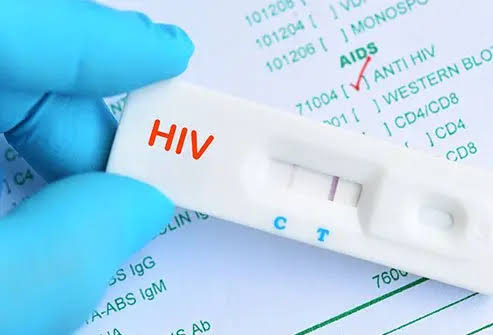
National Syndemic Diseases Control Council Estimates 300,000 Female Sex Workers in Kenya, Accounts for 27% of New HIV Infections
The National Syndemic Diseases Control Council (NSDCC) has raised concern over the number of female sex workers in Kenya, estimating their population at approximately 300,000. The figures have renewed focus on HIV prevention, access to healthcare and the challenges facing vulnerable populations. The discussion highlights the need for increased awareness, regular HIV testing, access to condoms and preventive medication, improved healthcare services and efforts to address stigma and discrimination as Kenya continues its fight against new HIV infections.
The National Syndemic Diseases Control Council (NSDCC) has estimated that Kenya has approximately 300,000 female sex workers, highlighting the need for stronger interventions to address HIV transmission and improve access to healthcare among vulnerable populations. The figures have renewed attention on the country's efforts to reduce new HIV infections and strengthen prevention programmes targeting communities considered to be at increased risk.
Female sex workers face several challenges that can increase their vulnerability to HIV, including inconsistent access to condoms, economic difficulties, stigma, discrimination and limited access to essential healthcare services. These challenges can make it difficult for some individuals to protect themselves against HIV and other sexually transmitted infections.
Economic hardship is among the factors that can influence decisions surrounding sexual health. Some women may experience financial pressure that limits their ability to negotiate safer sexual practices or insist on condom use. Others may find it difficult to access regular medical services because of the costs involved, their working conditions or fear of discrimination.
The situation highlights the importance of strengthening public health programmes that address the specific needs of vulnerable populations. Healthcare services should be accessible, affordable and confidential to encourage more people to seek medical attention without fear of judgement.
Kenya has made progress in addressing HIV through expanded testing, increased access to antiretroviral treatment and public awareness campaigns. However, new infections remain a public health concern, requiring continued investment in prevention, education and treatment services.
Regular HIV testing remains one of the most important ways of controlling the spread of the virus. Individuals who know their HIV status can make informed decisions about their health and seek appropriate medical support. Those who test positive can begin treatment early, improving their health outcomes and reducing the risk of transmitting the virus.
Antiretroviral therapy has played a significant role in improving the lives of people living with HIV. When taken consistently, the medication helps suppress the virus to undetectable levels, allowing individuals to live healthier lives. People who maintain an undetectable viral load do not transmit HIV through sexual contact.
For individuals who test negative but face an increased risk of exposure, pre-exposure prophylaxis, commonly known as PrEP, provides another prevention option. When taken as prescribed, the medication significantly reduces the risk of acquiring HIV.
The distribution of condoms and lubricants is also an important component of prevention programmes. Health authorities and community organisations are encouraged to ensure that these products are readily available, particularly among populations that may face increased exposure to HIV.
Stigma and discrimination remain significant obstacles in the fight against HIV. Some female sex workers may avoid visiting healthcare facilities because they fear being judged, mistreated or having their personal information disclosed. Such experiences can discourage individuals from seeking testing, treatment and other essential medical services.
Healthcare providers therefore have an important responsibility to create welcoming environments where everyone can access services without discrimination. Respectful treatment, confidentiality and professional medical support can encourage more people to seek healthcare when necessary.
Community-based organisations are also playing an important role in connecting vulnerable populations with healthcare services. Through outreach programmes, peer education and awareness campaigns, these organisations help distribute prevention materials, encourage testing and provide information about available treatment options.
Violence and insecurity are additional challenges affecting some female sex workers. Physical assault, sexual violence, exploitation and intimidation can expose individuals to further health risks while making it difficult for survivors to seek medical assistance.
People who experience possible HIV exposure through sexual violence should receive urgent medical attention. Post-exposure prophylaxis, commonly known as PEP, can help prevent HIV infection when started within 72 hours of exposure. Survivors may also require treatment for sexually transmitted infections, emergency contraception, psychological support and other specialised services.
The government, through the Ministry of Health and the National Syndemic Diseases Control Council, continues to coordinate interventions aimed at reducing new HIV infections and improving treatment outcomes. These efforts involve collaboration with healthcare providers, county governments, development partners and civil society organisations.
Public awareness campaigns are equally important in addressing misconceptions surrounding HIV transmission. Health experts continue to emphasise that HIV affects people across different occupations, age groups and economic backgrounds. Prevention should therefore be approached as a shared responsibility rather than placing blame on particular communities.
Schools, churches, media organisations and community leaders can contribute by promoting accurate information about HIV prevention, encouraging regular testing and addressing discrimination against people living with the virus.
The reported figures also highlight the importance of understanding HIV statistics correctly. Estimates concerning the number of female sex workers, HIV prevalence among this population and their contribution to new infections represent different measurements and should not be confused. Accurate interpretation is necessary to ensure that prevention resources are directed towards the populations and interventions that need them most.
Kenya's continued efforts to reduce HIV transmission will require sustained investment in healthcare infrastructure, medical supplies, testing facilities and community-based programmes. Strengthening these services will help ensure that vulnerable populations are not left behind in the country's public health response.

You Might Also Like
-
German Federal President Frank-Walter Steinmeier is expected to arrive in Kenya on November 25–26, 2026, for a two-day official visit that will include high-level bilateral talks with President William Ruto at State House. The visit is expected to strengthen diplomatic relations between Kenya and
-
President William Ruto has renewed his criticism of opposition leaders who walked out of a consultative meeting with the Independent Electoral and Boundaries Commission (IEBC), accusing them of transferring their frustrations over disagreements on who should lead their presidential campaign to the e
-
Embakasi East MP Babu Owino has reaffirmed his political relationship with Nairobi Senator Edwin Sifuna, describing him as his brother and dismissing speculation that their individual political ambitions could create divisions within the Linda Mwananchi movement. Babu maintained that their political
-
A political party has moved to court seeking to suspend the recruitment of the Independent Electoral and Boundaries Commission (IEBC) Chief Executive Officer, citing alleged integrity concerns surrounding the selection process. The legal challenge comes at a critical time as the electoral commission
-
The Independent Electoral and Boundaries Commission (IEBC) has criticised opposition leaders for walking out of a consultative meeting on electoral preparedness ahead of the 2027 General Election. The commission accused the leaders of missing an important opportunity to raise concerns, discuss propo
-
Police Headquarters has ordered a mandatory nationwide physical headcount of all National Police Service officers following reports that some serving officers are allegedly being illegally recruited by foreign agencies to work as mercenaries abroad. The exercise is expected to establish the whereabo