



Nderitu Champions Equal Elections for Deaf Kenyans Ahead of 2027 Polls
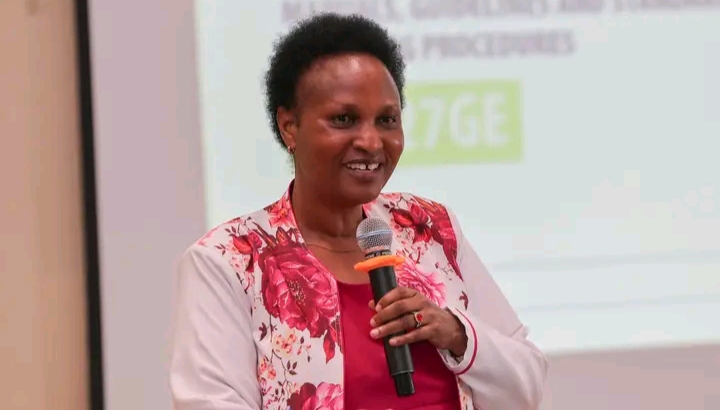
IEBC Commissioner Dr. Ann Nderitu has emphasized the importance of ensuring that Deaf Kenyans can participate fully and equally in the country’s electoral process as preparations for the 2027 General Election continue. The focus includes accessible voter education, Kenyan Sign Language interpretation, clear visual information, trained election officials and meaningful engagement with organizations representing persons with disabilities. Nderitu’s message highlights that electoral inclusion should cover the entire process, from voter registration and access to election information to participation at polling stations and the casting of ballots. Engagement between the IEBC, the Deaf community and institutions involved in special-needs education and inclusion is expected to help identify and address communication barriers, ensuring that Deaf voters can exercise their democratic rights with dignity, independence and equal opportunity.
Commissioner Dr. Ann Nderitu of the Independent Electoral and Boundaries Commission (IEBC) has continued to emphasize the importance of making Kenya's electoral process accessible and inclusive to persons with disabilities, including members of the Deaf community. The issue is particularly important as Kenya prepares for the 2027 General Election, when millions of citizens are expected to participate in choosing leaders at national and county levels.
Nderitu's position is that elections should not only be about allowing people to enter a polling station and cast a ballot. Equal participation also requires voters to receive election information in formats they can understand, access voter education, understand the voting procedure and participate without unnecessary barriers.
Who is Ann Nderitu?
Dr. Ann Nderitu is an IEBC Commissioner and chairs the Commission's Elections Operations Technical Committee, which is involved in planning and managing electoral operations. She previously served as Registrar of Political Parties and has extensive experience in governance, elections and public administration.
Her current work at the IEBC comes at a significant period because the Commission is preparing for the 2027 General Election. Parliament approved Nderitu among the seven nominees appointed to reconstitute the IEBC in 2025.
Equal elections for the Deaf
The question of equality for Deaf voters goes beyond simply giving every voter the same ballot paper. Deaf citizens can face communication barriers when accessing voter registration information, voter education, polling-station instructions and information about candidates and electoral procedures.
For this reason, electoral inclusion requires communication methods that are accessible to Deaf people. This can include Kenyan Sign Language interpretation, captioning, visual information and appropriately trained election officials.
IEBC has previously engaged representatives of the Deaf community to understand the challenges they face in participating in elections. In December 2025, the Commission held an engagement forum with the Nairobi Association of the Deaf. The discussions provided an opportunity for Deaf representatives to explain the difficulties they encounter when seeking to participate fully in Kenya's democratic processes.
The engagement demonstrates the importance of consulting people with disabilities rather than designing electoral services without their input.
Nderitu's message on disability inclusion
Nderitu has described disability inclusion as a necessity rather than a favour. In remarks reported by the Kenya News Agency, she emphasized that disability can affect anyone at different stages of life and argued that accessible systems therefore benefit society as a whole.
This approach places the issue of Deaf voters within the wider question of accessibility. An electoral system designed to accommodate different communication and physical needs can make participation easier not only for persons with disabilities but also for older voters and other citizens who may require additional assistance.
Her approach also fits with her broader work on electoral participation. In September 2026, Nderitu participated in an IEBC review of voter education, partnerships and communications documents ahead of the 2027 election. She said the Commission's responsibility extends beyond conducting elections to ensuring citizens have access to accurate, timely and understandable information that enables meaningful participation.
Why voter education matters to Deaf voters
Voter education is one of the most important areas where accessibility can make a difference.
Before an election, voters need information about registration, verification of voter details, polling stations, identification requirements, voting procedures and the different positions being contested. They also need to know their rights and responsibilities as voters.
If this information is communicated mainly through spoken announcements or materials that are not accessible to Deaf citizens, some members of the community can be left behind.
Providing information through Kenyan Sign Language, subtitles, captions, visual demonstrations and accessible digital content can help address these barriers.
The IEBC's current review of its voter education framework is therefore significant. The Commission says the objective is to keep its policies, voter education curriculum, manuals, guidelines and procedures relevant to the changing electoral environment.
Participation should cover the entire election process
Equal participation also means looking beyond election day.
Deaf Kenyans should be able to participate in the electoral process as voters, candidates, election officials, observers, political-party members and civic-education participants.
This broader understanding of inclusion is important because democracy involves more than casting a ballot. Citizens also have the right to engage with political institutions and participate in public affairs.
IEBC's engagement with organizations representing persons with disabilities provides an opportunity to identify barriers at different stages of the electoral cycle and develop practical solutions.
The role of polling stations
On election day, communication between voters and polling officials is particularly important.
A Deaf voter may require a way of communicating with election officials without depending unnecessarily on another person. Clear visual instructions and trained officials can make the voting process easier to understand.
Where assistance is required, electoral procedures must protect both accessibility and the secrecy and integrity of the vote. The objective should be to ensure that assistance does not compromise the voter's independence or choice.
These considerations are particularly important because the right to vote should be meaningful, not merely theoretical.
Disability inclusion and the 2027 election
With Kenya moving toward the 2027 General Election, disability inclusion is becoming part of the wider preparations for an accessible electoral process.
IEBC has also highlighted disability accessibility measures and broader strategies targeting special-interest groups in its discussions with international partners.
The Commission's preparations therefore provide an opportunity to address accessibility issues before election day rather than waiting for problems to emerge during voting.
For Deaf Kenyans, this could mean stronger engagement with organizations representing the Deaf community, improved voter education in accessible formats, better communication at polling stations and increased awareness among election officials.
The importance of KISE
The Kenya Institute of Special Education (KISE) is also relevant to discussions surrounding disability education and inclusion in Kenya. Institutions and organizations working with persons with disabilities can provide valuable expertise on communication, accessibility and the practical needs of different groups.
Collaboration between electoral authorities and disability-focused institutions can help ensure that electoral information is presented in ways that different groups can understand.
For the Deaf community specifically, consultation with people who understand Kenyan Sign Language and Deaf culture can help IEBC develop communication approaches that are practical rather than merely theoretical.
A wider constitutional principle
The discussion about equal elections for Deaf Kenyans reflects a wider constitutional principle: citizens should be able to participate in public affairs without discrimination.
An inclusive election should therefore consider the different circumstances of voters. Equality does not necessarily mean providing exactly the same form of communication to everyone. In practice, accessibility can require different forms of support so that citizens can exercise the same democratic rights.
For Deaf voters, that can mean making election information available through sign language and other visual communication methods.
What to expect going forward
As preparations for the 2027 General Election continue, the key areas to watch include the accessibility of voter education, communication with Deaf voters, training of polling officials, accessibility of electoral materials and the level of consultation between IEBC and organizations representing persons with disabilities.
Nderitu's recent work on voter education and inclusion indicates that accessibility is being considered as part of the Commission's broader electoral preparations.
The engagement with the Deaf community also demonstrates the importance of listening directly to voters who experience accessibility barriers.
Ultimately, equal elections mean ensuring that a Deaf Kenyan can obtain election information, register as a voter, understand the voting process, reach the polling station and cast a ballot with the same democratic dignity and protection afforded to other citizens.
The discussion led by Nderitu therefore places disability inclusion within the larger preparation for Kenya's 2027 elections. It highlights the need for electoral institutions, disability organizations, educational institutions and other stakeholders to work together so that communication barriers do not become barriers to democratic participation.
For the Deaf community, the issue is especially significant because an election can only be genuinely inclusive when voters are able to understand and participate in the process. As Kenya prepares for the next General Election, accessibility, consultation and effective voter education will remain important components of efforts to make electoral participation more equitable.

You Might Also Like
-
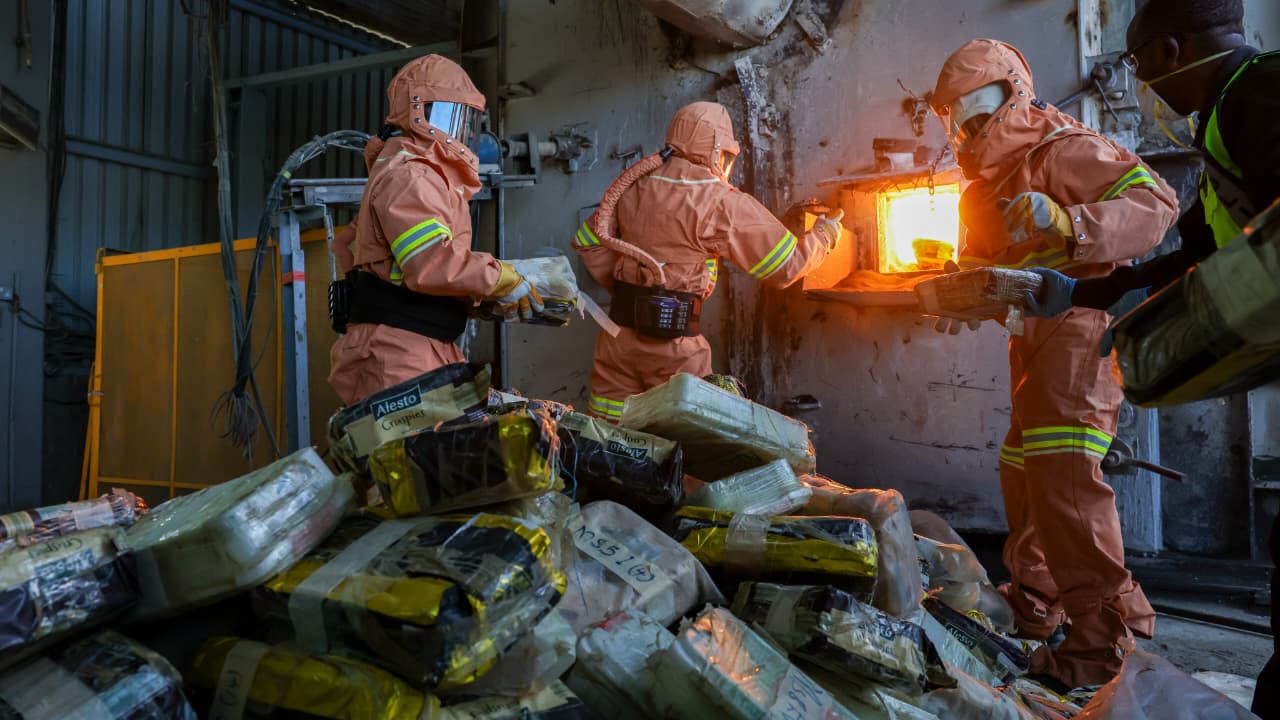
Interior CS Kipchumba Murkomen has overseen the destruction of narcotics worth Sh8.2 billion at Bamburi Cement Factory in Mombasa, including more than 1,000kg of methamphetamine seized in the Indian Ocean last October.
-
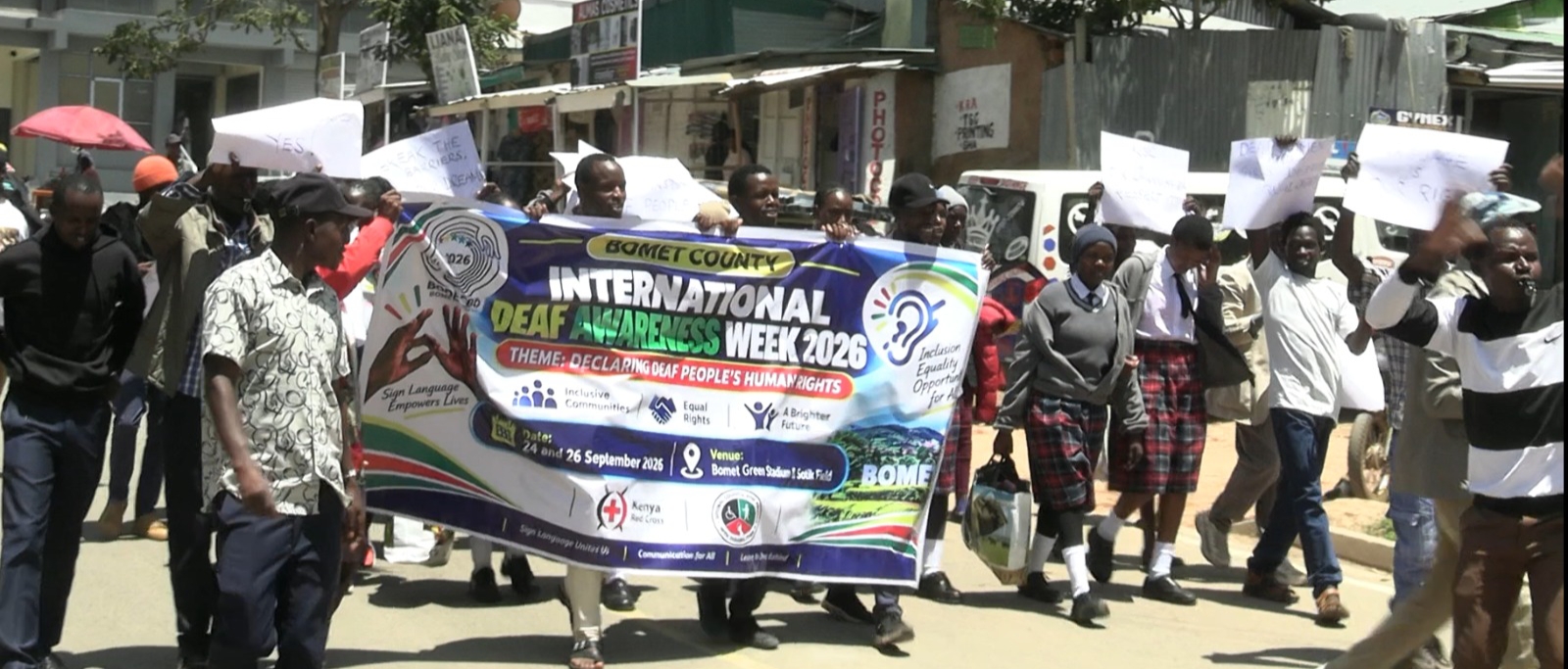
Bomet Green Stadium hosted activities marking International Week of Deaf People, bringing together members of the Deaf community, families, advocates and other stakeholders to raise awareness about the rights, dignity, language and inclusion of Deaf people. The event highlighted the importance of Ke
-
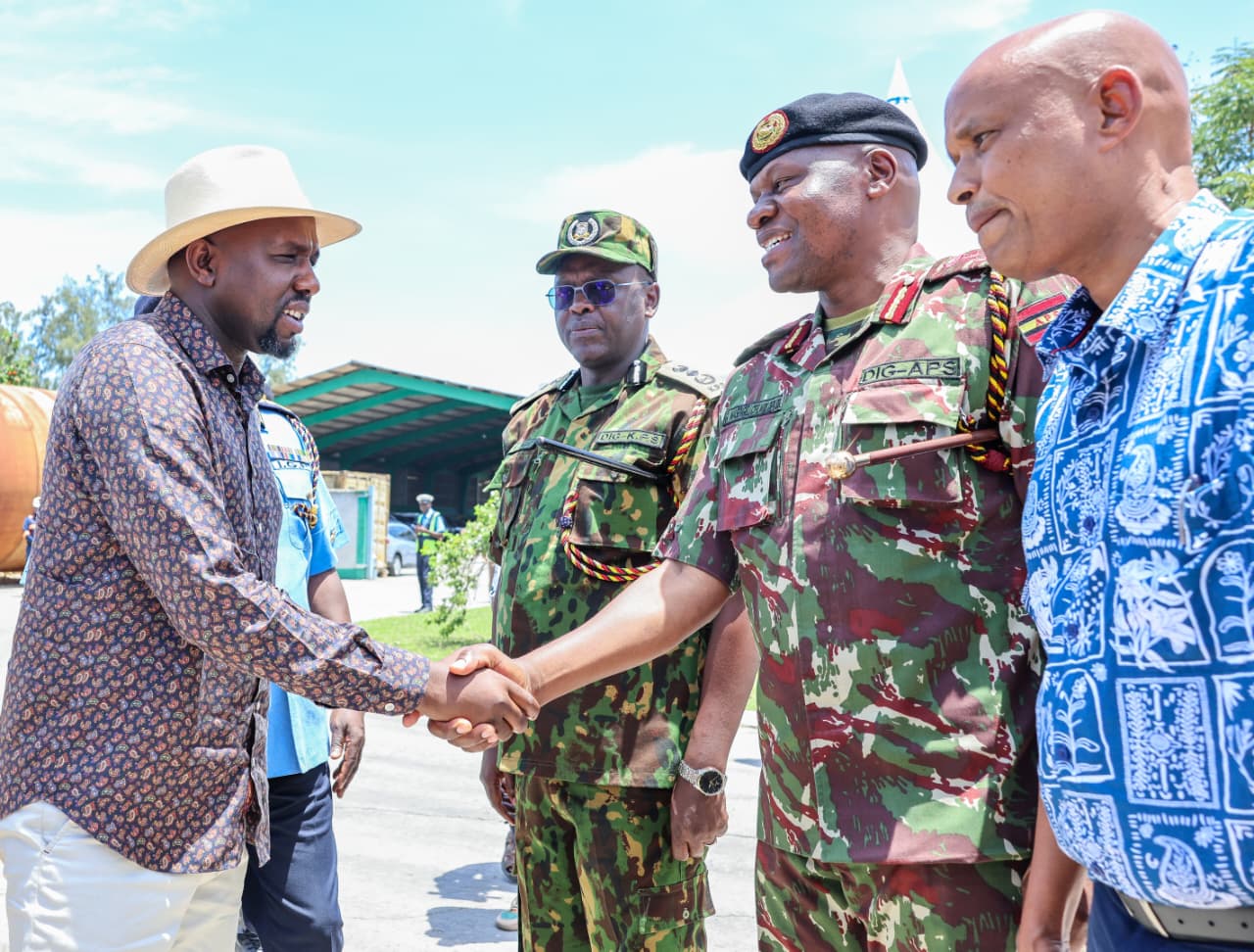
Kipchoge Keino Stadium in Eldoret is undergoing a major transformation as the government accelerates preparations ahead of the 2026 Mashujaa Day celebrations scheduled for October 20. Defence Principal Secretary Patrick Mariru has toured the facility to assess progress and monitor the ongoing works,
-
Interior CS Kipchumba Murkomen is overseeing the destruction of methamphetamine worth Sh8.2 billion at Bamburi Cement Factory in Mombasa. The more than one-tonne narcotics consignment was seized by a multi-agency security team in the Indian Ocean last year.
-
UASU's announcement today marks a significant escalation in the ongoing dispute over lecturers' employment terms and the financing of public universities. The union has issued a seven-day strike notice and says lecturers could down their tools on October 2, 2026, unless the 2025–2029 CBA and relat
-
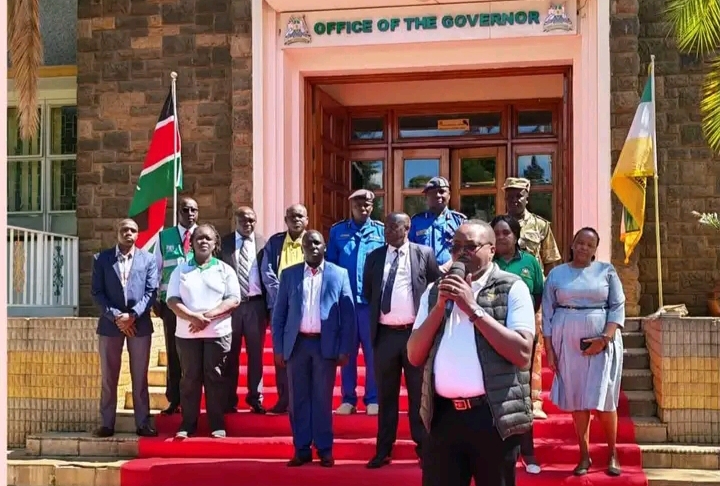
Eldoret's hosting of the 2026 UN Tourism Week and World Tourism Day celebrations places the North Rift firmly in the national tourism spotlight. With activities taking place mainly at the University of Eldoret, the celebrations are bringing together tourism, culture, sports, technology, artificial i