



Ndindi Nyoro Accuses Ruto of Business Interests in SHA Digital System
Ndindi Nyoro has raised questions over President William Ruto’s alleged business interests in the SHA digital system and the government’s decision to transition to the new HMIS platform.
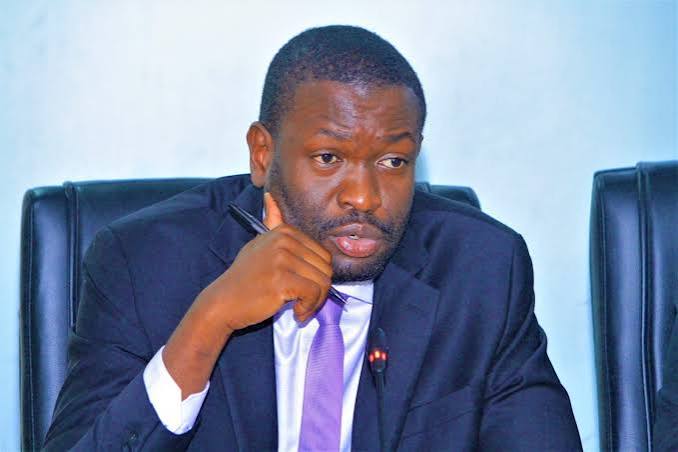
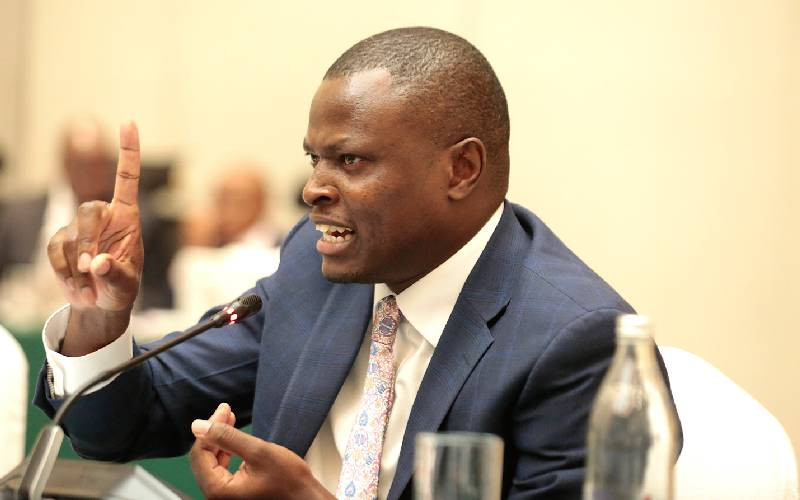
Kiharu MP and People’s Party of Kenya leader Ndindi Nyoro has accused President William Ruto of having business interests linked to the Social Health Authority’s digital system, raising questions over the government’s decision to transition from the SHA Provider Portal to a new Health Management Information System (HMIS).
Nyoro made the allegations during an engagement with media stations from Meru and Tharaka-Nithi on Saturday, October 3, 2026. He questioned why the government was replacing the existing SHA system after repeatedly defending its performance.
According to Nyoro, the transition raises concerns about the financial arrangements surrounding the digital infrastructure supporting the health insurance programme.
At the centre of the controversy is a figure of KSh104 billion associated with the SHA technology arrangement. Nyoro has questioned who ultimately benefits from the system and why the government is now moving away from the platform.
The Kiharu MP alleged that the technology supplier stands to benefit from the arrangement and went further to link the alleged commercial interests to President Ruto. These claims are political allegations by Nyoro and have not been independently established in the reporting cited.
The controversy comes as the Ministry of Health continues with the migration from the SHA Provider Portal to HMIS. The government has set October 30, 2026, as the deadline for the transition.
The Health Ministry says the new system is intended to improve efficiency in healthcare facilities by reducing duplication, administrative workload and waiting times. Health Cabinet Secretary Aden Duale has also urged healthcare stakeholders to work together to complete the transition within the set timelines.
Government data cited by the Daily Nation shows that all 6,427 Level 2 to Level 4 public health facilities had moved to HMIS by October 2. However, only a small number of Level 5 facilities had completed the transition, with the remaining facilities still working on the migration.
Nyoro has questioned the rationale behind replacing the existing platform, particularly given the financial questions surrounding the digital health infrastructure.
He has argued that the SHA controversy should not only be viewed as a technological matter but also examined from the perspective of public finances, procurement and accountability.
The KSh104 billion figure has previously generated debate between the government and its critics. President Ruto has disputed the description of the arrangement as a KSh104 billion upfront government payment.
Ruto has explained that the figure represents service fees that would be paid over a period of 10 years rather than a single payment for purchasing the technology. According to the president's explanation, private investors provided the digital infrastructure, with payments linked to services delivered over time.
That explanation has not ended the political debate.
Nyoro has continued to question the structure of the arrangement and the reasons behind the decision to migrate to another system. His criticism comes as he positions himself as a political opposition figure ahead of the 2027 General Election.
The SHA transition is particularly significant because the digital system plays a central role in how healthcare providers interact with the government health insurance programme.
The platform is used in areas including patient verification, claims processing and the administration of healthcare services.
The government has argued that moving to HMIS will create a more integrated digital health environment and make it easier to manage healthcare information and transactions.
The transition is therefore being closely watched by hospitals, healthcare workers and patients, particularly because disruptions to digital systems can affect the processing of claims and access to services.
Health officials have been urging healthcare providers to complete the migration and familiarise themselves with the new platform before the October 30 deadline.
For Nyoro, however, the issue goes beyond the technical performance of the system.
He has questioned whether commercial considerations influenced the decision to introduce the original SHA digital infrastructure and whether similar considerations are now influencing the transition to HMIS.
The government has not accepted Nyoro's interpretation of the arrangement, and the president's previous explanation presents the KSh104 billion figure as a long-term service arrangement rather than an upfront purchase.
This difference in interpretation has become an important part of the wider political debate surrounding SHA.
The Social Health Authority was introduced as part of the government's broader healthcare reforms, replacing the National Health Insurance Fund.
The reforms are intended to expand access to healthcare and move Kenya towards universal health coverage.
However, the implementation of the new system has attracted criticism from some political leaders, healthcare providers and members of the public over registration, payments, claims and system-related challenges.
The transition to HMIS represents another major stage in the government's efforts to digitise healthcare administration.
Officials have maintained that the new system will streamline operations and reduce inefficiencies.
Nyoro's criticism, meanwhile, has focused attention on the financial and governance questions surrounding the digital infrastructure.
As the October 30 deadline approaches, healthcare providers will be expected to complete the migration while the government works to ensure that patients continue receiving services without disruption.
The debate is also likely to remain part of the broader political conversation ahead of the 2027 election.
For the government, the success of HMIS will be measured by whether it improves healthcare administration and makes services more efficient.
For critics such as Nyoro, the focus will remain on transparency, cost, procurement and accountability.
The competing positions demonstrate the importance of separating political allegations from independently verifiable facts as the debate continues.
What remains clear is that Kenya is undergoing a significant change in how its health financing and digital healthcare systems operate. The success of the HMIS transition will depend not only on technology but also on effective implementation, cooperation among healthcare providers and transparency in the management of public resources.
As the government completes the migration, questions surrounding the previous SHA system and the KSh104 billion figure are likely to remain subjects of public and political scrutiny.
The coming weeks will therefore be important for both the Ministry of Health and healthcare providers as they work toward the October 30 deadline and seek to ensure that the transition does not interfere with the delivery of healthcare services to Kenyans.

You Might Also Like
-
Nairobi Senator Edwin Sifuna has unveiled The Equitable Party (TEP) as the political platform for his 2027 presidential bid. Sifuna was unveiled as the party leader and presidential candidate during a Nairobi event on Sunday. TEP, previously registered in 2022, will now serve as the formal politic
-
Mary Muthoni's message today centred on early preparation, child safety, clean drinking water, food hygiene and proper medical care. She urged parents in flood-prone areas to accompany children to school where necessary, warned families against using untreated water, and advised sick Kenyans to seek
-
DIG Eliud Lagat's latest declaration that the operation to pacify the Kerio Valley will continue signals that the government is not yet ready to scale down its security campaign despite the progress reported in recent months. The authorities say operations have significantly reduced banditry, with L
-
The shooting in Lolgorian, Trans Mara South, has left one person dead following clashes between police officers and residents near the Kilimapesa mining area. The confrontation reportedly began when officers conducting a patrol towards the mining site encountered resistance from residents, leading t
-
Authorities have arrested 45 suspects in Mau Narok, Nakuru County, during a multi-agency crackdown on illicit alcohol, drugs and other illegal activities. The operation targeted unlicensed bars and suspected drug-trafficking networks, with police recovering suspected second-generation alcoholic drin
-
Rigathi Gachagua's Boston engagements today have placed several major issues at the centre of Kenya's political conversation. His strongest message was that only legitimate Kenyan citizens should participate in the 2027 election, while he also criticised President William Ruto and continued presenti