



Ndindi Nyoro Urges Uhuru Kenyatta Not to Respond to Political Insults
Ndindi Nyoro gives President William Ruto 14 days to make the Dangote Refinery agreement public, calling for greater transparency on the deal.
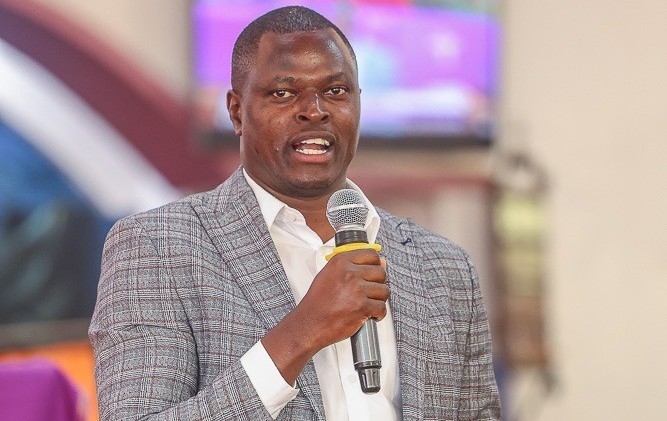
Former President Uhuru Kenyatta has been urged not to engage in verbal exchanges whenever President William Ruto attacks or criticises him, with former Kiharu MP Ndindi Nyoro saying other political leaders can respond on his behalf.
Speaking during the funeral service of Mwalimu Jackson Karua, father of PLP party leader Martha Karua, Nyoro addressed the former president and appealed to him to maintain his composure even when subjected to political attacks.
Nyoro said Uhuru should avoid responding directly to insults or provocative remarks, arguing that there are other political figures who can engage in such exchanges.
“Honourable Uhuru Kenyatta, I would like to ask you respectfully: since William Ruto has the habit of hurling insults, do not retaliate if he insults you. That is a job for the likes of Ndindi Nyoro and Methu,” Nyoro said.
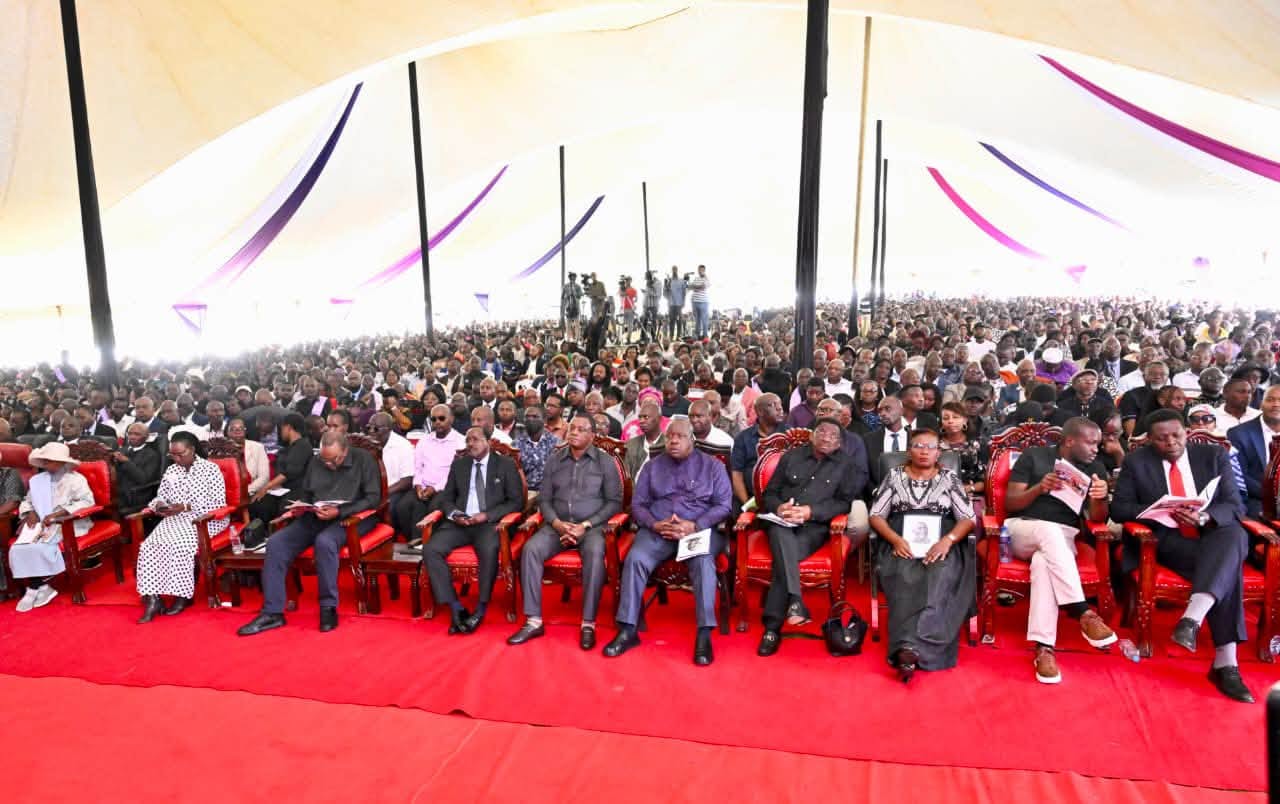
The remarks were made as several political leaders gathered in Kirinyaga County for the funeral service of Mwalimu Jackson Karua, the father of Martha Karua.
Leaders Gather in Kirinyaga
The funeral brought together leaders from different political backgrounds, including former President Uhuru Kenyatta, Martha Karua, Kalonzo Musyoka, Eugene Wamalwa, Fred Matiang’i, Edwin Sifuna, Ndindi Nyoro and other political figures.
The presence of leaders associated with different political parties provided a significant political backdrop to the funeral proceedings.
Martha Karua, whose father was being laid to rest, has remained an influential figure in Kenya’s political landscape. She previously served as Kenya’s Minister for Justice and Constitutional Affairs and later as Deputy President candidate in the 2022 General Election.
Uhuru Kenyatta, who served as Kenya’s fourth president from 2013 to 2022, also attended the ceremony.
The gathering came at a time when political discussions surrounding alliances, leadership and the country's next electoral cycle continue to attract attention.
Nyoro's Appeal to Uhuru
In his remarks, Nyoro directly addressed Uhuru Kenyatta and asked him not to engage in verbal retaliation when criticised by President Ruto.
The former Kiharu MP framed his remarks as a respectful request to the former president, suggesting that Uhuru should maintain his dignity and allow other political leaders to respond to political attacks.
Nyoro specifically mentioned himself and Methu as among those who could respond instead.
His remarks appeared to highlight different approaches to political confrontation, with Nyoro suggesting that Uhuru should avoid being drawn into direct exchanges.
The statement also reflected the continued political attention surrounding the relationship between Uhuru Kenyatta and William Ruto.
Uhuru and Ruto's Political History
Uhuru Kenyatta and William Ruto worked together for many years before their political relationship changed significantly.
The two served as president and deputy president respectively between 2013 and 2022 after successfully campaigning together under the Jubilee Party.
They were re-elected in 2017 for a second term.
However, towards the later years of their administration, political differences between the two became increasingly visible.
Ruto eventually launched his 2022 presidential campaign through the United Democratic Alliance, while Uhuru backed Azimio la Umoja presidential candidate Raila Odinga.
Following the 2022 election, political differences between the two leaders continued to feature prominently in public debate.
Ruto won the 2022 presidential election and succeeded Uhuru as president.
Since leaving office, Uhuru has largely maintained a lower public political profile compared with his years as president, although he remains active in political and regional affairs.
Political Exchanges Continue
Political exchanges between leaders remain a regular feature of Kenya's political environment, particularly as politicians position themselves ahead of future elections.
Statements by senior political figures often attract significant public attention, especially when they involve former presidents, serving government officials and opposition leaders.
Nyoro's comments therefore come against a broader backdrop of political disagreements involving leaders across the political divide.
Rather than directly responding to Ruto, Nyoro suggested that other politicians should handle such exchanges.
His remarks also mentioned Methu, another political figure who has participated in political debates and public discussions.
Funeral Becomes a Gathering of Political Leaders
The funeral service at Mugumo Primary School grounds in Gichugu Constituency provided an opportunity for leaders from different political camps to come together to honour Mwalimu Jackson Karua.
Funeral ceremonies involving prominent political families in Kenya often attract leaders from across the political spectrum.
The presence of Uhuru Kenyatta, Kalonzo Musyoka, Eugene Wamalwa, Fred Matiang’i, Edwin Sifuna, Ndindi Nyoro and other leaders demonstrated the broad political connections surrounding the Karua family.
Despite political differences among those attending, the primary purpose of the gathering was to mourn and honour the life of Mwalimu Jackson Karua.
The political remarks made during such gatherings can nevertheless attract attention because of the prominence of the leaders involved.
Focus on Political Conduct
Nyoro's statement centred on how political leaders should respond to criticism and verbal attacks.
By asking Uhuru not to retaliate, Nyoro presented the former president as someone who should remain above direct political exchanges.
His comments also suggested that political allies and other leaders can take up the responsibility of responding to criticism.
The statement did not amount to an announcement of a new political alliance or formal political arrangement. Instead, it was an appeal concerning how Uhuru should respond to political remarks directed at him.
Political observers and members of the public may interpret such comments within the wider context of Kenya's changing political alliances and relationships.
The Broader Political Landscape
Kenyan politics continues to experience shifts in alliances as leaders position themselves around different parties and political movements.
The country's political landscape includes figures who previously worked together but have since moved into different political formations.
The relationship between former allies is particularly closely watched when senior figures make public comments about each other.
Uhuru Kenyatta's political influence also remains a subject of discussion despite his departure from the presidency.
Meanwhile, Ruto's administration continues to face criticism and support from different political groups, with leaders regularly debating government policies, development programmes and political direction.
Nyoro has also remained active in national political discussions, particularly on issues involving government policy, economic matters and political leadership.
His latest comments therefore attracted attention because they were made directly to a former president and in the presence of several senior political leaders.
Respectful Political Engagement
The remarks also raise broader questions about political communication and the manner in which leaders engage with one another.
Political disagreements are common in democratic systems, but public exchanges between senior leaders can influence the tone of political debate.
Nyoro's appeal was for Uhuru to avoid direct retaliation and allow other politicians to handle the response.
Such an approach places emphasis on political restraint and the role of different actors within political movements.
However, the decision on how to respond to political criticism remains a matter for individual political leaders and their respective teams.
A Significant Funeral Gathering
Mwalimu Jackson Karua's funeral brought together family members, friends, political leaders and members of the public who gathered to pay their final respects.
The presence of former President Uhuru Kenyatta was particularly notable because of his long-standing association with the wider political establishment and his connection to Martha Karua.
Other senior leaders attending the ceremony included Kalonzo Musyoka, Eugene Wamalwa, Fred Matiang’i, Edwin Sifuna and Ndindi Nyoro.
Their attendance underscored the significance of the occasion and the respect accorded to the Karua family.
While the ceremony was primarily focused on mourning, political remarks made during the gathering also became part of the day's public discussion.
Nyoro's Message
At the centre of Nyoro's remarks was a direct message to Uhuru Kenyatta: avoid responding personally to political insults and allow other political figures to take up that role.
His statement specifically referred to President William Ruto and mentioned himself and Methu as among those who could respond.
The remarks add another episode to the continuing public political exchanges involving prominent Kenyan leaders.
For Uhuru, who served as president for two terms, the comments come as he continues his activities outside the presidency.
For Nyoro and other politicians, public statements such as these contribute to the ongoing national conversation about political leadership, alliances and the direction of Kenyan politics.
The funeral service ultimately remained a gathering to honour Mwalimu Jackson Karua, but the attendance of prominent political figures and the remarks made during the ceremony ensured that the event also attracted considerable political attention.
Nyoro's comments are likely to continue generating discussion because they touched on the relationship between two former political allies, Uhuru Kenyatta and William Ruto, while also highlighting the changing dynamics among Kenya's political leaders.
As political conversations continue across the country, the remarks provide another example of how public figures are navigating political disagreements while maintaining their respective positions and alliances.

You Might Also Like
-
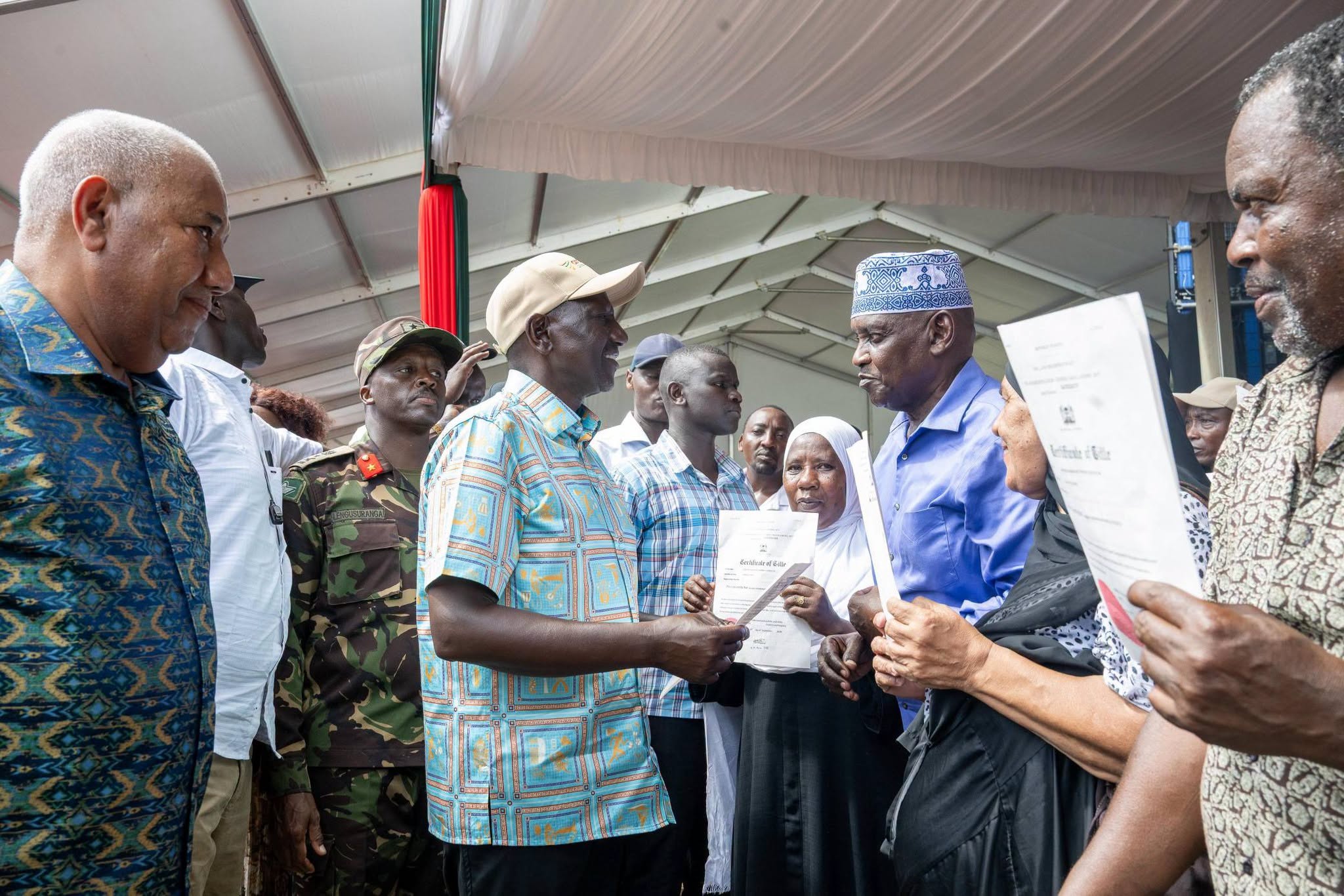
President William Ruto has handed over 20,189 title deeds to residents of Lamu County. The exercise is part of a wider programme to issue 300,000 title deeds across the Coast. Beneficiaries include residents from community lands and settlement schemes across Lamu. The initiative seeks to strength
-
Opposition leaders have graced the event, attracting a large gathering of supporters and wananchi. The leaders addressed key issues affecting Kenyans, including governance, development and the economy. The event also provided a platform for political engagement and interaction with the public. Lea
-
Rigathi Gachagua's latest engagements in the United States have focused heavily on Kenya's future and the role Kenyans abroad can play in shaping it. In Boston, he praised the achievements of the diaspora and said their skills, experience and financial contribution should receive greater recognition
-
Wicknell Chivayo’s family has announced that there will be no viewing of his body or that of his wife, Lucy Muteke, during their funeral ceremonies.
-
The gathering at Uhuru Park on October 2, 2026, became one of the major public events marking the first anniversary of Raila Odinga’s death. Thousands of people converged on the Nairobi park carrying candles, flowers, flags and portraits as they joined prayers, music, speeches and the nationwide c
-
President William Ruto’s October 2, 2026 visit to Kilifi was largely centred on development and economic opportunities. The President launched and announced road projects, expanded electricity connectivity plans, invested in technical education, commissioned a modern market and outlined Government