



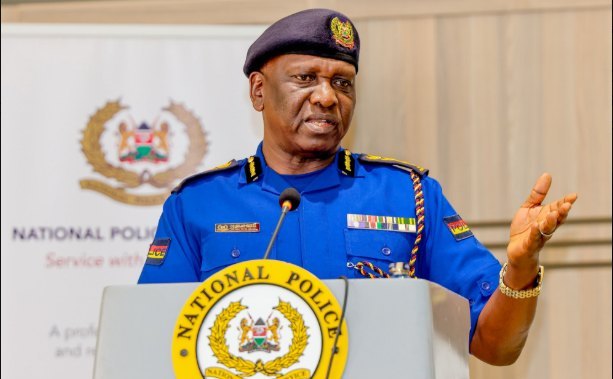
NPS Directs Political Leaders to Give Police Advance Notice Before Rallies
The directive is aimed at improving security planning, maintaining public order and managing crowds during political gatherings
The National Police Service (NPS) has issued a reminder to political leaders, organisers and other groups planning to hold public rallies or processions to notify the police within the required period before conducting such events.
Under the directive, organisers are expected to inform the police at least three days and not more than 14 days before the planned rally or procession. The notice is intended to give security agencies adequate time to assess the planned event, coordinate security arrangements and ensure that public gatherings are conducted in an orderly and peaceful manner.
The directive comes as political activities continue to increase across the country, with leaders and their supporters holding meetings, rallies and public engagements in different parts of Kenya. Political gatherings are often attended by large numbers of people, making proper coordination between organisers and security agencies important in maintaining public safety.
The NPS says the advance notification requirement is aimed at ensuring that police officers are aware of planned public events and can make appropriate security preparations. Organisers are therefore expected to communicate their plans to the relevant authorities within the stipulated period instead of notifying police at the last minute.
The three-day minimum notice gives authorities sufficient time to understand the nature of an event, its expected attendance, location and planned activities. At the same time, the 14-day maximum period provides a defined window within which organisers should submit their notification.
Political rallies and processions can attract significant crowds, including political supporters, members of the public, journalists, security personnel and other stakeholders. Without proper planning, large gatherings can create challenges such as traffic congestion, overcrowding, disruption of businesses and potential security concerns.
By requiring organisers to notify police in advance, authorities can plan how to manage traffic, identify possible security risks and deploy officers where necessary. The arrangement can also help organisers understand any security or logistical concerns that may arise before their events take place.
The directive applies to political leaders and organisers planning public rallies and processions. Leaders are expected to ensure that their supporters and event organisers comply with the notification requirements. This means that those intending to organise political activities should make the necessary arrangements early enough rather than waiting until the last moment.
The NPS has also emphasised the importance of maintaining peace and order during public gatherings. Political rallies are an important part of democratic participation, allowing leaders to address citizens, explain their political positions and interact with supporters. However, such gatherings must be conducted in a manner that respects the rights and safety of other members of the public.
The advance notification process can therefore provide an opportunity for both organisers and police to prepare for the event. Organisers can communicate the expected route of a procession, the venue of a rally and the approximate number of participants. Police, in turn, can assess the situation and determine the appropriate security arrangements.
For processions, advance notice is particularly important because participants may move through roads and public spaces, potentially affecting motorists, pedestrians and businesses. Knowing the planned route in advance allows authorities to prepare traffic management measures and minimise unnecessary disruption.
Political rallies can similarly require security planning depending on their size and location. A gathering held in a busy town centre, for example, may require different arrangements from one held in an open field away from major roads. Early notification gives security agencies an opportunity to consider such factors.
The directive also places responsibility on political actors to conduct themselves responsibly. Leaders play a significant role in influencing the behaviour of their supporters, especially during politically charged periods. They are expected to encourage peaceful participation and discourage violence, disorder or confrontation.
Political competition is a normal feature of a democratic society, but differences in political opinion can sometimes lead to tension among supporters. Proper planning and communication between organisers and security agencies can help reduce the possibility of misunderstandings during public events.
The NPS's clarification is therefore likely to be significant as political leaders intensify their public engagements. With elections and other political activities generating increased mobilisation, rallies and processions are expected to remain a major way through which politicians reach voters and communicate their messages.
The requirement for advance notification should not be viewed simply as an administrative procedure. It also provides a mechanism through which organisers and authorities can coordinate public events more effectively. When both sides are aware of their respective responsibilities, it becomes easier to protect participants while also safeguarding the interests of other members of the public.
Organisers are consequently encouraged to plan their activities carefully and communicate with the relevant police authorities within the stipulated timeframe. Waiting until the final hours before a rally may create unnecessary difficulties for both organisers and security agencies.
The three-to-14-day notification window provides organisers with a clear timeframe. Those planning a rally or procession should therefore factor the notification requirement into their preparations from the beginning. This includes determining the venue, expected attendance, route where applicable and other logistical details before submitting the necessary notification.
The police, meanwhile, have the responsibility of handling such notifications in accordance with the law and ensuring that public gatherings are managed fairly and professionally. Security arrangements should focus on protecting people and property while allowing lawful public participation.
The clarification is also expected to help reduce confusion surrounding the organisation of political rallies. Clear communication about notification timelines can help political parties, individual leaders and event organisers understand what is expected of them before holding public gatherings.
As political activities continue across Kenya, the balance between the right to peaceful assembly and the responsibility to maintain public safety remains important. Political leaders have a role to play in ensuring that their events are conducted peacefully, while security agencies must facilitate lawful gatherings and protect the wider public.
Citizens attending political rallies are also expected to act responsibly. Supporters should follow instructions from organisers and security officers, avoid acts of violence and respect other people's rights. Peaceful participation helps ensure that political events do not become sources of conflict or disruption.
The NPS directive therefore serves as a reminder to political actors that planning and communication are essential when organising public rallies and processions. Leaders and organisers who intend to hold such events should ensure that they notify the police within the required period of not less than three days and not more than 14 days before the event.
The move is likely to remain an important issue as Kenya enters periods of heightened political activity. With politicians increasingly using public rallies and processions to mobilise supporters and communicate their agendas, adherence to established procedures will be crucial in maintaining peaceful political engagement.
Ultimately, the success of public political gatherings depends on cooperation among organisers, political leaders, security agencies and members of the public. Advance notification allows authorities to prepare, while responsible leadership helps ensure that political activities remain peaceful.
The NPS has consequently urged political leaders and organisers to take the notification requirement seriously and make the necessary arrangements before holding rallies or processions. By giving police adequate notice, organisers can contribute to better security planning, smoother coordination and safer public events.
The directive reinforces the broader need for political activities to take place within the framework of the law. As leaders exercise their right to address and mobilise citizens, they must also recognise their responsibility to protect public order and respect the rights of other Kenyans.
With political events expected to continue attracting large crowds in different parts of the country, the emphasis on advance notification is intended to promote better preparation and coordination. Political leaders, organisers and their supporters will therefore be expected to work with security authorities to ensure that rallies and processions are conducted peacefully, safely and responsibly.
The NPS's latest clarification provides a straightforward timeline for organisers: notification should be made at least three days before a planned rally or procession and should not be submitted more than 14 days before the event. Political actors are expected to take note of the requirement as they plan their upcoming public engagements.

You Might Also Like
-
Kenya's weather today, Sunday, September 6, 2026, is expected to be largely sunny and dry, but several counties may experience localized light rainfall. The areas with rainfall possibilities today include parts of Mombasa, Kwale, Lamu, Garissa, Nyandarua, Nyeri, Siaya, Bungoma and Busia, with the ti
-
The Nakuru–Eldoret Highway accident at Twin Bridge on September 5, 2026, has left at least five people dead and eight others injured after a Kapsowar Sacco matatu collided with a stationary truck during the early hours of the morning. The victims were reportedly travelling towards Eldoret, with so
-
The latest Kenya Power notice shows that customers in selected parts of Nairobi and the Coast region, including South C in Nairobi and Mariakani in Kilifi County, are scheduled for electricity interruptions on Sunday, September 6, 2026, as part of planned maintenance activities. Although power out
-
Kenya’s Ministry of Education has introduced fresh directives regulating school activities during the third term and the 2026 national assessment and examination period. The measures are intended to reduce disruptions and give candidates adequate time to prepare for KCSE, KPSEA, KJSEA and other na
-
President William Ruto’s expected September 9, 2026 development tour of Kericho County comes at an important moment for the county. The reported programme brings together four projects that have direct implications for residents: the Chelimo Affordable Housing project, Kipsigis Girls’ new tuitio
-
President Ruto Commissions New Power Transmission Lines to Boost Electricity Connectivity