



Ogiek Unite in Nandi: Community Members From Kericho, Uasin Gishu and Across Rift Valley Gather for a Historic Meeting
The Ogiek meeting in Nandi brought together members of a community that is geographically dispersed across several parts of the Rift Valley, including Kericho, Uasin Gishu and Nandi itself. The gathering came at a time when Ogiek communities continue to discuss ancestral land, historical displacement, cultural preservation, representation, economic opportunities and environmental conservation. Recent meetings in Kericho, Narok and Eldama Ravine show that these issues remain part of a wider community conversation. The Nandi meeting therefore offered more than an opportunity for community members to meet; it provided a platform for people from different areas to share experiences, strengthen their connections and discuss the future of the Ogiek community across the Rift Valley.
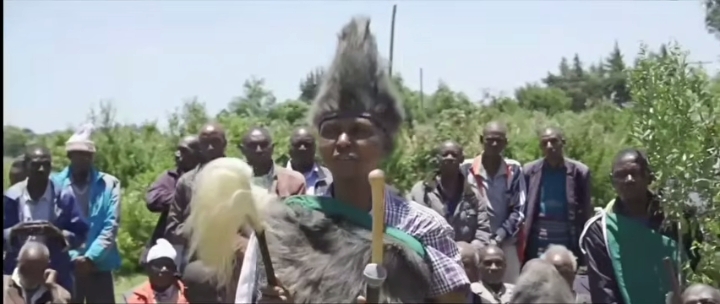
An important gathering of members of the Ogiek community has taken place in Nandi, bringing together people from different parts of the Rift Valley, including Kericho, Uasin Gishu and other areas where Ogiek families live. The meeting provided an opportunity for members of the community to come together, discuss issues affecting them and strengthen their identity and unity at a time when questions surrounding ancestral land, recognition, representation, culture and economic opportunities remain important to the Ogiek people.
The Ogiek are an Indigenous minority community whose historical presence stretches across several parts of Kenya. Their communities are found in areas including Nandi, Kericho, Uasin Gishu, Narok, Baringo, Elgeyo-Marakwet, Nakuru and other parts of the Rift Valley. Government and community sources have repeatedly identified the Ogiek as a community with a long-standing relationship with forest environments, where traditional livelihoods included hunting, gathering and beekeeping.
A gathering that brought together Ogiek from different areas
The Nandi meeting was significant because it brought together Ogiek people who are geographically separated but share a common cultural and historical identity. Participants from Kericho, Uasin Gishu and other parts of the Rift Valley were able to meet in one forum and discuss issues affecting their community.
The geographical spread of the Ogiek population has been one of the major factors behind calls for stronger coordination among community members. In January 2026, the Kenya News Agency reported that Ogiek representatives in Nandi said the community was spread across Nandi, Uasin Gishu, Elgeyo-Marakwet, Narok, Nakuru and Mt Elgon, among other areas.
This means that meetings such as the one held in Nandi can provide an important platform for people from different locations to share their experiences and establish common priorities.
For many participants, such gatherings are not simply social occasions. They provide space for elders, youth, women and community representatives to discuss the future of the Ogiek community and how members can maintain their cultural identity while also pursuing greater participation in economic, social and governance affairs.
Land remains a major issue
One of the central issues affecting the Ogiek community is ancestral land.
Ogiek representatives in Nandi have previously called for the government to accelerate the resettlement of displaced members of the community in ancestral areas, including Serengonik and Kosobei forests. Community representatives have argued that displacement from traditional territories has contributed to economic hardship and weakened access to education and other opportunities.
The issue is also broader than Nandi. In July 2026, the Kenya News Agency reported that about 1,500 Ogiek community members gathered in Kericho and raised concerns over unresolved historical land injustices and displacement from ancestral areas. Participants said the effects of displacement had been passed from one generation to another.
The Kericho meeting demonstrated that land concerns remain an important issue among Ogiek communities outside Nandi. Bringing people from Kericho and other counties together in Nandi therefore creates an opportunity for members to compare their experiences and discuss common approaches to addressing historical grievances.
Recognition and representation
Another issue connected to the meeting is the question of recognition and representation.
Ogiek communities have for years sought greater inclusion in government structures and decision-making processes. Community representatives have argued that their relatively small population and geographical dispersion can make it difficult for them to have their concerns adequately represented.
In January, Ogiek representatives in Nandi also called for equitable representation in government. They linked representation with access to opportunities and the ability of the community to participate in decisions affecting its future.
A recent meeting of Ogiek elders in Eldama Ravine on September 29, 2026, similarly focused on the community's place in governance. According to the Koibatek Ogiek Welfare Youth Network, elders discussed identity, representation and participation in decision-making processes affecting land, culture and the future of the community.
These discussions show that the Nandi gathering comes amid a wider conversation within the Ogiek community about how to strengthen its voice.
Preserving Ogiek culture
Culture is another important reason for bringing members of the community together.
The Ogiek have a distinct cultural heritage associated with their historical relationship with forests and the natural environment. Their traditional knowledge includes practices connected to forests, plants, wildlife, honey and other natural resources.
In August 2026, the Ogiek held their seventh annual cultural event at the Ogiek Cultural Centre in Nkareta, Narok County. The event brought together more than 1,000 participants and focused on cultural identity, Indigenous knowledge, environmental stewardship and intergenerational learning.
Such events demonstrate the importance of elders passing cultural knowledge to younger generations. The Nandi gathering similarly offered an opportunity for people from different parts of the Rift Valley to reinforce their shared identity.
For a community that has experienced displacement and geographical separation, cultural gatherings can also help younger people understand their history and maintain connections with other Ogiek families.
The role of young people and women
The future of the Ogiek community also depends heavily on the participation of young people and women.
Community organizations working with the Ogiek have increasingly emphasized inclusive participation, with women and youth being involved in discussions concerning human rights, culture, environmental protection and community development.
The Ogiek Peoples' Development Program has worked on issues involving women, youth and the wider community, while the Hunter-Gatherer Forum Kenya brings together Indigenous hunter-gatherer organizations to advocate for ancestral territories, cultural preservation and Indigenous rights.
The involvement of younger members is particularly important because the community faces the challenge of maintaining its cultural traditions while adapting to changing economic and social conditions.
Economic challenges
Economic opportunities are another concern for Ogiek families living across the Rift Valley.
Community representatives have previously said that displacement and lack of secure land have affected livelihoods, education and access to opportunities. In Nandi, representatives reported that some members have been forced to depend on casual labour because they lack permanent places to settle and develop their livelihoods.
Members from Kericho have raised similar concerns. During the July meeting in Kericho, community members linked historical displacement with limited access to education, stable livelihoods and economic advancement.
The gathering in Nandi therefore provided a platform for people from different counties to discuss how the community can improve its economic position while also addressing historical issues.
Environmental conservation and ancestral land
The relationship between the Ogiek and forests is also central to discussions about their future.
Ogiek organizations and community members have consistently argued that their cultural identity and livelihoods are closely connected to the environment. Their advocates say that protecting forests and protecting Indigenous communities should not necessarily be treated as competing objectives.
A July 2026 engagement involving the Hunter-Gatherer Forum Kenya and the Ogiek Peoples' Development Program highlighted the role of Indigenous communities in protecting ancestral territories and strengthening climate resilience. The delegation also visited Longoman Forest in East Mau, an area associated with Ogiek Indigenous territory.
This relationship between people and the environment is therefore likely to remain an important part of Ogiek discussions, particularly when land rights, forest conservation and development projects are considered.
A community seeking a stronger voice
The gathering in Nandi can be viewed as part of a broader series of Ogiek meetings taking place across Kenya in 2026.
From Nandi to Kericho, Narok and Eldama Ravine, community members have continued holding meetings addressing land, culture, governance, representation and development. The meetings differ in their immediate focus, but they demonstrate continuing efforts by Ogiek communities to organize and communicate their concerns.
The Nandi meeting was particularly significant because of the participation of people from different parts of the Rift Valley. Bringing together members from Kericho, Uasin Gishu and other areas creates an opportunity for the community to identify issues that affect Ogiek families regardless of where they currently live.
It also provides an opportunity for elders and younger generations to interact and discuss how Ogiek identity can be preserved while pursuing education, employment, business and political participation.

You Might Also Like
-
Health CS Aden Duale says the Ministry of Health has extended the HMIS transition period by one month, giving Level 5 and 6, private and faith-based facilities more time to complete the migration while ensuring uninterrupted healthcare services.
-
The St. Kizito Litein School for the Deaf eight-kilometre awareness walk gave students and teachers an opportunity to take their message beyond the school compound and into the streets of Litein. The October 1, 2026 activity was aimed at raising awareness about hearing impairment while promoting gre
-
The survey indicates that 52% of respondents support the idea. Among those open to a female Deputy President, Kirinyaga Governor Anne Waiguru leads with 36%, followed by former Deputy President candidate Martha Karua at 27% and Homa Bay Governor Gladys Wanga at 15%.
-
Murkomen's presence in Kiminini and now Saboti places attention on several issues affecting residents of Trans Nzoia: roads and bridges, agricultural development, youth training, public services, security and cooperation between national and county governments. While the exact list of projects he ha
-
President Ruto's current Coast programme is therefore broader than a single-day project launch in Mombasa. It combines land titling, port and maritime development, railway connectivity, Dongo Kundu SEZ, water infrastructure, affordable housing, electricity expansion and regional trade. Mombasa's pos
-
The Senate Education Committee has directed the Inspector General of Police to issue an arrest warrant for Tharaka Nithi Governor Muthomi Njuki over his repeated failure to honour summonses since March 2026.