OKIYA OMTATAH CALLS FOR SYSTEMIC REFORMS BEYOND PRESIDENTIAL CHANGE
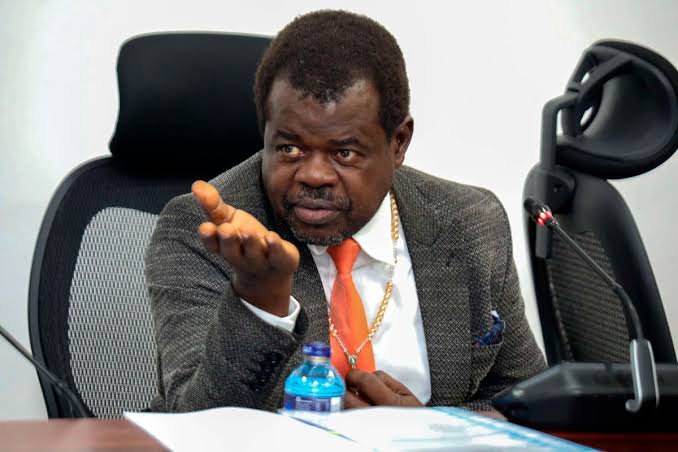
Okiya Omtatah has challenged Kenyans to look beyond changing presidents and instead demand fundamental reforms that will transform the country's governance system. The Busia Senator argues that replacing one leader with another without addressing the weaknesses within existing institutions risks maintaining the same political and administrative challenges. He insists that Kenya needs stronger institutions, accountability, transparency, respect for the Constitution and responsible management of public resources. As political leaders begin positioning themselves ahead of the 2027 General Election, Omtatah's remarks raise questions about whether the country's political competition will focus on personalities or meaningful reforms capable of improving the lives of ordinary citizens.
Okiya Omtatah has called on Kenyans to look beyond the replacement of one president with another and focus on the need for fundamental reforms in the country's governance system, arguing that a change in leadership alone cannot address the challenges facing the nation.
The Busia Senator maintains that Kenya's political transformation should not revolve entirely around individuals seeking the country's highest office but should instead focus on changing the institutions, structures and practices that determine how the country is governed.
His remarks highlight a broader debate about the future of Kenya's democracy, the effectiveness of public institutions and the need to establish a political system that serves citizens regardless of who occupies State House.
Omtatah's position suggests that Kenya risks repeating the same governance challenges if political competition remains centred on personalities rather than policies, accountability and institutional reforms. He argues that changing the person at the top without addressing the underlying system could leave many of the problems experienced by ordinary Kenyans unresolved.
The senator's argument comes amid continued discussions about political leadership, the performance of public institutions and the direction the country should take in the coming years.
For many Kenyans, presidential elections represent an opportunity to introduce a new direction in government, replace unpopular leadership and bring fresh ideas into national administration. However, the concerns raised by Omtatah point to the importance of examining whether the structures supporting the presidency are equally capable of delivering meaningful change.
A president operates within a wider governance framework involving Parliament, the Judiciary, independent constitutional commissions, county governments and other public institutions. The effectiveness of these institutions plays a significant role in determining whether government policies are implemented fairly and whether public resources are managed responsibly.
Changing the occupant of State House without strengthening these institutions could therefore leave significant weaknesses untouched.
Omtatah's argument also draws attention to the importance of constitutionalism, which requires leaders and public institutions to operate within the limits established by the Constitution. A functioning democracy depends not only on elections but also on respect for the rule of law, protection of fundamental rights and the ability of citizens to hold those in authority accountable.
The concerns raised by Omtatah also touch on corruption and the management of public resources, which remain important issues in Kenya's political and economic landscape. He believes that meaningful change must involve creating systems that prevent public offices from becoming instruments for personal gain, political protection or the advancement of private interests.
Corruption has frequently featured in national conversations about governance, particularly regarding public procurement, government expenditure, stalled development projects and the accountability of public officials. Omtatah's remarks suggest that addressing these challenges requires more than promises made during election campaigns. They require institutions capable of investigating wrongdoing, enforcing the law and ensuring that those responsible face appropriate consequences.
He has also emphasised the importance of protecting public institutions from political interference. According to his argument, government agencies should be allowed to perform their constitutional responsibilities independently, without pressure from powerful individuals or political interests.
The senator's position places particular importance on the independence of institutions responsible for overseeing public finances. He has previously advocated for changes in the management of the National Treasury, arguing that public resources should be protected from excessive executive control.
Under Kenya's constitutional framework, public finances are subject to established procedures involving Parliament, the Controller of Budget, the Auditor-General and other oversight institutions. These mechanisms are intended to ensure that public money is allocated and spent in accordance with approved budgets and national priorities.
Omtatah has consistently raised concerns about the need to strengthen these safeguards, arguing that financial accountability should not depend on the goodwill of individual officeholders.
Another important issue highlighted by his remarks is economic inclusion. The senator's concerns extend beyond political leadership to the question of whether ordinary Kenyans benefit from the country's economic opportunities.
Economic exclusion remains a major subject of public debate, particularly as households continue to face concerns about the cost of living, employment opportunities, taxation, access to healthcare and the general affordability of essential services.
For many families, the success of any government is measured by its ability to improve living standards, create opportunities and ensure that national resources benefit citizens across different social and economic backgrounds.
Omtatah's argument suggests that a political system should not be judged solely by the individuals holding senior government positions but also by the opportunities it creates for citizens and the fairness with which public resources are distributed.
He has therefore challenged political leaders and those seeking elective positions to demonstrate how they intend to change the country's governance arrangements rather than simply promising to replace the current administration.
The discussion also brings attention to the responsibilities of Parliament in ensuring that government operates within constitutional limits. Parliament plays an important role in legislation, budget approval and oversight of the Executive.
However, the effectiveness of these responsibilities depends on the willingness of elected representatives to exercise their oversight powers independently and prioritise the public interest.
The Judiciary equally remains central to the protection of constitutional governance. Through the determination of disputes and interpretation of the law, courts provide an important avenue through which citizens can challenge government decisions and seek protection against unlawful actions.
Omtatah, who has built a public profile through constitutional litigation and advocacy, has repeatedly used legal processes to challenge decisions and actions he considers inconsistent with the Constitution.
His latest remarks therefore reinforce his longstanding emphasis on constitutional accountability and the need to ensure that public institutions operate according to established legal principles.
The senator's position also raises questions about the responsibility of political parties in shaping the country's future. Political parties play a significant role in identifying candidates, developing policy proposals and organising political competition.
However, political competition can become dominated by personality-driven alliances and electoral calculations, sometimes leaving detailed policy discussions and institutional reforms in the background.
Omtatah's concerns suggest that political formations seeking to take power should be judged by the governance principles and reforms they intend to implement.
He has cautioned against a situation in which a new administration takes office only to reproduce the practices of its predecessor. Such a transition, he argues, would amount to changing political faces without delivering the transformation that citizens expect.
This concern is particularly relevant as political leaders and different formations begin positioning themselves ahead of the 2027 General Election.
The next presidential contest is expected to generate intense discussions about leadership, economic policy, public accountability and the direction of the country. Different political groups are likely to present competing proposals on how Kenya should address its economic and governance challenges.
Omtatah's intervention adds another dimension to these discussions by insisting that the debate should not end with determining who should occupy State House.
Instead, he wants the national conversation to examine what kind of presidency Kenya needs, how public institutions should function and what safeguards should be established to prevent the misuse of public authority.
His remarks also place responsibility on voters to examine the records, policy commitments and governance approaches of those seeking public office.
Citizens, he argues, should demand clear commitments on constitutionalism, transparency, accountability and the protection of public resources rather than relying exclusively on political slogans and campaign promises.
The senator's warning about replacing one political group with another without changing the underlying system reflects concerns that powerful interests could continue benefiting from government structures regardless of electoral outcomes.
He has stressed the importance of establishing a political order in which leadership is treated as a responsibility to serve the public rather than an opportunity to accumulate wealth or influence.

You Might Also Like
-
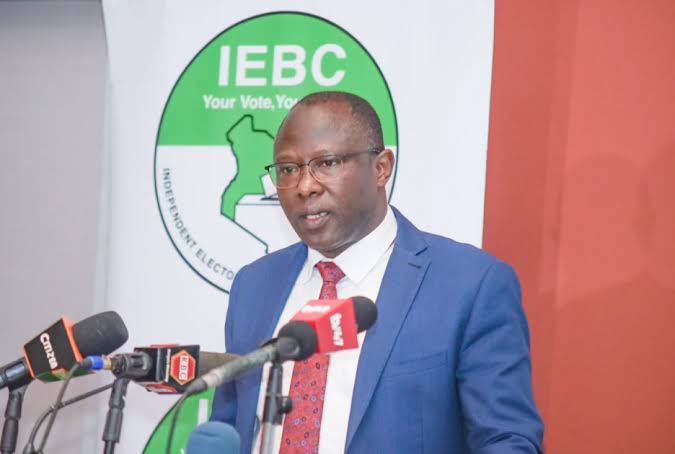
**HEADLINE:** IEBC CHAIRPERSON ETHEKON QUESTIONS PRACTICALITY AND COST OF LIVESTREAMING RESULTS FROM 50,000 POLLING STATIONS **NEWS ARTICLE:** Independent Electoral and Boundaries Commission (IEBC) Chairperson Erastus Ethekon has questioned the practicality of livestreaming electoral activi
-
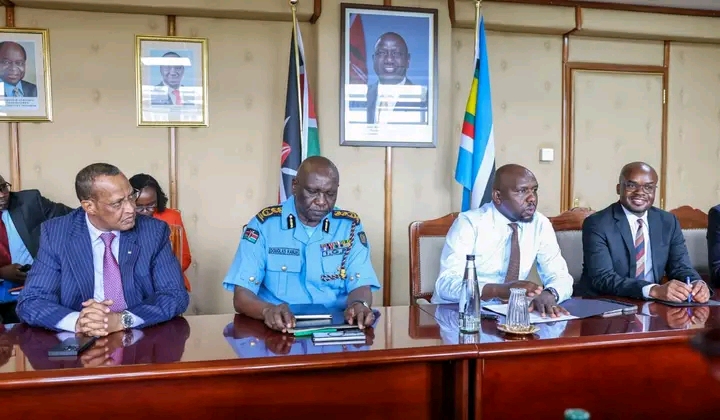
The meeting convened by Interior Cabinet Secretary Kipchumba Murkomen, attended by PS Raymond Omollo, IG Douglas Kanja, DIG Eliud Lagat, DIG Gilbert Masengeli and leaders from Isiolo and Garissa, marks an important government intervention following the recent deadly inter-community clashes. The eig
-
Football Kenya Federation (FKF) has partnered with the Kenya Red Cross Society in an agreement valued at approximately KSh54 million aimed at strengthening medical preparedness and emergency response across Kenyan football. The collaboration seeks to improve the safety and welfare of players, coache
-
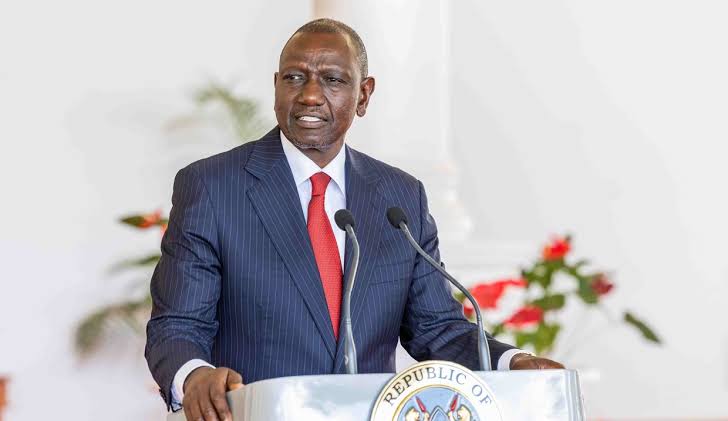
President William Ruto has announced an increase in Hustler Fund borrowing limits for approximately 4.5 million Kenyans who have demonstrated responsible repayment behaviour. The move is aimed at expanding access to affordable credit, supporting small-scale traders and entrepreneurs, and strengtheni
-
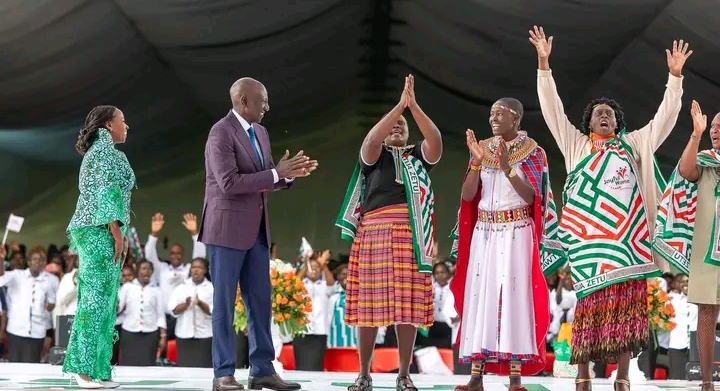
The 17th anniversary celebrations of Joyful Women Organization at State House on November 24, 2026, mark an important chapter in Kenya's efforts to promote women's economic independence. With President William Ruto leading the celebrations, the occasion recognises an organisation that began with app
-
By combining KIMC's expertise in media and communication with TSC's responsibility for teacher development, the initiative seeks to prepare educators for emerging learning areas under the Competency-Based Education curriculum. The training in Media Technology, Theatre and Film, Creative Arts, Music