Opposition Leaders Walk Out of IEBC Consultative Forum, Raise Concerns Over 2027 Election Preparedness
Opposition leaders have staged a dramatic walkout from an IEBC consultative forum, accusing the electoral commission of ignoring agreed electoral reforms, failing to address their concerns and shutting them out of critical discussions ahead of the 2027 General Election. The confrontation has reignited debate over the independence, transparency and preparedness of the electoral body, with opposition politicians demanding accountability and assurances that the next election will be conducted in a free, fair and credible manner. As political temperatures continue to rise, questions are emerging over whether the commission will address the concerns raised and restore confidence among political stakeholders. The unfolding disagreement puts the management of the 2027 electoral process firmly at the centre of Kenya's political conversation.
The battle over the management and credibility of Kenya's 2027 General Election has taken a new turn following a dramatic confrontation between opposition leaders and the Independent Electoral and Boundaries Commission (IEBC). Opposition politicians walked out of a consultative meeting with the electoral commission, accusing it of failing to address their concerns, disregarding previously agreed electoral reforms and excluding key stakeholders from decisions that could shape the next general election.
The walkout has intensified political tensions surrounding preparations for the 2027 polls, with opposition leaders questioning whether the commission is committed to conducting a transparent, inclusive and credible electoral process. The disagreement has also brought renewed attention to longstanding concerns about electoral accountability, institutional independence and public confidence in the country's democratic processes.
The meeting had been expected to provide an opportunity for political leaders and IEBC officials to discuss important issues concerning electoral preparedness. However, what was meant to be a platform for consultation reportedly turned into a disagreement, with opposition representatives expressing dissatisfaction over the manner in which the commission was handling discussions.
Opposition leaders accused the electoral body of failing to give sufficient attention to proposals they believe are necessary to strengthen the country's electoral system ahead of the 2027 General Election. They argued that meaningful consultations should involve all political stakeholders and provide an opportunity for different parties to present their views without feeling sidelined.
According to the opposition representatives, their concerns were not simply about participating in meetings but ensuring that commitments made during previous engagements are translated into practical reforms. They maintained that electoral reforms should not be treated as discussions held for public relations purposes but as essential measures aimed at addressing weaknesses within the electoral system.
The politicians also raised concerns about what they described as a lack of progress in implementing agreed proposals. They questioned why issues that had previously been discussed continued to feature in subsequent engagements without what they considered sufficient action.
At the centre of the disagreement is the question of whether Kenya is adequately prepared to conduct the 2027 elections under a framework that guarantees fairness, transparency and equal opportunities for all political competitors.
The opposition maintains that the credibility of an election is determined long before voters enter polling stations. They argue that the process begins with the recruitment and preparation of electoral officials, voter registration, the development of election technology, the management of political party activities and the establishment of clear procedures for handling disputes.
They further insist that the commission must demonstrate independence in carrying out its constitutional responsibilities, particularly at a time when political competition is expected to intensify as the country approaches the next general election.
The IEBC has an important responsibility in overseeing elections and referenda in Kenya. Its mandate includes voter registration, the regulation of political party nominations where applicable, voter education, the management of electoral processes and the announcement of election results.
Consequently, any disagreement involving the electoral commission and political parties is likely to attract public attention because of the important role the institution plays in determining the country's democratic direction.
Opposition leaders have argued that the commission must create an environment in which every political formation feels represented and assured that its concerns will be considered. They believe that excluding or overlooking some stakeholders could create unnecessary suspicion and weaken confidence in the electoral preparations.
The walkout has also revived memories of previous elections in which disagreements over the conduct of the electoral process resulted in political confrontations, court cases and public demonstrations.
For many political leaders, the lessons from past elections remain important as Kenya prepares for another highly competitive national contest. They argue that the country should avoid repeating previous mistakes by addressing potential disagreements early rather than waiting until the election period.
One of the major issues expected to dominate discussions ahead of 2027 is the credibility of the voter register. Opposition politicians and other electoral stakeholders have repeatedly emphasised the importance of ensuring that eligible Kenyans are registered and that the final register is accurate, transparent and free from irregularities.
They also want assurances that voter registration exercises will be conducted fairly across all regions, allowing eligible citizens to participate in choosing their leaders.
The use of technology in elections is another issue that continues to attract attention. Electoral technology plays an important role in voter identification, transmission of results and the management of election information. However, political stakeholders have consistently stressed the need for transparency, accountability and reliable systems that can withstand scrutiny.
Opposition leaders want the commission to provide sufficient information about the systems that will be used during the 2027 elections. They argue that political parties should be given opportunities to understand the technology and raise concerns before the voting period begins.
The management of election results is also expected to remain a significant subject of discussion. Political parties want clear procedures for the counting, verification, transmission and declaration of results to minimise disputes and strengthen confidence in the outcome.
They maintain that transparency should be demonstrated at every stage, from the polling station to the final announcement of results.
Another issue surrounding the disagreement is the independence of the electoral commission. Opposition politicians have emphasised that IEBC must operate without political interference and make decisions based strictly on the Constitution and electoral laws.
They argue that the commission should not appear to favour any political formation or allow external pressure to influence its operations. In their view, maintaining public confidence requires the electoral body to demonstrate impartiality through its actions and communication.
The concerns raised by the opposition come at a time when political activities are gradually gaining momentum ahead of the 2027 elections. Political leaders are increasingly engaging communities, building alliances and positioning themselves for what is expected to be a closely watched contest.
The political environment has also become increasingly competitive, with questions surrounding the organisation of elections, the role of political parties and the future of Kenya's leadership taking centre stage.
For the opposition, the IEBC consultations provide an important opportunity to demand accountability and seek assurances that the next election will be conducted under conditions that allow voters to exercise their democratic rights freely.
However, walking out of a consultative meeting also raises questions about how disagreements between political stakeholders and the electoral commission should be resolved. While opposition leaders have a right to express dissatisfaction and demand answers, continued engagement remains important in finding solutions to issues affecting the country's electoral preparations.
The commission, on its part, faces the responsibility of addressing concerns raised by stakeholders while ensuring that its operations remain guided by the law. It must also communicate clearly about its preparedness, the progress of electoral reforms and the steps being taken to address challenges ahead of the polls.
The disagreement highlights the importance of establishing a common understanding between the electoral commission and political parties before the election period becomes more intense.
Observers of Kenya's political environment will be watching closely to see whether the latest confrontation leads to further consultations or deepens the divisions between the opposition and the electoral body.
The situation also places the spotlight on the need for open communication, constructive engagement and accountability among all institutions involved in the electoral process.
As the country moves closer to the 2027 General Election, Kenyans will expect the IEBC to provide clear assurances that the necessary preparations are being undertaken. Voters will also want confidence that their registration details are protected, their votes will be counted accurately and the final results will reflect the will of the electorate.
The credibility of the 2027 elections will depend not only on the commission's ability to organise the exercise but also on the confidence that political parties, candidates and ordinary citizens have in the entire process.
The walkout by opposition leaders has therefore brought the question of electoral preparedness back into the national conversation, with demands for reforms, transparency and inclusive consultations likely to remain central to political discussions in the months ahead.
Whether the latest disagreement will result in meaningful progress or further confrontation remains to be seen. What is clear is that the preparations for the 2027 elections are already attracting intense political scrutiny, and the IEBC will face growing pressure to demonstrate that it is ready to oversee an electoral process that meets constitutional requirements and commands public confidence.

You Might Also Like
-
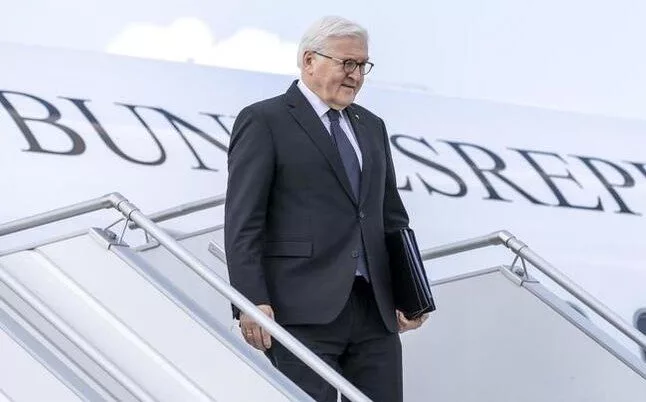
German Federal President Frank-Walter Steinmeier is expected to arrive in Kenya on November 25–26, 2026, for a two-day official visit that will include high-level bilateral talks with President William Ruto at State House. The visit is expected to strengthen diplomatic relations between Kenya and
-
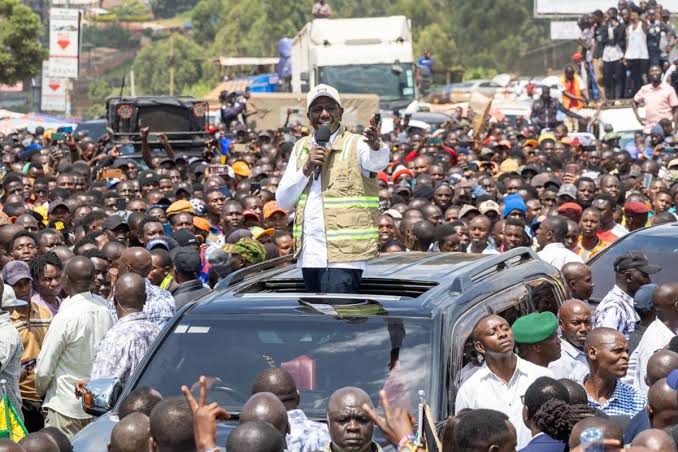
President William Ruto has renewed his criticism of opposition leaders who walked out of a consultative meeting with the Independent Electoral and Boundaries Commission (IEBC), accusing them of transferring their frustrations over disagreements on who should lead their presidential campaign to the e
-
Embakasi East MP Babu Owino has reaffirmed his political relationship with Nairobi Senator Edwin Sifuna, describing him as his brother and dismissing speculation that their individual political ambitions could create divisions within the Linda Mwananchi movement. Babu maintained that their political
-
A political party has moved to court seeking to suspend the recruitment of the Independent Electoral and Boundaries Commission (IEBC) Chief Executive Officer, citing alleged integrity concerns surrounding the selection process. The legal challenge comes at a critical time as the electoral commission
-
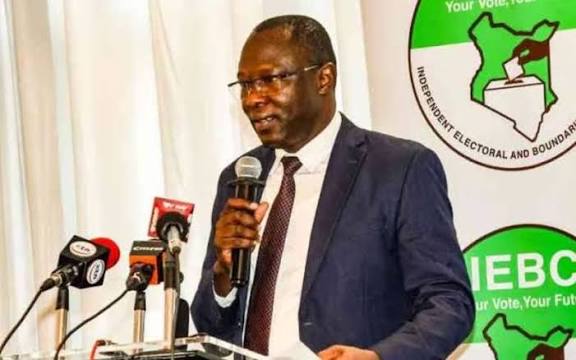
The Independent Electoral and Boundaries Commission (IEBC) has criticised opposition leaders for walking out of a consultative meeting on electoral preparedness ahead of the 2027 General Election. The commission accused the leaders of missing an important opportunity to raise concerns, discuss propo
-
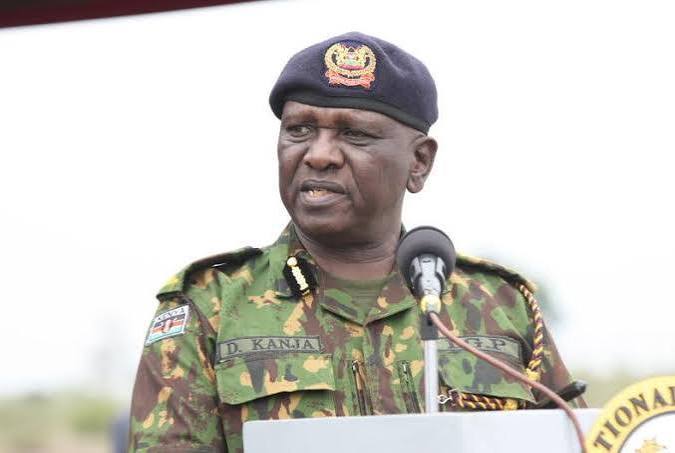
Police Headquarters has ordered a mandatory nationwide physical headcount of all National Police Service officers following reports that some serving officers are allegedly being illegally recruited by foreign agencies to work as mercenaries abroad. The exercise is expected to establish the whereabo