Paul Mackenzie and 11 Others Found Guilty of Child Abuse in Shakahola Case as 24 Are Acquitted in Major Court Ruling
The conviction of Paul Nthenge Mackenzie and 11 others on November 25, 2026, marks another major development in the ongoing Shakahola cases. The Tononoka Children's Court found the 12 accused persons guilty of various offences involving assault, cruelty to children and violations of children's right to education, while 24 others were acquitted. Mackenzie was specifically convicted of assault causing actual bodily harm and five counts of cruelty to children. The convicted individuals are expected back in court on December 3 for mitigation ahead of sentencing. The ruling comes after Mackenzie received a 200-year prison sentence for the murder of 191 people in the wider Shakahola tragedy. As Kenya continues to follow the proceedings, the latest judgment reinforces the importance of protecting children, defending their constitutional rights and ensuring that anyone found guilty of abusing them faces the consequences under the law.
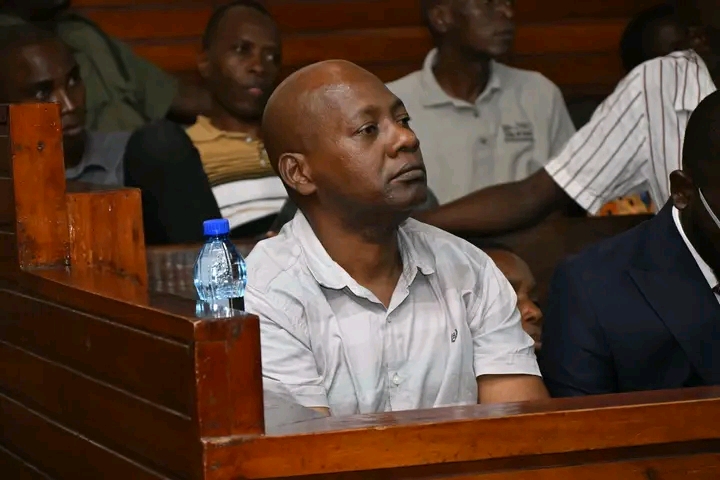
Controversial preacher Paul Nthenge Mackenzie and 11 other accused persons have been found guilty of various child-related offences arising from the Shakahola tragedy. The verdict was delivered on Wednesday, November 25, 2026, at the Tononoka Children's Court in Mombasa, marking another significant development in one of Kenya's most disturbing criminal cases.The court found Mackenzie guilty of assault causing actual bodily harm and several counts of cruelty to children. The case concerns allegations of physical abuse, deliberate denial of food and the violation of children's right to education within the religious movement associated with Mackenzie's Good News International Church.
The ruling is particularly significant because it comes after Mackenzie was already convicted and sentenced to 200 years in prison for the murder of 191 people, including 190 children and one adult, in the Shakahola Forest tragedy in Kilifi County.The charges arose from allegations that children living within the Shakahola religious community were subjected to suffering and mistreatment under teachings associated with the movement.
The prosecution presented evidence alleging that some children were physically punished, denied adequate food and prevented from accessing formal education.
The court's decision represents an important development in efforts to establish individual criminal responsibility for offences committed against children in the Shakahola community.
The case has attracted national attention because children are among the most vulnerable victims of the wider Shakahola tragedy.These allegations were particularly disturbing because children depend on adults for their basic needs, including food, shelter, protection and medical attention.
The prosecution argued that the accused persons had participated in actions that exposed children to unnecessary suffering and violated their fundamental rights.
Another major issue concerned access to education.
The court heard allegations that children were withdrawn from formal schools and prevented from attending classes because of religious teachings that portrayed conventional education as evil or satanic.
The prosecution maintained that children were deprived of opportunities to acquire knowledge and develop their abilities.The Children's Act also provides legal protections aimed at ensuring that children receive education, healthcare, parental care and protection from abuse.
The prosecution argued that children should not be denied these opportunities because of the religious beliefs or personal decisions of adults.
The court's decision to convict several accused persons of infringing the right to education highlights the importance of ensuring that religious practices do not interfere with children's constitutional rights.
The case has also renewed public discussion about the importance of monitoring children who are withdrawn from school without clear explanations.
Parents and guardians have a responsibility to ensure that their children receive an education that prepares them for independent and productive lives.Mackenzie was not the only person found guilty. Eleven other individuals were convicted of different offences connected to the treatment and education of children.
According to the reported court findings, the other convicted individuals included:
Smart Deri Mwakalama: Found guilty of assault causing actual bodily harm and cruelty to a child.
Stephen Sanga Muye: Found guilty of assault causing actual bodily harm and cruelty to a child.
Evans Kolombe Sirya: Convicted of cruelty to a child.
Titus Munyao Musyoka: Convicted of cruelty to a child.
Gilbert Kea Katana: Convicted of cruelty to a child and infringement of the right to education.
Peris Mupa alias Kadzo Yeri Katana: Convicted of cruelty to a child and infringement of the right to education.
Catherine Wanjiru Henry: Convicted of cruelty to a child and infringement of the right to education.
Alice Kawira: Convicted of infringement of the right to education.
Agnes Shihale Jumba: Convicted of cruelty to a child and infringement of the right to education.
Felix Katana: Convicted of infringement of the right to education.
Frida Katana: Convicted of infringement of the right to education.During mitigation, the defence may present personal circumstances, including family responsibilities, previous conduct and other relevant factors.
The prosecution may also make submissions regarding the seriousness of the offences and the appropriate punishment.
The court is also expected to receive pre-sentence reports prepared by the Probation and Aftercare Service.
These reports can provide information about the convicted individuals, their backgrounds and other circumstances that may assist the magistrate in deciding the appropriate sentences.
It is important to note that the November 25 verdict established guilt on the specified charges, but the sentences in this particular child-related case are yet to be determined.Investigations into the tragedy began after concerns were raised about people who had disappeared after relocating to Shakahola Forest in Kilifi County.
Police officers subsequently discovered shallow graves containing human remains.
The discoveries revealed the scale of the tragedy, with hundreds of bodies eventually recovered from the forest.
Investigators established that starvation was a major cause of death among many victims.
The prosecution in the wider murder case argued that Mackenzie and his associates encouraged followers to undertake extreme fasting in the belief that they would meet Jesus.
Children were among those who suffered the consequences of the teachings.On November 6, 2026, Justice Diana Kavedza Mochache sentenced Mackenzie to a total of 200 years in prison.
He received 100 years for murder by starvation and another 100 years for direct homicide.
The other convicted individuals also received lengthy prison sentences, depending on their respective convictions and levels of responsibility.
The murder case was one of the most significant criminal proceedings arising from the Shakahola tragedy.
The court's findings highlighted the suffering experienced by children and other vulnerable followers who were allegedly subjected to extreme religious practices.Kenya is a country where freedom of religion is constitutionally protected. Individuals and religious organisations have the right to practise their faith, establish places of worship and express their religious beliefs.
However, religious freedom does not give anyone permission to abuse children, deny them food or prevent them from accessing education.
The Constitution places an obligation on parents, guardians, communities and the government to protect children from neglect, violence, exploitation and harmful practices.
The court proceedings have therefore highlighted the need to strike a balance between respecting religious beliefs and ensuring that children are protected from abuse.
Religious leaders are also expected to exercise responsibility when interpreting and communicating religious teachings, particularly when their followers include vulnerable people.Another proceeding concerns manslaughter charges arising from deaths in Shakahola.
The proceedings are separate from the murder case and the child-related offences decided on November 25.
Mackenzie also faces separate charges connected to the deaths of 52 people whose bodies were discovered in shallow graves in Kwa Binzaro, Kilifi County.
These additional cases demonstrate the scale of the investigations into the activities of the religious movement and the different criminal allegations arising from the tragedy. It also sends a message that adults who are responsible for children's welfare must be held accountable when evidence establishes that they have violated the law.
The case has encouraged discussions about the importance of parental responsibility, access to education, children's welfare and the role of government agencies in preventing abuse.
It has also demonstrated why communities should report suspicious activities, particularly where children are being isolated, withdrawn from school or exposed to dangerous practices.

You Might Also Like
-
The threat by opposition leaders to organise mass action over electoral reforms marks a significant development in Kenya's preparations for the August 2027 General Election. Led by figures including Rigathi Gachagua, Kalonzo Musyoka, David Maraga, Martha Karua, Fred Matiang'i and Edwin Sifuna, the o
-
The seven-day strike ultimatum issued by the Kenya Union of Clinical Officers on November 25, 2026, has placed the government, the Council of Governors and several county administrations under pressure to resolve longstanding labour disputes. KUCO is demanding full implementation of the January 28,
-
Aden Duale's meeting with Aga Khan University President and Vice-Chancellor Dr. Sulaiman Shahabuddin and Pakistan's Federal Health Minister Syed Mustafa Kamal in Karachi marks an important engagement in Kenya's efforts to strengthen international healthcare partnerships. The discussions focused on
-
Edwin Sifuna's engagement with Kenyans in the diaspora in Maryland, USA, marks an important part of the Linda Mwananchi Movement's international outreach programme ahead of the 2027 General Election.Through meetings with businesspeople, Maryland elected officials, Afri Thrive, women, the 6.25 Moveme
-
President William Ruto has held bilateral talks with German President Frank-Walter Steinmeier at State House, Nairobi, during his official visit to Kenya, with discussions focusing on strengthening diplomatic relations and expanding economic cooperation between the two countries. A key highlight was
-
The Kenya National Highways Authority (KeNHA) has announced temporary traffic disruptions at the Lower Kabete–Ndumbuini–Kapenguria–Uthiru Road Interchange from November 26 to December 31, 2026, to facilitate reconstruction works on ramps, loops and slip roads. The planned works are expected to