Paul Mackenzie Jailed for 200 Years Over Shakahola Massacre That Claimed 191 Lives, Including 190 Children
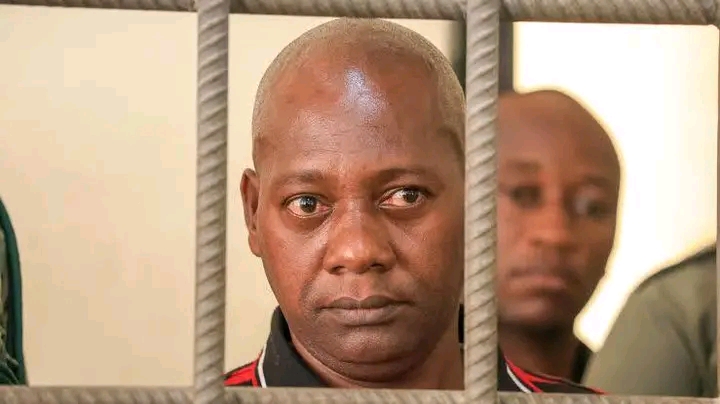
The sentencing of Paul Nthenge Mackenzie to 200 years in prison marks a significant moment in Kenya's pursuit of justice for the victims of the Shakahola massacre. The tragedy, which claimed 191 lives covered by the murder trial, including 190 children, exposed the dangers of religious manipulation, extreme fasting and the failure to protect vulnerable people from harmful practices. The High Court's findings established that the deaths were connected to an organised system of radicalisation, intimidation and enforced fasting under Mackenzie's religious movement. As the country reflects on the court's decision, attention remains on the affected families, the identification of victims and the need to strengthen child protection and oversight of religious organisations.
The sentence was delivered on Friday, November 6, 2026, by the High Court in Mombasa, presided over by Lady Justice Diana Kavedza Mochache. The decision follows Mackenzie's conviction on 191 counts of murder, marking a major development in one of the most disturbing criminal cases in Kenya's recent history.
The case has attracted national and international attention because of the number of lives lost, the vulnerability of the victims and the circumstances under which the deaths occurred. Many of those who died were children whose lives were cut short after being exposed to dangerous religious teachings and an organised system of starvation.Background of the Shakahola massacre
The Shakahola tragedy emerged in April 2023 after authorities received reports of people dying in Shakahola Forest, an area located in Kilifi County near Malindi.
Investigations eventually uncovered mass graves containing the bodies of people who had reportedly followed the teachings of Mackenzie, the leader of Good News International Ministries.
The discoveries shocked the country and raised serious questions about religious extremism, child protection, the regulation of religious institutions and the responsibility of government agencies to protect vulnerable citizens.
Investigators established that Mackenzie had encouraged followers to relocate to Shakahola Forest, where they were expected to undertake extreme fasting as part of their religious beliefs.Mackenzie was the founder and leader of Good News International Ministries. His teachings reportedly encouraged followers to reject several aspects of modern society, including formal education, medical treatment and government authority.
The court heard that followers were encouraged to abandon their homes and move to Shakahola Forest, where they would live according to the religious instructions given by their leader.
The prosecution presented evidence showing that followers were subjected to extreme religious teachings that made them believe starvation was necessary to prepare for the end of the world.
The court established that children were among the first victims of the fasting programme. Their deaths were followed by those of young people and adults.
The judgment also established that people who resisted the fasting instructions faced punishment. Some were reportedly beaten, restrained or confined, while others were prevented from escaping the settlement.On October 19, 2026, the High Court delivered its judgment, finding Mackenzie and 28 co-accused guilty of murdering 191 people.
The victims comprised 190 children and one adult.
Justice Diana Kavedza Mochache ruled that the prosecution had proved its case beyond reasonable doubt. The court found that the accused had participated in an organised system of religious radicalisation and enforced fasting that resulted in the deaths.
The prosecution relied on evidence from approximately 120 witnesses, while the defence presented nine witnesses.
The judge examined the responsibilities played by different accused persons in sustaining the activities at Shakahola.Some associates were found to have helped enforce fasting, provide security, prevent children from escaping, dig graves and transport bodies. The court considered the individual involvement of the accused when determining criminal responsibility.
The judgment rejected the argument that followers had simply chosen to fast voluntarily. It emphasised that children could not meaningfully consent to being deprived of food until they died.
The court also explained that parents had a responsibility to protect their children's lives rather than expose them to practices that could result in death.The major development came on Friday, November 6, 2026, when the High Court in Mombasa sentenced Mackenzie to 200 years in prison.
According to a report , Lady Justice Diana Kavedza Mochache handed down the sentence following his conviction on all 191 murder counts.
The sentence marks a major development in the prosecution of the Shakahola massacre and brings a significant stage of the murder proceedings against the controversial preacher to a conclusion.
The punishment follows the court's findings that the deaths were connected to an organised system of religious indoctrination, intimidation and violence.
Mackenzie's conviction and sentence are particularly significant because the victims included a large number of children who depended on adults for their safety and protection.The prosecution further presented recommendations for rehabilitation programmes to help address religious radicalisation and prevent convicted individuals from continuing to promote dangerous teachings.
One of the accused, Enos Amanya Ngala, had pleaded guilty to all 191 murder counts. The prosecution proposed an 11-year custodial term alongside a rehabilitation programme lasting between 24 and 30 months.
The court proceedings therefore involved not only the punishment of Mackenzie but also determining appropriate sentences for the other individuals convicted in the case.Mackenzie's defence had asked for leniency
During the sentencing process, Mackenzie's defence team presented mitigation arguments asking the court to consider circumstances that could justify a lesser punishment.
The defence highlighted the time the accused had spent in custody, their conduct while imprisoned and their participation in religious and rehabilitation programmes.
Lawyers also argued that some of the accused had undergone personal transformation and were willing to participate in programmes aimed at disengagement from radical beliefs.
The defence further asked the court to consider the individual circumstances of each convict rather than imposing identical punishments on everyone.The Shakahola massacre has raised serious questions about the regulation of religious organisations in Kenya.
One of the major concerns is how a religious leader could develop such influence over followers without effective intervention preventing the deaths.
The case has prompted discussions about the need for stronger accountability mechanisms for religious institutions and leaders.
Religious freedom is protected under the Kenyan Constitution, but the tragedy has highlighted the importance of distinguishing legitimate religious practices from activities that expose people to serious harm.
The government and relevant institutions face the challenge of protecting citizens while respecting constitutional freedoms.
The case has also demonstrated the importance of community awareness, child protection services and timely reporting of suspicious activities.Some families have struggled to identify the remains of their loved ones, while others continue to seek answers about how their relatives ended up in Shakahola.
The loss of children has been particularly painful because many of the victims were too young to understand the consequences of the fasting instructions.
Families have also raised concerns about the circumstances that allowed the activities to continue for an extended period.
The sentencing represents an important development in their pursuit of justice, although no prison sentence can restore the lives lost.
The recovery and identification of victims, support for affected families and continued investigations remain important parts of addressing the consequences of the tragedy.The 200-year prison sentence relates to the 191 murder counts in the Shakahola case. It is important to distinguish this case from other criminal proceedings involving Mackenzie.
He has also faced separate charges, including terrorism-related offences, manslaughter and offences connected to denying children education.
These additional proceedings concern other allegations and should not automatically be treated as part of the 191 murder convictions.
The Shakahola investigations also revealed other deaths beyond those covered in the murder trial, meaning that the wider investigation into the tragedy has involved more than one legal process.

You Might Also Like
-
Sugarcane farmers in Nandi County are calling on the national government to fast-track investigations concerning the Kenya Sugar Board and address the concerns surrounding its operations and leadership. They want the institution to be given the freedom to stand independently, exercise its responsibi
-
President William Ruto and First Lady Rachel Ruto on Friday, November 6, 2026, joined their daughter Charlene Ruto and Tanzanian businessman Isaya Yunge as they officially exchanged marriage vows at Malaika Beach Resort in Mwanza, Tanzania. The colourful ceremony attracted several Kenyan political
-
The upcoming Great Chepsaita Cross Country Run scheduled for December 5, 2026, is expected to bring together approximately 10,000 athletes from different parts of the world. With 21 countries confirming participation and nearly KSh20 million in prize money available, the competition is preparing for
-
The Nairobi lawyers' demonstration on November 6, 2026, has brought renewed attention to the disappearance of Advocate Abshir Ahmedsadak Abdi and concerns about the safety of legal practitioners in Kenya. Led by LSK President Charles Kanjama, the lawyers marched from Milimani Law Courts towards Vig
-
The investigation into Rose Mwende Mala's illness remains an important matter for her family and the wider public. The 32-year-old reportedly became unwell during her birthday celebration on February 14, 2026, and has since remained bedridden and unable to speak. Her family suspects possible exposu
-
Principal Secretary for Internal Security and National Administration Dr Raymond Omollo has issued a stern warning to government officers against demanding bribes from citizens for services that are supposed to be offered free of charge, insisting that public servants must uphold integrity, accounta