




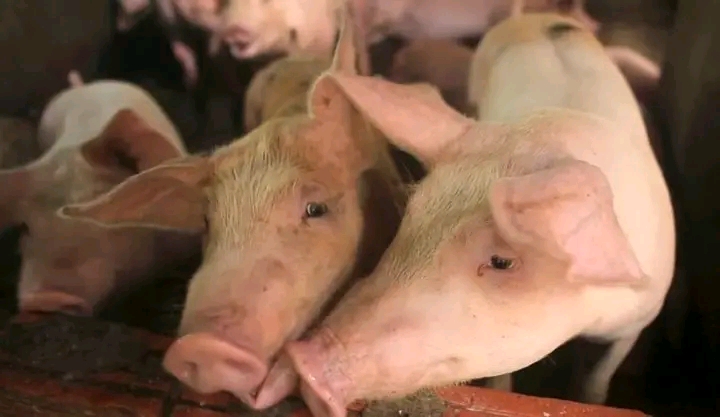
Pig Farmer Loses KSh2.9 Million After African Swine Fever Outbreak in Ruai
The reported loss of approximately KSh2.9 million suffered by a pig farmer in Kona Mbaya, Ruai, after an African Swine Fever outbreak is a major reminder of the risks facing Kenya's livestock farmers. Reports indicate that Peter Gatonga Kimani lost 156 pigs, with mature animals valued at roughly KSh18,000 to KSh25,000 each. The incident highlights the importance of biosecurity, veterinary surveillance, early disease reporting and farmer education. African Swine Fever is particularly destructive because it can spread quickly and cause major mortality among pigs. For Kenya's growing pig industry, preventing outbreaks is far more sustainable than attempting to recover from them after they have devastated farms. Farmers need to work closely with veterinary authorities, maintain strict hygiene and movement controls, and immediately report unusual illness or deaths among their animals. Most importantly, the Ruai farmer's experience shows that livestock disease can destroy millions of shillings in investment within a very short period. Strong prevention measures are therefore not an optional extra for commercial pig farmers—they are a fundamental part of protecting the farm, the farmer's income and the wider pork industry.
A pig farmer in the Kona Mbaya area of Ruai, Nairobi County, is counting losses estimated at about KSh2.9 million following an outbreak of African Swine Fever (ASF) that killed his pigs. The incident has highlighted the serious financial risks facing pig farmers in Kenya, particularly because African Swine Fever can spread rapidly through pig populations and can wipe out a farmer's investment within a very short period. Recent reports indicate that the farmer suffered substantial losses after his pigs were affected by the disease, underscoring the importance of disease surveillance, biosecurity and rapid intervention in the country's livestock sector.
The Ruai farmer's devastating loss
The farmer, identified in reports as Peter Gatonga Kimani, is among livestock keepers who have recently suffered severe losses from African Swine Fever in the Nairobi area. Reports indicate that he lost 156 pigs, with the animals dying over a period of only a few days. The financial damage was particularly severe because mature pigs can command prices of approximately KSh18,000 to KSh25,000 each, depending on factors such as size, age and market conditions.
The loss demonstrates how quickly an outbreak can destroy years of investment. Pig farming requires significant expenditure on purchasing breeding stock, constructing housing, buying feeds, paying workers, veterinary care, water and other farm inputs. When animals die before reaching the market, the farmer loses not only the value of the animals but also the money already spent raising them.
For a farmer with a large herd, the consequences can therefore extend far beyond the immediate value of the dead pigs.
*What is African Swine Fever?*
African Swine Fever is a highly contagious viral disease that affects domestic pigs and wild members of the pig family. It is important to distinguish it from human influenza, commonly called swine flu. African Swine Fever does not infect people and is not a human health disease.
The disease is nevertheless extremely dangerous to pig production because infected pigs can become seriously ill and die. The virus can spread through contact between infected and healthy pigs, contaminated equipment, vehicles, clothing, footwear, feed and other materials.
This makes biosecurity one of the most important measures for pig farmers.
Kenya has a long history with African Swine Fever. The disease was first described in Kenya in the early 20th century, making it particularly relevant to the country's livestock sector.
How the outbreak affected the farmer
The speed at which the pigs died is one of the most alarming aspects of the case. Losing more than 150 pigs in just a few days means that the farmer had little opportunity to recover his investment or sell healthy animals before the disease took hold.
Reports on the Ruai case indicate that the farmer lost all 156 pigs to African Swine Fever, with the value of the loss running into millions of shillings.
For a commercial farmer, the effect is devastating. A mature pig represents months of feeding and management. Farmers invest heavily in feeds because pigs require consistent nutrition to achieve good growth rates. The farmer may also have invested in breeding animals with the expectation that they would produce piglets and provide income over several production cycles.
Once an outbreak kills the animals, these future earnings disappear.
Why pig farmers are particularly vulnerable
Pig farming has become an important source of income for many Kenyan households. Farmers keep pigs for meat production, breeding and sale to other farmers. Urban and peri-urban areas such as Nairobi and its outskirts have also seen increasing interest in livestock enterprises because of the demand for pork.
However, intensive farming also creates risks when disease-control measures are inadequate.
Pigs kept close together can facilitate the spread of infectious diseases. A virus introduced into a piggery can potentially move rapidly through the herd if infected animals are not isolated and if contaminated equipment or people continue moving between pens.
Farmers therefore need to take disease prevention as seriously as they take feeding and breeding.
Biosecurity is critical
One of the biggest lessons from the Ruai case is the importance of biosecurity.
Biosecurity involves measures designed to prevent diseases from entering a farm and spreading once they are present. Farmers can reduce risks by controlling visitors, disinfecting equipment, maintaining clean pig houses, avoiding unnecessary movement of animals and ensuring that newly purchased pigs are properly managed before being introduced to an existing herd.
Vehicles and people can also become sources of disease transmission. A person who has visited another pig farm could potentially carry contaminated material on footwear or clothing.
Farmers should therefore avoid allowing unnecessary visitors into pig houses and should provide appropriate cleaning and disinfection facilities where possible.
The importance of early detection
Early detection is another critical component of disease management.
Farmers should pay attention to sudden deaths, loss of appetite, weakness, fever, abnormal behaviour and other unusual signs among their pigs. When several animals begin showing illness or dying unexpectedly, the farmer should seek veterinary assistance immediately rather than assuming that the problem is a routine illness.
The faster an unusual disease is identified, the greater the opportunity to prevent further spread.
However, African Swine Fever presents a major challenge because there is no simple treatment that can be relied upon to cure infected pigs. Disease control therefore depends heavily on prevention, early reporting and appropriate veterinary and regulatory measures.
The financial impact goes beyond dead pigs
Although the reported KSh2.9 million loss is largely associated with the value of the farmer's livestock, the actual economic consequences can be even greater.
The farmer may have lost:
The market value of mature pigs
Breeding stock
Potential piglets
Money spent on feeds
Veterinary expenses
Labour costs
Construction and maintenance investments
Expected future income
Existing customers and market relationships
For example, a farmer who had planned to sell mature pigs to traders or pork processors would lose anticipated revenue when the animals die.
The farmer may also face difficulties restarting the business. Even if he has money to purchase new pigs, he may need to take additional precautions to ensure that the disease does not remain on the premises.
*Impact on Kenya's pig industry*
The incident is not only a personal tragedy for one farmer. It raises broader concerns about Kenya's pork industry.
If outbreaks occur repeatedly in different farming areas, farmers can become reluctant to invest in pig production. Banks and other financial institutions may also become more cautious about lending to livestock farmers if disease outbreaks create significant risks of default.
At the same time, traders and consumers can be affected if outbreaks cause disruptions in the supply of pigs.
The livestock sector is therefore dependent on strong disease surveillance systems and effective cooperation between farmers, veterinary officers, county governments and national agricultural authorities.
Kenya's livestock research agenda also identifies the Kenya Pig Farmers Association among organisations involved in the country's livestock sector, demonstrating the importance of organised farmer representation in addressing production challenges.
Farmers need stronger veterinary support
The Ruai case also demonstrates why farmers need access to veterinary officers and reliable agricultural information.
Many small-scale farmers may not immediately know whether a disease affecting their animals is African Swine Fever or another condition. Veterinary officers can help with diagnosis, containment advice and reporting.
Farmers should avoid moving sick animals to other farms or markets. Selling or transporting animals from an affected farm can potentially contribute to wider disease transmission.
The movement of pigs, equipment and people should therefore be carefully controlled when an outbreak is suspected.
The need for farmer education
Education is one of the most effective tools for preventing livestock disease.
Farmers should be trained on:
Recognising early signs of disease.
Maintaining clean pig housing.
Controlling visitors.
Disinfecting equipment.
Quarantining newly purchased pigs.
Avoiding contact with pigs from unknown sources.
Reporting unusual deaths.
Safely disposing of carcasses under veterinary guidance.
Avoiding unnecessary movement of animals during outbreaks.
*Maintaining proper farm records.*
Such measures may appear expensive or inconvenient, but the Ruai farmer's reported multimillion-shilling loss demonstrates how much more expensive an uncontrolled outbreak can become.
A warning to other pig farmers
The KSh2.9 million loss should serve as a warning to pig farmers across Kenya.
Farmers sometimes concentrate heavily on increasing the number of animals because a larger herd can generate greater revenue. But herd expansion without adequate biosecurity can increase the potential impact of disease.
A farmer with 20 pigs may suffer a significant loss if disease kills the herd. A farmer with 200 pigs could potentially face a financial disaster.
The objective should therefore not simply be to have more pigs, but to have a healthy and well-managed herd.
Government response and disease control
Disease outbreaks involving livestock require cooperation between farmers and government authorities. Veterinary authorities need accurate information about suspected cases so that they can assess the situation and determine appropriate control measures.
Authorities can also help educate farmers about disease prevention and restrictions that may be necessary during outbreaks.
For farmers, reporting suspected outbreaks should not be viewed simply as a threat to their businesses. Early reporting can help prevent the disease from spreading to neighbouring farms and potentially protect the wider industry.
The human story behind the KSh2.9 million loss
Behind the financial figure is a farmer who invested time, money and effort into building a livestock enterprise.
Pig farming can be a full-time occupation. Farmers must feed animals every day, clean their pens, monitor their health, manage breeding and find buyers. When an outbreak suddenly destroys the herd, the farmer can lose not only income but also confidence in the future of the business.
The KSh2.9 million figure therefore represents more than the price of livestock. It represents the economic value of an agricultural enterprise that was suddenly devastated by disease.