Police Uncover Major Suspected Fuel-Siphoning Syndicate in Mombasa
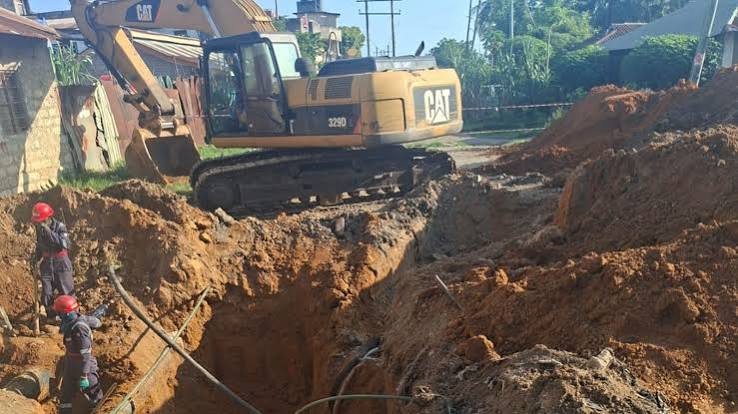
Police and Kenya Pipeline Corporation officials have uncovered a suspected major fuel-siphoning syndicate in Migadini, Changamwe, Mombasa County, after discovering an illegal connection to the corporation’s main petroleum pipeline inside a condemned building. The discovery has raised concerns over the security of critical petroleum infrastructure and the growing threat posed by organised fuel theft networks. Authorities are expected to investigate how the illegal connection was installed, how long the suspected operation had been running and the individuals behind the scheme. The incident has also highlighted the dangers of tampering with petroleum pipelines, including the risk of fuel leaks, fires, explosions and environmental damage. Investigations will focus on establishing the full scale of the suspected operation and identifying anyone involved in diverting petroleum products illegally.
Police officers and officials from the Kenya Pipeline Corporation have uncovered a suspected major fuel-siphoning operation in Migadini, Changamwe, Mombasa County, following the discovery of an illegal connection to the corporation’s main petroleum pipeline inside a condemned building. The discovery has raised fresh concerns about the growing threat posed by organised fuel theft networks and the methods used by criminal groups to interfere with critical national infrastructure.
The suspected operation was uncovered after authorities discovered an unauthorised connection linked to the main petroleum pipeline within the abandoned structure. The building, which had already been condemned, is believed to have provided an opportunity for individuals involved in the illegal activity to carry out their operations away from public attention. The discovery has drawn attention to the security challenges facing petroleum transportation systems and the importance of protecting facilities that handle large volumes of fuel across the country.
Fuel siphoning is a serious offence that involves illegally diverting petroleum products from authorised pipelines or storage facilities for unauthorised use or sale. Such operations can involve carefully planned activities, specialised equipment and networks of individuals who work together to access fuel without permission. In cases involving major petroleum infrastructure, the consequences can extend beyond financial losses to include serious safety and environmental risks.
The discovery in Migadini is particularly concerning because the suspected illegal connection was reportedly established inside a building that had been declared unfit for occupation. Structures that are abandoned or poorly monitored can provide hiding places for criminal activities, especially where they are located near essential infrastructure. The discovery highlights the need for property owners, local authorities and security agencies to remain vigilant about suspicious activities taking place in buildings that are no longer in use.
The Kenya Pipeline Corporation plays an important role in the country's energy sector by transporting petroleum products from major supply points to different parts of the country. Its pipeline network supports the distribution of fuel to various destinations, helping ensure that petrol, diesel, kerosene and other petroleum products reach businesses, transport operators and consumers. Any interference with this system can disrupt operations and threaten the reliability of fuel supplies.
Illegal connections to petroleum pipelines present a significant security challenge because they involve tampering with infrastructure designed to operate under controlled conditions. Pipelines transport fuel through systems that require specialised monitoring, maintenance and safety procedures. Unauthorised interference can compromise the integrity of the equipment and create conditions that may lead to leaks, fires or explosions.
The risks associated with fuel theft are not limited to the individuals directly involved in the illegal activity. Residents living near affected infrastructure may also face danger, particularly where petroleum products leak into buildings, drainage systems or surrounding land. Fuel is highly flammable, and even a small leak can create a dangerous environment if appropriate safety measures are not followed. The presence of an illegal connection within a building therefore raises questions about the possible risks faced by people living or working in the surrounding area.
Authorities are expected to establish how the suspected connection was installed, how long it may have been in operation and whether petroleum products were successfully diverted through the illegal system. Investigators may also seek to determine the individuals responsible for accessing the pipeline, the equipment used and whether other locations were involved in the suspected operation. Establishing the full extent of the activities will be important in determining whether the discovery points to a wider organised network.
The investigation may also focus on identifying individuals who could have financed, facilitated or benefited from the suspected fuel theft. Large-scale siphoning operations can require coordination between different participants, including those responsible for accessing infrastructure, transporting stolen products and distributing them to potential buyers. Authorities will therefore need to examine all possible links to establish whether the suspected activity was limited to the building or connected to a broader criminal enterprise.
The discovery also places renewed attention on the need for stronger cooperation between security agencies and institutions responsible for managing critical infrastructure. Protecting petroleum pipelines requires regular inspections, effective surveillance and timely reporting of suspicious activities. Security personnel and technical teams must work together to identify weaknesses and respond quickly whenever signs of interference are detected.
Local residents can also play an important role in preventing illegal activities by reporting suspicious movements, unusual construction work or activities taking place around petroleum infrastructure. Members of the public may notice developments that are not immediately visible to security agencies, especially in residential and industrial areas. Timely information can assist authorities in responding before suspected criminal activities develop into larger operations.
However, members of the public should avoid attempting to investigate suspected illegal pipeline connections on their own. Petroleum infrastructure can be extremely dangerous, particularly where unauthorised modifications have been made. Anyone who notices a suspected leak, damaged pipeline or suspicious activity near such facilities should report the matter to the relevant authorities and keep a safe distance from the affected area.
The discovery in Changamwe also highlights the wider economic consequences associated with petroleum theft. Fuel is an essential commodity that supports transportation, manufacturing, agriculture and other economic activities. Any illegal diversion of petroleum products can result in financial losses for companies, increased operational costs and potential disruptions to supply chains. Such losses can ultimately affect businesses and consumers who depend on a reliable supply of fuel.
For a country that relies heavily on petroleum products to support economic activity, protecting fuel transportation infrastructure remains a national priority. Kenya's pipeline system is an important part of the supply chain, and its security is necessary to maintain confidence among businesses, transport operators and consumers. Criminal interference with the network can undermine these efforts and expose the country to avoidable risks.
The suspected fuel-siphoning operation in Migadini further demonstrates why condemned and abandoned properties should be properly monitored. Buildings that are no longer safe for occupation may still be accessed by unauthorised individuals if they are left unsecured. Property owners and relevant authorities have a responsibility to ensure that such structures do not become hiding places for illegal activities or sources of danger to nearby communities.
Local administration officials and security agencies may also need to examine other abandoned properties located near sensitive infrastructure. Identifying vulnerable locations and ensuring that they are secured could help prevent similar incidents. Regular inspections, public awareness and cooperation between different agencies can strengthen efforts to protect essential facilities from criminal exploitation.
The role of the Kenya Pipeline Corporation in identifying and responding to interference with its infrastructure will also be important in addressing the matter. Technical monitoring systems, inspection teams and security arrangements are essential in detecting unusual activities along the pipeline network. Where illegal connections are discovered, swift action is necessary to secure the affected section and prevent further interference.
The authorities will also need to ensure that any evidence recovered from the condemned building is properly preserved to support investigations and possible court proceedings. Evidence relating to the illegal connection, equipment and any petroleum products recovered could help establish how the suspected operation was conducted. A thorough investigation will be necessary to identify those responsible and ensure that anyone found culpable faces the appropriate legal consequences.
The case comes at a time when the protection of critical infrastructure remains an important concern for both public safety and economic stability. Petroleum pipelines, electricity installations, water systems and communication networks provide services that millions of people depend on. Criminal interference with such facilities can have far-reaching consequences, making it necessary for security agencies and responsible institutions to maintain strong protective measures.
For residents of Migadini and the wider Changamwe area, the discovery is a reminder of the importance of reporting suspicious activities and taking safety concerns seriously. Communities located near industrial facilities and petroleum infrastructure must remain alert to unusual developments, particularly where abandoned buildings or restricted areas are involved.

You Might Also Like
-
Kenyan Professor Phoebe Okowa has been re-elected as a judge of the International Court of Justice (ICJ) for another nine-year term, extending Kenya’s representation at the United Nations’ principal judicial organ until 2036. Her re-election marks a significant achievement for Kenya and its lega
-
The recovery of the second body from the collapsed Eastleigh building is a painful reminder of the devastating consequences of the October 23 disaster. As rescue teams continue clearing the rubble, families remain anxious about their missing relatives and are calling for faster efforts to establish
-
A Narok man has been sentenced to life imprisonment after being convicted of sexually abusing his 10-year-old daughter on several occasions between 2024 and February 2026 in the Bulla Kipangas area of Narok Central. The sentence was delivered by Chief Magistrate H. Nyaberi following a successful pro
-
More than 350 Kenyan workers who travelled to Saudi Arabia in search of employment have been forced to return home after being denied entry over concerns linked to the Ebola outbreak in Kenya. The unexpected development has disrupted their employment plans, leaving many uncertain about when they wil
-
Dr Raymond Omollo hosted the 5th Kenya-European Union (EU) Security and Defence Dialogue, bringing together key stakeholders to strengthen cooperation between Kenya and the European Union in addressing emerging security challenges. The discussions focused on combating terrorism and violent extremism
-
Inspector General of Police Douglas Kanja has appeared in court to respond to concerns surrounding the disappearance of Tanzanian activist Twaha Mwaipaya, who was reportedly last seen in Nairobi's Kamulu area on October 25, 2026. During the court proceedings, Kanja denied allegations that police off