



President Ruto’s Historic Third Day in Nyanza: Major Projects, Powerful Speeches and His Big Message to Siaya Residents
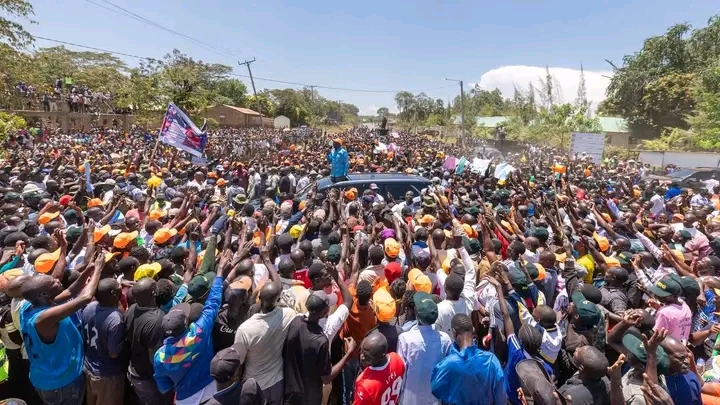
President William Ruto's September 15, 2026 visit to Siaya marks the third day of his current Nyanza development tour and represents one of the most politically significant stages of the regional visit. The day is centred on Dhogoye Bridge, Sihayi-Bar Ober-Sega Road, Alego Usonga Affordable Housing, Siaya Hospital, Siaya Stadium, Kodiaga-Fabiano-Usenge Road, Kalandini-Ka Eljia Road and the Asambo-West Uyoma Water Project. At the same time, Ruto's speeches have focused on national unity, the broad-based government, development, peace and criticism of opposition parties for allegedly lacking a clear alternative agenda. The visit is therefore much bigger than a routine inspection of government projects. It is a test of whether the administration can translate its development promises into tangible results in a region where political loyalty has traditionally favoured the opposition. With the 2027 election approaching, Ruto's message is clear: he wants Nyanza to judge his administration not only through its political history but also through roads, bridges, hospitals, housing, water projects, jobs and other development programmes. The real test, however, will come after the presidential motorcade leaves Siaya—when residents determine whether today's promises and inspections result in lasting improvements on the ground.
President William Ruto is today, Tuesday, September 15, 2026, continuing his development tour of the Nyanza region, with the President’s programme taking him to Siaya County. This is the third day of the current Nyanza development tour, following his engagements in Kisumu on Sunday and Monday. The wider tour is focused on infrastructure, housing, water, health, roads and other development projects, while also carrying significant political importance ahead of the 2027 General Election.
Today’s Siaya programme is particularly significant because the county has historically been a stronghold of the opposition and is closely associated with the political legacy of the late former Prime Minister Raila Odinga. Ruto’s visit therefore combines two major elements: showcasing government development projects and attempting to strengthen his political relationship with residents of Nyanza.
Ruto arrives in Siaya for development tour
The President’s programme in Siaya includes inspections and engagements across several parts of the county. Among the key projects on the itinerary are the Dhogoye Bridge in Usenge, the Sihayi-Bar Ober-Sega Road, the Alego Usonga Affordable Housing Project, the Kodiaga-Fabiano-Usenge Road, the Kalandini-Ka Eljia Road and the Asambo-West Uyoma Water Project. He is also expected to visit Siaya Hospital and inspect the local stadium.
One of the first major activities today was the inspection of the Dhogoye Bridge project in Usenge, Bondo Constituency. Citizen Digital reported the President inspecting the ongoing bridge works during the morning programme. The bridge is important because it is intended to improve movement between communities around the lakeside area and make it easier for residents, traders and businesses to transport goods and access services.
The bridge forms part of the government's broader argument that infrastructure investment is not only about roads and buildings but also about connecting rural communities to markets, schools, hospitals and other economic opportunities.
Sihayi-Bar Ober-Sega Road
Another major development issue on today's programme is the Sihayi-Bar Ober-Sega Road.
The road is being presented as part of the government's wider investment in road infrastructure in western Kenya. Better roads are expected to reduce travelling time, improve transportation of agricultural produce and make it easier for residents to access markets and public services. The President's inspection is therefore intended to demonstrate progress on the administration's infrastructure agenda.
For residents, however, the key question will be whether the projects are completed within the promised timelines and whether the quality of the roads will be maintained after construction.
Affordable housing in Alego Usonga
Housing is another major feature of the President's Siaya visit.
Ruto is expected to inspect the Alego Usonga Affordable Housing Project in Siaya Town. Affordable housing has become one of the signature programmes of his administration, with the government arguing that it will increase access to decent homes, create employment and stimulate economic activity in the construction sector.
During his Kisumu engagements, Ruto also defended the Affordable Housing Programme against criticism, arguing that the programme can help address the problem of land fragmentation. His argument is that as populations grow, repeatedly subdividing agricultural land into smaller pieces can make farming increasingly difficult, while planned urban housing can provide an alternative for growing populations.
The Alego Usonga project therefore carries both a housing and an economic message.
Kodiaga-Fabiano-Usenge Road
The President's programme also includes the Kodiaga-Fabiano-Usenge Road project.
The road is intended to improve connectivity within Siaya and the wider Nyanza region. Roads such as this are particularly important in agricultural communities because farmers depend on reliable transport to move their produce from farms to markets.
Improved roads can also reduce vehicle operating costs and make transportation more predictable. For students, patients and workers, better roads can mean easier access to schools, hospitals and workplaces.
The government is therefore using today's inspections to demonstrate that infrastructure development is reaching areas outside major urban centres.
Siaya Hospital and health services
Health is another important issue on today's programme.
The President is scheduled to visit Siaya Hospital, putting healthcare among the major issues being highlighted during the Siaya leg of the tour.
Healthcare remains a politically sensitive issue because of the continuing debate over the implementation of the Social Health Authority and the division of responsibilities between the national and county governments.
Ruto's administration has repeatedly argued that it is investing in healthcare infrastructure, equipment and universal health coverage. At the same time, county governments continue to carry major responsibility for frontline healthcare facilities.
The Siaya Hospital visit therefore provides an opportunity for the national government to demonstrate its contribution to the county's health sector.
Siaya Stadium development
The President is also expected to visit the Siaya Stadium, another project forming part of today's programme.
Sports infrastructure has become an increasingly important part of government development programmes, particularly because stadium projects can provide facilities for young people while supporting sporting talent.
For Siaya, a modern stadium could provide a venue for football, athletics and other sporting activities. It can also become a centre for major community events.
The government has increasingly linked sports development to youth empowerment, arguing that sporting facilities can provide opportunities for young people while helping identify and develop talent.
Asambo-West Uyoma water project
Water development is also part of today's programme.
The President is expected to inspect the Asambo-West Uyoma Water Project in Rarieda.
Water remains one of the most important development needs in rural communities. Reliable water supplies can improve household welfare, sanitation, agricultural production and economic activity.
The project therefore fits into the wider government message that development in Nyanza should not be restricted to major roads and urban centres but should include basic services that directly affect households.
Kalandini-Ka Eljia Road
The Kalandini-Ka Eljia Road is another project on today's programme.
The Star reported that the President's Siaya itinerary includes this road together with the Asambo-West Uyoma water project.
The focus on several roads during the Siaya visit shows the importance Ruto's administration is placing on transport infrastructure in the region.
Road construction has been one of the most visible components of Ruto's development tours across the country. During the previous Kisumu leg of the Nyanza tour, the President announced a Sh23 billion road investment for Kisumu County, covering eight roads and about 270 kilometres.
Ruto's speeches and political message
Beyond development projects, Ruto's speeches during the Nyanza tour have carried a strong political message.
One of the central themes has been national unity. The President has defended the broad-based government arrangement between UDA and elements of ODM, arguing that it provides a platform capable of bringing different political communities together.
On Tuesday, Ruto was reported to have described the broad-based political arrangement as the only formation with the capacity to unite the country. He criticised rival political groupings as personality-driven and lacking a clear national agenda.
The President has also criticised opposition politicians for failing to provide what he considers a credible alternative plan for governing Kenya. During his Siaya tour, he accused opposition leaders of "speaking in tongues" rather than presenting Kenyans with a clear development programme.
This political message is particularly important because the 2027 General Election is approaching.
Message against chaos and political violence
Another theme emerging from Ruto's Nyanza speeches has been the need for peace and political stability.
During the Kisumu leg of the tour, Ruto warned political leaders against using chaos, violence and divisive politics to pursue their political interests. He argued that Kenya needs stability and unity to achieve economic growth and development.
This message comes at a time when political mobilisation is increasing across the country.
Ruto's argument is that political competition should focus on ideas, policies and development rather than violence or ethnic divisions.
Development package for Nyanza
The current tour is taking place against the backdrop of a very large government investment programme in Nyanza.
Reports have placed the value of projects being rolled out across Kisumu, Siaya, Homa Bay and Migori at more than Sh220 billion, covering roads, housing, markets, water, health and other infrastructure.
Other reports have described the wider development package in even larger terms, with estimates reaching hundreds of billions of shillings depending on the projects and commitments included.
The government's intention is to demonstrate that Nyanza is receiving substantial public investment despite its historical political differences with the national government.
Kisumu achievements preceding the Siaya visit
The Siaya visit follows several significant developments announced or commissioned during Ruto's Kisumu engagements.
One of the notable projects was the new eight-storey Aviation Control Tower at Kisumu International Airport, whose construction and equipment reportedly cost about Sh1 billion and was fully funded by the national government.
The President also commissioned the Lake Victoria Water and Sanitation Project, while other road and security infrastructure projects were inspected or launched.
The Kisumu leg also included the opening of the Kisumu West Sub-County Police Headquarters, adding security infrastructure to the list of projects being showcased during the tour.
These developments form part of the government's wider attempt to present the Nyanza tour as a development-focused presidential visit rather than simply a political campaign.
Political significance of the Siaya visit
Siaya is arguably one of the most politically significant stops in the entire tour.
The county is strongly associated with the Odinga political family and the political history of the Luo community. Ruto's appearance there therefore carries a symbolic significance beyond the individual development projects.
The political landscape in Nyanza has also changed following the death of Raila Odinga and the emergence of new political alliances and competing factions within ODM.
Ruto's strategy has increasingly involved presenting his relationship with the late Raila Odinga and the broad-based government as evidence that Kenyan politics can move beyond traditional political divisions.
The development projects provide the practical side of that argument.
Engagement with ordinary residents
Ruto's Nyanza tour has also placed considerable emphasis on direct interaction with residents rather than relying only on meetings with governors and elected leaders.
Today's programme includes public engagements, and reports have indicated that the President is expected to address residents and local leaders.
A planned engagement with the boda boda sector has also attracted attention because motorcycle operators form a major part of the informal economy.
Such an engagement is politically important because boda boda operators interact with farmers, traders, students and ordinary households every day.
Issues such as fuel prices, road conditions, access to credit, licensing, insurance and security directly affect their livelihoods.
What today's visit means for residents
For ordinary residents of Siaya, the most important outcome of the visit will not necessarily be the political speeches.
Residents will be watching to see whether the announced and inspected projects are completed.
They will want better roads, reliable water, improved hospitals, affordable housing, electricity, markets and employment opportunities.
The government will similarly be expected to demonstrate that its development commitments translate into actual improvements in people's lives.
The President's development tours have therefore created a situation where political messaging and development performance are closely connected.

You Might Also Like
-
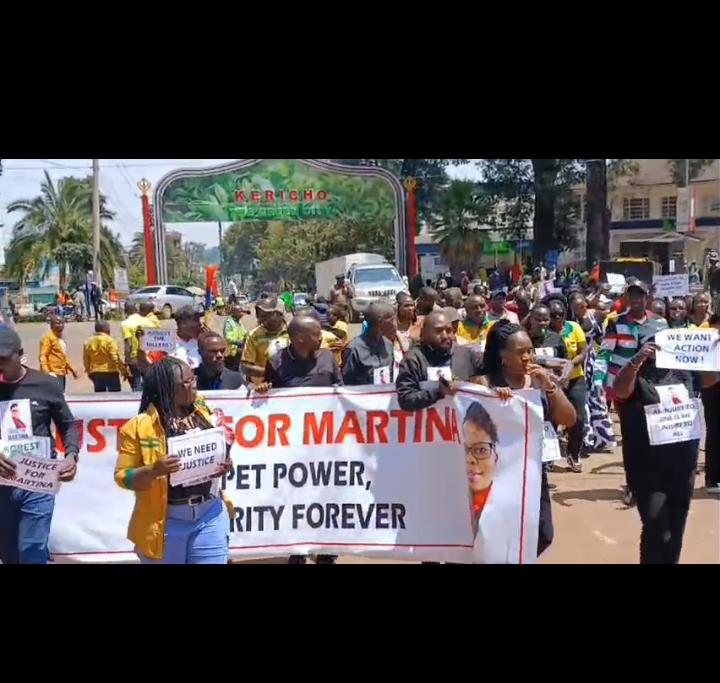
The KUPPET protest and calls for justice in Kericho have brought renewed attention to the death of teacher Martina Chepkemoi Ruto. Her disappearance, followed by the recovery of her body near the Kimugu River and reports of multiple chest stab wounds, has left her family, colleagues and the communit
-
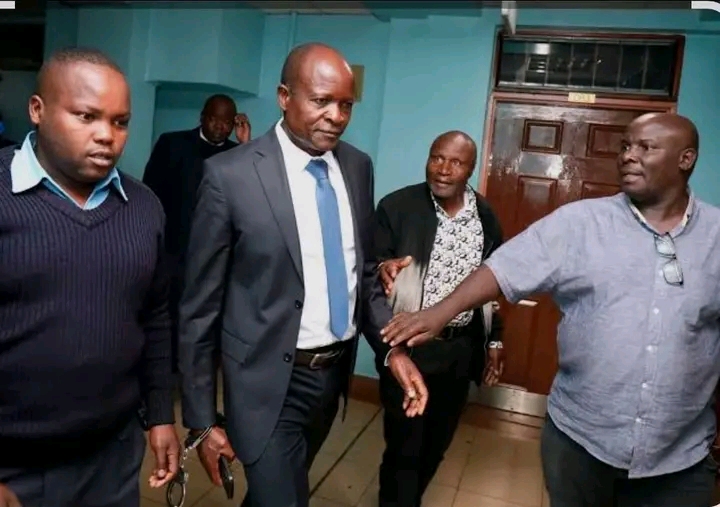
Former Migori Governor Okoth Obado is back in the Milimani High Court on September 16, 2026, for sentencing following his conviction over the 2018 murder of Rongo University student Sharon Otieno. Obado, alongside his former personal assistant Michael Juma Oyamo and former Migori County official Cas
-
The announcement that Nairobi will host the 2029 World Athletics Championships has been met with considerable excitement in Eldoret, particularly among upcoming athletes, coaches and residents who identify strongly with Kenya's athletics tradition. Young athletes see the championships as a potentia
-
 President Ruto's reaction to Nairobi winning the 2029 World Athletics Championships has centred on national pride, Africa's historic opportunity and recognition of Kenya's athletics heritage. He has described the victory as belonging to Kenya, Africa and generations of athletes who have made the cou
 -
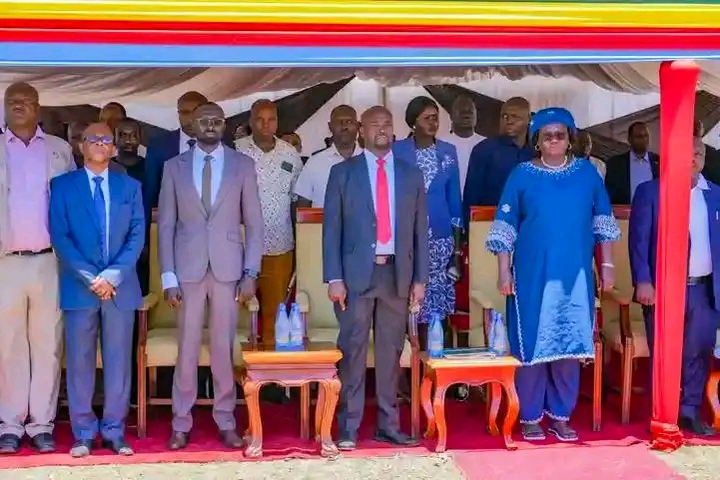
The 15th Mara Day celebrations concluded on Tuesday, September 15, 2026, at Bomet Stadium, bringing together Kenyan and Tanzanian leaders, environmental experts, conservation organisations and local communities to discuss the protection of the Mara River ecosystem. Key leaders included EAC Affairs a
-
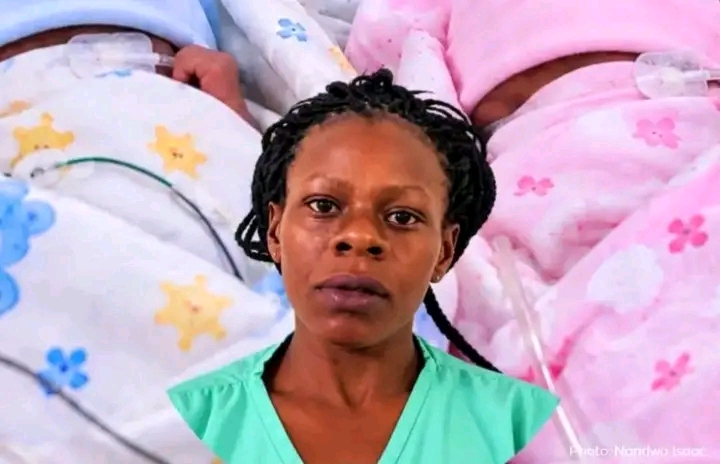
The story of Mercy Kanini of Juja, Kiambu County, is both extraordinary and heartbreaking. She made headlines after delivering five babies through normal delivery at Thika Level Five Hospital, an event described as extremely rare in Kenya. The babies were subsequently transferred to Kenyatta Nationa