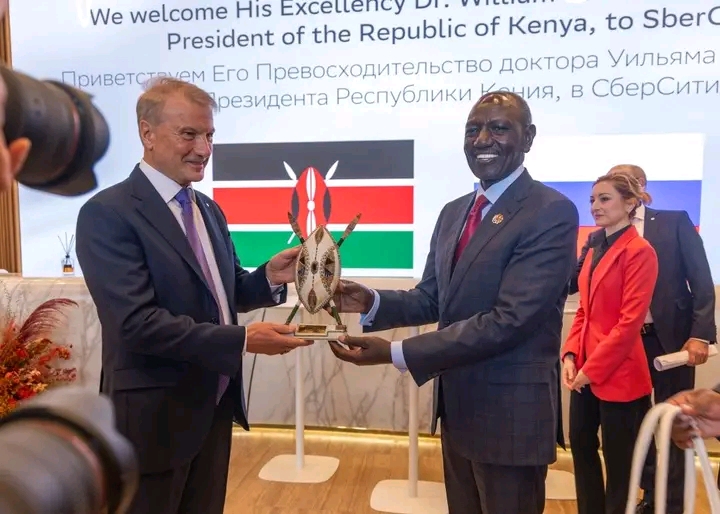
President Ruto Calls for Stronger Kenya–Russia Economic Ties as He Courts Investors in Moscow
The President wants Russian companies to go beyond selling goods to Kenyan consumers and instead establish factories, invest in local industries, process resources and create employment. He has identified manufacturing, agriculture, energy, infrastructure, mining, engineering and technology as areas with significant potential for cooperation. The figures presented during the business roundtable show both the opportunity and the challenge. With bilateral trade estimated at $380 million in 2025, Kenya has room to increase exports and attract more Russian investment, particularly given the existing imbalance between exports and imports.
The President's message focused on transforming the historical relationship between the two countries into practical economic partnerships that create employment, expand trade, transfer technology and increase the value of Kenyan products. He argued that stronger bilateral cooperation should deliver measurable benefits to citizens and businesses rather than remain limited to diplomatic engagements and agreements.
Ruto's visit to Russia comes as Kenya seeks new international markets for its agricultural products, attracts foreign investment and explores partnerships in manufacturing, energy, infrastructure, technology and food security. The government is also looking to strengthen Kenya's position as a regional commercial hub serving East Africa, Central Africa and the wider African continent.Speaking to Kenyan and Russian business representatives in Moscow, President Ruto encouraged Russian companies to establish factories and invest in industries that use local resources to produce finished and semi-finished goods.
The President said African economies had for many years relied heavily on exporting raw materials while importing manufactured products from other countries. According to him, this arrangement limits opportunities for local industries, reduces employment opportunities and prevents African countries from retaining a greater share of the value generated from their natural resources.
He called for a different approach in which Kenya and Russia work together to establish production facilities, develop local expertise and strengthen industrial supply chains.Ruto's proposal is that Russian businesses should not view Kenya merely as a market for selling finished products. Instead, he wants them to consider the country as a destination for investment, manufacturing, mineral processing and the development of businesses that can serve consumers across Africa.
The approach is intended to create opportunities for Kenyan workers, entrepreneurs, farmers, engineers and manufacturers while giving Russian companies access to Kenya's domestic market and the wider African economy.
The President also emphasised that Kenya wants investment partnerships that generate lasting economic benefits. He urged businesses to focus on implementing projects, establishing industries and creating jobs rather than measuring the success of bilateral engagements solely by the number of agreements signed. According to figures cited during the Moscow business roundtable, bilateral trade between the two countries stood at approximately $380 million in 2025. Kenya's exports to Russia were valued at about $52 million, while imports from Russia amounted to approximately $330 million. Russian investment in Kenya was estimated at $22 million.
These figures illustrate the opportunity for Kenya to expand its exports and attract additional investment from Russian companies.
Kenyan products sold to Russia include tea, coffee, cut flowers, fruits and vegetables. These products provide an important starting point for expanding commercial cooperation, particularly if Kenyan exporters can access more buyers and establish reliable distribution channels.However, increasing exports will require businesses to address practical challenges such as transportation costs, logistics, market regulations, payment arrangements and the identification of reliable buyers. Direct commercial relationships between Kenyan producers and Russian importers could help reduce dependence on intermediaries where commercially viable.
On the other hand, Kenya imports Russian products such as wheat, fertilisers, iron and steel. These goods are important to different parts of the Kenyan economy, including food production, construction and manufacturing.
The government therefore faces the task of expanding exports while maintaining access to essential imports at competitive prices.
The President's appeal for stronger economic ties is intended to encourage a more balanced commercial relationship in which both countries benefit from increased trade, investment and industrial cooperation.Value addition involves processing raw materials into products that command greater economic value. For example, instead of exporting agricultural produce in its raw form, a country can invest in processing, packaging and manufacturing to earn more from its products.
Kenya has opportunities to expand the processing of tea, coffee, fruits, vegetables and other agricultural products. Russian investors could potentially support this process through capital, machinery, technical expertise and access to international distribution networks.
The same principle applies to mining and mineral resources. Investment in mineral beneficiation could help Kenya process minerals locally instead of exporting them without substantial processing.
Ruto encouraged Russian businesses to explore opportunities in manufacturing, heavy engineering, transport, mining and mineral processing. These sectors could support the development of local industries while creating demand for skilled workers and technical professionals. Infrastructure development is equally important because manufacturers need efficient transport systems to move raw materials, finished products and equipment. Improved logistics can lower business costs and make locally produced goods more competitive in regional and international markets.
Technology cooperation could also help Kenyan companies improve productivity and access new customers. Digital platforms, online trading, research and innovation may provide opportunities for partnerships between Kenyan enterprises and Russian technology firms.
During his visit, Ruto held discussions with Robert Mirzoyan, the chief executive of Russian online retailer Wildberries, on potential investment opportunities, particularly in online trading. The engagement demonstrated the government's interest in exploring business opportunities beyond traditional agricultural and industrial exports.Ruto cited Kenya's population of approximately 55 million, its gross domestic product of about $136 billion and economic growth of 5.3 per cent in 2025 as factors supporting its investment appeal. He also highlighted the country's established private sector, financial services and expanding infrastructure.
Kenya's strategic location in East Africa provides access to neighbouring countries and established regional trading networks. Businesses operating in Kenya can explore opportunities to distribute goods and services to consumers beyond the country's borders.
The African Continental Free Trade Area also provides a framework for expanding trade across the continent. Ruto pointed to a potential continental market of approximately 1.5 billion people, presenting Kenya as a possible production and distribution centre for investors seeking broader African opportunities.For Russian companies, establishing production facilities in Kenya could offer a route into regional markets. For Kenyan businesses, partnerships with Russian firms could provide access to new technologies, machinery, expertise and commercial relationships.
However, regional market access alone does not guarantee commercial success. Investors must still assess transport costs, regulations, competition, consumer demand and the requirements for selling products in individual countries.
The President's appeal is therefore an invitation to investors to evaluate Kenya as a long-term business destination rather than simply as a market for imported goods.He pointed to the legal framework protecting investments and highlighted government investment-support mechanisms, including Invest Kenya and the Investment One-Stop Centre, which are intended to help investors navigate approvals and project implementation.
For international investors, the ease of establishing and operating a business can influence decisions about where to commit capital. Companies generally need clarity on regulations, licensing, taxation, dispute resolution and the procedures required to establish factories or other facilities.
Effective investment support can help businesses identify suitable opportunities, connect with local partners and understand the requirements for implementing projects.The proposed economic partnership could also have implications for employment, particularly for young Kenyans seeking work in manufacturing, engineering, technology and other specialised sectors.
Factories and processing plants require workers with different skills, including technicians, engineers, machine operators, accountants, logistics specialists and managers. If Russian companies establish production facilities in Kenya, these businesses could create direct jobs and support additional employment through local suppliers.
Investment can also facilitate technology transfer and professional training. Kenyan workers could gain experience using modern machinery, managing industrial processes and developing new products.
During his Moscow engagements, Ruto also expressed interest in expanding labour mobility cooperation with Russia. The wider objective is to explore additional overseas employment opportunities for Kenyans while strengthening economic links between the two countries.Ruto's visit represented an effort to deepen Kenya's engagement with Russia while advancing the country's economic and strategic interests. His delegation included First Lady Rachel Ruto, Prime Cabinet Secretary Musalia Mudavadi, Trade Cabinet Secretary Lee Kinyanjui and Kenya's Ambassador to Russia Peter Mathuki, among other officials.
The discussions also took place against a complicated international backdrop, including Western sanctions on Russia connected to the war in Ukraine. These circumstances make it important for businesses to assess trade regulations, financial arrangements, transport routes and other risks before entering new commercial partnerships.
For Kenya, engaging Russia forms part of a broader effort to diversify its economic relationships and pursue opportunities with different international partners.
The government must balance its ambitions for expanded trade and investment with the need to protect Kenya's economic interests, maintain reliable supply chains and comply with applicable international obligations.

You Might Also Like
-
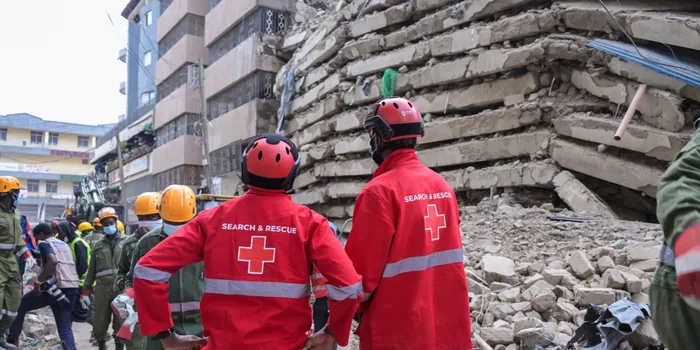
A woman's body has been recovered from the rubble of the collapsed building in Eastleigh, Nairobi, as search and rescue operations enter their eighth day. The recovery marks another tragic development in the ongoing operation, which has left families anxiously waiting for news about their missing lo
-
The Council of Governors' call for regular workforce audits highlights the importance of accountability, transparency and effective human resource management in Kenya's public institutions. With concerns over payroll irregularities, recruitment practices, rising wage bills and staffing gaps, regula
-
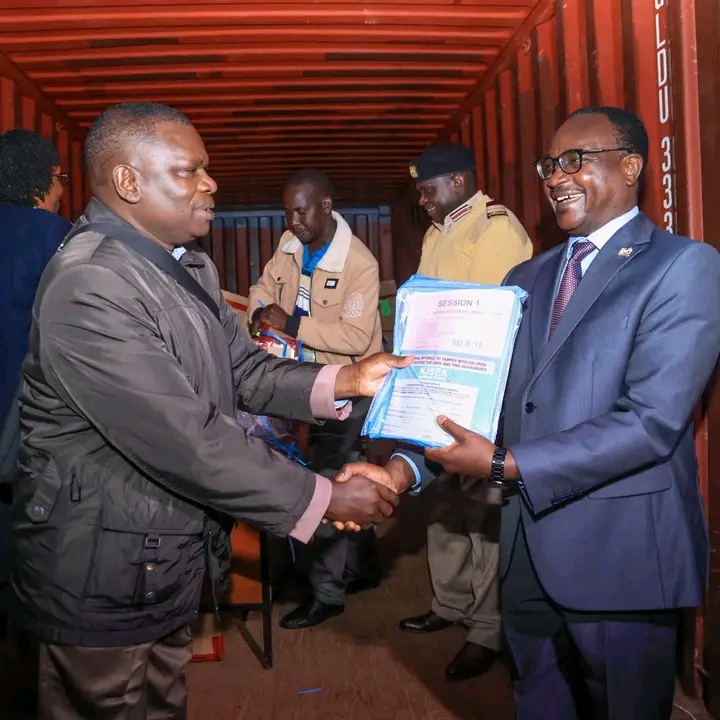
Education Cabinet Secretary Julius Migos Ogamba's visit to Sotik Sub-County on Friday, October 30, 2026, to witness the distribution of learning materials to KJSEA candidates highlights the government's continued attention to education and the successful implementation of the Competency-Based Educat
-
The reported killing of Benard Kiplangat Ngetich near Jambo Kenya has raised concerns among residents and local leaders in the Kipkelion area. According to a report published on October 24, 2026, Ngetich was attacked while walking home with his friend Wilson Rono, who survived with injuries. The rep
-
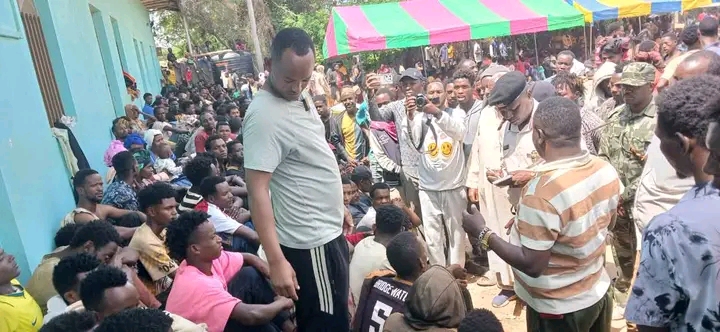
The displacement of approximately 40,000 Ethiopians into Marsabit County has created an urgent humanitarian challenge for Kenya. Families fleeing violence around Moyale need food, safe water, shelter, healthcare and protection, while the communities hosting them require additional resources to preve
-
The High Court has rejected the Teachers Service Commission’s (TSC) request to lift orders stopping the implementation of its circular regulating teachers’ conduct on social media. The decision means the rules remain suspended as the legal case continues. The dispute has attracted attention amon