President Ruto Hosts Over 40 EU Ambassadors at State House as Kenya Pushes for Major Trade, Investment and Diplomatic Partnerships with Europe
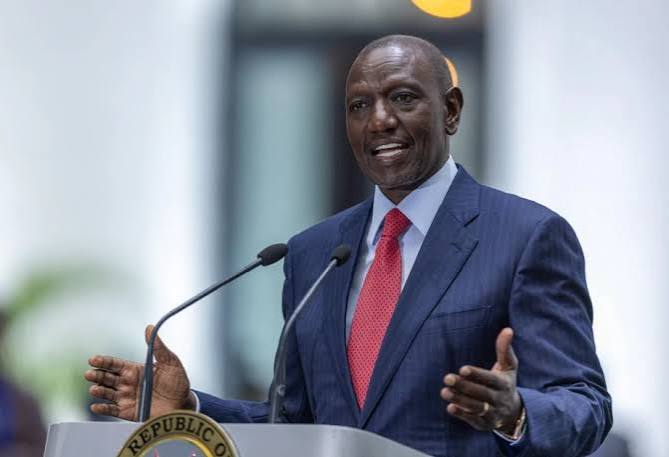
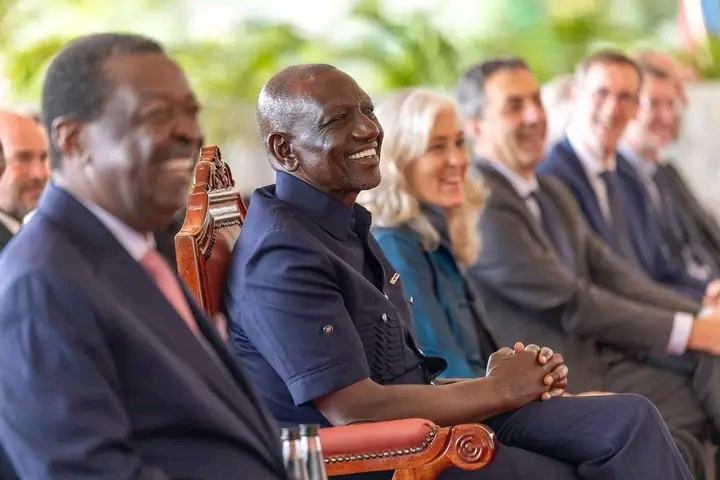
President Ruto hosted heads of European union delegations to African countries at state house.The meeting comes as Kenya and the European Union celebrate 50 years of diplomatic relations and seek to strengthen cooperation in trade, investment, security, climate action, technology and development. Among the important issues highlighted was Kenya's willingness to engage the EU on election observation ahead of the August 2027 General Election. The President also discussed financial reforms aimed at addressing the remaining FATF requirements and improving Kenya's international financial standing. The discussions further reinforced Kenya's desire for increased European investment, improved market access for Kenyan products and stronger cooperation in infrastructure and renewable energy. The broader message from Kenya was that Africa wants equal partnerships that produce tangible economic and social benefits.
President William Ruto has hosted heads of European Union (EU) delegations accredited to African countries at State House, Nairobi, in a high-level diplomatic engagement aimed at strengthening cooperation between Africa and Europe. The meeting comes at an important moment when Kenya is seeking to expand its international partnerships, attract foreign investment, improve trade relations and promote stronger cooperation in areas such as security, technology, climate change and economic development.
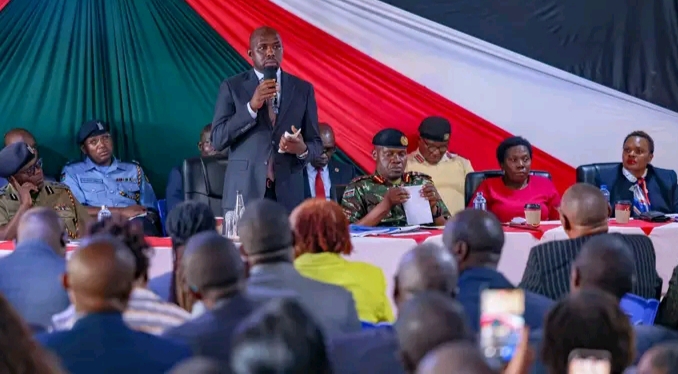
The gathering of European diplomats in Nairobi also reflects Kenya's growing importance as a diplomatic centre for Africa. More than 40 European Union ambassadors serving across the African continent have been brought together in Nairobi for a regional seminar focusing on the future of EU-Africa relations.
The engagement comes as Kenya and the European Union celebrate 50 years of diplomatic relations, established in 1976. Over the years, the partnership has developed from traditional development assistance into a broader relationship covering trade, investment, infrastructure, digital transformation, peace and security, climate action and migration.Nairobi was an important location for the gathering because of its position as a regional diplomatic and economic centre. Kenya hosts major international organisations and has continued to play an important role in discussions involving regional peace, international trade, development and security.
The European Union's expanded diplomatic presence in Nairobi also demonstrates the importance it attaches to Kenya as a strategic partner in East Africa and across the African continent.
The discussions are expected to contribute to a stronger understanding of African priorities and the need for international partnerships that support sustainable development.
European representatives have an opportunity to engage with Kenya's leadership and understand the challenges facing African countries, particularly in financing development, creating employment opportunities, strengthening security and expanding access to international markets.The President emphasised the need for cooperation that delivers meaningful economic and social benefits to Kenyans. He called for stronger partnerships in trade, investment, security and development, noting that Kenya and Europe have maintained a long-standing relationship that should continue growing.
Ruto's administration has been pursuing international partnerships aimed at opening more markets for Kenyan products, attracting investors and creating employment opportunities for young people.
The President also recognised the importance of European investment in key sectors of the Kenyan economy, including manufacturing, agriculture, energy and healthcare.
He explained that foreign investment should contribute to the development of local industries, create jobs, introduce modern technology and strengthen the country's economic capacity.Ruto said Kenya welcomes consultations on an EU election observer mission, provided that the process is conducted in accordance with the country's laws and established procedures.
The proposal is significant because international election observers play an important role in assessing electoral processes, including voter registration, campaigns, polling, vote counting and the announcement of results.
An observation mission can also provide recommendations aimed at improving electoral transparency, accountability and public confidence.
Kenya's 2027 elections are expected to attract considerable national and international attention. The government has therefore indicated its willingness to engage international partners on issues concerning democratic governance and credible elections.Being placed on an international monitoring list can affect a country's financial reputation and increase scrutiny of transactions involving its financial institutions and businesses.
President Ruto said Kenya was seeking continued technical cooperation with the European Union to complete the remaining reforms.
The government wants to strengthen its financial systems and work towards removal from the FATF Grey List and the European Union's High-Risk List.
This is important because improved financial compliance can strengthen investor confidence, facilitate international business transactions and protect Kenya's financial sector.
Kenya's efforts in this area also demonstrate the importance of international cooperation in addressing financial crimes that frequently operate across national borders.The government is particularly interested in moving beyond the export of raw agricultural products towards value addition.
For example, instead of exporting agricultural commodities in their raw form, Kenya wants to develop processing industries that can produce finished and semi-finished goods for international markets.
This approach could create more employment opportunities, increase earnings for farmers and strengthen Kenya's industrial sector.
The President's engagement with the European ambassadors therefore provided an opportunity to encourage European countries to support Kenya's export ambitions and expand commercial relations.The agricultural sector also presents significant investment opportunities.
European investors can support agricultural production, modern farming technologies, food processing, storage facilities and supply chains.
Such investments would help farmers improve productivity while reducing losses that occur when agricultural produce cannot reach markets in good condition.
Energy was another important area of interest.
Kenya has made progress in renewable energy, with approximately 80 per cent of its electricity generation coming from renewable sources, according to the Foreign Affairs Principal Secretary.
The country is interested in expanding cooperation in clean energy, improving electricity infrastructure and attracting investments that support sustainable development.Foreign Affairs Principal Secretary Dr Korir Sing'oei emphasised that African countries require accessible financing arrangements that can support development without increasing their debt vulnerabilities.
He encouraged European partners to consider concessional financing and blended financing arrangements.
Blended financing combines public and private resources to support projects that may require substantial investment.
For African countries, this approach could help mobilise additional resources for infrastructure development while encouraging private companies to participate in major projects.
Kenya wants international financing to support productive economic activities rather than create unnecessary financial pressure on future generations.
The discussions also highlighted the importance of ensuring that development projects respond to the actual needs of African communities.President Ruto's engagement with the European representatives provided an opportunity to strengthen discussions on international cooperation in addressing these challenges.
Kenya supports African-led solutions to conflicts and believes that African institutions and governments should play a central role in resolving disputes affecting the continent.
However, international support remains important in providing financial resources, technical assistance and diplomatic backing for peace operations.
The European Union has supported various peace and security initiatives across Africa, including efforts to strengthen regional stability.
Cooperation in this area is also important for Kenya because instability in neighbouring countries can affect regional trade, security and humanitarian activities.
The two sides therefore have shared interests in strengthening peacebuilding, conflict prevention, mediation and security cooperation.The government has therefore been encouraging international partners to support climate adaptation programmes and investments in renewable energy.
Dr Sing'oei highlighted Kenya's progress in renewable energy generation and called for stronger European support for climate adaptation financing.
He also emphasised the importance of a just green transition that creates employment opportunities and supports the development of new industries in Africa.
This means that climate policies should not only focus on reducing emissions but should also provide economic opportunities for communities.
European investment could help Kenya expand renewable energy infrastructure, improve energy access and support industries that use cleaner technologies.
Climate cooperation could also benefit farmers through improved irrigation systems, climate-smart agriculture and technologies that help communities adapt to changing weather patterns.Initially, much of the cooperation focused on development assistance and traditional diplomatic relations.
However, the partnership has developed into a broader strategic relationship covering trade, investment, digital transformation, climate action, migration, governance, peace and security.
Several milestones have strengthened the relationship in recent years.
These include the implementation of the Economic Partnership Agreement, the first Kenya-EU Digital Dialogue held in March 2026 and the designation of the EU Delegation in Nairobi as the European Union's fourth regional hub in Africa.
These developments demonstrate the growing importance of Kenya in Europe's diplomatic engagement with the continent.
Why the meeting is important to ordinary Kenyans
Although the meeting involved high-level diplomats and government officials, its outcomes could have significant implications for ordinary Kenyans.
First, stronger trade relations could provide better opportunities for Kenyan farmers and exporters to access European markets.Second, increased foreign investment could support the establishment of industries, create jobs and improve the country's economic growth.
Third, cooperation in education, technology and professional training could equip young people with skills needed in the modern labour market.
Fourth, investment in healthcare and renewable energy could improve public services and strengthen the country's development capacity.
Fifth, cooperation in security and governance could help strengthen institutions and promote stability.
The proposed engagement on election observation is also important because credible elections are essential for democratic accountability and public confidence.At the same time, European countries are interested in strengthening their relationships with African governments and improving cooperation on issues affecting both continents.
The challenge will be turning diplomatic discussions into measurable achievements.
Both sides will need to maintain regular consultations, strengthen existing agreements and identify projects that can deliver direct benefits to citizens.
The commitments made during the engagements should also be followed by clear implementation plans and accountability mechanisms.
For Kenya, the priority should remain attracting investments that create employment, improve productivity and strengthen local industries.
For Europe, the opportunity is to demonstrate that its relationship with Africa is based on genuine partnership and respect for African development priorities.

You Might Also Like
-
The reported discovery of lawyer Abshir Ahmedsadak Abdi alive in Isiolo County is an encouraging development following nearly two weeks of uncertainty and growing concern about his disappearance. His case had attracted national attention, with his family, fellow lawyers, human rights activists and
-
Thousands of Kenyan teachers are set to benefit from a historic promotion exercise after President William Ruto directed the Teachers Service Commission (TSC) to increase the number of available promotion opportunities from 34,016 to 50,000. The initiative is expected to provide career advancement o
-
Governor Patrick Ole Ntutu's leadership in the commencement of the fourth edition of the Maa Cultural and Tourism Festival places Narok County at the centre of an important celebration of cultural identity, heritage and tourism. The event brings together the Maa community from Narok, Kajiado and Sa
-
Interior Cabinet Secretary Kipchumba Murkomen's order for an immediate crackdown on armed gangs terrorising residents of Ruiru marks a significant government intervention in addressing insecurity in Kiambu County. His November 11, 2026, security tour focused on Two Rivers Crescent and Imani Estates
-
Police officers have arrested a suspect following an intelligence-led operation in Kanduyi, Bungoma County, where 5.3 kilogrammes of suspected narcotic drugs were recovered from a residential property. According to the National Police Service, officers conducted a search at the premises and discover
-
The World Health Organization (WHO) has launched a new global initiative aimed at strengthening public trust in science and promoting the use of scientific knowledge to improve healthcare and development worldwide. Dubbed Together for Science and Health, the movement brings together more than 240 or