President Ruto Pledges to Complete Kipchoge Keino Stadium with Full Canopy
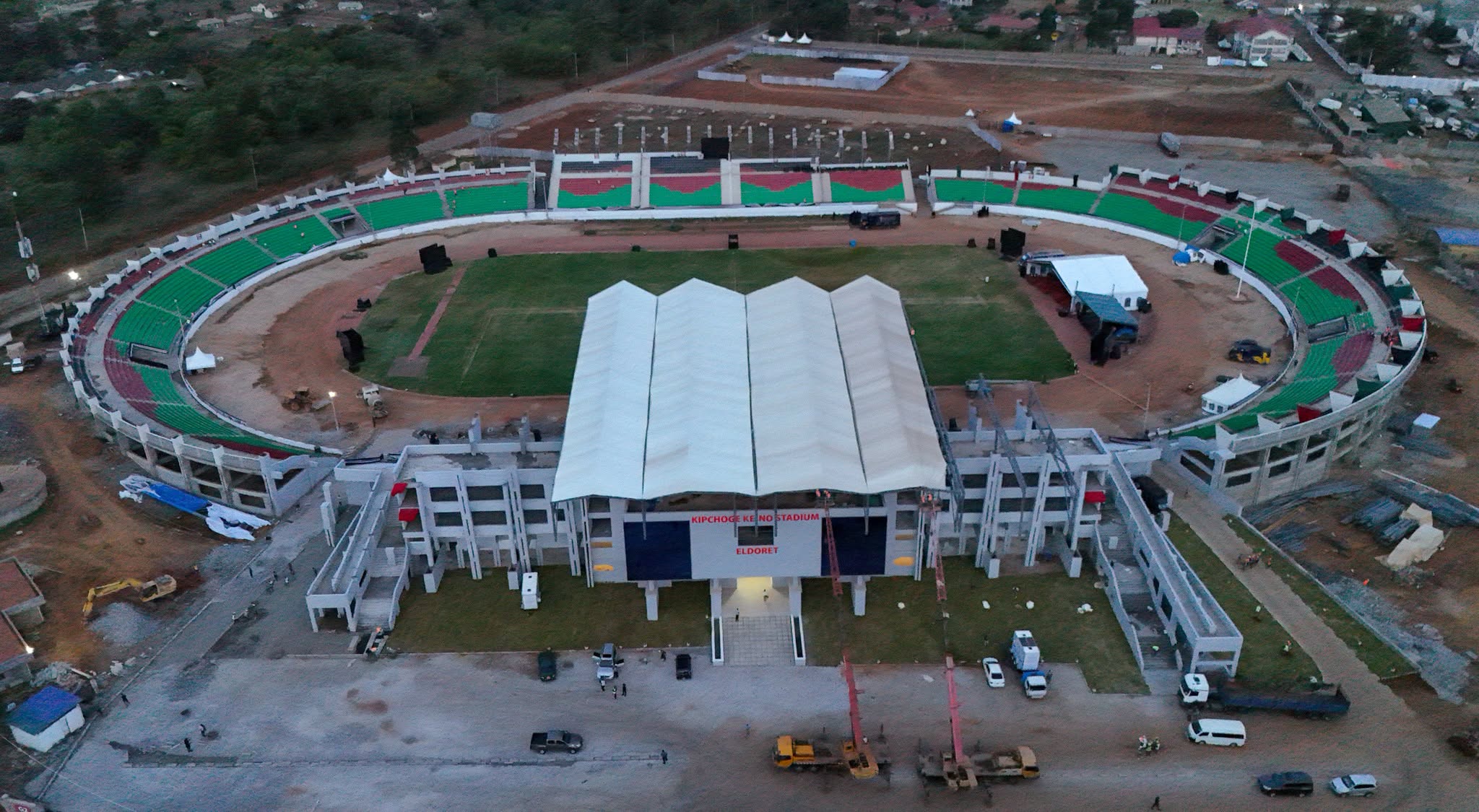
President William Ruto has pledged to complete Kipchoge Keino Stadium in Eldoret with a full canopy in the coming months. The announcement was made during Mashujaa Day celebrations in Uasin Gishu County, highlighting the government’s commitment to improving Kenya’s sporting infrastructure. The planned upgrade is expected to enhance spectator comfort and support the growth of sports in Eldoret, a city renowned for producing world-class athletes. Attention now turns to the implementation of the pledge and the timely completion of the promised works. Make the headline more engagingShorten this for a news caption
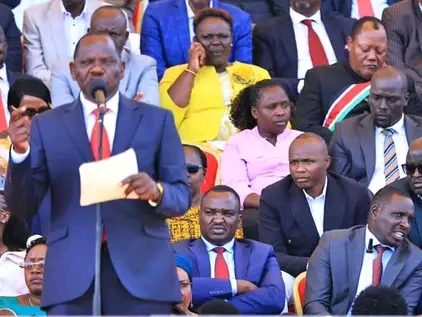
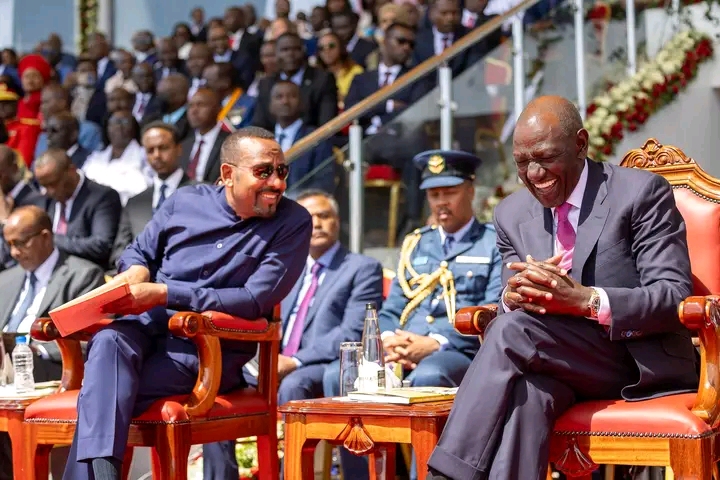
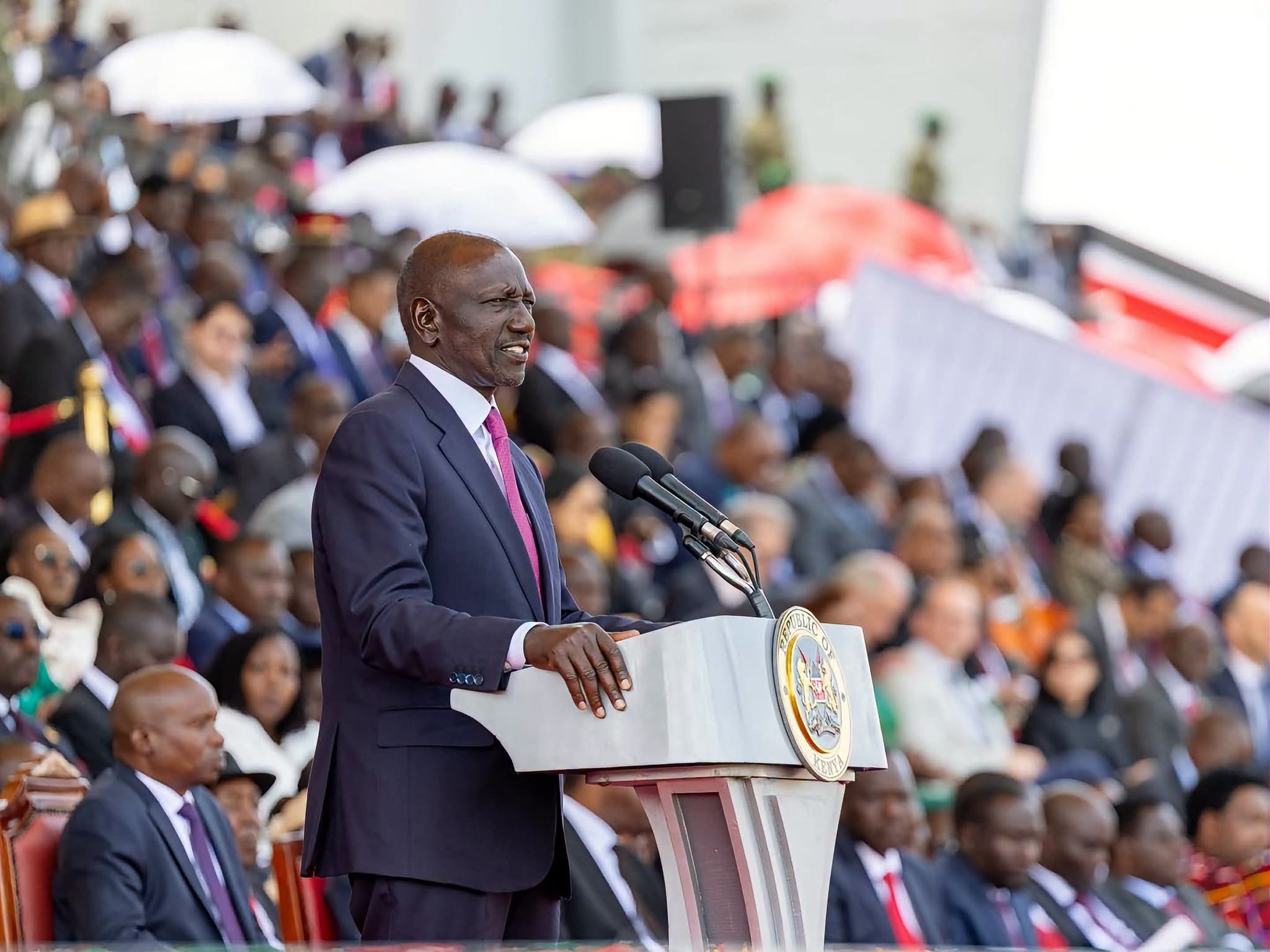
President William Ruto has pledged to strengthen Kenya’s sporting infrastructure, promising to complete Kipchoge Keino Stadium in Eldoret with a full canopy in the coming months. The announcement was made during the Mashujaa Day celebrations in Eldoret, Uasin Gishu County, where attention was drawn to the importance of investing in sports facilities and supporting the country’s growing sporting talent.
The commitment highlights the government’s focus on improving stadium infrastructure and creating better facilities for athletes, sports officials, and fans. Kipchoge Keino Stadium is an important sporting venue in Eldoret, a city widely associated with Kenya’s athletics tradition and the development of world-class distance runners.
The planned completion of the stadium canopy is expected to improve the facility for spectators and contribute to the wider effort to enhance sporting infrastructure in the country. The promise also places renewed attention on the role of modern stadiums in supporting local competitions, national events, and international sporting activities.
Mashujaa Day provided a national platform for reflecting on Kenya’s achievements, celebrating people who have contributed to the country’s development, and recognising the importance of investing in future generations. The President’s pledge regarding Kipchoge Keino Stadium formed part of the broader discussion about infrastructure development and the place of sports in national progress.
Eldoret has earned a strong reputation as one of Kenya’s major athletics centres, producing numerous runners who have represented the country in international competitions. The city’s connection to athletics has made sporting infrastructure an important issue for athletes, coaches, sports administrators, and residents.
Kipchoge Keino Stadium serves as one of the facilities associated with this sporting identity. Its development is significant because accessible and properly equipped stadiums can provide opportunities for athletes to train, compete, and showcase their abilities.
The commitment to complete the stadium’s canopy comes at a time when the need for improved sports facilities continues to feature in discussions about the future of athletics and other sporting disciplines in Kenya.
For athletes, a modern stadium can provide an organised environment for competitions and training activities. For spectators, improved facilities can make it easier to attend events and follow their favourite teams and athletes in a more comfortable setting.
The proposed canopy is particularly relevant to spectators who attend sporting events that may last several hours. Depending on the final design, a canopy can provide protection from direct sunlight and rain, making the viewing experience more comfortable.
However, the benefits will ultimately depend on the quality of construction, the areas covered, and the completion of other necessary facilities within the stadium.
President Ruto’s pledge reflects the broader importance of investing in sports infrastructure as part of national development. Across Kenya, sporting facilities serve as venues for competitions, youth programmes, talent identification, and community activities.
Modern sports facilities can also create opportunities for young people to pursue athletics, football, volleyball, basketball, and other disciplines. When properly managed, such facilities can support the development of local talent while providing a foundation for competitive sports.
For a country with a strong international athletics record, investment in training and competition venues remains an important consideration. Kenyan athletes have established themselves in middle- and long-distance running, while other sports continue to attract interest from young people across different counties.
Improving stadiums can help provide athletes with better environments in which to prepare for competitions. It can also allow sports organisations to organise events that attract participants and spectators from different parts of the country.
The completion of Kipchoge Keino Stadium’s canopy would therefore represent one aspect of the wider infrastructure needed to support sporting activities.
Beyond construction, however, the long-term success of such investments depends on maintenance, proper management, adequate equipment, and the availability of facilities for the people who need them.
One of the key aspects of the President’s pledge is the proposed installation of a full canopy at Kipchoge Keino Stadium.
Spectator comfort is an important consideration in stadium planning, particularly during events that attract large audiences. Exposure to intense sunlight or heavy rainfall can affect the experience of fans attending competitions, ceremonies, and other public gatherings.
A properly designed canopy can help address some of these challenges by providing shelter over the designated spectator areas. It can also contribute to the overall appearance and functionality of the stadium.
For families attending sporting events, improved seating and shelter can make spending time at the venue more convenient. Sports officials and event organisers may also benefit from facilities that are better suited to hosting competitions and public activities.
The design and scope of the canopy will be important in determining how much of the stadium receives protection. Effective planning should take into account visibility, ventilation, drainage, safety, and the durability of construction materials.
The proposed work will also need to be coordinated with other aspects of stadium development to ensure that the completed facility serves athletes and spectators effectively.
As the government works towards fulfilling its pledge, the public will be keen to see the progress of construction and the eventual delivery of the promised improvements.
Kenya’s sporting future depends partly on the opportunities available to young people who wish to develop their talents.
Many aspiring athletes begin their journeys in schools, local clubs, community competitions, and training groups. Access to appropriate sporting facilities can help them gain experience, improve their performance, and participate in organised competitions.
In a city closely associated with athletics, improved facilities can contribute to efforts to nurture emerging talent. A well-maintained stadium can provide a venue for competitions that allow athletes to test their abilities and gain valuable experience.
Sports facilities can also help schools and community organisations organise events that encourage participation among young people.
Beyond athletics, accessible stadiums can support other sporting activities, depending on their design and available equipment. This can help expand opportunities for young people whose interests extend beyond running.
Investment in sports infrastructure is most effective when accompanied by programmes that support coaching, talent identification, athlete welfare, and access to competitions.
The proposed completion of Kipchoge Keino Stadium therefore raises wider questions about how sports facilities can be used to develop talent and increase participation in physical activity.
Stadium development can also have economic implications for surrounding communities.
Sporting events may attract athletes, officials, spectators, vendors, and service providers from different locations. Their presence can create demand for transport, accommodation, food, retail services, and other businesses.
For traders operating near sporting venues, competitions and public events can provide opportunities to reach more customers. Hotels, restaurants, transport operators, and small businesses may also benefit when events bring visitors into a town.
Eldoret’s established sporting identity gives it an opportunity to attract competitions and related activities, provided that suitable facilities, event organisation, and supporting services are available.
Improved infrastructure can contribute to this potential, although the economic benefits depend on how frequently the venue is used and how effectively events are organised.
Stadium management, security, accessibility, sanitation, and maintenance are among the factors that influence whether a facility can consistently support sporting and community activities.
The proposed canopy should therefore be viewed within the wider needs of a functional stadium, rather than as an isolated construction feature.
Mashujaa Day is celebrated annually on October 20 in Kenya to honour individuals who have contributed to the country’s freedom, development, and progress.
The national holiday provides an opportunity to recognise the contributions of historical heroes, public servants, professionals, athletes, and ordinary citizens whose work has helped shape the country.
Hosting the celebrations in Eldoret brought national attention to the city and its place in Kenya’s sporting and cultural identity.
The occasion also provided a platform for national leaders to address development priorities and outline commitments affecting different sectors.
Sports remain an important part of Kenya’s international profile. Athletes have represented the country at major competitions, bringing recognition to their communities and inspiring young people to pursue sporting careers.
Investment in facilities can help sustain this tradition by providing venues where talent can be developed and competitions can be held.
The President’s pledge regarding Kipchoge Keino Stadium consequently places sports infrastructure among the issues receiving attention during the national celebrations.
While announcements about infrastructure development can generate public interest, the ultimate measure of success is the delivery of projects that meet their intended objectives.
For Kipchoge Keino Stadium, completing the canopy within the promised timeframe will be an important step towards fulfilling the President’s commitment.
Timely delivery requires effective planning, coordination among the responsible agencies, proper use of public resources, and regular monitoring of construction work.
Quality assurance is equally important. A stadium canopy must be designed and built to meet appropriate engineering and safety requirements, taking into account weather conditions and the demands of the structure.
Construction should also be accompanied by clear arrangements for maintenance to ensure that the facility remains safe and useful over the long term.
Members of the public will be interested in seeing tangible progress, including the completion of the promised work and the stadium’s readiness to serve its intended users.
Once completed, the improved facility will need consistent management to preserve its condition and ensure that athletes and spectators can benefit from the investment.
President William Ruto’s pledge to complete Kipchoge Keino Stadium with a full canopy has renewed attention on the development of sports infrastructure in Eldoret.
The commitment comes against the backdrop of Kenya’s longstanding reputation in athletics and the importance of providing suitable facilities for both established competitors and emerging talent.
For residents, athletes, sports organisations, and fans, the key issue will be how the promise translates into completed work and practical improvements at the stadium.
A well-developed sporting venue can support competitions, encourage participation among young people, and provide a setting for community events. With effective management and continued investment, such facilities can contribute to the growth of sports at local and national levels.
The proposed canopy is one component of that wider ambition. Its value will depend on the quality of construction, the extent of spectator protection, and the stadium’s ability to serve the needs of the sporting community.
As Kenya continues to invest in sports, attention will remain on the delivery of infrastructure commitments and the opportunities they create for athletes and the public.
The coming months will be important in determining the progress of the promised works at Kipchoge Keino Stadium. Residents and sports enthusiasts will be watching for the completion of the canopy and the improvements it is expected to bring to the venue.
President Ruto’s announcement during Mashujaa Day celebrations in Eldoret has placed the stadium back in the spotlight, with the focus now turning to implementation and the delivery of the promised development.

You Might Also Like
-
WADA's call for stronger support for Kenya's Anti-Doping Agency comes at a critical moment for the country's sporting sector. Kenya has made important progress in addressing previous compliance concerns, but the global anti-doping body wants those gains to be sustained through stronger institutions,