



President Ruto Storms Kilifi with Billions in New Projects, Roads, Jobs and Education Boost
President William Ruto’s October 2, 2026 visit to Kilifi was largely centred on development and economic opportunities. The President launched and announced road projects, expanded electricity connectivity plans, invested in technical education, commissioned a modern market and outlined Government spending on affordable housing and other programmes. He also linked Kilifi’s development to major Coast-wide investments and the need to equip young people with skills for emerging employment opportunities. The visit formed part of a broader Coast tour in which the Government has placed infrastructure, education, land ownership, housing and economic development at the centre of its agenda. For Kilifi residents, the key issue now will be the implementation of the announced projects and the extent to which they translate into improved services, better connectivity, expanded training opportunities and jobs.
President William Ruto was in Kilifi County on Friday, October 2, 2026, as part of his wider development tour of the Coast region. His visit focused on infrastructure, electricity connectivity, education and skills development, affordable housing, markets and economic opportunities for residents. The President also used the occasion to outline the Government’s plans to prepare young people in the Coast region for employment opportunities expected to arise from major investments.
Ruto’s visit to Kilifi came during an eight-day tour of the six Coast counties, where his administration has been highlighting development programmes and projects. The tour has covered Taita-Taveta, Kwale, Kilifi, Mombasa, Tana River and Lamu, with land ownership, infrastructure, education, housing and economic development among the major issues on the agenda.
Road projects launched in Kilifi
One of the major highlights of President Ruto’s visit was the launch of road construction projects intended to improve transport and connectivity within Kilifi County.
The President launched construction of the Gede-Kakuyuni road, a 13-kilometre road being upgraded at a reported cost of Sh1 billion. The project is expected to improve movement between communities, markets and economic centres in Kilifi North and surrounding areas. Better roads can also make it easier for farmers, traders and other businesses to transport goods and access markets.
Ruto also launched the construction of the 25-kilometre Kakajuni-Matano Manne road in Ganze Constituency. The road is expected to be tarmacked at a cost of approximately Sh1.5 billion. Another project launched during the visit was the Mzambarauni-Chasimba road in Chonyi, Kilifi South Constituency.
According to the President, the Government has substantially increased the annual road budget for Kilifi. He said the county's annual allocation had risen from an average of about Sh2 billion in 2022 to Sh18 billion currently, a ninefold increase intended to accelerate road construction and improvement across the county.
Electricity connections
Electricity connectivity was another major issue during Ruto’s Kilifi engagements.
The President said the Government was investing approximately Sh2 billion to connect 24,000 homes to electricity in Kilifi during the current financial year. Ganze Constituency is expected to receive about Sh350 million under the programme.
At Kwa Ndara in Chonyi, the President launched the Last Mile Connectivity Project, which is aimed at extending electricity infrastructure to households that remain outside the national electricity grid.
The expansion of electricity connections is particularly important for rural communities because reliable power can support businesses, schools, health facilities and household activities. It can also allow young people and entrepreneurs to operate enterprises that require electricity, including shops, workshops, salons, refrigeration businesses and digital services.
Investment in technical education
Education and skills development formed another important part of President Ruto’s programme in Kilifi.
At Godoma Technical Training Institute in Ganze Constituency, Ruto laid the foundation stone for student hostels estimated at Sh150 million. He further pledged an additional Sh200 million to expand the institution's facilities.
The expansion is expected to increase the institution’s capacity significantly. The President said the investment would enable the institution to accommodate approximately twice its current student population of around 340 students.
The President linked investment in technical and vocational education to the growing number of large-scale projects being developed along the Coast. His argument was that the region will require skilled workers as infrastructure, manufacturing, energy, logistics and other sectors expand.
Ruto also commissioned Watamu Technical and Vocational College in Kilifi North. The Government is expected to equip the institution with facilities worth about Sh45 million to strengthen its training capacity.
Affordable housing and modern markets
Affordable housing was also part of the President’s Kilifi agenda.
Ruto said the national Government was investing approximately Sh25 billion in Kilifi County in programmes covering affordable housing, modern markets and student hostels. He presented the projects as part of efforts to improve livelihoods while expanding economic opportunities.
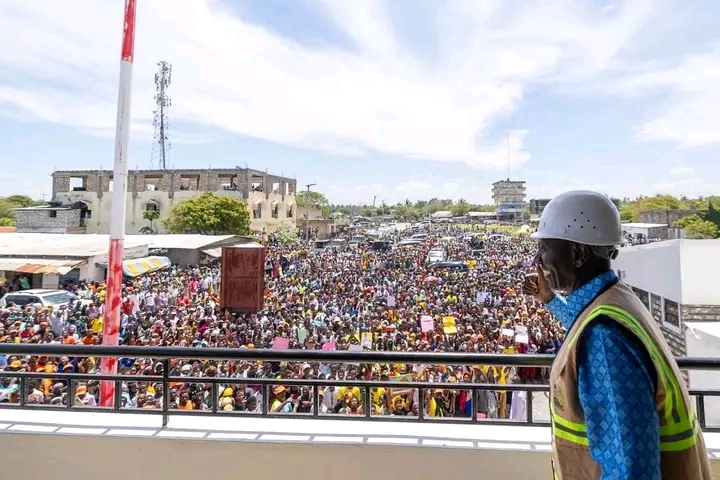
During the visit, the President commissioned a modern market in Watamu. The market is among 12 markets being constructed in Kilifi County under the Affordable Housing Programme.
Modern markets are intended to provide traders with more organised spaces in which to conduct business. For small-scale traders, especially women and informal-sector workers, improved trading facilities can provide better working environments and access to customers.
Focus on jobs for Coast youth
President Ruto also spoke about employment opportunities expected from major investments across the Coast.
He pointed to projects including the Dangote East African Refinery in Lamu, the Dongo Kundu Special Economic Zone and industrial investments in areas such as Vipingo in Kilifi.
The President said these investments would require a large pool of skilled workers and urged leaders to prepare young people through education and technical training. One report on his Coast engagements said the President linked the projects to tens of thousands of potential employment opportunities for young people.
This explains the emphasis placed on technical and vocational institutions during his Kilifi visit. Government investment in colleges such as Godoma TTI and Watamu TVC is being presented as a way of developing a workforce capable of taking advantage of emerging opportunities.
Education financing
Ruto also addressed higher education financing during his Kilifi engagements.
He said the proposed Tertiary Education, Placement and Funding Bill, 2026 would provide full financial support to students admitted to universities, technical colleges and Kenya Medical Training College, subject to the framework contained in the proposed legislation.
The President said access to higher education should depend on academic ability rather than the financial circumstances of a student's parents.
The issue of education financing has remained significant nationally because university and college students depend on government support and other funding mechanisms to meet tuition and living expenses.
Land ownership remains a major Coast issue
Although the President’s Kilifi programme on October 2 focused heavily on development projects, his wider Coast tour has also placed significant emphasis on land ownership.
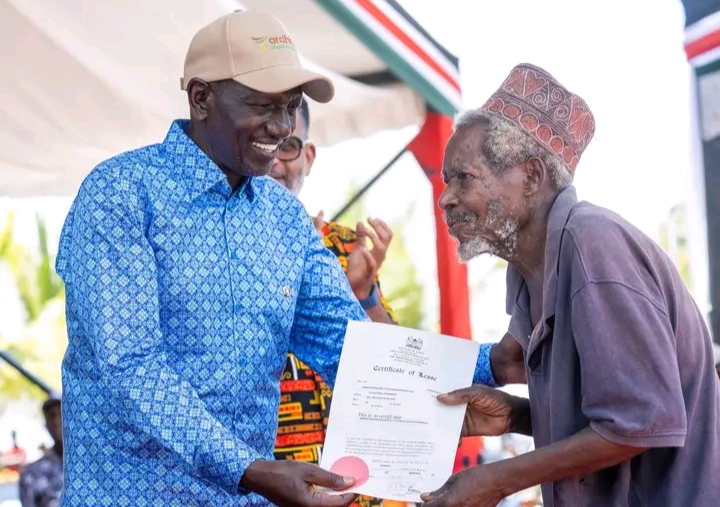
Just days before the October 2 visit, Ruto had presided over the distribution of 36,000 title deeds in Kilifi County, benefiting residents in constituencies including Kaloleni, Rabai, Ganze, Kilifi South and Malindi. The State Department for Lands said the exercise was part of a wider programme targeting hundreds of thousands of title deeds across the Coast.
On October 2, Ruto continued the land agenda in Mombasa, where thousands of additional title deeds were issued. The Government said the wider exercise was aimed at addressing longstanding land ownership challenges in the Coast region.
Political messages during the visit
Ruto’s Kilifi visit also included political remarks. In Watamu, he warned residents and traders about politicians whom he accused of seeking financial contributions while preparing for the 2027 elections. Those remarks were part of the President’s broader political messaging during his Coast tour.
The political context is significant because the Coast region has historically been an important area in Kenya’s national elections. However, the projects and statements made during the tour covered both development issues and political matters.
What the Kilifi visit means for residents
For Kilifi residents, the projects announced or launched during the visit touch several areas of daily life.
The road projects are expected to improve transport and connectivity. Electricity expansion is intended to connect thousands of additional households. The technical education investments are designed to increase training capacity, while modern markets are intended to provide better facilities for traders.
The Government has also linked these programmes to larger investments taking place across the Coast. According to Ruto, projects such as the planned Dangote refinery and other industrial developments will create demand for skilled workers.
The challenge will be translating the announced investments into completed projects and ensuring that residents can access the opportunities created by them. For young people, this means technical training and skills development could become increasingly important as new industrial and infrastructure projects take shape.

You Might Also Like
-
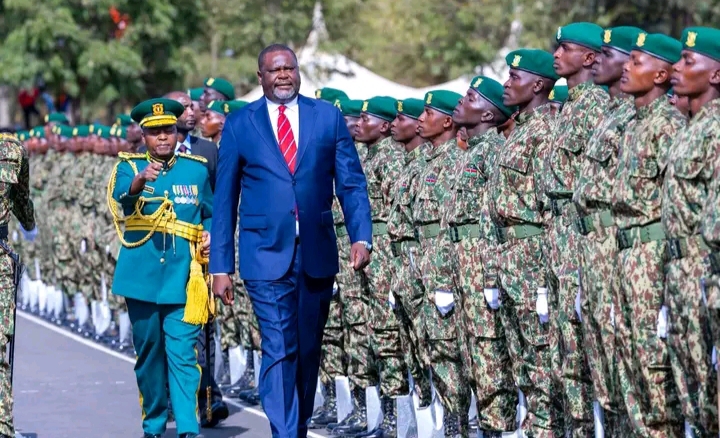
Public Service Cabinet Secretary Geoffrey Ruku represented President William Ruto at the NYS passing-out parade at the Paramilitary Academy in Gilgil on October 2, 2026, where 15,363 recruits from the 01/2026 cohort graduated after six months of intensive training. The class included 11,527 men, 3,8
-
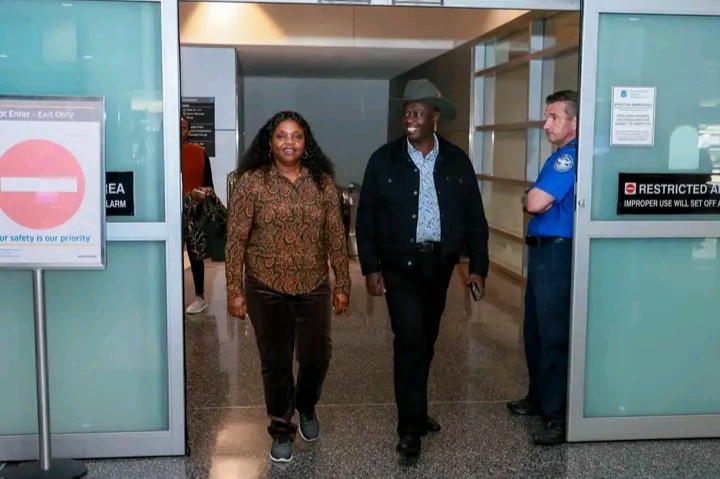
Rigathi Gachagua has arrived in Boston, Massachusetts, as he enters the final phase of his extensive United States tour, where he is engaging Kenyans in the diaspora on matters of national development, investment, leadership and Kenya’s political future. Accompanied by his wife, Pastor Dorcas Riga
-
Deputy President Kithure Kindiki's announcement in Kiambu on October 2, 2026, signals a renewed phase in the government's campaign against illicit and harmful alcoholic drinks. The fresh inspections will target alcohol manufacturing premises to determine whether they comply with health, safety, qual
-
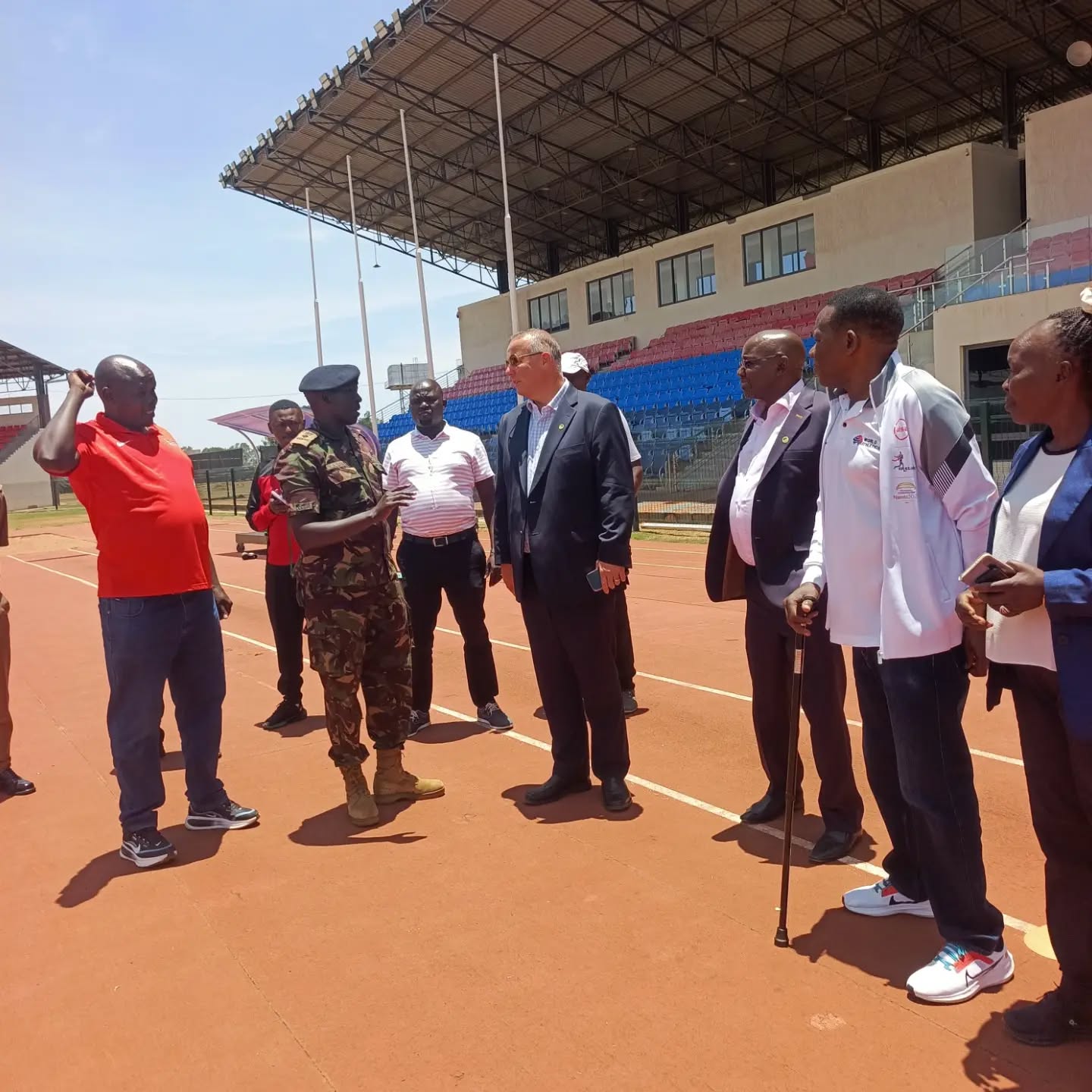
Kenya has begun preparations to host the 2029 World Athletics Championships, with World Athletics official Pierce O’Callaghan inspecting Kasarani, Nyayo and Ulinzi Sports Complex to guide infrastructure upgrades ahead of the global event.
-
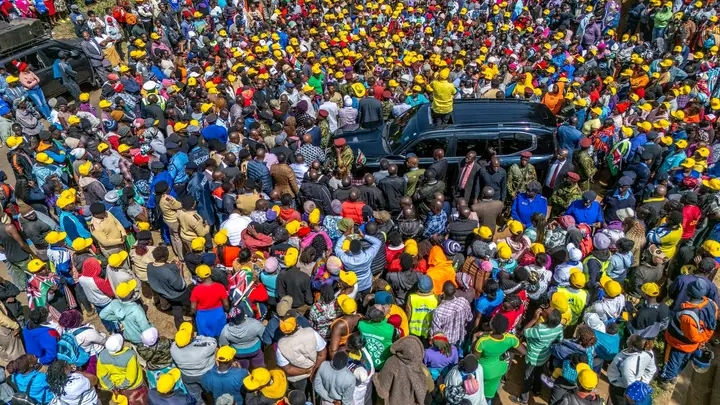
President William Ruto on October 2, 2026, presided over the issuance of about 5,000 title deeds to residents of Mombasa County at the Mama Ngina Drive Grounds, as part of a wider government programme aimed at resolving longstanding land ownership and squatter problems at the Coast. The Mombasa issu
-
Nairobi Governor Johnson Sakaja has given contractors 14 days to complete flood-control projects, as the county steps up efforts to improve drainage and tackle flooding across the city.