President Ruto to Deliver Fourth State of the Nation Address at 2:30 PM
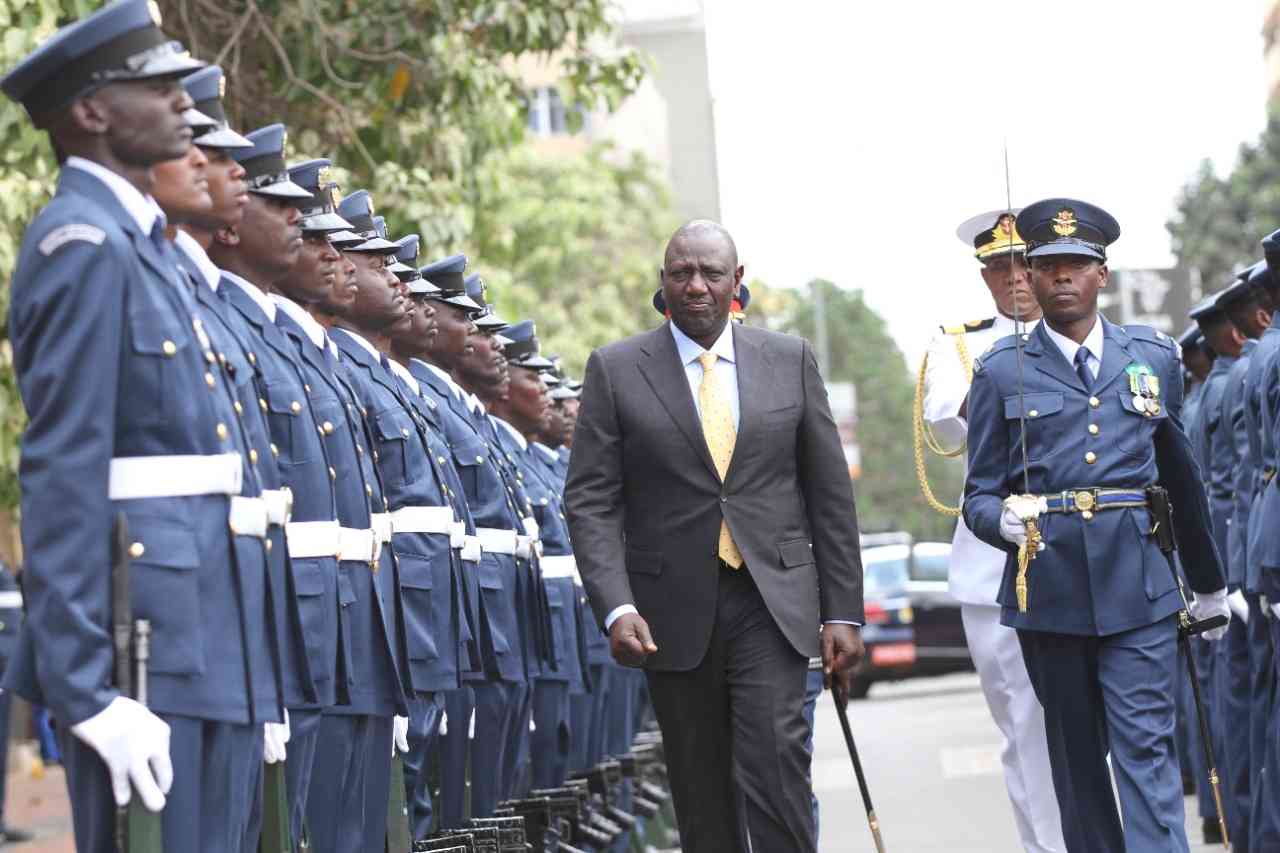
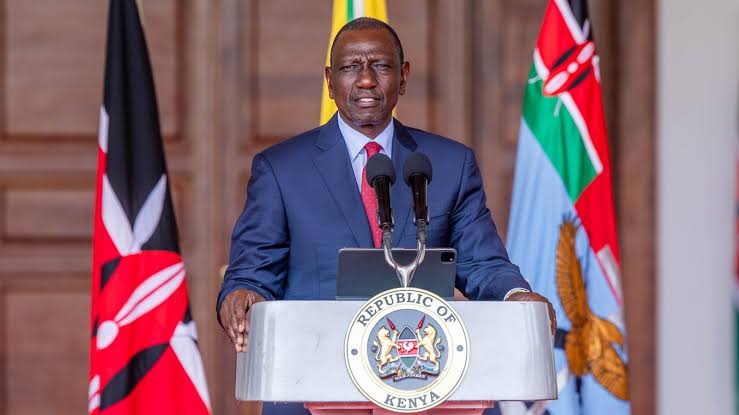
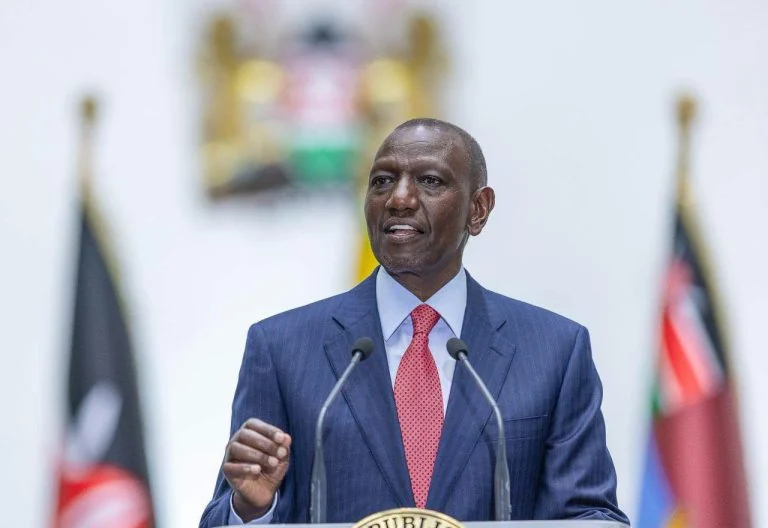
President William Ruto is today expected to deliver his fourth State of the Nation Address before a joint sitting of the National Assembly and the Senate at 2:30 PM. The highly anticipated address will provide the Head of State with an opportunity to outline his administration’s achievements, assess the progress made in implementing government policies and communicate his priorities for the country’s future. Key issues expected to attract attention include the rising cost of living, taxation, employment creation, economic growth, public debt, agriculture, affordable housing, healthcare, education and infrastructure development. Kenyans will also be keen to hear the government’s plans for addressing the economic challenges affecting households, businesses and young people seeking employment opportunities. The address comes at a time when questions surrounding the management of public resources, accountability, service delivery and the effectiveness of government programmes remain central to national discussions. The President is expected to provide an overview of the administration’s performance and explain the measures being pursued to improve the country’s economic and social development. The joint parliamentary sitting will bring together elected representatives from both Houses, providing a constitutional platform for the President to report on the state of the nation. Attention will subsequently focus on the commitments made during the speech and how they will translate into practical action across different sectors.
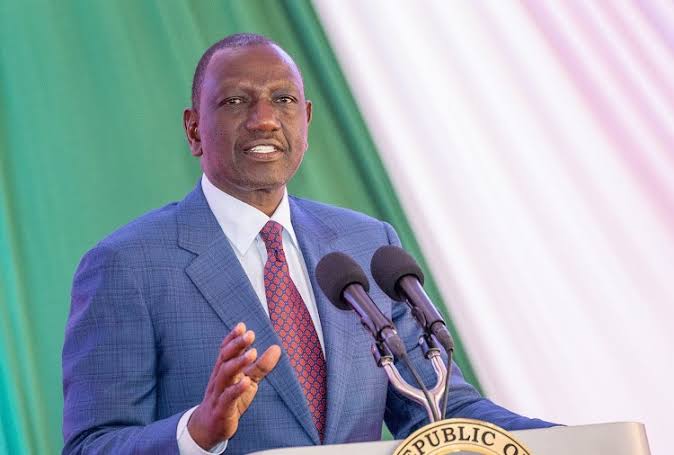
President William Ruto is set to deliver his fourth State of the Nation Address today at 2:30 PM before a joint sitting of Parliament, bringing together members of the National Assembly and the Senate for an important constitutional event. The address is expected to provide an opportunity for the Head of State to outline the government's progress, review key national priorities and communicate his administration's plans for the remaining period of his tenure.
The annual State of the Nation Address is one of the key constitutional responsibilities of the President, providing a platform for the Head of State to report to Parliament and the country on the state of national affairs. It allows the President to communicate the government's achievements, challenges and priorities while addressing matters affecting the country's political, economic and social development.
Today's address comes at a significant point in President Ruto's administration as the government continues implementing its development agenda amid public debate over the economy, taxation, employment, the cost of living and the delivery of essential services. Kenyans will be looking to the President to explain the progress made in addressing these issues and provide a clear picture of the government's plans going forward.
The joint sitting of Parliament will bring together lawmakers from both chambers, creating an opportunity for elected representatives to listen to the President's assessment of the country's performance. The event also provides a platform for the government to communicate its priorities to Parliament, which plays a central role in legislation, oversight and the approval of public expenditure.
The State of the Nation Address is more than a ceremonial occasion. It is an important part of the country's constitutional governance framework, through which the President is expected to account for the administration of national affairs. The address provides an opportunity to reflect on the implementation of government policies and explain how different programmes are contributing to the country's development objectives.
One of the major issues expected to attract attention is the state of the Kenyan economy. The cost of living has remained a significant concern for many households, with families continuing to face pressure from the prices of essential goods and services. The affordability of food, transport, housing, education and healthcare remains central to discussions about the economic welfare of ordinary Kenyans.
Many households are interested in understanding what the government is doing to improve purchasing power and reduce the financial pressure experienced by families. The President's address will provide an opportunity to communicate the administration's position on economic recovery, employment creation, investment and measures intended to improve the living standards of citizens.
Taxation is also likely to remain an important subject in the national conversation. Government revenue is necessary to finance public services, infrastructure and development programmes, but the tax burden has generated debate among businesses, workers and households. Many Kenyans want to understand how the government intends to balance revenue collection with the need to protect household incomes and support economic activity.
Businesses, particularly small and medium-sized enterprises, continue to operate in an environment where operating costs, access to capital and consumer purchasing power influence their performance. The government's approach to taxation, business regulation and economic support is therefore important to entrepreneurs seeking a stable environment in which they can operate and expand.
The President may also use the address to explain the administration's approach to public debt and government spending. The management of national finances remains a critical issue because decisions on borrowing, revenue collection and expenditure have implications for the country's economic stability and ability to finance development. Kenyans will be interested in understanding how public resources are being managed and how the government intends to ensure that spending delivers meaningful results.
Employment creation is another major issue facing the country, particularly among young people entering the labour market. Kenya has a large population of young people seeking opportunities in both formal and informal sectors. The availability of decent employment remains an important measure of economic progress, as jobs enable individuals to support themselves, contribute to household incomes and participate in national development.
Government programmes targeting youth employment, skills development, entrepreneurship and investment are therefore expected to remain part of the wider national discussion. Young people want opportunities that allow them to use their skills, earn sustainable incomes and build secure futures. The effectiveness of initiatives intended to support these objectives will be an important consideration in assessing the government's performance.
The housing sector is also among the areas that may feature in the President's report. The affordable housing programme has been presented as one of the administration's major development initiatives, with the aim of expanding access to decent housing while creating employment opportunities in the construction industry. Its implementation has generated considerable public interest, particularly regarding affordability, financing and the delivery of housing units.
Beyond housing, infrastructure development remains central to the government's development agenda. Roads, bridges, electricity connections, water projects and other public facilities are important in supporting economic activity and improving access to services. The completion of infrastructure projects can strengthen connections between communities, facilitate trade and improve the delivery of essential services.
Kenyans will also be interested in the progress of projects across counties, particularly those intended to improve transport networks, expand access to electricity and strengthen public facilities. The President's address offers an opportunity to explain the extent to which such investments are contributing to national development and the challenges that may affect their implementation.
Agriculture is another critical sector because of its contribution to food security, employment and household incomes. Millions of Kenyans depend directly or indirectly on agricultural activities, making the performance of the sector important to the wider economy. Issues surrounding farm inputs, access to markets, production costs and the prices received by farmers remain central to agricultural development.
The government has placed emphasis on increasing agricultural productivity and improving the earnings of farmers. Continued investment in agricultural services, irrigation, value addition and market access can contribute to stronger production and improved incomes. The President's report will be an opportunity to outline progress in the sector and communicate plans aimed at strengthening food production and supporting farming communities.
Healthcare is also expected to remain an important national priority. Access to affordable and reliable medical services continues to be a major concern for households, particularly those facing financial difficulties when seeking treatment. The government's healthcare reforms, including the implementation of the Social Health Authority framework, have attracted public attention as the country continues transitioning towards a new approach to health financing.
The effectiveness of healthcare reforms depends on several factors, including access to medical facilities, availability of healthcare workers, reliable funding and the ability of citizens to obtain services when they need them. Kenyans will be interested in understanding how the government is addressing challenges affecting the health sector and ensuring that reforms translate into improved access to treatment.
Education is another area with significant implications for the country's future. The government continues to face the responsibility of supporting schools, improving learning facilities, recruiting teachers and ensuring that learners receive quality education. The implementation of the Competency-Based Education framework has also brought attention to the need for adequate resources, teacher training and suitable learning infrastructure.
Parents, teachers and learners are interested in the government's plans to strengthen education financing and improve conditions in schools. The availability of classrooms, laboratories, teaching materials and qualified teachers remains essential to ensuring that learners receive effective instruction. Higher education financing and access to technical and vocational training are also important issues for students and families.
The President's address may further provide an opportunity to discuss security and the government's efforts to protect citizens and maintain law and order. National security remains an important responsibility, particularly as the country continues addressing challenges associated with crime, drug trafficking, terrorism and other security threats. The effectiveness of security institutions and cooperation between communities and law enforcement agencies are important in maintaining public safety.
Governance and accountability are also central to the State of the Nation Address. Public institutions are expected to operate transparently, responsibly and in accordance with the Constitution. Kenyans continue to demand accountability in the management of public resources and the implementation of government programmes. The role of Parliament in scrutinising government activities remains important in ensuring that public institutions fulfil their responsibilities.
The relationship between the national government and county governments may also feature in discussions about service delivery and development. Devolution remains a key pillar of Kenya's governance structure, giving counties responsibility for several essential services and local development programmes. Effective cooperation between the two levels of government is necessary to coordinate projects, address service delivery challenges and ensure that resources reach communities.
Climate change and environmental protection are other issues that continue to affect the country. Droughts, floods and changing weather patterns have implications for agriculture, water availability, infrastructure and livelihoods. The government faces the responsibility of strengthening environmental conservation, supporting climate resilience and preparing communities to respond to climate-related challenges.
The State of the Nation Address also provides an opportunity to reflect on Kenya's position in regional and international affairs. The country's diplomatic relations, trade partnerships, regional security commitments and participation in international organisations contribute to its standing beyond its borders. Kenya's engagement with neighbouring countries and international partners remains important in addressing shared challenges and promoting economic cooperation.
As President Ruto prepares to address Parliament, expectations will be high among different sections of the population. Workers, business owners, farmers, students, parents, professionals and unemployed young people all have different concerns that they hope the government will address. The address will therefore be an important moment for the administration to communicate its priorities and explain how it intends to respond to the needs of the country.
The President's fourth State of the Nation Address will also provide an opportunity to assess the progress of his administration since taking office. By reviewing government programmes and outlining future priorities, the Head of State can present an account of the direction in which the country is moving and the measures being pursued to address existing challenges.
Following the address, attention is expected to turn to the details of the government's commitments and how they will be implemented. Parliament's oversight role will remain important in examining the administration's performance and ensuring that public commitments are followed by practical action.
The significance of the State of the Nation Address will be measured not only by the issues highlighted during the speech but also by the progress made in addressing the challenges facing Kenyans. Citizens will be looking for clear commitments, realistic plans and measurable results in areas that directly affect their daily lives.

You Might Also Like
-
President William Ruto has defended the constitutional mandate of security agencies to maintain law and order, protect lives and property, and safeguard national security while acknowledging that police officers who use unlawful force during demonstrations must be held accountable. The President's r
-
The Longisa Boys High School community is mourning the death of a student who reportedly fell ill in the morning during the examination period and later passed away while receiving treatment at a hospital. The incident has left fellow students, teachers and the wider school fraternity in shock as in
-
The Ministry of Labour and Social Protection has signed its Second-Level Ministerial and Agency/Semi-Autonomous Government Agencies (AGA/SAGA) Performance Contracts for the 2026/2027 Financial Year in a ceremony held at NSSF Building, Social Security House, Nairobi. The exercise was presided over by
-
President William Ruto has announced a KSh1.2 billion bonus package for sugarcane farmers, with disbursement expected to begin next week, as the government seeks to ensure that the ongoing revival of the sugar industry translates into better earnings and improved livelihoods for farmers. The Preside
-
President William Ruto has announced that, for the first time in 65 years, national examination papers have been printed locally in Kenya. The President highlighted the achievement during his State of the Nation Address, describing it as a significant milestone in strengthening local production, pro
-
President William Ruto has met elected leaders from Nyandarua County at State House, Nairobi, for discussions centred on boosting agricultural production, increasing farmers’ incomes and accelerating the implementation of key development projects across the county. During the meeting, the Presiden