Principal secretaries Convene in Malindi for Crucial Seventh Principal Secretaries’ Forum to Fast-Track National Development and Service Delivery
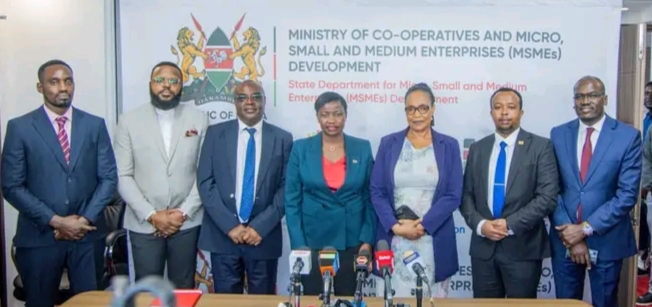
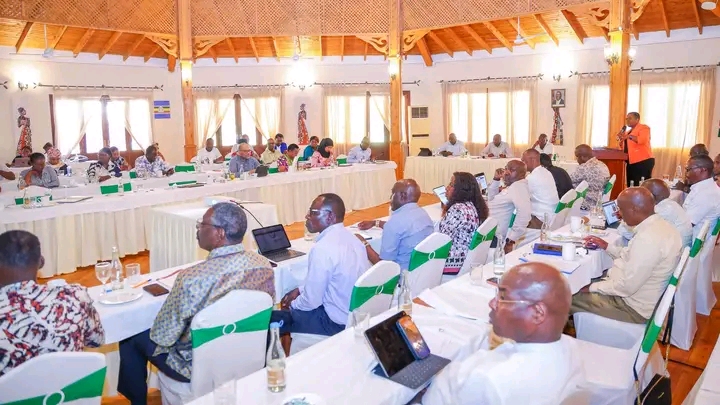
The Seventh Principal Secretaries’ Forum of 2026 in Malindi, Kilifi County, was an important government coordination meeting focused on national development, accountability and improved service delivery. Chaired by Chief of Staff and Head of Public Service Felix Koskei, the forum addressed critical issues ranging from government project monitoring and national security to El Niño preparedness, AFCON 2027 preparations and the Buy Kenya, Wear Kenya, Promote Kenya initiative. The preceding tour of the Bura Irrigation Scheme and Galana Kulalu Food Security Project also highlighted the government's commitment to expanding irrigation and strengthening food production.
The Seventh Principal Secretaries’ Forum of 2026 was held in Malindi, Kilifi County, bringing together Principal Secretaries from different government ministries and departments to deliberate on national development priorities, evaluate the implementation of government programmes and strengthen coordination across the public service.The meeting was chaired by Chief of Staff and Head of the Public Service, Felix Koskei, and provided an opportunity for senior government officials to review progress made on previous government directives while identifying areas requiring urgent attention. The discussions focused on improving service delivery, strengthening accountability, accelerating development projects and ensuring that government commitments translate into tangible benefits for Kenyans.
The Malindi meeting followed a working tour of the Lower Tana Irrigation Cluster, which included visits to the Bura Irrigation Scheme and the Galana Kulalu Food Security Project. During the tour, the Principal Secretaries assessed investments in irrigation, agricultural production, water management and food security.
The forum came at an important time as the government seeks to strengthen the implementation of its development agenda during the final months of 2026. The discussions covered several important areas, including the government's legislative agenda, preparations for the 2027 Africa Cup of Nations (AFCON), the Government Delivery Unit's Delivery Information System, El Niño preparedness, national security and the Buy Kenya, Wear Kenya, Promote Kenya initiative.The forum provides a platform where senior government administrators can evaluate ongoing projects, identify implementation challenges and agree on measures to improve performance.
Through such engagements, government departments are expected to strengthen cooperation and avoid situations where different agencies work independently despite having related responsibilities.
Koskei stressed the importance of working as One Government, with an emphasis on completing ongoing programmes and ensuring that Kenyans can see and experience the results of government commitments.Strengthening government project monitoring through the Delivery Information System
Another key issue discussed during the forum was the Government Delivery Unit's Delivery Information System, which is designed to improve the monitoring and implementation of government projects across the country.
The system brings together verified field reports, satellite imagery and project data to provide a clearer picture of the progress of government programmes.
Through this approach, government officials can monitor projects more effectively, identify delays and establish whether resources are being used for their intended purposes.
The system is also expected to strengthen transparency and accountability by providing reliable information on the progress of development initiatives.Preparations for the 2027 Africa Cup of Nations were also among the major issues discussed during the Malindi forum.
Kenya is preparing to co-host the continental football tournament alongside Uganda and Tanzania, making it necessary for the three countries to strengthen their infrastructure and logistical arrangements.
The Principal Secretaries examined preparations beyond the construction and improvement of football stadiums, recognising that successfully hosting an international sporting event requires coordination across several government departments.
Areas discussed included transport, security, health services, immigration, accommodation and essential infrastructure.
The government understands that thousands of football supporters, players, officials, journalists and international visitors are expected to travel to the three host countries during the competition.Transport infrastructure will be particularly important in facilitating movement between stadiums, accommodation facilities, airports and other important destinations.
Security agencies will also be expected to develop effective arrangements to protect players, supporters and other visitors throughout the tournament.
Health services will play an equally important role, with preparations needed to ensure that medical facilities are ready to respond to emergencies and other health concerns.
The discussions demonstrated that Kenya's preparations for AFCON 2027 involve the entire government and not only the sports department.
The country hopes to use the tournament to promote tourism, create economic opportunities, attract international attention and strengthen its position as a destination for major sporting events.Increased demand for locally produced goods can help manufacturers expand their operations, invest in modern equipment and create additional employment opportunities.
The government also sees the initiative as an opportunity to promote Kenyan identity through fashion and locally produced apparel.
The discussions recognised that supporting local industries requires cooperation between government institutions, private-sector players, farmers and manufacturers.
The government hopes that stronger local value chains will contribute to economic growth while reducing dependence on imported products.The tour provided the Principal Secretaries with an opportunity to assess government investments aimed at increasing agricultural production through irrigation.
The Bura Irrigation Scheme is among the country's important irrigation initiatives, intended to support agricultural activities in an area where rainfall can be unreliable.
Through irrigation, farmers can access water for crop production and reduce their dependence on seasonal rainfall.
The Galana Kulalu Food Security Project, which straddles Kilifi and Tana River counties, is also part of the government's efforts to expand agricultural production and improve national food security.During the working tour, the officials assessed investments in water management, irrigation infrastructure and agricultural production.
These initiatives are particularly important as Kenya continues to address challenges associated with climate change, unpredictable rainfall and rising demand for food.
Expanding irrigated agriculture can help increase crop production, create employment and strengthen food supplies.
The tour also demonstrated the importance of connecting government policy discussions with practical assessments of projects on the ground.
By visiting development sites, senior officials can better understand implementation challenges and identify areas requiring additional attention.
The Principal Secretaries' participation in the tour reflected the government's intention to strengthen coordination between ministries responsible for agriculture, irrigation, water management and food security. The Seventh Principal Secretaries’ Forum also reinforced the importance of cooperation among ministries and state departments.
Principal Secretaries play an important role in the administration of government ministries, overseeing public resources, implementing policies and ensuring that government decisions are translated into action.
Their responsibilities require regular communication and coordination, especially when dealing with programmes that involve multiple government institutions.
For example, AFCON preparations require cooperation between sports, transport, security, health, immigration and tourism departments.
Similarly, El Niño preparedness involves several agencies responsible for disaster management, agriculture, infrastructure, health and environmental protection.As the country approaches the final stretch of 2026, the Malindi meeting placed emphasis on completing ongoing programmes and delivering results that citizens can experience.
Koskei's message centred on the importance of moving from government commitments to actual implementation.
Kenyans expect development programmes to improve their daily lives through better infrastructure, employment opportunities, improved food production, accessible public services and stronger economic opportunities.
The forum therefore challenged government institutions to remain focused on their responsibilities and ensure that ongoing projects receive the attention required for successful completion.
The discussions also demonstrated the government's intention to use technology, coordinated planning and accountability mechanisms to improve public-sector performance.

You Might Also Like
-
The Government of Kenya has launched the NYOTA Access to Government Procurement Opportunities (AGPO) digital training programme targeting at least 600,000 entrepreneurs across the country, in a major initiative aimed at empowering young people, women and persons with disabilities to access governmen
-
Residents of Manyatta B in Kisumu County have been left shocked following the discovery of the body of an unidentified man dumped inside a damaged septic tank near Yellow Bridge on November 3, 2026. The discovery was reportedly made by a local resident, Willy Otiende, who was searching for his missi
-
Democrats have taken control of both the United States House of Representatives and the Senate following the November 3, 2026 midterm elections, marking a major political setback for President Donald Trump and the Republican Party. The Democratic victories across several states have shifted the bala
-
Kipchumba Murkomen's appearance before the National Assembly on November 4, 2026, brought attention to the government's wider security and service delivery agenda. Among the measures he highlighted were the 16-month security roadmap ahead of the 2027 General Election, efforts to dismantle criminal
-
University lecturers have threatened to resume strike action if the government fails to address concerns over funding and unpaid bills. The warning comes days after they ended a month-long strike and returned to classrooms following a KSh20 billion agreement with the government. The deal covers the
-
Transport Cabinet Secretary Davis Chirchir's warning to motorists at Kimende on Wednesday, November 4, 2026, highlights the importance of road safety as construction continues along the Rironi–Mau Summit Highway. While the government is working to expand the highway and improve transportation, mot