PS Aurelia Rono Leads Government’s Digital Education Push in Bomet as Laptops Roll Out to Schools Nationwide
The participation of Principal Secretary Aurelia Rono in representing the Government of Kenya during the Phase II Digital Literacy Programme rollout in Bomet County placed a spotlight on the government's efforts to expand technology-supported education. The issuance of laptops at Bomet Primary School was part of a broader nationwide initiative being implemented across all 47 counties. The programme aims to strengthen digital learning, support teachers and help learners acquire skills relevant to an increasingly technology-driven world. Its success will depend on ensuring that the equipment reaches its intended users and becomes an effective part of classroom instruction.
The national rollout of Phase II of the Digital Literacy Programme (DLP) marks another step in Kenya’s efforts to strengthen digital education in primary schools and prepare learners for an increasingly technology-driven world. In Bomet County, Principal Secretary Aurelia Rono represented the Government of Kenya during the nationwide launch, which was being implemented simultaneously across all 47 counties.
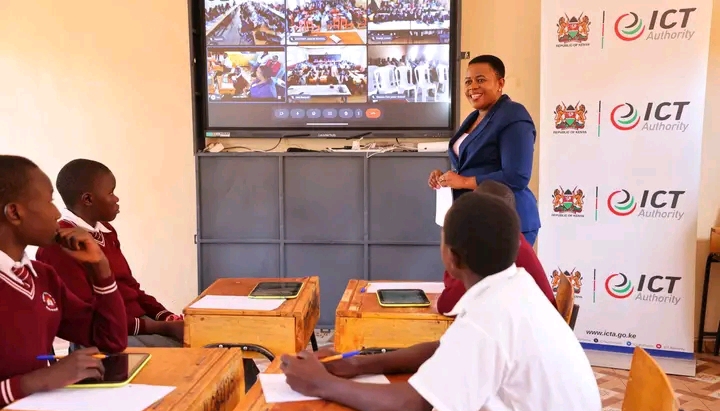
During the exercise at Bomet Primary School, laptops were issued as part of the government’s efforts to expand access to digital learning resources and strengthen the use of technology in classrooms. The initiative is intended to help learners develop essential digital skills while supporting teachers in delivering lessons through modern educational tools.The rollout in Bomet formed part of a wider national initiative aimed at strengthening technology-supported education in public schools. The government has continued to invest in digital devices, teacher training and classroom infrastructure to support the implementation of Competency-Based Education (CBE).
According to the Ministry of Information, Communications and the Digital Economy, Kenya's Digital Literacy Programme was established to integrate technology into teaching and learning, with the broader objective of improving digital literacy and preparing learners for a technology-driven economy. By representing the national government during the Bomet exercise, PS Aurelia Rono participated in the implementation of an education initiative designed to improve access to digital resources. The issuance of laptops at Bomet Primary School provided a practical demonstration of the programme's focus on bringing technology closer to schools and their learning communities.
The nationwide rollout also highlighted the importance of coordination among national government departments, education officials, school administrators and technology implementation agencies. Delivering equipment to schools is an important part of the process, but ensuring that the devices are properly installed, maintained and used effectively is equally important.How Laptops Can Transform Classroom Learning
The introduction of laptops into school environments offers teachers additional ways to prepare lessons, access educational materials and introduce learners to digital tools.
Traditionally, classroom instruction has relied heavily on printed textbooks, exercise books, chalkboards and face-to-face explanations. While these methods remain important, digital technology can complement them by providing access to multimedia resources, interactive exercises and electronic learning materials.With appropriate training and educational content, teachers can use laptops to prepare presentations, demonstrate scientific concepts, organise learning materials and support classroom activities. Digital resources can also help teachers introduce learners to basic computer operations and responsible technology use.
For pupils, exposure to computers can help develop skills such as typing, information retrieval, digital communication and problem-solving. These abilities are increasingly relevant as education, employment and public services become more dependent on technology.
However, the benefits depend on how the equipment is used. Laptops must be incorporated into lesson planning and classroom activities rather than remaining unused in school offices or storage facilities.
The government and education stakeholders therefore have an important responsibility to ensure that the devices distributed under the programme contribute to measurable improvements in learning.Supporting Competency-Based Education
Kenya's transition to Competency-Based Education has increased attention on practical learning, creativity, communication, collaboration and problem-solving.
Digital devices can support these objectives by allowing learners to engage with educational materials in different formats and participate in activities that encourage independent thinking.
The official Digital Literacy Programme framework identifies technology integration as an important means of supporting the curriculum, improving classroom infrastructure and strengthening teachers' capacity to use digital learning tools. It also highlights the importance of appropriate digital content, connectivity, technical support and teacher preparation. Bomet County has schools serving communities with different levels of access to technology. Providing digital equipment through a national programme can help expand learning opportunities for pupils who may have limited opportunities to use computers outside school.
For learners in rural communities, the school environment may be one of the main places where they encounter computers and structured digital learning. Access to suitable equipment can therefore provide an important foundation for future education and skills development.
Early exposure to technology can help pupils become more confident when using digital tools. As they progress through school, they may find it easier to engage with computer-based assignments, online educational resources and other forms of technology-supported learning.The Importance of Teacher Training and Technical Support
The successful implementation of a digital literacy programme depends significantly on teachers.
Even when schools receive modern equipment, teachers need the knowledge and confidence to incorporate it into their lessons. Training can help them identify suitable digital materials, operate the devices, manage classroom activities and address basic technical problems.
Kenya's existing Digital Literacy Programme has placed emphasis on teacher preparation. The Ministry of Information, Communications and the Digital Economy reports that more than 75,000 teachers in public primary schools had been trained in readiness for programme implementation under the broader initiative. Nationwide Implementation Across All 47 Counties
The simultaneous implementation of Phase II across all 47 counties underscores the national scope ofLooking Ahead: Building a Digitally Skilled Generation
The rollout in Bomet County reflects the growing importance of digital skills within Kenya's education system.
As technology continues to influence employment, business, communication and public services, learners need opportunities to acquire practical skills before leaving school. Providing access to computers can help establish that foundation, particularly when combined with appropriate teaching methods and reliable infrastructure. the government's digital education agenda.
The Kenya Digital Economy Acceleration Project has supported a related nationwide expansion involving laptops and interactive smart boards in public junior schools. Government announcements have identified 10,382 schools as the target for that equipment rollout, with the initiative intended to strengthen digital learning and support the implementation of Competency-Based EducationFor Bomet Primary School and other participating institutions, the priority will be to turn the availability of laptops into meaningful classroom experiences. This means ensuring that teachers know how to use the equipment, learners have appropriate opportunities to engage with digital resources and schools have the support needed to keep the devices functional.
The programme's longer-term impact will depend on consistent implementation, adequate maintenance, teacher preparation and regular monitoring

You Might Also Like
-
The reported turnout of thousands of job seekers at Wajose Smart Wears in Kericho has highlighted the urgency of addressing unemployment and the intense competition for available opportunities. While the precise details of the recruitment exercise remain independently unverified, the wider employmen
-
The National Transport and Safety Authority (NTSA) has urged motorists whose Smart Driving Licences are ready for collection to pick them up from their designated centres. The authority has also warned Kenyans against dealing with brokers and unauthorised intermediaries who claim to offer assistance
-
President William Ruto's October 16, 2026, engagements in West Pokot and Trans Nzoia form part of his wider North Rift development tour ahead of Mashujaa Day celebrations on October 20. The published programme includes the issuance of 11,493 title deeds in West Pokot, commissioning the Kapenguriaâ€
-
Former Nairobi Provincial Commissioner Davis Nathan Chelogoi has been convicted in a KSh 1.35 billion land fraud case involving a 7.39-hectare parcel in Lower Kabete, Nairobi. The court found him guilty on five counts, including conspiracy to defraud, forcible detainer and forgery, following a trial
-
The participation of Dr Belio Kipsang in the Mashujaa Day thematic week panel discussion at Eldoret National Polytechnic highlights the importance of connecting national celebrations with practical issues affecting citizens. His contribution focused on border security, citizenship documentation, co
-
The reported site visit involving Roads and Transport Cabinet Secretary Davis Chirchir, Chepalungu MP Victor Koech and World Bank officials highlights the importance of rural road connectivity in Bomet County and the wider South Rift region. The proposed Chebole–Siongiroi–Labotiet–Gorgor impr