



PS Mary Muthoni Issues Urgent Warning to Kenyans as El Niño Rains Loom: “Protect Your Children From Floodwaters”
Mary Muthoni's message today centred on early preparation, child safety, clean drinking water, food hygiene and proper medical care. She urged parents in flood-prone areas to accompany children to school where necessary, warned families against using untreated water, and advised sick Kenyans to seek professional medical attention. With the Ministry of Health already implementing preparedness measures across all 47 counties, authorities are calling on the public to take preventive action before the anticipated El Niño rains intensify.
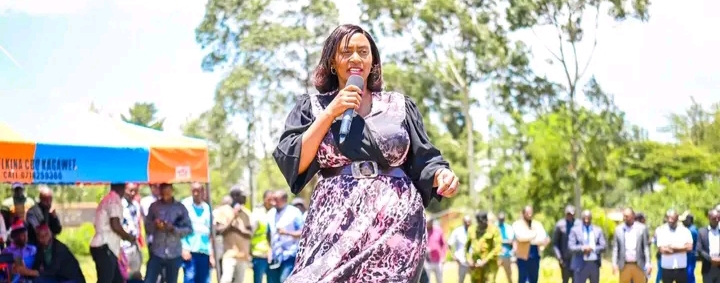
Principal Secretary for Public Health and Professional Standards Mary Muthoni has issued a fresh warning to Kenyans as the country prepares for the anticipated El Niño rains, urging families to take early precautions against flooding and waterborne diseases. Speaking on Sunday, October 4, 2026, Muthoni particularly called on parents and guardians to protect children from dangerous floodwaters and ensure that families have access to safe drinking water. Her message comes as the Ministry of Health intensifies preparedness measures across all 47 counties ahead of the expected heavy rains.
Muthoni's warning focused heavily on the safety of children, especially those living in areas that are prone to flooding. She cautioned parents not to allow children to move through flooded areas alone because rapidly moving water can easily sweep them away. She encouraged parents and guardians in affected communities to accompany children to school where necessary and guide them away from dangerous sections.
“Where there are flooded areas, kindly guide your children, walk with them to school so that they don’t get swept off by the floods,” Muthoni said, highlighting the need for families to take responsibility for children's safety during the rainy season.
The warning is significant because flooding does not only pose a physical danger. Floodwaters can also contaminate sources of drinking water, creating conditions for the spread of diseases. According to health authorities, contaminated water can increase the risk of illnesses such as cholera, typhoid, dysentery and other diarrhoeal diseases.
Safe drinking water
One of the main issues raised by Muthoni was the need for households to ensure that drinking water is safe before consumption. She advised Kenyans to boil water or use chlorine tablets to treat potentially contaminated water.
“Two, it is important to ensure that drinking water is boiled or it is put the chlorine tablets,” she said.
This advice is particularly important in communities where families depend on wells, boreholes, rivers and other water sources that can easily become contaminated when floods occur.
The Ministry of Health has warned that heavy rainfall can cause sewage, waste and other contaminants to enter water sources. When contaminated water is consumed without treatment, disease-causing organisms can spread rapidly within households and communities.
Muthoni's message therefore goes beyond responding to illness after an outbreak. She is encouraging Kenyans to take preventive measures before the rains cause major health problems.
Warning against self-medication
The Public Health PS also urged Kenyans who become sick to seek professional medical assistance instead of attempting to diagnose and treat themselves.
She specifically cautioned against going directly to pharmacies or chemists and prescribing medication without the guidance of a qualified health professional.
“If you are unwell, go to hospital, don’t go to a pharmacy or a chemist and prescribe yourself,” Muthoni said. She further urged Kenyans to ensure they obtain prescriptions from doctors, health facilities or skilled health workers.
Her warning comes at a time when the expected rains could increase the number of people seeking medical attention. Early medical intervention can help health workers distinguish between different illnesses and provide appropriate treatment.
Ministry of Health activates preparedness measures
Muthoni's remarks form part of wider government preparations for the anticipated El Niño rains. The Ministry of Health has already activated preparedness measures at both national and county levels.
The ministry issued a health advisory to all 47 counties as part of the country's El Niño contingency preparations. The Kenya Meteorological Department has forecast a very high probability of above-normal rainfall between October and December 2026, with the rains potentially continuing into early 2027.
The health sector is concerned about several possible consequences of heavy rainfall. Apart from flooding and waterborne diseases, increased rainfall can create breeding grounds for mosquitoes, potentially increasing the risk of malaria and other mosquito-borne illnesses.
The government has therefore been encouraging counties and communities to prepare before serious flooding occurs rather than waiting until disasters have already happened.
Flood-prone areas require extra caution
Muthoni's warning is particularly important for people living in flood-prone neighbourhoods. Families in such areas are being encouraged to identify safer routes to schools, workplaces and health facilities before heavy rains intensify.
Parents have also been encouraged to educate children about the dangers of playing in or walking through floodwaters. Children may not always appreciate how dangerous apparently shallow water can become, particularly where drainage systems are overwhelmed.
Floodwaters can also conceal open drainage channels, holes, debris and other hazards. Strong currents can develop quickly, making it dangerous for children and adults to attempt to cross flooded roads or rivers.
Nairobi authorities step up preparations
Nairobi authorities have also indicated that they are preparing for possible flooding. Nairobi North County Commissioner Simon Asumba said government agencies had conducted an El Niño disaster-response simulation to test how authorities would respond to emergencies.
The simulation reportedly covered the process from receiving reports of an incident through to responding to affected residents. Authorities have also mapped flood-prone areas and prepared temporary holding areas for people who could be displaced by floods.
The National Police Service has also been briefed to provide security around temporary holding areas if residents are forced to leave their homes because of flooding.
This suggests that preparations are being made not only within the health sector but across several government agencies.
Food hygiene also important
Muthoni's message also highlights the importance of proper food hygiene during the rainy season. Flooding can contaminate food and cooking environments, particularly where sanitation systems are disrupted.
Families are therefore encouraged to keep food covered, wash hands regularly, cook food thoroughly and ensure that utensils and cooking surfaces remain clean.
The same precautions are important for schools, restaurants, markets and other places where large numbers of people interact. Good hygiene can help reduce the spread of infections when environmental conditions become difficult.
A call for early preparation
The central message from Mary Muthoni today is that Kenyans should not wait for floods or disease outbreaks before taking action. Families are being encouraged to prepare early by identifying safe routes, protecting children, treating drinking water and seeking professional medical attention when illness occurs.
Her warning also reinforces the government's broader preparedness campaign ahead of the expected October–December rains. The Ministry of Health has urged counties, health facilities and communities to remain vigilant because heavy rainfall can put additional pressure on health services.
For parents, the immediate priority is protecting children from floodwaters. For households, it is ensuring access to clean and safe drinking water. For anyone who becomes sick, Muthoni's advice is to seek help from qualified health professionals rather than self-medicate.
As Kenya enters the period when heavy rains are expected, the PS's message is therefore both a warning and a call for collective responsibility. Government agencies, county authorities, parents, schools and communities all have a role to play in reducing the risks associated with flooding and disease.

You Might Also Like
-
Nairobi Senator Edwin Sifuna has unveiled The Equitable Party (TEP) as the political platform for his 2027 presidential bid. Sifuna was unveiled as the party leader and presidential candidate during a Nairobi event on Sunday. TEP, previously registered in 2022, will now serve as the formal politic
-
DIG Eliud Lagat's latest declaration that the operation to pacify the Kerio Valley will continue signals that the government is not yet ready to scale down its security campaign despite the progress reported in recent months. The authorities say operations have significantly reduced banditry, with L
-
The shooting in Lolgorian, Trans Mara South, has left one person dead following clashes between police officers and residents near the Kilimapesa mining area. The confrontation reportedly began when officers conducting a patrol towards the mining site encountered resistance from residents, leading t
-
Authorities have arrested 45 suspects in Mau Narok, Nakuru County, during a multi-agency crackdown on illicit alcohol, drugs and other illegal activities. The operation targeted unlicensed bars and suspected drug-trafficking networks, with police recovering suspected second-generation alcoholic drin
-
Rigathi Gachagua's Boston engagements today have placed several major issues at the centre of Kenya's political conversation. His strongest message was that only legitimate Kenyan citizens should participate in the 2027 election, while he also criticised President William Ruto and continued presenti
-
A nurse allegedly killed his wife before taking his own life in Segerot village, Chepalungu, Bomet County, leaving residents and relatives in shock.