Ps mary muthoni leads national multi-agency ebola taskforce review as kenya strengthens preparedness
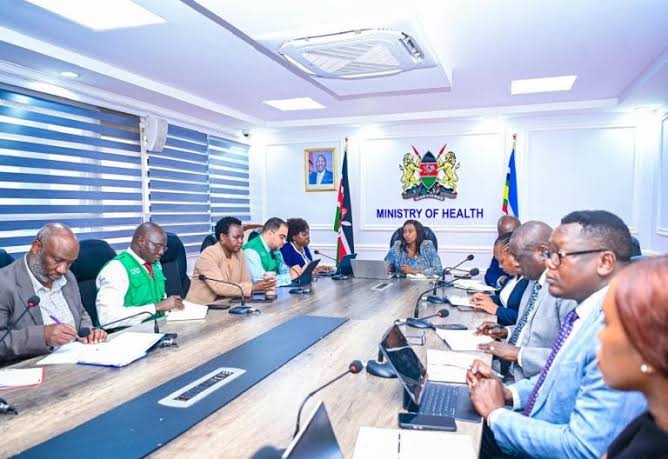
Ps mary muthoni leads the national multi-agency ebola taskforce in reviewing response operations, coordinating resources and strengthening preparedness measures following an imported ebola case in kenya, as authorities intensify efforts to prevent further transmission and protect public health.
Ps mary muthoni has led the national multi-agency ebola taskforce in reviewing response operations, coordinating resources and strengthening preparedness measures following an imported ebola case in kenya. the meeting brought together the taskforce’s response priorities, with a focus on assessing ongoing measures and reinforcing coordination among the agencies involved in preventing further transmission of the virus.
the review comes as health authorities continue to emphasise the importance of vigilance, timely reporting and effective coordination in managing public health threats. following the reported imported case, the taskforce’s work is focused on ensuring that relevant institutions remain prepared to respond appropriately and that established public health measures are implemented effectively.
the coordination of multiple agencies is an important component of emergency preparedness, particularly when dealing with infectious diseases that require rapid communication, specialised medical support and cooperation between different government departments.
reviewing response operations
one of the key priorities of the meeting led by ps mary muthoni was the review of response operations following the imported ebola case. such reviews allow responsible authorities to assess the measures in place, identify operational gaps and determine whether additional action is necessary to strengthen the country’s response.
an effective review also helps agencies establish their responsibilities and improve communication when responding to a developing public health situation. this is important because disease preparedness involves several interconnected activities, including surveillance, laboratory testing, patient assessment, infection prevention and public communication.
by assessing response operations, the taskforce can help ensure that agencies remain aligned in their approach and that emerging concerns are addressed through established procedures.
the review also underscores the importance of preparedness beyond the immediate response to a reported case. public health emergencies can place pressure on healthcare facilities and response teams, making advance planning essential to ensuring that personnel, equipment and other resources are available when required.
however, the specific findings and decisions reached during the taskforce meeting were not detailed in the information provided.
coordinating resources among agencies
resource coordination is another important area of focus for the national multi-agency ebola taskforce. responding to a suspected or confirmed infectious disease case requires cooperation among health authorities, laboratory teams, emergency response personnel and other relevant institutions.
effective coordination helps prevent duplication of responsibilities, supports the timely sharing of information and ensures that available resources are directed towards the areas where they are most needed.
these resources may include trained healthcare workers, protective equipment, laboratory capacity, transport arrangements and communication systems. their availability and proper management are important in protecting frontline personnel while supporting the safe assessment and management of individuals who may require medical attention.
coordination also helps ensure that agencies understand their roles during different stages of an emergency response. when responsibilities are clearly defined, institutions can work together more efficiently and respond to new information without unnecessary delays.
ps mary muthoni’s leadership of the review places emphasis on the importance of bringing the relevant agencies together to assess operations and strengthen the country's level of preparedness.
strengthening surveillance and early detection
surveillance remains a central element of efforts to prevent the further spread of infectious diseases. it involves identifying potential cases, monitoring relevant symptoms and ensuring that people who may have been exposed to an infection are assessed according to established public health guidelines.
early detection is particularly important in managing diseases such as ebola because prompt identification and appropriate medical assessment can help authorities take the necessary precautions and reduce the risk of transmission.
health professionals rely on established procedures to assess individuals who may have symptoms or a relevant exposure history. where necessary, laboratory investigations help determine whether an infection is present and guide subsequent medical and public health action.
surveillance activities may also involve reviewing information from healthcare facilities and ensuring that suspected cases are reported through the appropriate channels.
the taskforce’s review of response operations highlights the importance of maintaining these systems and ensuring that relevant agencies can share information promptly.
members of the public also have a role in supporting surveillance by seeking medical advice when they have concerning symptoms or believe they may have been exposed to an infectious disease. they should follow guidance from qualified healthcare professionals and avoid spreading unverified information about suspected cases.
reinforcing infection prevention and control
infection prevention and control measures are essential in protecting healthcare workers, patients and communities during an infectious disease response.
healthcare facilities need to follow appropriate procedures when assessing patients who may have a serious infectious disease. these procedures can include the use of suitable personal protective equipment, proper hand hygiene, safe handling of potentially infectious materials and appropriate cleaning and disinfection practices.
health workers also require adequate training so that they understand how to apply established safety procedures consistently.
preparedness planning helps facilities assess whether staff members have the necessary skills, equipment and guidance to manage potential cases safely. it also supports the identification of gaps that may need to be addressed before an emergency escalates.
coordination between health authorities and healthcare facilities is important in ensuring that suspected cases are managed through the appropriate channels and that medical personnel receive timely guidance.
the national taskforce's wider preparedness efforts are therefore relevant not only to the immediate response but also to maintaining the readiness of healthcare institutions should additional cases be identified.
public awareness and responsible communication
public communication is another important part of managing a public health threat. accurate and timely information helps people understand the situation, recognise official guidance and take appropriate precautions without unnecessary fear.
during disease-related emergencies, rumours and unverified reports can create confusion and undermine confidence in the response. authorities and media organisations therefore have an important responsibility to communicate verified information clearly and distinguish confirmed developments from allegations or speculation.
members of the public should rely on official health advisories and statements from recognised authorities for updates on the situation.
communication should also explain when people need to seek medical advice, where they can obtain assistance and which precautions are recommended by health professionals.
for media houses, responsible reporting requires confirming details with credible sources before broadcasting figures, identifying individuals or announcing changes in the status of an outbreak.
the taskforce's coordination role is important in supporting a consistent flow of information among the agencies involved in the response. clear communication can help ensure that the public receives reliable updates as authorities assess the situation.
preparedness beyond the imported case
the review led by ps mary muthoni also highlights the broader importance of maintaining preparedness for infectious disease threats.
an imported case does not automatically mean that an outbreak has occurred. however, it provides a reason for relevant authorities to assess the situation, follow established protocols and determine whether additional public health measures are required.
preparedness includes ensuring that response plans are current, personnel understand their responsibilities and facilities can access the support required to investigate potential cases.
it also involves identifying weaknesses in coordination and addressing them before they affect the effectiveness of an emergency response.
regular reviews and cooperation among agencies can help institutions learn from operational experiences and improve their ability to respond to future public health challenges.
these efforts are particularly important in a connected world where people frequently travel across borders. public health authorities must be able to assess relevant risks while ensuring that their responses are guided by evidence and established procedures.
at the same time, measures taken in response to a potential health threat should be proportionate to the available evidence and communicated clearly to the public.
the way forward
the national multi-agency ebola taskforce's review of response operations reflects the importance of coordinated preparedness following the reported imported case in kenya.
under ps mary muthoni's leadership, the meeting focused on reviewing response activities, coordinating resources and strengthening preparedness measures intended to prevent further transmission.
the effectiveness of these efforts will depend on continued cooperation among the relevant institutions, adherence to established health protocols and the timely sharing of reliable information.
maintaining surveillance, supporting healthcare workers and ensuring that response resources are available remain important elements of readiness. public awareness and responsible communication are equally necessary to help communities understand official guidance and respond appropriately to health advisories.
as the situation is assessed, further updates should be based on information confirmed by the relevant authorities. any additional cases, changes in risk assessments or new response measures should be communicated through official channels.
for now, the taskforce's review underscores the need for vigilance, coordination and preparedness in protecting public health following an imported ebola case.

You Might Also Like
-
Two police officers attached to kinjo police patrol base in meru county have been arrested over allegations of defiling a three-year-old girl. the suspects are expected to appear before the githongo law courts as investigations continue.
-
President william ruto announces ksh850 million for the construction of small-scale tea factories, aiming to support tea farmers, boost local processing and create employment opportunities in tea-growing regions.
-
Deputy President Kithure Kindiki's visit to Othaya Constituency in Nyeri County on October 12, 2026, centred on two major development activities: the launch of the Kihuro–Kirio–Kianjogu Last Mile Electrification Project and the inspection of the Gathunguri–Waihara–Kabebero road. The electri
-
The kenya kwanza administration is accelerating infrastructure development in nandi county, with 350km of roads under construction, 23,000 households targeted for electricity connectivity, 15 modern markets, 3,500 affordable housing units and 6,000 student hostel units. president william ruto and ot
-
Rigathi Gachagua's latest assurance that the opposition will field one presidential candidate against President William Ruto in 2027 has placed unity at the centre of Kenya's emerging election debate. The DCP leader has maintained that opposition leaders must be prepared to put aside personal ambit
-
Chief Justice Martha Koome's visit to Kimana in Kajiado County for the International Day of the Girl Child on October 11, 2026, placed the protection and empowerment of vulnerable girls at the centre of national attention. The graduation of 200 rescued girls following skills and leadership training