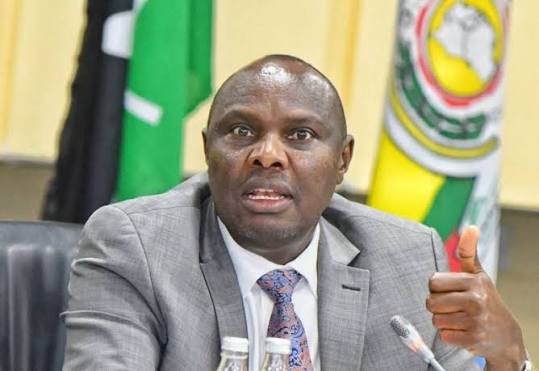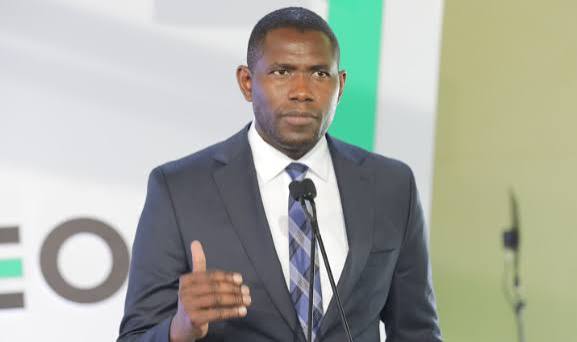
PS Ouma Oluga calls for stronger government collaboration to improve healthcare delivery
Medical Services Principal Secretary Ouma Oluga has called for stronger collaboration among government departments to strengthen the implementation of health sector programmes, emphasising that investment in healthcare is essential to improving the well-being of Kenyans and supporting sustainable economic growth. He has highlighted the need for ministries, state departments and government agencies to work together in addressing challenges affecting healthcare delivery, noting that improving public health requires a coordinated approach that goes beyond the Ministry of Health. Effective collaboration can help improve resource allocation, strengthen healthcare infrastructure, enhance access to essential medical services and ensure that government programmes reach communities across the country. Investment in healthcare also plays a critical role in national development by supporting a healthier and more productive population. Access to quality and affordable medical services enables citizens to remain active in their workplaces, businesses and communities while reducing the financial burden associated with preventable illnesses. The call comes as the country continues to pursue improvements in healthcare access, service delivery and the overall performance of the health system. Stronger cooperation between national and county governments, together with other relevant institutions, will be important in ensuring that health programmes are implemented effectively and deliver meaningful benefits to ordinary Kenyans.
Medical Services Principal Secretary Ouma Oluga has called for stronger collaboration among government departments to improve the implementation of health sector programmes, emphasising that healthcare should be treated as a shared national responsibility rather than a task left to the Ministry of Health alone. He has underscored the importance of coordinated government efforts in strengthening healthcare delivery, improving the well-being of Kenyans and supporting the country's long-term economic growth.
The call highlights the need for different ministries, state departments and government agencies to work together in addressing challenges affecting the health sector. Healthcare involves several areas of public administration, including financing, infrastructure, education, water and sanitation, social protection, food security and economic planning. As a result, effective coordination across these sectors is important in ensuring that health programmes achieve their intended objectives.
Oluga's remarks point to the importance of adopting a whole-of-government approach in implementing health policies and programmes. Under such an approach, departments are expected to coordinate their responsibilities, share relevant information and align their activities to support common national priorities. This can help reduce duplication of efforts, improve the use of public resources and ensure that government interventions reach the communities that need them.
The health sector plays a central role in national development because the well-being of citizens directly affects their ability to participate in economic and social activities. A healthy population is better positioned to attend school, remain productive at work, engage in businesses and contribute to community development. On the other hand, preventable illnesses and limited access to medical services can place a heavy burden on households, employers and the government.
Investment in healthcare is therefore important not only for improving medical services but also for strengthening the country's economic foundation. When people can access timely and affordable treatment, they are more likely to maintain their productivity and avoid the financial difficulties that can arise from prolonged illness. Better healthcare can also help families protect their savings and direct more resources towards education, housing and other essential needs.
Government collaboration is particularly important because many factors influencing people's health fall outside the direct responsibility of medical facilities. Access to clean water, proper sanitation, safe housing, nutritious food and quality education can significantly influence public health outcomes. Departments responsible for these areas therefore have an important role to play in supporting the objectives of the health sector.
For instance, improved access to clean water and sanitation can help prevent the spread of waterborne diseases, while better nutrition can reduce the risks associated with malnutrition and other health complications. Education programmes can also improve public awareness about disease prevention, hygiene, reproductive health and the importance of seeking medical attention when necessary.
Similarly, infrastructure development can improve access to healthcare facilities, particularly in remote and underserved communities. Roads and reliable transport networks make it easier for patients to reach hospitals and health centres, while investments in electricity and water supply can improve the ability of medical facilities to provide essential services.
These connections demonstrate why government departments must coordinate their plans instead of implementing programmes independently. A health facility may be equipped with medical personnel and supplies, but its ability to serve the public can still be affected by poor roads, inadequate water supply or unreliable electricity. Addressing such challenges requires cooperation between different institutions.
Healthcare investment also extends beyond the construction of hospitals and health centres. It includes employing and retaining qualified health workers, providing essential medicines, purchasing modern medical equipment, improving diagnostic services and strengthening emergency response systems. Sustainable investment requires proper planning, adequate financing and accountability in the use of public funds.
The availability of skilled health professionals remains an important consideration in improving service delivery. Doctors, nurses, clinical officers, laboratory technicians, pharmacists and other medical workers form the backbone of the healthcare system. Their ability to provide quality services depends on appropriate working conditions, access to equipment, continuous professional training and sufficient medical supplies.
Government departments responsible for public finance and human resource management must therefore work with health authorities to address challenges affecting the recruitment, deployment and retention of health workers. Proper coordination can help ensure that staffing decisions reflect the needs of different regions and that facilities have the personnel required to serve patients effectively.
Another important area is the availability of medicines and medical supplies. Patients who visit health facilities expect to receive appropriate treatment without unnecessary delays. Stock shortages can disrupt services, increase the financial burden on families and force patients to seek medicines from private outlets. Strengthening procurement systems, supply chains and distribution networks is therefore essential to ensuring that facilities remain adequately supplied.
Collaboration can also improve the planning and financing of healthcare programmes. Government institutions need to establish clear priorities, identify funding requirements and ensure that resources are directed towards interventions with meaningful public health benefits. Strong financial management can reduce wastage and improve the ability of health programmes to deliver services consistently.
The relationship between national and county governments is equally important in the delivery of healthcare services. Following the establishment of devolution, county governments became responsible for many essential health services, including the management of county health facilities and primary healthcare. The national government retains important responsibilities, including policy development, national coordination and other functions assigned to it under the Constitution.
Effective cooperation between the two levels of government is necessary to ensure that healthcare programmes are implemented without unnecessary interruptions. This includes coordinating policies, sharing information, addressing financing challenges and agreeing on practical solutions to problems affecting health facilities.
Counties also face different healthcare challenges depending on their population, geographical conditions and available resources. Rural and remote communities may experience difficulties accessing hospitals, while densely populated urban areas may face pressure on existing facilities due to high patient numbers. Coordinated planning can help ensure that interventions respond to the specific needs of different communities.
Primary healthcare remains another important area requiring sustained government attention. Strong primary healthcare services allow communities to access essential medical support closer to where they live. These services include immunisation, maternal and child healthcare, disease screening, health education and the management of common illnesses.
When primary healthcare is adequately supported, it can help identify health conditions early and reduce pressure on larger hospitals. Patients can receive preventive and routine care before their conditions become severe, while referral systems can ensure that those requiring specialised treatment are directed to appropriate facilities.
Investment in preventive healthcare is also important because preventing disease can be less costly than treating advanced medical conditions. Public education campaigns, vaccination programmes, regular screening and community outreach can help reduce the burden of preventable illnesses. Such interventions require cooperation between health professionals, educational institutions, local administrators and community organisations.
The growing importance of digital technology in healthcare also creates opportunities for stronger coordination. Digital health systems can improve the management of patient information, support medical referrals and help authorities monitor service delivery. Reliable data can also assist government departments in identifying gaps, planning interventions and evaluating whether public programmes are achieving their objectives.
However, successful digital transformation requires investment in infrastructure, staff training, data protection and reliable systems. Government agencies must work together to ensure that technology improves service delivery rather than creating additional administrative challenges. Proper coordination can also support the development of systems that allow relevant institutions to exchange information while protecting patients' privacy.
Healthcare financing remains a major concern for many households, particularly those facing unemployment, low incomes or limited access to insurance. Medical expenses can push vulnerable families into financial difficulties, especially when treatment involves prolonged hospitalisation or specialised care. Expanding access to affordable healthcare is therefore an important part of protecting households from financial hardship.
Government efforts to strengthen healthcare financing must be accompanied by effective public communication and accountability. Citizens need to understand how available healthcare programmes operate, what services they can access and where they can seek assistance. Clear information can improve public participation and help reduce confusion surrounding healthcare reforms.
The private sector and other development partners can also contribute to improving healthcare delivery. Private medical institutions, pharmaceutical companies, technology providers and non-governmental organisations play different roles in supporting health programmes. Cooperation between these stakeholders and government institutions can help mobilise expertise, resources and innovative solutions to challenges affecting the sector.
Nevertheless, partnerships must operate within clear regulatory and accountability frameworks to ensure that public interests remain protected. Government agencies have a responsibility to establish standards, monitor service quality and ensure that healthcare services remain accessible, safe and affordable.
Oluga's emphasis on collaboration also highlights the importance of leadership and accountability in implementing government programmes. Departments must have clearly defined responsibilities and measurable targets to ensure that joint commitments translate into actual improvements. Regular monitoring and evaluation can help identify challenges early and allow institutions to make necessary adjustments.
Public participation is equally important because communities are directly affected by decisions involving healthcare services. Residents can provide valuable information about the challenges they experience when seeking treatment, including long distances to facilities, shortages of medicines, inadequate staffing and poor infrastructure. Incorporating such feedback into planning can help government agencies develop more responsive interventions.
Ultimately, the success of healthcare programmes should be measured by the quality and accessibility of services available to ordinary citizens. Improvements should be reflected in shorter waiting times, better-equipped facilities, reliable medical supplies, adequate staffing and increased access to preventive and specialised care.
The broader economic benefits of investing in healthcare are also significant. A population with access to quality medical services is better equipped to contribute to the labour market, support businesses and participate in national development. Improved health outcomes can reduce absenteeism, strengthen productivity and lower the financial burden associated with preventable illnesses.
As the government continues implementing health sector programmes, the call for stronger interdepartmental collaboration places emphasis on the need for coordinated planning and shared responsibility. Ministries and agencies must recognise that their individual activities can directly or indirectly influence the performance of the healthcare system.
Oluga's remarks reinforce the view that sustainable improvements in healthcare require more than policies and financial commitments. They depend on effective coordination, responsible leadership, adequate investment and consistent implementation across government institutions.

You Might Also Like
-
Linda Mwananchi Movement leader and Nairobi Senator Edwin Sifuna is set to begin his United States tour in New Jersey, where he will officially open the movement’s diaspora office as part of efforts to strengthen its presence and organisational structures among Kenyans living abroad. The planned v
-
Medical Services Principal Secretary Ouma Oluga has called for expanded access to HIV prevention services, particularly among populations considered to be at higher risk of infection, as the government intensifies efforts to strengthen the country’s response to HIV. Oluga emphasised the need to en
-
Education Cabinet Secretary Julius Ogamba has reaffirmed the government’s commitment to strengthening girls’ education across the country through expanded access to quality learning, competency-based education, scholarships, mentorship programmes and stronger school re-entry policies. The commit
-
The Teachers Service Commission (TSC) has dismissed allegations of tribalism raised by former Deputy President Rigathi Gachagua over the appointment of Cheptumo Ayabei as its new Chief Executive Officer, maintaining that the recruitment exercise was conducted through a transparent, professional and
-
Head of Public Service Felix Koskei has announced that this year’s Jamhuri Day celebrations will focus on showcasing how investments in infrastructure and innovation are contributing to Kenya’s economic transformation. The celebrations will highlight the role of development projects in creating
-
Democracy for the Citizens Party (DCP) leader Rigathi Gachagua has set December 31, 2026, as the deadline for Members of Parliament and other politicians wishing to join his party, declaring that the transfer window is officially open. Gachagua made the announcement on Tuesday, November 17, at his W