



PS Raymond Omollo Leads Mazingira Day Tree-Planting Drive in Homa Bay, Highlights Education Funding, School Safety and Support for Learners
PS Raymond Omollo’s activities during the October 10, 2026, Mazingira Day celebrations in Lambwe Forest, Homa Bay County, highlighted the importance of tree planting, forest protection and community participation in environmental conservation. His call for residents to nurture seedlings to maturity underscored a central challenge facing Kenya’s 15-billion-tree programme: ensuring that planting initiatives produce lasting environmental benefits. On education, Omollo’s wider public remarks have focused on government investment, teacher recruitment, improved school infrastructure, support for financially disadvantaged learners, discipline and examination safety
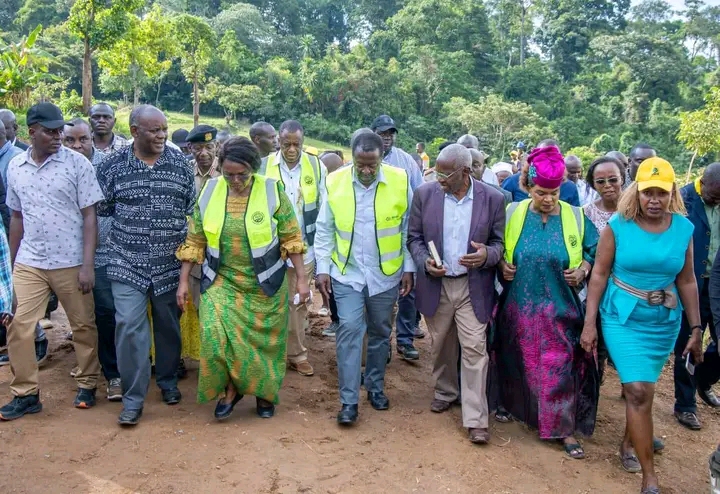
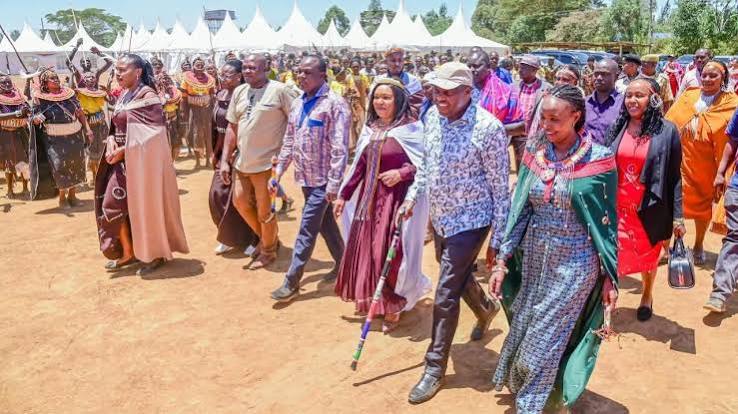
Interior and National Administration Principal Secretary (PS) Dr. Raymond Omollo has called on Kenyans to strengthen environmental conservation, increase tree planting and protect existing forests as the country intensifies efforts to address climate change. His message came during the 2026 Mazingira Day celebrations held on Saturday, October 10, at Lambwe Forest in Homa Bay County.
During the event, Omollo emphasised that planting trees should not be treated as a one-day activity but as a long-term responsibility involving communities, schools, government agencies and other stakeholders. He also highlighted the importance of protecting existing forests, nurturing seedlings to maturity and involving households and learning institutions in environmental conservation.The celebrations also provided an opportunity to reflect on education, particularly the role schools can play in environmental protection, the need for safe learning environments and the importance of ensuring that children receive quality education.
According to reports published by The Star and Citizen Digital on October 10, Omollo led a tree-planting exercise at Lambwe Forest, where approximately 6,000 indigenous tree seedlings had been planted by the time he addressed participants. Dr. Raymond Omollo used the Mazingira Day celebrations to call for greater public participation in environmental protection, saying the success of Kenya’s tree-growing programme depends on what happens after seedlings are planted.
The PS made the remarks at Lambwe Forest in Homa Bay County, where he led environmental conservation activities under the Presidential Green Challenge. The exercise brought together government representatives and other participants to support the national campaign to increase tree cover and restore degraded landscapes.One of the major highlights of Omollo’s activities was the planting of approximately 6,000 indigenous tree seedlings at Lambwe Forest. According to Citizen Digital, another 92,000 seedlings had been earmarked for planting in an identified plantation area.
The exercise demonstrated the importance of restoring indigenous vegetation, protecting forest ecosystems and encouraging communities to take part in environmental conservation.
Indigenous trees can provide habitats for wildlife, help protect soil from erosion and contribute to the preservation of local ecosystems. Depending on the species and location, trees can also improve water infiltration, provide shade and support biodiversity.Omollo highlighted the environmental challenges facing Homa Bay County, where forest cover remains relatively low despite years of tree-planting efforts.
According to figures reported during the celebrations, Homa Bay had planted approximately 25 million seedlings since 2022. However, the county's forest cover stood at 3.18 per cent, while its overall tree cover was reported at 10.4 per cent.
The figures point to the need for continued investment in forest restoration and better protection of existing trees.Beyond environmental conservation, Omollo has repeatedly spoken about the importance of education in improving opportunities for young people and supporting national development.
Although the principal focus of his October 10 Mazingira Day activities was environmental conservation, he also addressed concerns related to education, particularly the safety of learners during the national examination period.Omollo has described education as an important tool for social mobility and economic development.
In remarks reported by the Kenya News Agency in June, he pointed to the increase in education spending under President William Ruto’s administration.
The government’s proposed 2026/2027 financial-year budget allocated KSh784 billion to the education sector, according to reporting published in June 2026. The proposed allocation covered different areas, including basic education, higher education, technical and vocational education, science and research.Teacher availability remains an important concern as Kenya continues implementing the Competency-Based Education framework and expanding Senior School.
Omollo has previously highlighted teacher recruitment as part of the government's efforts to strengthen the education system.
The recruitment of additional teachers can help address shortages, reduce pressure on existing staff and improve the attention learners receive in classrooms.Omollo has repeatedly called for collaboration between government, parents, school administrators, community organisations and other stakeholders to improve learning environments.
His position is that children should not be denied opportunities because they attend schools in rural areas or institutions with limited resources.One of the most recent examples of Omollo’s involvement in education concerns students at Kanyamfwa Secondary School in Homa Bay County.
According to the Kenya News Agency on September 29, 2026, Omollo pledged to clear outstanding school fee balances to prevent learners from being sent home because of unpaid fees.
The report indicated that Form Four students had accumulated fee arrears exceeding KSh400,000, while learners in lower classes and junior school had outstanding balances exceeding KSh200,000.Another important aspect of Omollo’s education message concerns the safety of learners.
During the October 10 Mazingira Day activities in Homa Bay, he warned residents to prepare for possible heavy rainfall during the October-to-December season.
He highlighted the risk of flooding disrupting transport and preventing some candidates from reaching examination centres.Omollo urged parents, teachers and examination officials to prioritise students’ safety, particularly where flooded roads or rivers could expose children to danger. He also called for appropriate arrangements where adverse weather made it difficult for candidates to access examination centres.
The warning highlights a challenge facing schools in areas that experience flooding during heavy rainfall.
When roads become impassable, students may arrive late, miss examinations or face dangerous journeys. Schools and examination officials therefore need to monitor weather conditions, communicate with parents and coordinate with relevant authorities.Omollo has also emphasised the importance of discipline, mentorship and parental involvement in education.
In remarks reported during a school prize-giving ceremony at Chinga Boys Senior School in Nyeri County in June 2026, he urged learners to avoid drug and substance abuse, bullying and other behaviours that can undermine academic progress and personal development. The themes raised by Omollo during Mazingira Day and in his wider education engagements point to two interconnected national priorities: environmental sustainability and investment in young people.
Environmental conservation can support communities by protecting ecosystems, improving landscapes and strengthening resilience to climate-related challenges. Education, meanwhile, gives young people knowledge and skills that can help them contribute to economic and social development.Schools can bring these priorities together by incorporating tree-growing activities, environmental education and practical conservation into their programmes.
A learner who understands the importance of protecting forests can carry that knowledge into adulthood, influencing household practices and community decisions.
Likewise, improving school infrastructure and ensuring access to teachers can help prepare students for careers in agriculture, environmental management, science, technology and other fields that contribute to sustainable development

You Might Also Like
-
kenya’s amos kipruto has won the 2026 chicago marathon in a personal best time of 2:01:09, securing a major international title after finishing third in 2024 and second in 2025. his victory further cements kenya’s reputation as a global powerhouse in long-distance running.
-
Musalia Mudavadi's engagements in Vihiga County have highlighted the government's stated commitment to education, agriculture, infrastructure, land ownership and community development. His latest activity on October 10, 2026, was the groundbreaking ceremony for a Sh9 million dormitory at Kaimosi Com
-
President William Ruto’s attendance at St Mark’s Catholic Church in Matunda, Likuyani, on Sunday, October 11, 2026, combined a personal message of gratitude with political remarks and development announcements. His recollection of meeting his wife’s family in Likuyani offered a personal conne
-
A 35-year-old woman and her 15-year-old daughter are fighting for their lives at kerugoya referral hospital following a hippopotamus attack in kiumbu village, mwea, kirinyaga county. the incident raises fresh concerns over human-wildlife conflict and the safety of communities living near wildlife ha
-
Busia governor paul otuoma has praised president william ruto and ugandan president yoweri museveni for their efforts to improve road infrastructure along the kenya-uganda border. he says better roads will strengthen cross-border trade, ease the movement of people and goods, reduce transport challen
-
Laikipia county has brought together diverse communities through a cultural tourism festival aimed at celebrating heritage, promoting peaceful coexistence and boosting tourism. the event showcased traditional music, dance, food, clothing and indigenous knowledge while highlighting opportunities for