Public Health Principal Secretary Mary Muthoni Urges Kenyans to Learn How Ebola Spreads and Adopt Preventive Measures
Public Health Principal Secretary Mary Muthoni urges Kenyans to understand how Ebola spreads, recognise its symptoms and observe recommended preventive measures. She emphasises the importance of personal hygiene, early medical attention and sharing accurate health information to protect families and communities. Kenyans are encouraged to avoid contact with bodily fluids of suspected cases, seek medical attention if they develop symptoms after possible exposure, avoid spreading rumours and follow official Ministry of Health advisories to help prevent the spread of the disease and keep themselves and their loved ones safe.
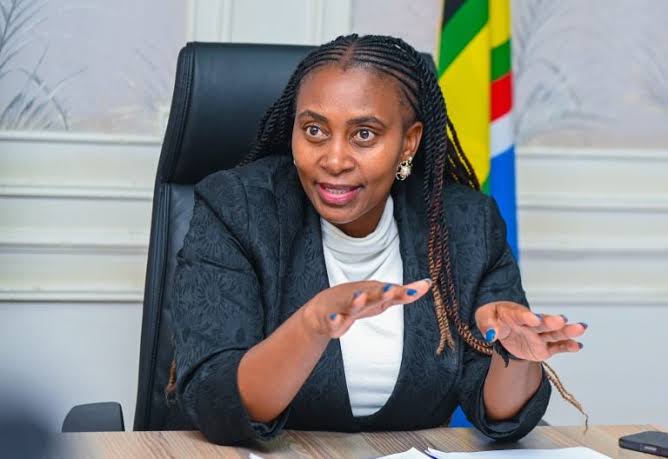
Public Health Principal Secretary Mary Muthoni has urged Kenyans to familiarise themselves with how Ebola spreads, recognise possible risks and observe recommended preventive measures to protect themselves, their families and the wider community from the deadly disease.
The message highlights the importance of public awareness, early identification of symptoms and responsible health practices as authorities continue to emphasise the need for vigilance against Ebola. By understanding how the virus is transmitted, members of the public can make informed decisions and take practical steps to reduce the risk of infection.
Public education remains an important component of disease prevention, particularly when communities are concerned about the possibility of an outbreak. Health officials have consistently emphasised that accurate information helps prevent unnecessary panic while encouraging people to seek medical assistance when they experience symptoms associated with serious infectious diseases.
Mary Muthoni's message encourages Kenyans to take personal responsibility for their health and to understand that protecting themselves also contributes to the safety of their families and communities.
Understanding how Ebola spreads
Ebola is a severe viral disease that can cause serious illness and death. The virus is primarily transmitted through direct contact with the blood or other bodily fluids of an infected person who is showing symptoms, or through contaminated objects such as clothing, bedding and medical equipment.
The disease can also spread through contact with the bodies of people who have died from Ebola, particularly during funeral preparations and burial practices that involve handling the deceased.
Health experts explain that Ebola is not generally transmitted through the air in the same way as common respiratory infections such as influenza. Instead, transmission usually occurs when infectious bodily fluids come into contact with broken skin or the mucous membranes of the eyes, nose or mouth.
Understanding these routes of transmission is essential because it enables individuals to identify risky situations and avoid unnecessary exposure.
People who provide care to sick relatives, healthcare workers and individuals involved in handling the bodies of deceased patients may face an increased risk if appropriate protective measures are not followed.
Members of the public are therefore encouraged to avoid direct contact with suspected or confirmed Ebola patients unless they are trained and equipped to provide care safely.
Recognising the symptoms of Ebola
Another important aspect of public awareness is knowing the symptoms associated with Ebola and understanding when to seek medical attention.
The disease may begin with symptoms such as fever, severe headache, muscle pain, weakness, fatigue, sore throat and general body discomfort. As the illness progresses, some patients may experience vomiting, diarrhoea, abdominal pain and unexplained bleeding.
However, these symptoms are not unique to Ebola and may also occur in other illnesses, including malaria and other infections common in Kenya.
For this reason, members of the public should avoid diagnosing themselves or assuming that every fever is an indication of Ebola.
Instead, people who develop symptoms and believe they may have been exposed to the virus should contact a healthcare provider or the relevant public health authorities promptly for professional assessment and guidance.
Early medical evaluation allows health professionals to determine the appropriate course of action and establish whether further testing, monitoring or isolation is necessary.
Individuals should also provide accurate information about their symptoms, recent travel and possible contact with someone suspected of having the disease.
Such information can help healthcare workers assess the level of risk and take appropriate measures to protect patients, medical personnel and other members of the community.
The importance of personal hygiene
Maintaining good hygiene is an important part of preventing the spread of infectious diseases.
Kenyans are encouraged to wash their hands regularly with soap and running water, particularly after visiting public places, using toilets or caring for sick people.
Where appropriate, alcohol-based hand sanitisers can provide an additional option when soap and water are unavailable, although they should not replace recommended infection-control procedures when dealing with suspected Ebola cases.
People should also avoid touching bodily fluids, blood or contaminated materials without appropriate protection.
Households caring for sick individuals should seek professional medical guidance instead of attempting to manage suspected Ebola cases without the necessary training and protective equipment.
Cleaning and disinfection should be carried out using appropriate methods, particularly where contamination with bodily fluids is suspected.
Healthcare facilities must also maintain strict infection-prevention procedures, including the proper use of personal protective equipment, safe handling of medical waste and appropriate cleaning of equipment and surfaces.
These measures help reduce the possibility of transmission and protect both healthcare workers and patients.
Protecting families and communities
Mary Muthoni's message places emphasis on protecting not only individuals but also their loved ones and the wider community.
Families can contribute to disease prevention by sharing verified health information, avoiding risky contact and seeking professional assistance when necessary.
Parents and guardians are encouraged to explain basic hygiene practices to children and discourage them from handling unknown substances or coming into contact with bodily fluids.
Community members should also be cautious about information shared through social media platforms, messaging applications and informal conversations.
False information about Ebola can create unnecessary fear, encourage discrimination against affected individuals and discourage people from seeking medical care.
Kenyans are therefore encouraged to rely on official announcements from the Ministry of Health, qualified healthcare professionals and recognised public health organisations.
Community leaders, teachers, religious institutions and local organisations can also help spread accurate information by encouraging people to follow established health guidance.
Public awareness campaigns are particularly important because misinformation can spread rapidly during periods of uncertainty.
By sharing reliable information and following recommended precautions, communities can contribute to a coordinated public health response.
Avoiding stigma and misinformation
Health experts also emphasise the importance of treating people suspected of having Ebola with dignity and respect.
Individuals who report symptoms or seek medical assessment should not automatically be regarded as confirmed cases. Only appropriate medical evaluation and testing can establish whether someone has the disease.
Stigmatising individuals because of their symptoms, travel history or suspected exposure may discourage them from reporting illness or seeking assistance.
Such behaviour can make disease surveillance more difficult and potentially increase risks for families and communities.
Instead, the public should encourage anyone experiencing concerning symptoms to obtain medical advice promptly.
Information shared online should also be checked carefully before being forwarded to other people. Unverified claims about travel restrictions, school closures, hospital operations or the spread of the disease can create confusion.
When official public health guidance changes, Kenyans should follow the latest instructions issued by the relevant authorities rather than relying on rumours.
The role of healthcare workers
Healthcare workers play a critical role in detecting, managing and preventing the spread of Ebola.
Medical personnel must follow established infection-prevention protocols when assessing patients who may have been exposed to the virus.
These procedures include using appropriate protective equipment, maintaining safe patient-care practices and ensuring that suspected cases are handled through the recommended medical channels.
Healthcare facilities also need effective systems for identifying patients who may require further assessment and for notifying public health authorities when necessary.
Training and preparedness are essential to ensure that medical personnel can respond appropriately to suspected cases while protecting themselves and other patients.
Members of the public can support healthcare workers by providing accurate information, following medical instructions and avoiding attempts to bypass established procedures.
Anyone concerned about possible exposure should contact the appropriate health services for guidance on the next steps.
Why early reporting matters
Early reporting of suspected Ebola cases is an important part of controlling the disease.
When a person seeks medical attention promptly, health professionals can assess the symptoms, investigate possible exposure and determine whether testing or additional precautions are required.
Where a case is confirmed, public health teams may identify individuals who had contact with the patient and assess whether they need monitoring or other interventions.
Contact tracing helps authorities understand possible transmission pathways and identify people who may require further evaluation.
Individuals identified as contacts should cooperate with health officials and follow the instructions provided to them.
They should also report any symptoms that develop during the monitoring period.
These measures help public health teams respond quickly and reduce the possibility of further transmission.
However, people should not assume that every person who has travelled to an affected area or encountered someone who is unwell has contracted Ebola. Risk assessments must be based on the nature of the exposure and professional public health guidance.
Staying informed and prepared
Public health preparedness depends on cooperation between government agencies, healthcare providers and members of the public.
Authorities are responsible for communicating accurate information, strengthening disease surveillance and ensuring that suspected cases can be assessed through appropriate medical systems.
At the community level, individuals can contribute by observing hygiene practices, avoiding contact with infectious bodily fluids and reporting concerning symptoms through the recommended channels.
Schools, workplaces, public transport operators and community organisations can also support prevention efforts by sharing verified information and promoting responsible health practices.
Preparedness should be based on facts rather than fear. Understanding how Ebola spreads allows people to recognise genuine risks and take proportionate precautions without unnecessarily disrupting their daily lives.
Kenyans should also remember that prevention requires consistent attention to recommended health practices, particularly when dealing with suspected infectious diseases.
A call for collective responsibility
Mary Muthoni's awareness message serves as a reminder that protecting public health requires both individual responsibility and collective action.
Knowing how Ebola spreads, recognising its possible symptoms and understanding when to seek medical attention can help individuals make safer decisions.
Families and communities can further reduce risks by sharing accurate information, avoiding unsafe contact and cooperating with healthcare professionals.
The public is encouraged to remain alert, follow official health advisories and seek professional guidance whenever there is a credible concern about possible exposure.
Ultimately, awareness is an important first step in disease prevention. By staying informed and following recommended precautions, Kenyans can help protect themselves, support vulnerable members of society and contribute to efforts aimed at preventing the spread of Ebola.
Note: This article is an expanded public health awareness piece based on the message provided. It does not establish that Mary Muthoni made each of the detailed statements above, nor does it independently verify current Ebola case numbers or outbreak conditions. For the latest situation and official guidance, consult Kenya's Ministry of Health.

You Might Also Like
-
KTDA is prioritising investments in technology and infrastructure to improve tea storage, streamline trading operations and enhance efficiency across its managed factories. The plan aims to strengthen tea marketing systems, improve operational performance and maximise returns for smallholder farmers
-
 The October 17, 2026, Enkaputi ceremony in Narok County became a platform for a renewed discussion about national cohesion after Defence Cabinet Secretary Soipan Tuya called on Kenyans to look beyond ethnic labels and embrace one another as brothers and sisters. Her message emphasised cultural dive
 -
Interior Principal Secretary Raymond Omollo's stated commitment to modernising school infrastructure reflects the wider national objective of improving the quality of education and expanding opportunities for Kenyan learners. Examples such as the Wajir High School upgrade and the reconstruction of
-
Kenya's confirmation of seven Ebola cases on October 17, 2026, represents a serious public health development that requires sustained attention. At the same time, the reported achievement of tracing 128 out of 130 identified contacts demonstrates substantial progress in locating people who may have
-
The Ministry of Health has reassured Kenyans amid growing concerns over a possible nationwide lockdown following the confirmation of seven Ebola cases in the country. Health officials say containment measures, including early detection, isolation of confirmed patients, contact tracing and quarantine
-
The Kenya Medical Practitioners, Pharmacists and Dentists Union (KMPDU) has raised concerns over its alleged exclusion from the Ministry of Health’s Ebola preparedness and response efforts as confirmed cases in Kenya rise to seven. KMPDU Secretary-General Dr Davji Atellah is calling for greater in