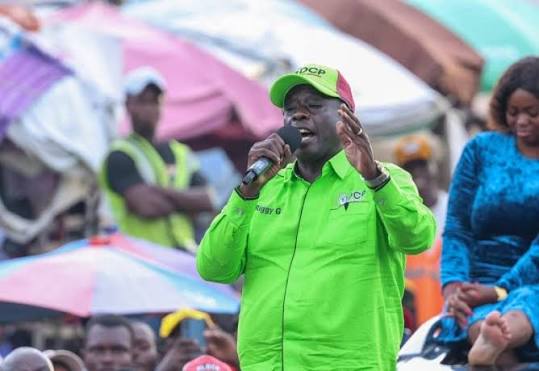
RIGATHI GACHAGUA TAKES AIM AT PRESIDENT RUTO, QUESTIONS HIS COMMITMENT TO EMPOWERING YOUNG LEADERS IN KENYA
Former Deputy President Rigathi Gachagua has accused President William Ruto of hypocrisy over his remarks on youth leadership and political opportunities. Gachagua questioned the President’s commitment to empowering young politicians, arguing that his statements should be reflected in actual leadership decisions. The criticism has reignited debate over the role of young people in Kenya’s political landscape. The former Deputy President insists that emerging leaders deserve meaningful opportunities to participate in decision-making. His remarks come amid growing political differences between him and President Ruto. The disagreement also highlights concerns about generational leadership and political inclusion. As Kenya approaches the 2027 General Election, youth representation is increasingly becoming a major political talking point. Young politicians continue to call for greater space within established political parties. The exchange between the two leaders adds to the ongoing political contest ahead of the next polls.
Former Deputy President Rigathi Gachagua has accused President William Ruto of hypocrisy following the Head of State’s reported remarks that young leaders are being denied opportunities to take up leadership positions. Gachagua questioned the President’s position on youth leadership, arguing that his comments do not reflect the political realities and leadership decisions witnessed under the current administration.
The former Deputy President’s remarks have added another dimension to the ongoing political exchanges between him and President Ruto, with the question of leadership opportunities for young people emerging as a subject of debate. The disagreement comes at a time when political leaders across the country are increasingly discussing generational leadership, political inclusion and the role of young people in shaping Kenya’s future.
Gachagua’s criticism centres on what he considers a contradiction between the President’s public statements and his approach to political leadership. By accusing Ruto of hypocrisy, the former Deputy President is challenging the Head of State to demonstrate through his actions that he supports the participation of younger politicians in leadership and decision-making.
The exchange also highlights the growing debate over the place of young politicians in Kenya’s political landscape. Young people form a significant part of the country's population and have increasingly expressed interest in participating in elective politics, public administration and national decision-making. However, questions remain about the opportunities available to them, particularly within established political parties and leadership structures.
President Ruto has previously positioned himself as a leader who supports the empowerment of young people, frequently highlighting the importance of giving the younger generation opportunities to participate in national development. His administration has also placed youth empowerment among its public priorities, with discussions around employment, entrepreneurship, education and access to economic opportunities forming part of its broader agenda.
However, Gachagua's latest criticism suggests that the debate should go beyond public declarations and focus on how political leaders create opportunities for emerging leaders. His accusation places the President's statements under scrutiny, particularly regarding whether young politicians are given meaningful opportunities to influence political decisions and participate in leadership structures.
The disagreement reflects a broader challenge facing Kenya's political establishment, where the relationship between experienced politicians and younger leaders continues to attract attention. While experienced politicians often argue that leadership requires preparation, experience and political understanding, younger politicians have increasingly called for space to participate in decision-making rather than remaining supporters of established political figures.
The question of generational transition has become particularly significant as Kenya approaches another election cycle. Political parties are expected to play a central role in identifying and supporting candidates seeking elective positions, making internal party structures an important part of the conversation about youth participation.
For many young politicians, securing a political position involves navigating party nominations, campaign financing, political alliances and competition against established figures. These challenges have continued to raise questions about whether the country's political environment provides a fair opportunity for new leaders to emerge.
Gachagua's remarks have therefore brought attention to the responsibility of senior political figures in creating an environment where younger politicians can compete and contribute. The former Deputy President's criticism also underscores the importance of consistency in political leadership, particularly when leaders publicly advocate for inclusion and equal opportunities.
The exchange between the two leaders comes against the background of their increasingly strained political relationship. Their political differences have continued to attract public attention, with disagreements touching on leadership, governance, political representation and the direction of the country.
The relationship between Ruto and Gachagua changed significantly after their fallout, which eventually led to Gachagua's removal from the office of Deputy President in October 2024. Since then, the two leaders have continued to occupy different political positions, with their public statements frequently reflecting their contrasting perspectives on the country's political affairs.
Their latest disagreement over youth leadership adds to the wider political conversation about who should shape Kenya's future leadership. It also raises questions about whether the country's political institutions are prepared to accommodate a new generation of leaders while maintaining the experience and institutional knowledge required to govern effectively.
Political observers have continued to pay attention to the role of younger politicians in the country's changing political environment. The growing participation of young people in public discussions, political mobilisation and civic activities has demonstrated their interest in influencing decisions that affect their lives.
Nevertheless, participation in political conversations does not always translate into access to influential leadership positions. Many young people continue to face challenges associated with limited financial resources, party nomination processes and competition from politicians who have established strong political networks over the years.
The debate also raises the question of mentorship and political succession. Senior politicians can play an important role in preparing emerging leaders by providing guidance, sharing experience and supporting their participation in political institutions. At the same time, young leaders require opportunities to demonstrate their abilities and independently contribute to national discussions.
As the country moves closer to the 2027 General Election, the question of youth representation is likely to remain an important subject in political debates. Political parties and their leaders will face growing expectations to demonstrate how they intend to involve younger generations in their leadership structures and electoral processes.
For President Ruto, the discussion presents an opportunity to explain how his administration and political movement intend to support emerging leaders. For Gachagua, the criticism places emphasis on the need to examine the difference between public statements supporting young politicians and the actual opportunities available to them.
The disagreement also demonstrates how the question of youth leadership has become part of the broader political contest between leaders seeking to influence the country's political direction ahead of the next election.
Beyond the differences between Ruto and Gachagua, the issue remains relevant to millions of young Kenyans who want to participate in leadership and contribute to national development. Their concerns include access to employment, economic opportunities, quality education, representation and the ability to influence policies that directly affect their future.

You Might Also Like
-
Kenya is moving closer to being declared Ebola-free following the recovery and discharge of all nine confirmed patients who tested positive for Bundibugyo Virus Disease. Health Cabinet Secretary Aden Duale has confirmed that the final 11 contacts also completed their mandatory 21-day monitoring peri
-
Kenyan tea farmers and exporters are expected to benefit from renewed business opportunities following Sudan’s decision to lift its ban on tea imports from Kenya. The move paves the way for the resumption of tea shipments to the Sudanese market, which has traditionally been an important destinatio
-
Kenya has made a major breakthrough in its fight against the Ebola virus after Health Cabinet Secretary Aden Duale announced that the last patient receiving treatment for the disease had been discharged from hospital. The announcement marks an important milestone in the country's efforts to contain
-
The destruction of two classrooms at the school in Tilito village, Kipkelion East Constituency, following heavy rainfall and strong winds has left residents concerned about the future of learning facilities in their community. The incident, which occurred on November 9, 2026, also affected the schoo
-
Prime cabinet secretary Musalia Mudavadi opens national forum on county public service boards.His call for merit-based recruitment, performance-based promotions, independent public service boards and proper wage-bill management highlights the need for stronger human resource systems across all 47 co
-
Deputy President Kithure Kindiki has officially commissioned the Sh52 million Rabai Huduma Centre in Kilifi County, in a move aimed at bringing essential government services closer to residents while creating new opportunities for young people. During the launch, Kindiki announced plans to equip the