ROADS PROJECTS FACE DELAYS AS KENYA GRAPPLES WITH KSH255 BILLION FUNDING SHORTFALL
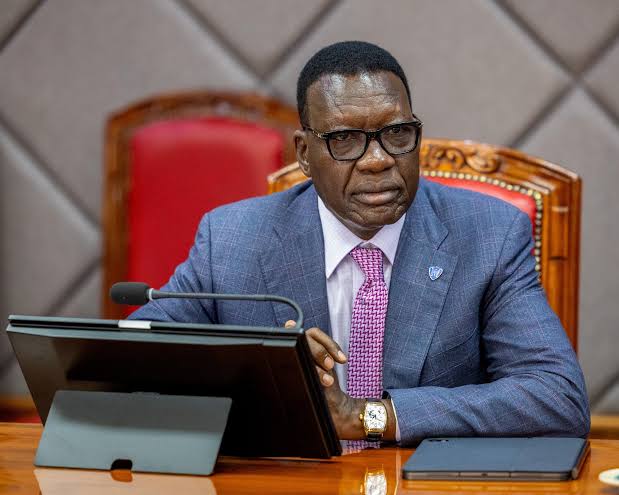
Roads and Transport Cabinet Secretary Davis Chirchir has raised concerns over a KSh255 billion funding shortfall facing the State Department for Roads in the 2027/28 financial year. Speaking before the National Assembly Transport Committee, Chirchir warned that failure by the National Treasury to bridge the funding gap could delay ongoing and planned road projects across the country. He further cautioned that inadequate funding could trigger a fresh accumulation of pending bills, affecting contractors and disrupting infrastructure development. The department is now calling for additional financial support to ensure continuity in road construction, rehabilitation and maintenance programmes. The funding challenge comes amid growing demands for improved road networks to support economic activities, ease transportation and strengthen connectivity across the country.
The State Department for Roads has raised concerns over the possible delay in the implementation of major road infrastructure projects in the 2027/28 financial year, warning that a funding deficit amounting to KSh255 billion could significantly affect the progress of ongoing and planned developments across the country.
Roads and Transport Cabinet Secretary Davis Chirchir has cautioned that unless the National Treasury provides additional funding to address the financial gap, the government could struggle to implement its planned road development programmes within the expected timelines.
Speaking before the National Assembly's Transport Committee, Chirchir explained that the department requires additional resources to meet its financial obligations and sustain the implementation of various infrastructure projects. He warned that failure to bridge the funding shortfall could create serious challenges for the roads sector, including delays in project execution and a possible return of accumulated pending bills.
The Cabinet Secretary's remarks come at a time when infrastructure development remains a major component of the government's economic development agenda, with road construction and rehabilitation considered essential for improving connectivity, supporting businesses and facilitating the movement of goods and people.
According to the State Department for Roads, the KSh255 billion funding gap presents a significant challenge to the department's ability to meet its planned expenditure requirements during the 2027/28 financial year. Without the necessary financial support, several activities within the sector could experience disruptions, potentially affecting the timelines set for infrastructure development.
Chirchir told lawmakers that the availability of adequate funding would be critical in ensuring that road projects continue without unnecessary interruptions. He maintained that the Treasury's intervention would be necessary to prevent the financial challenges from affecting the implementation of government programmes.
The warning has brought renewed attention to the financial requirements facing Kenya's road infrastructure sector, particularly as the government continues to balance development priorities against competing demands on the national budget.
Road construction requires substantial financial resources, with projects involving several stages, including planning, procurement, construction, supervision and maintenance. Each stage requires consistent funding to ensure that contractors can undertake their responsibilities and that projects are completed within the agreed timelines.
When funding becomes insufficient, construction activities may slow down as contractors struggle to meet operational costs. In some circumstances, projects may be temporarily suspended, while others may take longer than initially anticipated to reach completion.
Such delays can have wider consequences beyond the construction sites because roads play an important role in supporting economic activities across different parts of the country.
For communities that depend on road infrastructure to access markets, schools, hospitals and other essential services, delayed projects can prolong transportation difficulties. Poor road conditions can also increase travel time, raise vehicle maintenance costs and make the transportation of agricultural produce more expensive.
The concerns raised by Chirchir therefore highlight the importance of ensuring that infrastructure projects are supported by reliable financial planning and adequate budgetary allocations.
One of the major issues highlighted by the Cabinet Secretary is the possibility of pending bills returning if the funding deficit is not addressed.
Pending bills arise when government institutions fail to settle payments for goods, services and completed works within the required period. In the roads sector, such obligations may involve payments owed to contractors and other service providers who have undertaken infrastructure-related assignments.
The accumulation of pending bills can create significant difficulties for construction companies, particularly those that depend on government contracts as their main source of income.
Contractors require regular payments to finance their operations, purchase construction materials, pay workers and maintain equipment. When payments are delayed, companies may experience cash-flow challenges that affect their ability to continue working on projects.
This can eventually slow down construction activities and affect the delivery of infrastructure projects across different regions.
The government also risks facing additional financial pressure when outstanding obligations continue accumulating over time. Settling delayed payments may become increasingly difficult, particularly when new budgetary demands emerge alongside existing financial commitments.
Chirchir's warning suggests that the State Department for Roads is keen to avoid a situation where insufficient funding creates another cycle of unpaid obligations and project delays.
The KSh255 billion shortfall therefore represents more than a budgetary concern, as its effects could extend to contractors, employees, suppliers and communities that depend on improved road infrastructure.
The National Treasury is expected to play a central role in determining how the funding gap can be addressed as the government prepares its financial plans for the 2027/28 financial year.
The Treasury faces the responsibility of distributing available public resources among various government departments while considering national development priorities and existing financial obligations.
However, the roads sector requires substantial allocations because infrastructure projects are often expensive and take several years to complete.
Maintaining adequate funding is particularly important for projects that are already underway, as interruptions can affect construction schedules and increase the overall cost of implementation.
When contractors are forced to suspend work because of financial difficulties, restarting projects may require additional resources and adjustments to the original implementation plans.
The department's warning comes at a time when Kenyans continue to expect improved road networks to support transportation, trade and access to essential services.
Across the country, road infrastructure remains a major concern for residents, particularly in rural and agricultural areas where poor connectivity can affect economic opportunities.
Farmers depend on reliable roads to transport their produce from farms to markets, while businesses require efficient transport networks to move goods between production centres and consumers.
In areas where roads are in poor condition, transportation costs can rise significantly, affecting the prices of goods and reducing the earnings of farmers and other traders.
Improved road infrastructure can help address some of these challenges by reducing travel time, lowering vehicle operating costs and creating better connections between communities and commercial centres.
Road development also plays an important role in attracting investment, as businesses often consider the availability of reliable transport networks when deciding where to establish operations.
For this reason, delays in infrastructure implementation could affect the wider economic benefits expected from road development programmes.
The funding challenge also raises questions about the government's ability to sustain infrastructure development while managing pressure on public finances.
As departments prepare their budgetary requirements, they must demonstrate how proposed allocations will support priority programmes and deliver value to taxpayers.
The State Department for Roads will therefore need sufficient financial resources to meet its obligations while ensuring that available funds are directed towards projects with the greatest development impact.
The warning by Chirchir also places renewed focus on the relationship between budget allocations and the actual implementation of government projects.
Although infrastructure plans may be announced and construction contracts awarded, their successful completion depends heavily on the availability of funds throughout the implementation period.
Without predictable financing, even projects that have already commenced can experience delays, creating uncertainty for contractors and communities awaiting improved infrastructure.
The Cabinet Secretary's appearance before the National Assembly Transport Committee provided an opportunity for lawmakers to understand the financial pressures facing the roads sector and the possible consequences of failing to address them.
Parliamentary committees play an important oversight role by examining government expenditure requirements, questioning officials and assessing whether proposed allocations are sufficient to support departmental programmes.
The Transport Committee is therefore expected to consider the concerns raised by the department as part of its scrutiny of infrastructure financing and government expenditure priorities.
The KSh255 billion funding deficit is likely to remain an important issue in discussions surrounding the roads sector's budgetary requirements for the coming financial year.
The government, addressing the shortfall could help protect ongoing projects, reduce the risk of accumulating pending bills and provide contractors with greater certainty regarding payments.
Failure to provide the necessary resources, however, could expose the department to financial and operational difficulties that may affect the delivery of planned infrastructure developments.
The situation also highlights the importance of proper coordination between the State Department for Roads and the National Treasury to ensure that budgetary commitments are aligned with the resources available.
As Kenya continues pursuing infrastructure development, the ability to finance projects consistently will remain a key factor in determining whether planned roads are delivered within their expected timelines.
Motorists, businesses and communities across the country, the progress of road construction projects remains important because reliable transport networks directly influence daily economic and social activities.
The coming financial year will therefore be significant for the roads sector as the government considers how to address competing financial demands while ensuring that infrastructure development does not lose momentum.
Chirchir has made it clear that the KSh255 billion funding gap must be addressed to prevent possible disruptions in project implementation and a renewed accumulation of pending bills.
The National Treasury's response will be crucial in determining whether the department receives the additional resources required to sustain its programmes.
As discussions over the 2027/28 financial year budget continue, attention will remain on how the government plans to bridge the funding deficit and protect infrastructure projects from possible delays.
The ultimate concern is ensuring that financial constraints do not undermine ongoing development programmes or deny communities the benefits expected from improved road connectivity.

You Might Also Like
-
The seven-day strike ultimatum issued by the Kenya Union of Clinical Officers on November 25, 2026, has placed the government, the Council of Governors and several county administrations under pressure to resolve longstanding labour disputes. KUCO is demanding full implementation of the January 28,
-
Aden Duale's meeting with Aga Khan University President and Vice-Chancellor Dr. Sulaiman Shahabuddin and Pakistan's Federal Health Minister Syed Mustafa Kamal in Karachi marks an important engagement in Kenya's efforts to strengthen international healthcare partnerships. The discussions focused on
-
Edwin Sifuna's engagement with Kenyans in the diaspora in Maryland, USA, marks an important part of the Linda Mwananchi Movement's international outreach programme ahead of the 2027 General Election.Through meetings with businesspeople, Maryland elected officials, Afri Thrive, women, the 6.25 Moveme
-
President William Ruto has held bilateral talks with German President Frank-Walter Steinmeier at State House, Nairobi, during his official visit to Kenya, with discussions focusing on strengthening diplomatic relations and expanding economic cooperation between the two countries. A key highlight was
-
The Kenya National Highways Authority (KeNHA) has announced temporary traffic disruptions at the Lower Kabete–Ndumbuini–Kapenguria–Uthiru Road Interchange from November 26 to December 31, 2026, to facilitate reconstruction works on ramps, loops and slip roads. The planned works are expected to
-
South African President Cyril Ramaphosa has secured a significant legal victory after the Western Cape High Court overturned a parliamentary panel report linking him to the controversial theft of $580,000 (approximately KSh75.5 million) from his Phala Phala game farm in 2020. The court declared the