



RUTO: KENYA WILL TAKE A STAKE IN DANGOTE REFINERY AND CONTRIBUTE ITS ASSETS
President William Ruto says Kenya will take a stake in the proposed Dangote East Africa Refinery and contribute its assets to the project, stressing that the country will invest and not expect anything for free.
President William Ruto has said Kenya will take an ownership stake in the proposed Dangote East Africa Refinery in Lamu and contribute its available assets to the multibillion-shilling project, stressing that the country is prepared to invest rather than expect to receive benefits for free.
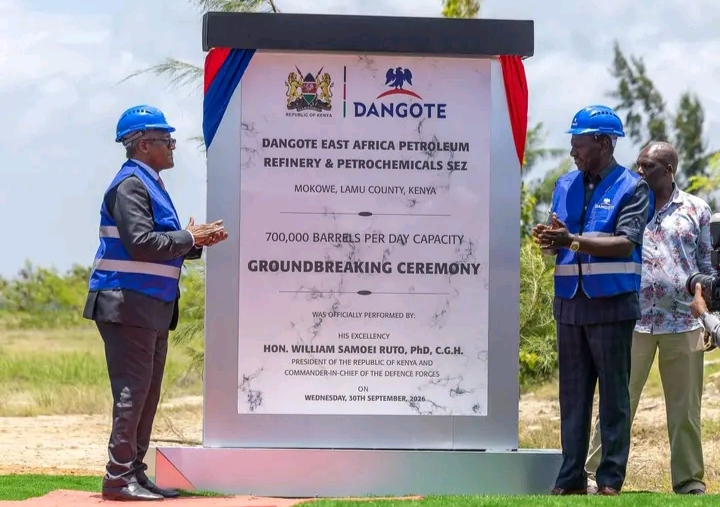
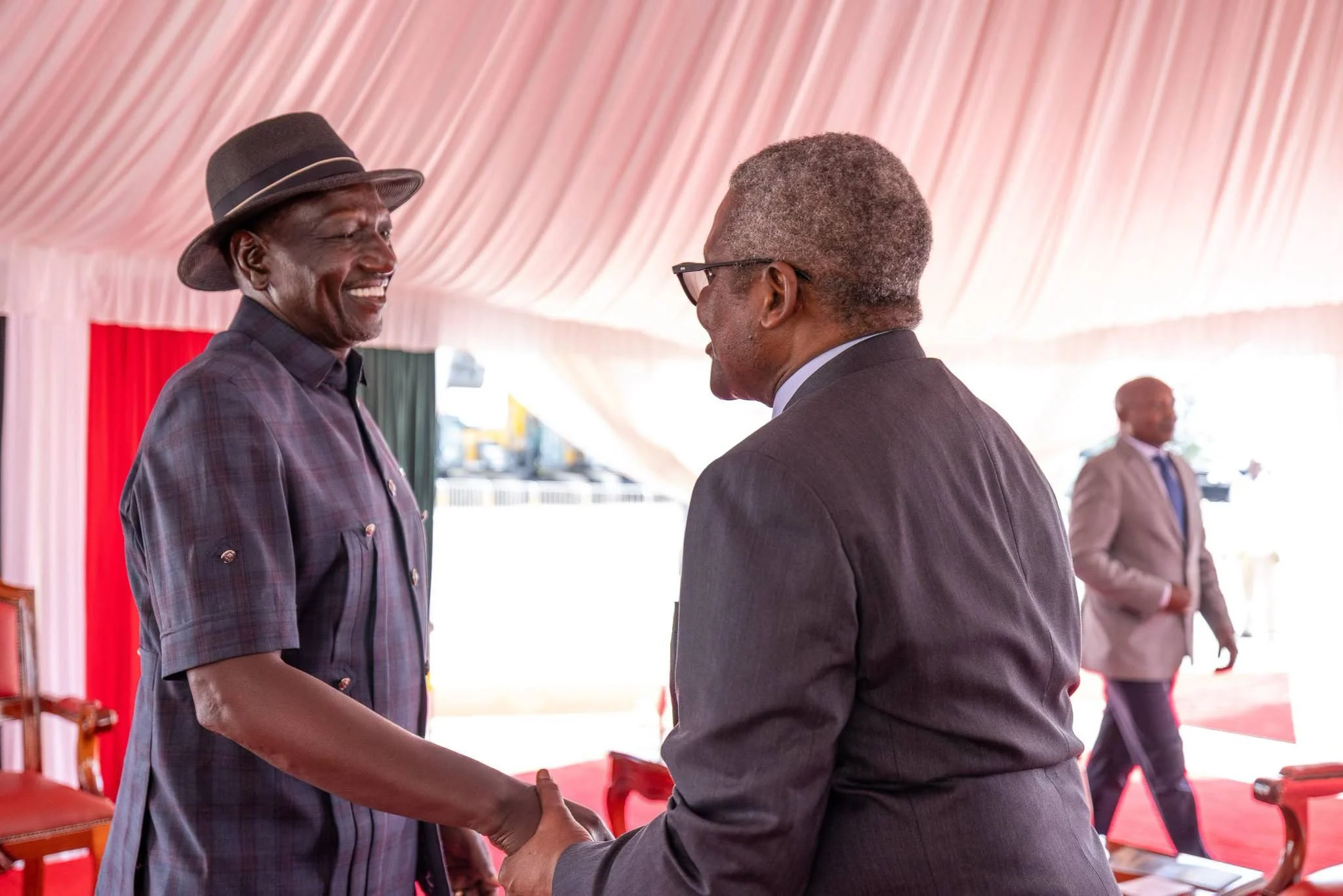
Speaking during the groundbreaking ceremony of the refinery in Lamu, President Ruto presented Kenya’s participation as part of a broader strategy to ensure that the country benefits directly from one of the largest industrial investments currently being undertaken in East Africa.
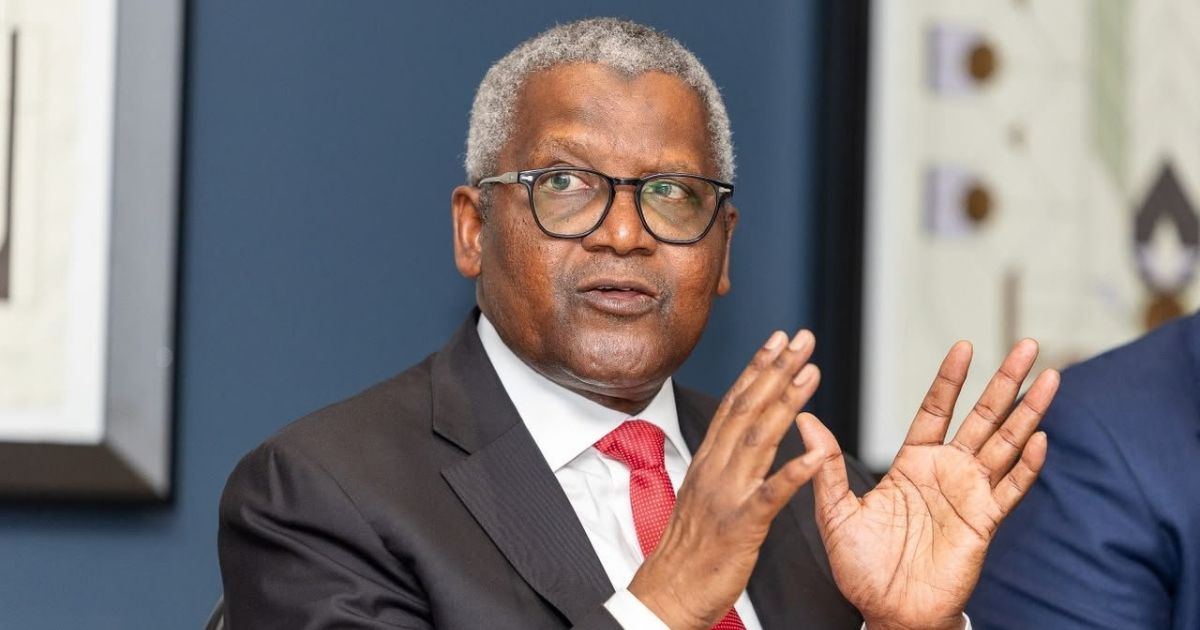
The proposed refinery, valued at about US$16 billion, equivalent to roughly KSh2.2 trillion, is expected to have a processing capacity of up to 700,000 barrels of crude oil per day once completed. The project is being developed by Nigerian industrialist Aliko Dangote and is expected to serve Kenya and other markets across the East African region.
Ruto said Kenya’s involvement would not be based on receiving a free allocation from the investor. Instead, the country would bring its own resources and assets into the partnership as part of its contribution.
The President's remarks underline the government's position that major infrastructure and industrial projects should create opportunities for the country to participate as an investor, rather than Kenya remaining only a consumer or host nation.
Kenya to take ownership stake
The question of ownership has become one of the major issues surrounding the Lamu refinery.
According to recent disclosures, East African governments have been offered a combined 30 percent stake in the project. Kenya has been allocated an initial 10 percent position, while other countries in the region have also expressed interest in participating. National Treasury Cabinet Secretary John Mbadi has said Kenya could increase its stake if other governments do not take up their allocations.
The proposed arrangement would give Kenya a direct financial interest in the refinery.
For the government, this could mean that Kenya participates in the project's future revenues and benefits from its growth rather than relying only on taxes, employment opportunities and economic activity generated by the facility.
The exact financial and commercial arrangements surrounding Kenya's participation have nevertheless attracted public attention, with questions being raised about how the country's stake will be financed and what assets will form part of its contribution.
President Ruto's position is that Kenya should be ready to put its own resources into the project.
His remarks also point to a broader approach in which government-owned infrastructure and other national assets could be used to support strategic investments where there is a clear commercial arrangement.
A major industrial project for Kenya
The Dangote refinery is being presented as more than an energy project.
With a planned capacity of 700,000 barrels per day, the facility would be among the largest refineries in Africa and would have the potential to significantly alter the region's petroleum supply chain.
The project is expected to produce refined petroleum products such as petrol, diesel and aviation fuel for Kenya and other regional markets.
At present, East African countries rely heavily on imported refined petroleum products. A large-scale refinery located on Kenya's coast could provide an alternative source of petroleum products while reducing the distance between the production facility and regional consumers.
Reuters reported that the refinery is intended to strengthen energy self-sufficiency across East Africa and reduce dependence on imported refined products.
For Kenya, the project could also strengthen the strategic importance of Lamu Port and the wider Lamu Port-South Sudan-Ethiopia Transport corridor, commonly known as LAPSSET.
The refinery would create an industrial anchor around which other businesses and investments could develop.
Why Kenya wants a stake
Kenya's decision to participate financially in the refinery reflects the government's desire to capture a larger share of the economic value generated by major investments.
Rather than simply providing land, infrastructure and a market for the refinery's products, the government wants Kenya to become an equity participant.
This distinction is important.
An ownership stake means Kenya would have a direct interest in the performance of the project. The country would therefore be participating in the business rather than merely facilitating it.
Treasury CS John Mbadi has indicated that Kenya could acquire additional shares if other East African countries fail to take up their allocated positions. He has also said individual Kenyan investors could potentially participate in the project.
There have also been discussions about allowing investors and participating governments to spread payments for their equity contributions over several years.
This could make it easier for countries to meet their financial obligations without having to provide the entire investment amount at once.
Kenya says it will not expect a free deal
Ruto's remarks that Kenya does not expect things for free are significant in the context of the proposed partnership.
The President is effectively framing the refinery as a commercial investment in which every participating party must make a contribution.
For Kenya, that contribution could include financial resources, infrastructure or other assets whose value can be incorporated into the country's investment.
The government has also argued that Kenya has already invested heavily in infrastructure that makes Lamu an attractive location for a major industrial project.
Lamu Port is one of the key pieces of infrastructure supporting the refinery's location. The port provides access to the Indian Ocean and is designed to accommodate large vessels.
The arrival of construction equipment at Lamu Port ahead of the groundbreaking demonstrated the logistical role the facility could play in the refinery's construction and eventual operations.
Potential economic impact
The refinery is expected to generate significant economic activity during construction and after it becomes operational.
Project reports indicate that tens of thousands of jobs could be created directly and indirectly, while additional businesses are expected to emerge around the refinery.
Aliko Dangote has also spoken about opportunities for local businesses and the creation of a new industrial ecosystem around the facility.
Construction workers, engineers, technicians, transport companies, suppliers, accommodation providers, food businesses and other service providers could all benefit from increased economic activity.
For Lamu, the project could represent a major shift from an economy traditionally associated with tourism, fishing and maritime activities toward a more diversified industrial and logistics economy.
The wider Coast region could also benefit if new infrastructure, businesses and investment follow the refinery.
Energy security and regional markets
One of the major arguments for the refinery is energy security.
East African countries spend significant amounts of foreign exchange importing petroleum products.
A refinery capable of processing hundreds of thousands of barrels of crude each day could provide a major source of refined fuel for regional markets.
The project is expected to serve not only Kenya but also other countries in East and Central Africa.
That regional market is important because the refinery's planned capacity is much larger than Kenya's current domestic fuel requirements.
Its long-term success will therefore depend on regional demand, crude supply and the ability to transport petroleum products efficiently across borders.
The facility could also strengthen Kenya's position as a regional energy and logistics hub.
Crude oil supply remains important
Despite the project's scale, questions remain about where enough crude oil will come from to operate a 700,000-barrel-per-day refinery at full capacity.
Kenya is preparing for increased oil production from its South Lokichar fields in Turkana, but its expected production levels would not be sufficient on their own to supply a refinery of this size.
The project would therefore require crude from several sources, including other African producers and international markets.
Reports have indicated that the refinery is being designed to handle a wider range of crude types, giving it flexibility in sourcing feedstock.
That flexibility could be important for maintaining operations and ensuring the refinery remains commercially viable.
The project and LAPSSET
The refinery is also expected to strengthen the economic case for the LAPSSET corridor.
LAPSSET was designed to connect the Kenyan coast with landlocked parts of East Africa, including Ethiopia and South Sudan.
A major refinery could generate substantial cargo, energy demand and industrial activity around the corridor.
This could encourage further investment in roads, pipelines, storage facilities, logistics centres and other infrastructure.
For Lamu, that could mean the emergence of an industrial zone surrounding the refinery and port.
The transformation, however, would depend on successful implementation, financing, infrastructure development and continued regional cooperation.
Public participation and concerns
The project has also faced concerns and legal challenges, particularly over land ownership and compensation.
Residents in Chandavai have challenged aspects of the development in court, while environmental and community concerns have also been raised.
The legal disputes remain part of the broader discussion surrounding the project, even as the government and Dangote Group have continued with the groundbreaking process.
These issues are important because major infrastructure projects require not only financial investment but also clear land arrangements, legal compliance and engagement with affected communities.
The government's approach to these concerns will therefore remain an important part of the refinery's development.
Kenya's opportunity to participate
President Ruto's remarks place emphasis on ownership and participation.
The government's position is that Kenya should not simply watch major investments take place within its borders. Instead, it should seek a commercial stake and contribute to projects that can generate long-term economic value.
The proposed 10 percent stake gives Kenya an opportunity to become directly involved in the refinery's ownership structure, while the possibility of increasing that stake could create additional opportunities if other regional governments do not take up their allocations.
At the same time, the public will continue to watch how the government finances its participation and what assets are ultimately included in Kenya's contribution.
Transparency over ownership, valuation, financing and expected returns will therefore remain central to the debate.
A wider African investment message
The Lamu refinery also carries a broader message about African investment.
Dangote has repeatedly promoted the idea of African-led industrialisation, with the refinery representing another major investment by an African entrepreneur in an African market.
The participation of East African governments would add another layer to that model by allowing countries in the region to become shareholders in a major industrial project.
For Kenya, the proposed stake could provide an opportunity to move beyond being a host country and become an active participant in the project's commercial future.
Looking ahead
The groundbreaking of the Dangote East Africa Refinery marks the beginning of a long construction process.
The project is expected to take several years to complete, with the promoters targeting completion around 2030. Reuters reports that the refinery is designed to process 700,000 barrels of crude per day and is intended to strengthen fuel supply across East Africa.
The coming years will determine whether the project achieves its ambitious economic and energy objectives.
For Kenya, the central issue will be ensuring that its contribution produces tangible and sustainable returns.
President Ruto's message is that Kenya will not seek a free ride. The country intends to bring its own assets and resources to the table and secure an ownership position in the refinery.
If successfully implemented, the proposed arrangement could give Kenya a direct role in one of the continent's most ambitious new energy investments.
The project therefore represents not only the construction of a refinery, but also a debate about how Kenya participates in major investments, how national assets are valued, and how the country can secure long-term economic benefits from strategic infrastructure.
As construction gets underway in Lamu, attention will increasingly shift from the groundbreaking ceremony to the practical questions of financing, ownership, construction, employment, crude supply, community interests and eventual operations.
For the government, the objective is clear: Kenya should have a stake in the project and contribute what it brings to the partnership.
For investors and the public, the focus will be on how that partnership is structured and whether it delivers the economic benefits being promised.

You Might Also Like
-
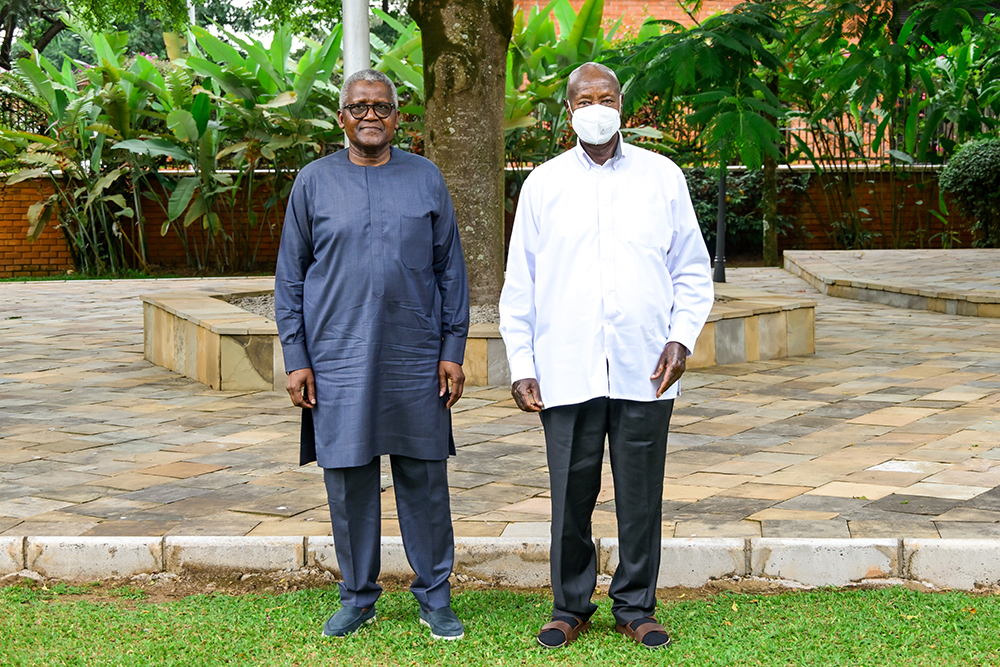
Ugandan President Yoweri Museveni has praised Aliko Dangote as an African investor committed to developing the continent, while criticising leaders he says prioritise foreign interests over African development.
-
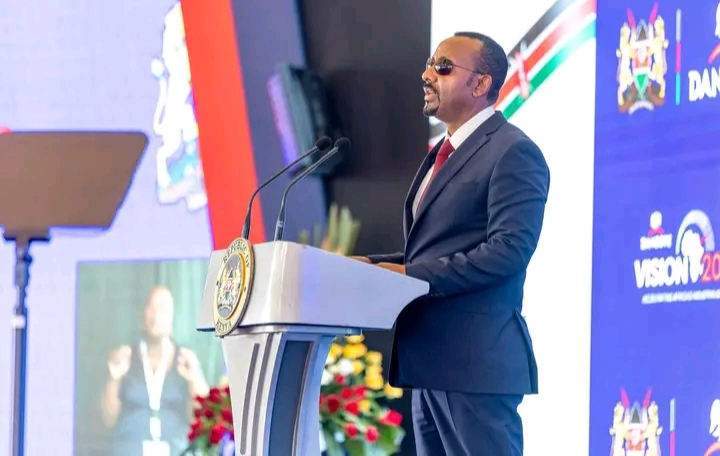
Prime Minister Abiy Ahmed's message during the Dangote East Africa Petroleum Refinery groundbreaking was centred on energy security, Ethiopia's access to additional fuel supplies, regional trade, industrialisation, investment and opportunities for young Africans. He described the Lamu refinery as a
-
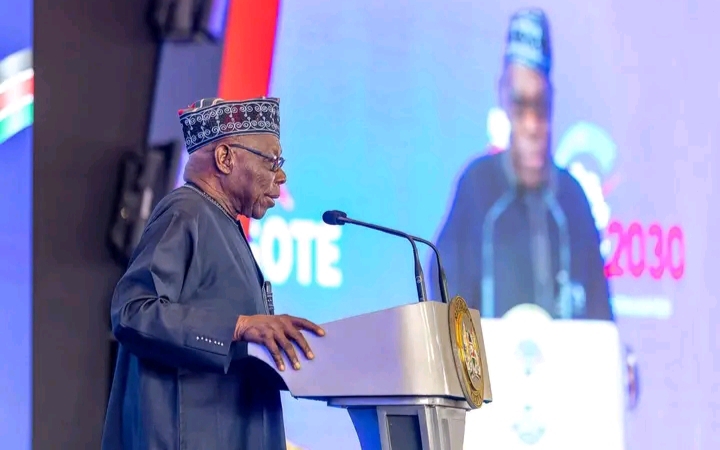
Former Nigerian President Olusegun Obasanjo's attendance at the September 30, 2026 groundbreaking of the Dangote East Africa Petroleum Refinery in Lamu added historical and continental significance to the ceremony. His presence alongside President William Ruto, Aliko Dangote and other African leader
-
President William Ruto's September 30, 2026 groundbreaking ceremony with Aliko Dangote marks a major new chapter in Kenya's energy and industrial development. The proposed Sh2.2 trillion, 700,000-barrel-per-day Dangote East Africa Petroleum Refinery is expected to supply petroleum products to Kenya
-
The EPRA report released on September 29 provides a broad assessment of Kenya's energy and petroleum sectors for the year ended June 30, 2026. Its findings show record electricity demand, increased generation, continued dominance of renewable energy, rising household electricity consumption, higher
-
Aliko Dangote says he is not intimidated by court challenges, maintaining that his team is ready to defend the proposed KSh2.2 trillion Lamu refinery through legal channels.