



Ruto and Kindiki Inspect Sh2 Trillion Lamu Oil Refinery Site Ahead of Historic Groundbreaking
President William Ruto and Deputy President Kithure Kindiki's presence in Lamu today marks an important stage in the proposed Dangote East Africa Oil Refinery, as Kenya moves from preparations to the construction phase of a project valued at roughly KSh2 trillion. With a planned capacity of about 700,000 barrels of crude oil per day, the refinery is expected to support petroleum supply, petrochemical industries, employment and regional trade. The arrival of nearly 3,000 tonnes of construction machinery at Lamu Port, the preparations at Manda Airport and Kindiki's arrival ahead of President Ruto all demonstrate the scale of today's event. At the same time, land and environmental concerns remain issues that will need to be addressed as the project advances. If construction proceeds according to schedule, the refinery is targeted for completion around 2030 and could become a significant part of Kenya's petroleum and industrial infrastructure.
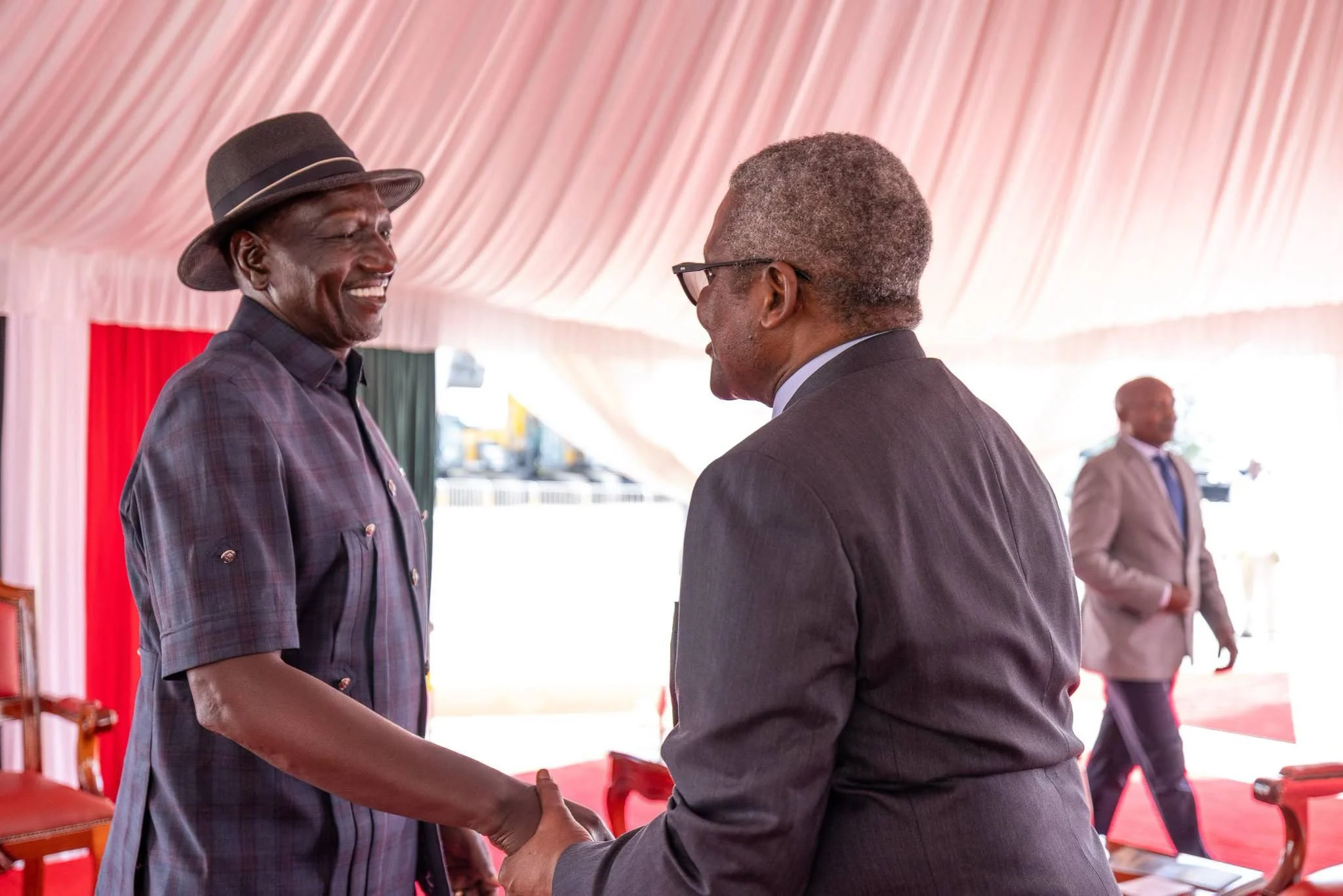
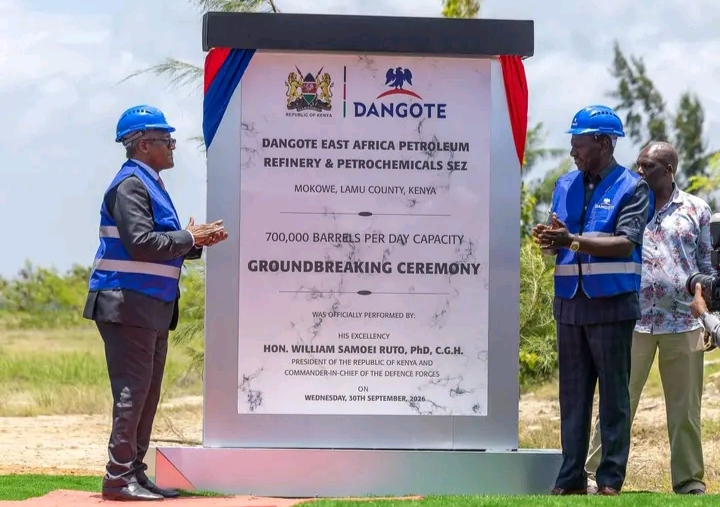
President William Ruto and Deputy President Kithure Kindiki have today been at the centre of preparations for the groundbreaking of the proposed Dangote East Africa Oil Refinery in Lamu, marking a major milestone in Kenya’s plans to expand its petroleum-processing capacity and strengthen its position as a regional energy and industrial hub.
Deputy President Kindiki arrived in Lamu earlier today ahead of the ceremony, with President Ruto expected to lead the official groundbreaking. Kindiki arrived at Manda Airport aboard a government flight and was accompanied by senior officials, including Defence Cabinet Secretary Soipan Tuya and Trade Cabinet Secretary Lee Kinyanjui.
The highly anticipated event is taking place on September 30, 2026, and brings together government officials, investors and other stakeholders for the launch of construction of the proposed refinery, which is being developed with the involvement of Nigerian industrialist Aliko Dangote.
Ruto leads government push for refinery
President Ruto has positioned the Lamu refinery as one of the major investments expected to contribute to Kenya's industrialisation and energy-security ambitions.
The President had earlier travelled to Nigeria, where he toured Dangote's existing refinery in Lagos on September 25. The visit gave him an opportunity to see the operations of the Nigerian facility before returning to Kenya for today's Lamu groundbreaking. The Lagos refinery has a processing capacity of about 700,000 barrels per day.
Ruto subsequently said the Kenyan project would help strengthen energy security, create employment and increase local value addition.
The proposed Lamu facility is expected to have a capacity of approximately 700,000 barrels of crude oil per day, placing it among the largest planned refining projects on the African continent. Reuters reported that the project is valued at about $16 billion, while Kenyan reports have placed its cost at around KSh2 trillion or slightly higher depending on the exchange rate and project valuation.
The project is therefore considerably larger than an ordinary infrastructure development. It is being presented as an integrated petroleum and petrochemical investment capable of supporting several industries around the refinery.
Kindiki's role in preparations
Deputy President Kithure Kindiki has been closely involved in preparations for today's groundbreaking.
Before travelling to Lamu, Kindiki chaired meetings to coordinate arrangements for the ceremony. He said the refinery would help position Kenya and East Africa as a petrochemical industrial hub and an energy logistics centre.
Kindiki also said the project could unlock economic opportunities in Lamu and the wider Coast region while creating employment. Earlier in September, he said the refinery was expected to create about 50,000 jobs, while President Ruto has referred to potential employment opportunities of about 60,000. The differing figures reflect projections associated with the wider project and its expected economic ecosystem.
Kindiki's arrival in Lamu today underlines the government's focus on ensuring that the event proceeds after months of planning, logistical preparations and consultations.
The Lamu County administration and national government agencies have also been preparing for a large gathering. The Kenya Airports Authority undertook improvements at Manda Airport ahead of the event, including runway improvements, construction of a passenger walkway and expansion of the aircraft parking apron.
Heavy machinery already arrives in Lamu
The groundbreaking comes at a time when preparations for actual construction have already moved beyond planning.
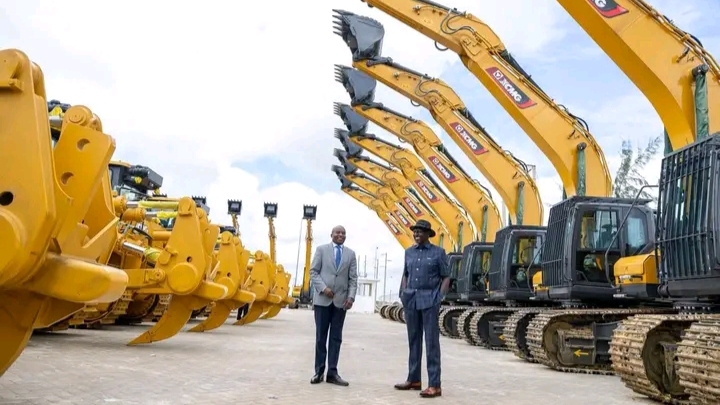
Earlier this week, the Port of Lamu received approximately 2,930 metric tonnes of heavy construction machinery and equipment aboard the vessel MV Da Yang. The arrival marked an important step towards physical mobilisation for the project.
The movement of heavy equipment through Lamu Port is also significant because it demonstrates the connection between the proposed refinery and the wider Lamu port and transport infrastructure.
The refinery is planned within the broader LAPSSET corridor, which is designed to connect transport, logistics, energy and industrial infrastructure across northern Kenya and the wider region.
If implemented as planned, the refinery could therefore become one component of a larger industrial ecosystem involving the port, roads, pipelines, storage facilities, petrochemical industries and other businesses.
Expected impact on Kenya's fuel sector
One of the central arguments behind the project is the potential to reduce East Africa's dependence on imported refined petroleum products.
Kenya currently relies heavily on imported refined fuels to meet domestic demand. A large refinery operating in Lamu could potentially allow crude oil to be processed closer to the markets where petroleum products are consumed.
Reuters reported that the refinery is intended to supply petroleum products to Kenya and other East African markets, while supporting efforts to reduce dependence on imported refined products and the foreign currency required to purchase them.
The project is also being linked to crude oil resources in the region, including Kenya's oil resources in Turkana, although the refinery's long-term crude supply arrangements will be important to its commercial viability.
Dangote has said the broader objective is to increase African refining capacity and reduce the continent's dependence on imported petroleum products.
Regional economic ambitions
The Lamu refinery is not being presented as a project serving Kenya alone.
Its proposed capacity and location are designed to enable it to serve petroleum markets across East and potentially other parts of Africa.
The East African region has a substantial and growing demand for fuel for transport, manufacturing, agriculture, aviation and other economic activities. A major refinery in Kenya could therefore become an important supplier if the project is completed and operates at the projected scale.
The government has also linked the project to the development of petrochemical industries. Such industries can produce or supply materials used in manufacturing, packaging, agriculture, construction and other sectors.
This means that the economic impact could extend beyond the direct jobs created during construction and refinery operations.
Lamu's strategic position
Lamu has increasingly become important in Kenya's long-term infrastructure and economic plans because of the LAPSSET corridor and the development of Lamu Port.
The proposed refinery adds another major component to that infrastructure network.
A refinery located near a deep-water port can potentially benefit from easier movement of crude oil, machinery and other petroleum-related materials. Finished petroleum products can also potentially be transported to domestic and regional markets through established transport networks.
The arrival of the first major shipment of construction machinery at Lamu Port has demonstrated how the port could support the refinery's construction phase.
Land dispute remains an important issue
Despite today's groundbreaking, the project continues to face legal and community concerns.
Residents have raised questions concerning land ownership, compensation and resettlement. On September 29, Reuters reported that Dangote Group said a Kenyan court ruling relating to a land-rights dispute would not prevent the groundbreaking ceremony, although it could affect some activities at the site.
The Malindi Environment and Land Court has ordered parties involved in a dispute over part of the project area to maintain the status quo pending further proceedings. The dispute involves claims by residents concerning ancestral land and compensation.
These legal and community issues will remain important as construction progresses. The eventual success of the project will depend not only on investment and engineering but also on compliance with legal requirements and the resolution of legitimate land and environmental concerns.
A major moment for Lamu
For Lamu County, today's groundbreaking represents a potentially transformative moment.
The refinery could create demand for local services, accommodation, transport, construction workers, suppliers and other businesses. It could also attract additional investments to the county if supporting industries are established around the facility.
Kindiki previously described the refinery as an investment capable of unlocking the economy of Lamu and the Coast region.
At the same time, the scale of the project means that its implementation will attract close attention from residents, environmental organisations, investors and regional governments.
What happens after today's groundbreaking?
The groundbreaking ceremony marks the formal beginning of a much longer construction process rather than the immediate completion of the refinery.
Reuters reports that the project is targeting completion by 2030. The coming years will involve construction of processing units, storage facilities, pipelines, supporting infrastructure and other components required for a refinery of its projected scale.
The government and investors will therefore have to maintain momentum beyond today's ceremony.
For President Ruto, the project forms part of a broader push to attract major private investment, expand industrialisation and improve Kenya's energy infrastructure. For Kindiki, today's appearance follows his role in coordinating preparations and communicating the government's expectations around the project.
For Lamu residents, the key questions will increasingly centre on employment, business opportunities, infrastructure improvements, compensation and the project's environmental and social impact.

You Might Also Like
-
President William Ruto says Kenya will take a stake in the proposed Dangote East Africa Refinery and contribute its assets to the project, stressing that the country will invest and not expect anything for free.
-
Ugandan President Yoweri Museveni has praised Aliko Dangote as an African investor committed to developing the continent, while criticising leaders he says prioritise foreign interests over African development.
-
Prime Minister Abiy Ahmed's message during the Dangote East Africa Petroleum Refinery groundbreaking was centred on energy security, Ethiopia's access to additional fuel supplies, regional trade, industrialisation, investment and opportunities for young Africans. He described the Lamu refinery as a
-
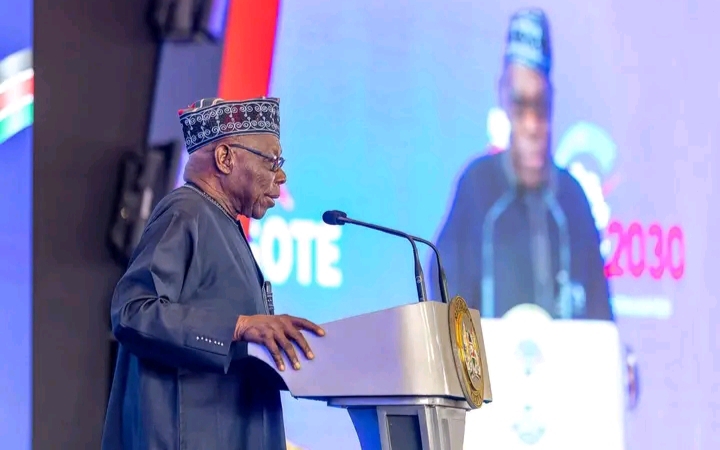
Former Nigerian President Olusegun Obasanjo's attendance at the September 30, 2026 groundbreaking of the Dangote East Africa Petroleum Refinery in Lamu added historical and continental significance to the ceremony. His presence alongside President William Ruto, Aliko Dangote and other African leader
-
President William Ruto's September 30, 2026 groundbreaking ceremony with Aliko Dangote marks a major new chapter in Kenya's energy and industrial development. The proposed Sh2.2 trillion, 700,000-barrel-per-day Dangote East Africa Petroleum Refinery is expected to supply petroleum products to Kenya
-
The EPRA report released on September 29 provides a broad assessment of Kenya's energy and petroleum sectors for the year ended June 30, 2026. Its findings show record electricity demand, increased generation, continued dominance of renewable energy, rising household electricity consumption, higher