



Ruto Announces Ban on Raw Material Exports, Says Minerals Must Be Processed Locally
President William Ruto has announced a new policy aimed at promoting local value addition. Under the plan, Kenya will stop exporting raw minerals and materials without processing them locally. The move is expected to create jobs, boost industries and increase the value of the country's natural resources. The government hopes the policy will strengthen Kenya's economy and promote industrial growth.
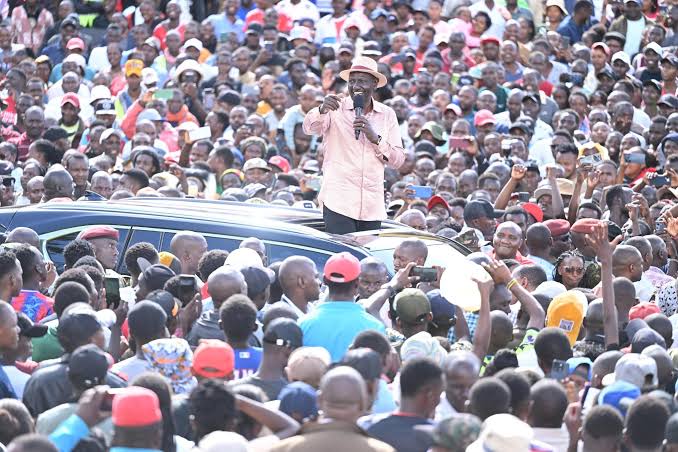
President William Ruto has announced a major policy shift aimed at transforming Kenya’s industrial and economic future, declaring that the country will no longer allow the exportation of raw materials without adding value locally. The President said that all minerals and other key natural resources should undergo processing within the country before being exported to international markets.
The move is expected to boost Kenya’s manufacturing sector, create employment opportunities and ensure that the country benefits fully from its natural resources. For many years, African countries, including Kenya, have exported raw materials abroad, only for those materials to be processed into finished products and later sold back to African markets at much higher prices.
President Ruto said Kenya must move away from this model and instead focus on building industries that can process its minerals and raw materials locally. According to the President, exporting unprocessed resources means that the country is also exporting jobs, investment opportunities and potential revenue that could otherwise benefit Kenyan citizens.
Under the proposed approach, minerals extracted from different parts of the country will be processed and refined within Kenya before they are allowed to enter international markets. This could significantly change the country’s mining industry and open up new opportunities for investors interested in establishing mineral-processing plants.
The President's announcement comes as the government continues to explore ways of expanding Kenya's industrial capacity and reducing dependence on imported manufactured products. Kenya has a wide range of natural resources, including minerals that, if properly developed and processed, could contribute significantly to the growth of the economy.
Value addition has increasingly become an important topic in discussions about Africa's economic development. Many African nations are rich in minerals, agricultural products and other natural resources, but a large percentage of these resources are exported in their raw form. The countries importing these materials often process them into more valuable products, earning significantly higher profits from resources originally extracted from Africa.
President Ruto's administration now appears determined to change this situation by ensuring that more value is retained within Kenya. The government believes that establishing local processing industries will not only increase national income but will also provide employment opportunities for thousands of young people.
For example, when raw minerals are exported directly, the country mainly benefits from the initial sale of the material. However, when those minerals are refined and transformed into usable products locally, several additional industries can benefit. Processing plants require workers, engineers, technicians, transport companies, suppliers and other service providers.
This creates a much larger economic chain than simply extracting a mineral and transporting it to another country.
The President has repeatedly emphasized the importance of creating jobs for Kenya's growing population, particularly young people. The development of industries capable of processing minerals and raw materials locally could become one of the government's key strategies for addressing unemployment.
Local processing could also help develop skills among Kenyan workers. As industries grow, there will be an increased demand for professionals trained in mining, engineering, technology, manufacturing and other specialized fields. This could encourage educational institutions to develop programmes that prepare young people for employment in these emerging sectors.
However, the success of the new policy will depend heavily on the government's ability to attract investment and establish the necessary infrastructure. Processing minerals requires modern machinery, reliable electricity, good transport networks and skilled workers. The government may therefore need to work closely with both local and international investors to establish factories and processing facilities.
There will also be a need for clear laws and regulations to guide the implementation of the President's directive. Mining companies and exporters will need to understand what types of minerals must be processed locally and the standards that will be required before exportation.
The government will also have to ensure that the new regulations do not discourage investors from entering Kenya's mining sector. While the policy aims to increase the country's economic benefits, authorities will need to strike a balance between protecting national interests and maintaining an environment that attracts investment.
Supporters of the move have argued that Kenya should follow the example of countries that have successfully developed industries around their natural resources. By processing raw materials locally, such countries have been able to create stronger economies and reduce their dependence on imported finished products.
The policy could also help Kenya improve its position in the global marketplace. Instead of being known mainly as a supplier of raw materials, the country could gradually become a producer and exporter of refined minerals and manufactured products.
This would potentially increase the value of Kenyan exports and help reduce the country's trade deficit. Kenya currently imports a significant amount of manufactured goods from abroad. Developing strong local industries could eventually reduce the need to import some of these products.
President Ruto's announcement could therefore mark an important turning point in the country's economic strategy. It signals a shift from simply extracting and selling resources to building industries that generate greater long-term benefits.
Communities living in areas rich in minerals could also benefit from increased investment. The establishment of processing facilities could lead to improved infrastructure, including roads, electricity and other essential services. However, the government will need to ensure that local communities are included in the benefits arising from the exploitation of natural resources in their regions.
Environmental concerns will also be an important part of the conversation. Mining and industrial processing can have serious effects on the environment if not properly managed. The government and companies involved in the sector will therefore need to comply with environmental regulations and ensure that communities and ecosystems are protected.
Transparency will also be crucial. Kenyans will expect clear information about how the country's mineral resources are being managed and how the revenues generated are being used. Proper oversight will be necessary to ensure that the benefits of local processing reach the wider population.
The President's declaration that Kenya will no longer export raw materials without value addition represents an ambitious vision for the country's future. If effectively implemented, the policy could create jobs, attract investment, promote industrial growth and increase the value of Kenya's natural resources.
The challenge will now be turning the announcement into a practical and sustainable reality. This will require cooperation between the government, investors, local communities, manufacturers and other stakeholders.
Ultimately, President Ruto's message is clear: Kenya should no longer be satisfied with selling its resources in their raw form while other countries earn greater profits by processing them. The government wants the value chain to begin and grow within the country, creating opportunities for Kenyans and strengthening the national economy.
The success of this policy could determine whether Kenya takes a major step toward becoming a more industrialized and self-reliant economy. With the right investment, infrastructure, skills and policies, the country's minerals and raw materials could become a powerful engine for economic transformation for generations to come.

You Might Also Like
-
Jaswinder Bedi's decision to speak publicly has provided more information about the company behind Kenya's new police uniforms and the process through which it obtained the contract. Bedi Investments Limited, according to both the company and the National Police Service, is the manufacturer respons
-
The fire along the Voi–Taveta Road in Taita Taveta County on September 6, 2026, was initially reported as a possible tanker-related fire but was later confirmed by the Kenya Red Cross as a bush fire. The correction came after ground teams assessed the situation. The response brought together the
-
The death of Martina Chepkemoi Rutto has left her family facing profound grief while also demanding answers about what happened to their loved one. She had been reported missing on August 26 before her body was reportedly recovered from Kimugu River with multiple stab wounds. Police have opened inve
-
Content creator Eric Omondi has proposed major changes to Kenya's governance structure, including reducing the number of counties, scrapping the Senate and cutting the number of elected and nominated leaders. His proposal has sparked debate about the cost of governance, representation and the future
-
Caleb Amisi's Renaissance plan represents one of the emerging political projects ahead of Kenya's 2027 General Election. Through the People’s Renaissance Movement, he is presenting a vision centred on economic liberation, justice, youth empowerment, constitutionalism, anti-corruption measures, wom
-
United Opposition leaders are urging unity and selflessness as they prepare to choose a single flagbearer to challenge President William Ruto. The leaders say the selection process must identify the strongest candidate with national appeal, strong leadership qualities and the ability to unite the op