Ruto Appeals to Kalonzo to Reciprocate Past Political Support During Ukambani Tour
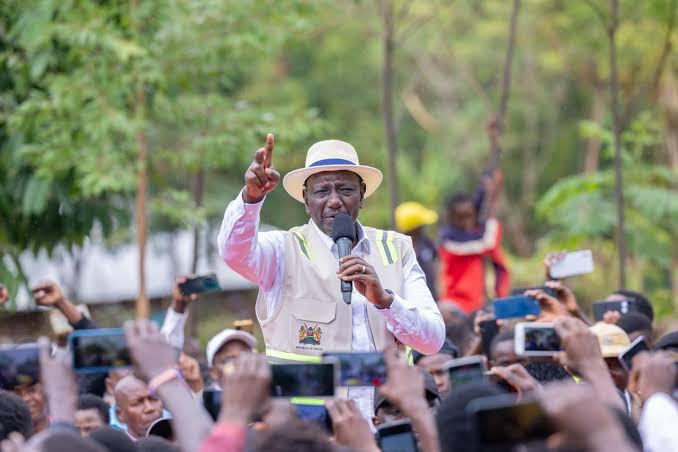
President William Ruto has urged residents of Tseikuru, Kitui County, to remind Wiper Party leader Kalonzo Musyoka of the political support he says he offered him during the 1992 General Election. The remarks came during Ruto's four-day Ukambani tour, as political leaders position themselves ahead of the 2027 General Election.
President William Ruto has called on residents of Tseikuru in Kitui County to urge Wiper Party leader Kalonzo Musyoka to return the political support he says he extended to him in the past, as he seeks to strengthen his political influence in Ukambani ahead of the 2027 General Election.
Speaking to residents on Monday, October 26, 2026, during his four-day tour of the Ukambani region, the Head of State referred to his longstanding political relationship with Kalonzo, recalling how he campaigned for the Wiper leader in Mwingi during the 1992 General Election.
Ruto's remarks have brought renewed attention to the political relationship between the two leaders, particularly as the country approaches another election cycle that is expected to feature negotiations, shifting alliances and competition for regional support.
The President's appeal to residents to remind Kalonzo about their past political interactions appeared aimed at highlighting what he described as his contribution to the Wiper leader's political journey. By recalling the 1992 election, Ruto sought to connect their present political engagements with their earlier experiences in Kenya's multiparty politics.
His comments come at a time when political leaders are intensifying activities across different regions as they prepare for the 2027 elections. Ukambani, which has traditionally been associated with Kalonzo's political base, remains an important region in the broader contest for political support.
During his address, Ruto urged residents to consider the history between him and Kalonzo as they assess the current political relationship. His message centred on the idea that political support extended in the past should be acknowledged and reciprocated when circumstances allow.
The remarks also provided an opportunity for the President to engage directly with residents in an area where opposition politics has maintained a significant presence. His visit to Tseikuru formed part of a broader tour intended to connect with communities across the Ukambani region.
Ruto's decision to invoke his past association with Kalonzo is significant because political relationships in Kenya often evolve over time, influenced by electoral interests, policy disagreements and changing alliances. Leaders who previously worked together may later find themselves in opposing political camps, while former rivals can also explore cooperation when their interests converge.
The President's appeal therefore places renewed focus on the relationship between personal political history and present-day negotiations. While he has recalled his support for Kalonzo during the 1992 General Election, the two leaders' current political positions and alliances remain important considerations in understanding their relationship ahead of 2027.
Kalonzo, who leads the Wiper Patriotic Front, remains a prominent political figure in Ukambani and a participant in wider opposition discussions. His political engagements have attracted attention as opposition leaders consider how to organise themselves and whether to settle on a joint presidential candidate to challenge Ruto in the next election.
The Wiper leader's position in the opposition makes his relationship with the President an important subject of political debate. Ruto's appeal to residents comes as leaders across the political divide continue to explore strategies for consolidating their support and strengthening their regional networks.
For the President, the Ukambani tour provides an opportunity to communicate his administration's priorities directly to residents while seeking to broaden support in a region associated with opposition politics. Public meetings during such visits allow leaders to present their messages, engage communities and make appeals concerning political cooperation.
The tour also gives Ruto an opportunity to discuss development priorities with residents and reinforce his administration's presence in the region. However, the political implications of the visit will depend on how residents respond to his message and whether the engagements translate into broader political cooperation.
Ukambani comprises Machakos, Kitui and Makueni counties, areas that have featured prominently in national political discussions because of their electoral importance and the influence of regional political leaders. The region's voting patterns and political alliances are therefore likely to remain a subject of interest as parties prepare for the 2027 General Election.
Ruto's appeal to Kalonzo's supporters comes against this background, with the President seeking to establish a political connection that extends beyond the traditional boundaries of party competition. By recalling an earlier period in their political relationship, he presented his message as one rooted in shared history and previous political engagement.
The 1992 General Election was a significant moment in Kenya's political history, marking the country's first multiparty general election after the reintroduction of multiparty politics. Political parties and candidates competed in a new environment, with leaders forming alliances and seeking support across different constituencies.
Ruto's reference to campaigning for Kalonzo in Mwingi during that election places his current appeal within this historical context. His remarks were intended to remind residents of the political relationship he says existed between the two leaders and to encourage consideration of that history in their present interactions.
Nevertheless, past political support does not automatically determine the alliances leaders will pursue in future elections. Political decisions are often shaped by a range of considerations, including policy positions, party commitments, regional interests and negotiations over leadership.
The 2027 presidential race is expected to involve discussions about coalition arrangements and the candidates who will represent the competing political formations. For opposition leaders, one of the major questions is whether they can agree on a common candidate capable of bringing together their respective supporters.
Kalonzo has featured in discussions about a possible opposition presidential ticket, alongside other leaders seeking to challenge the incumbent administration. His political influence in Ukambani makes his position relevant to negotiations about the structure and leadership of any potential opposition alliance.
At the same time, Ruto's visit to the region reflects the importance of engaging voters beyond the political strongholds traditionally associated with his administration. Political leaders often seek to expand their support by addressing local concerns, presenting their development priorities and building relationships with community representatives.
The President's message in Tseikuru could therefore be viewed as part of a wider effort to engage residents and encourage them to reconsider the political relationships shaping the region's future. His reference to Kalonzo's past association with him provided a central theme for that appeal.
As the election approaches, residents will also be assessing the issues that affect their daily lives, including infrastructure, access to water, agricultural support, healthcare, education and employment opportunities. These concerns often form an important part of political discussions during visits by national leaders.
For communities in Kitui County, development priorities remain an important consideration in evaluating government programmes and political commitments. Public engagements provide an opportunity for leaders to communicate their plans while residents seek clarity on projects and services that affect their localities.
Ruto's four-day tour of Ukambani places him in direct contact with communities across the region, allowing him to deliver political messages while engaging residents on matters of public interest. The response to his engagements may offer insight into the reception of his message, although the political impact of the tour cannot be determined from a single meeting.
The President's remarks also highlight how historical relationships can become part of political messaging as leaders seek support ahead of elections. References to past campaigns, cooperation and shared experiences can be used to explain present positions and encourage renewed engagement between political figures and their supporters.
However, whether Kalonzo will respond positively to Ruto's appeal remains a separate question. The Wiper leader's current political engagements and participation in opposition consultations indicate that the direction of his future alliances will depend on further political discussions and decisions.
Similarly, residents of Ukambani will make their own assessments of the competing messages presented by political leaders. Their views may be influenced by local development priorities, national policy debates and the positions taken by the political parties seeking their support.
The unfolding political discussions also demonstrate the importance of coalition-building in Kenya's electoral environment. Presidential candidates frequently seek partnerships that can broaden their support, while parties consider how alliances may affect their influence and representation.
For the ruling administration, expanding political support in regions where opposition leaders maintain strong networks could be an important element of its preparations for the next election. For the opposition, maintaining cooperation among its leaders while attracting additional support presents its own set of challenges.
The relationship between Ruto and Kalonzo will therefore remain a subject of attention as the 2027 General Election draws closer. The President's reference to their political history has introduced another dimension to the discussions, even as both sides continue to operate within the current political environment.
As his Ukambani tour continues, Ruto is expected to use the engagements to communicate his message to residents and strengthen his administration's connection with communities in the region. The extent to which his appeal influences political relationships will become clearer as leaders make further statements and announce their positions ahead of the election.
The President's remarks in Tseikuru centre on his claim that he supported Kalonzo during the 1992 General Election and his call for that history to be remembered. The appeal has renewed attention on the two leaders' political relationship at a time when Kenya's political formations are preparing for another contest for national leadership.

You Might Also Like
-
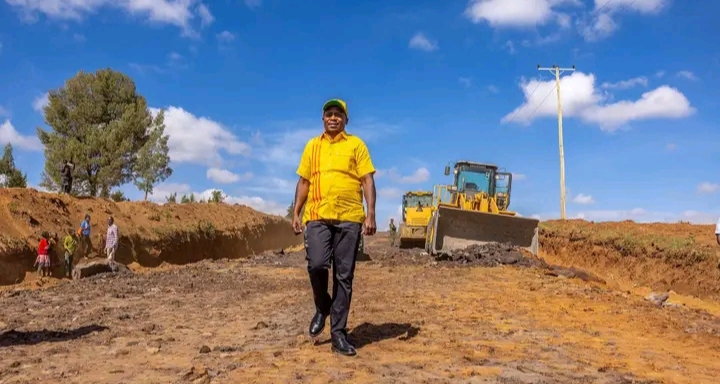
The reported inspection by Deputy President Kithure Kindiki of the Njoro–Beeston–Lawina–Elburgon road on October 27, 2026, highlights an important infrastructure project in Nakuru County. Official records confirm that the wider road programme covers approximately 40 kilometres, has a listed c
-
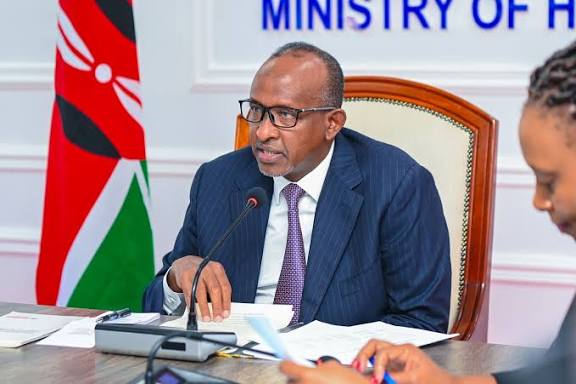
Kenya’s Ministry of Health has confirmed the release of 20 Ebola contacts from quarantine after completing the required monitoring period without developing symptoms. However, the ministry warns that the outbreak is not yet contained, with 98 other contacts still under observation and expected to
-
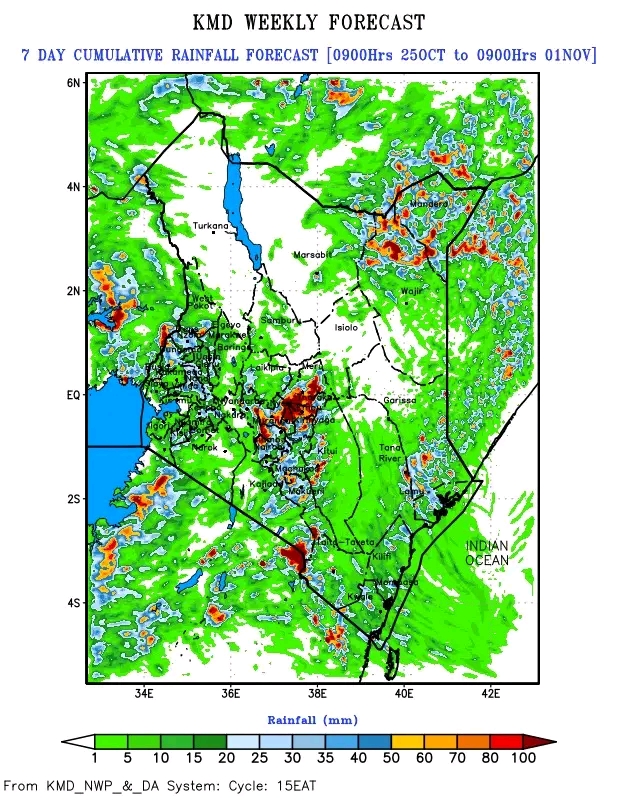
Kenya's latest published forecast available for this report points to rainfall across numerous counties, including areas in the Coast, North Eastern, Eastern, Central, Western, Nyanza and Rift Valley regions. Particular attention is warranted in Mandera, Wajir and parts of the coastal region, where
-
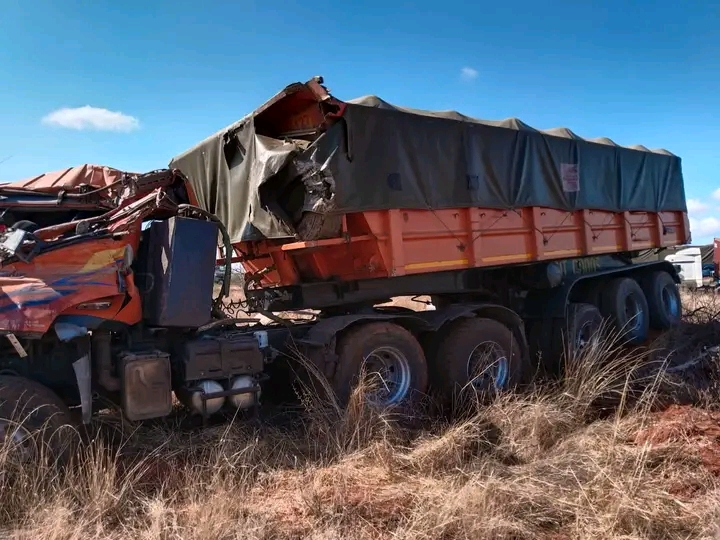
The commencement of post-mortem examinations for the 24 victims of the Mtito Andei road accident is a crucial step in the process of identifying the deceased, documenting the causes of death and facilitating burial arrangements. The tragedy occurred at Kanga along the Nairobi–Mombasa Highway on Oc
-
The discharge of 20 people from Ebola quarantine on 26 October 2026 marks an important step in Kenya’s efforts to contain the Bundibugyo virus disease outbreak. The individuals completed the mandatory 21-day monitoring period without symptoms and were released after health assessments. However, 9
-
KeNHA Chairperson Winfrida Ngumi has praised President William Ruto for launching the Kandwia–Kyuso and Kyuso–Tseikuru B52 road projects.The projects are expected to improve connectivity and ease transportation across the region.Better roads could boost trade by making it easier for farmers and